
Amazon founder Jeff Bezos recently made a bold prediction that “millions of people will live in space” within the next few decades. Speaking at a rare tech event on October 3, 2025, Bezos emphasized that this vision could become a reality “kind of soon,” potentially accelerated by advancements in artificial intelligence. His comments underscore the importance of space habitats as a crucial component in enabling human life beyond Earth.
Bezos’s Core Prediction on Space Living

During his remarks, Jeff Bezos stated unequivocally that “millions of people will live in space” in the foreseeable future. This prediction, made at a tech event, highlights his belief in the potential for large-scale human habitation beyond our planet. Bezos specified a timeline of a “couple of decades” for this vision to materialize, suggesting a significant shift in human living arrangements within the next 20 to 30 years (MK).
Bezos’s timeline for space colonization is not only ambitious but also described as occurring “soon” in the context of ongoing efforts to expand human presence in space. This perspective aligns with the broader push for space exploration and colonization, which has gained momentum in recent years. The notion of living in space “kind of soon” reflects a growing confidence in the technological and logistical capabilities required to support such a massive undertaking (Techi).
Bezos’s vision is not just about relocating humans to space but also about creating a sustainable and thriving ecosystem beyond Earth. He envisions space habitats that are self-sufficient, with the capability to produce food, recycle water, and manage waste effectively. This approach would require significant advancements in closed-loop life support systems, which are already being tested in various space missions. The development of such systems is crucial to ensure that space habitats can support human life for extended periods without relying on constant resupply missions from Earth (MK).
Furthermore, Bezos’s prediction aligns with the broader goals of space agencies and private companies aiming to establish a permanent human presence on the Moon and Mars. These efforts are seen as stepping stones towards more ambitious projects, such as the construction of large space stations or colonies in orbit. The potential for resource extraction from asteroids and other celestial bodies also plays a significant role in this vision, offering the possibility of using in-situ resources to build and maintain space habitats (Techi).
Context of the Rare Tech Event Appearance
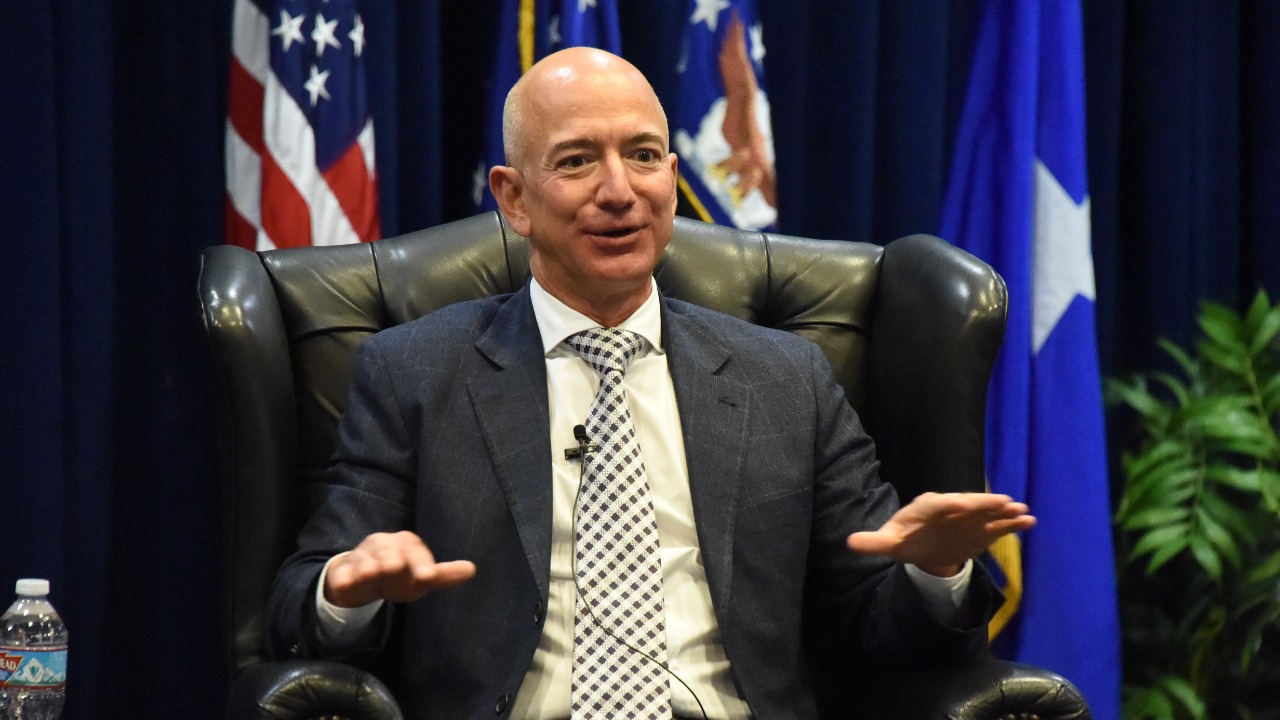
Bezos’s prediction came during a “Rare Tech Event Appearance,” where he shared his insights on space habitats. The event, held on October 3, 2025, served as a platform for Bezos to discuss his vision for the future of human habitation in space. As the founder of Amazon, Bezos’s comments carry significant weight, given his history of innovation and investment in space technology through his company Blue Origin (The Bridge Chronicle).
The event’s timing further amplified the impact of Bezos’s predictions. His remarks have been echoed across various media outlets, highlighting the significance of his vision for space colonization. This gathering focused on tech innovations, providing a fitting backdrop for Bezos to articulate his ambitious plans for the future (Techi).
Role of AI in Enabling Space Habitats
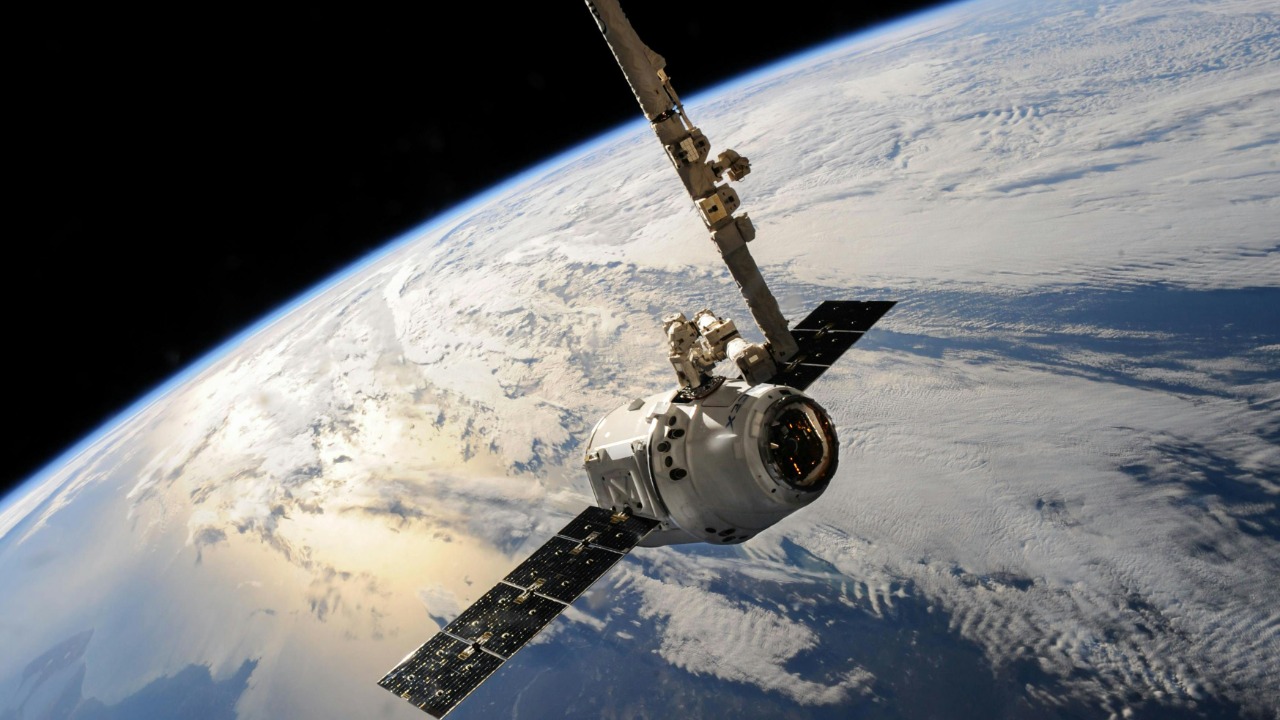
Bezos emphasized the critical role of “AI Advancements” in making the vision of millions living in space a reality. He suggested that artificial intelligence could be a driving force in overcoming the challenges associated with establishing and maintaining space habitats. AI’s potential to enhance technological progress and efficiency is seen as a key enabler for this ambitious endeavor (Mezha).
In his comments, Bezos linked AI advancements to the broader vision of space colonization. The integration of AI into space habitat development could streamline processes and improve the sustainability of living in space. This technological synergy is crucial for realizing the dream of large-scale human settlement beyond Earth, as emphasized during the tech event (Mezha).
AI’s role in space colonization extends beyond operational efficiency; it is also pivotal in ensuring the safety and well-being of inhabitants. Advanced AI systems could monitor the health of residents, predict and mitigate potential hazards, and manage the complex logistics of life in space. This includes everything from optimizing energy consumption to maintaining environmental controls within the habitat. AI could also facilitate autonomous construction and maintenance of space habitats, reducing the need for human intervention and minimizing risks associated with human error (Mezha).
Moreover, AI could play a crucial role in scientific research conducted in space habitats. By analyzing vast amounts of data collected from experiments and environmental sensors, AI systems can provide insights that would be difficult for humans to discern. This capability is essential for advancing our understanding of space environments and developing new technologies that can further support human life beyond Earth. The integration of AI into these processes represents a significant leap forward in our ability to adapt to and thrive in extraterrestrial settings (Mezha).
Broader Implications of the Prediction
The scope of Bezos’s prediction, that “millions will live in space within the next few decades,” carries profound implications for the future of humanity. His remarks included details about the potential structure and function of space habitats, which are essential for supporting human life off-Earth. This vision aligns with ongoing efforts to expand human presence in space, driven by technological advancements and increasing interest in space exploration (MK).
Reporting on October 4, 2025, highlighted Bezos’s timeline of a “couple of decades” for this transformation, underscoring the urgency and feasibility of his vision. The tech event’s focus on space habitat predictions reflects a growing consensus on the importance of long-term human expansion into space. This perspective is crucial for understanding the potential trajectory of human civilization in the coming decades (TechCrunch).
