
Nissan, in the period leading up to the 2007 debut of its R35 GT-R, nearly greenlit production of a mid-engine supercar concept that promised to redefine the brand’s performance lineage. This ambitious project, which ultimately gave way to the front-engine R35 design, featured innovative engineering aimed at competing with European exotics. Recent reporting uncovers details of this overlooked initiative, revealing Nissan’s bold pivot in supercar strategy. Source
Nissan’s Early 2000s Supercar Exploration
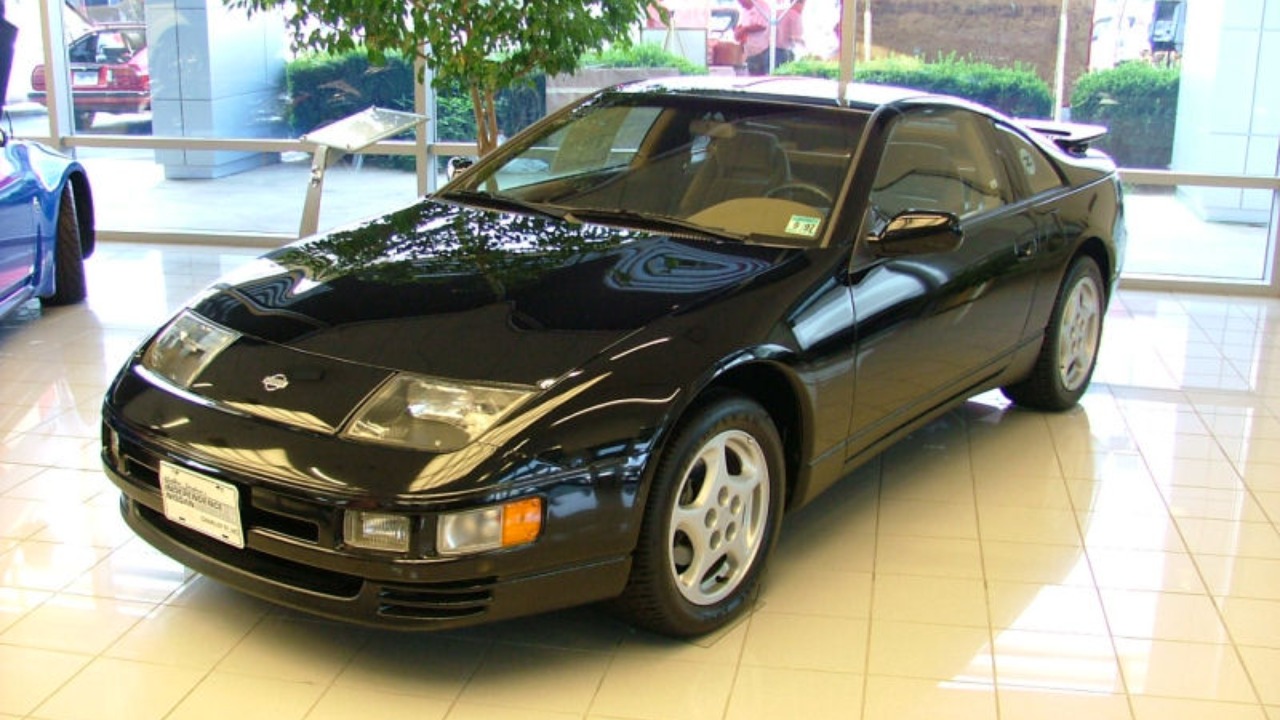
In the early 2000s, Nissan was at a crossroads in its performance vehicle strategy, seeking to establish itself as a formidable player in the global supercar arena. Following the Skyline era, the company explored various avenues to diversify its lineup, with a particular focus on challenging European supercar dominance. This period was marked by internal discussions about the potential of a mid-engine layout, which was seen as a departure from the traditional front-engine designs that had characterized Nissan’s offerings. Source
Feasibility studies conducted during this time highlighted the advantages of a mid-engine configuration, including improved weight distribution and handling dynamics. Key executives and engineering teams were involved in brainstorming sessions that prioritized a lightweight chassis and a rear-mid engine placement. These discussions were driven by a desire to create a vehicle that could compete with the likes of Ferrari and Porsche, leveraging Nissan’s engineering prowess to deliver a world-class supercar. Source
During this exploratory phase, Nissan’s design team also considered the potential market impact of a mid-engine supercar. The company aimed to capture the attention of a younger, more affluent demographic that was increasingly drawn to the prestige and performance of European brands. This strategic move was seen as a way to elevate Nissan’s brand image and align it with the luxury and performance sectors dominated by its European counterparts. The internal discussions often revolved around how to balance the innovative aspects of the mid-engine design with the practicalities of production and market acceptance. Source
Design and Engineering of the Mid-Engine Concept
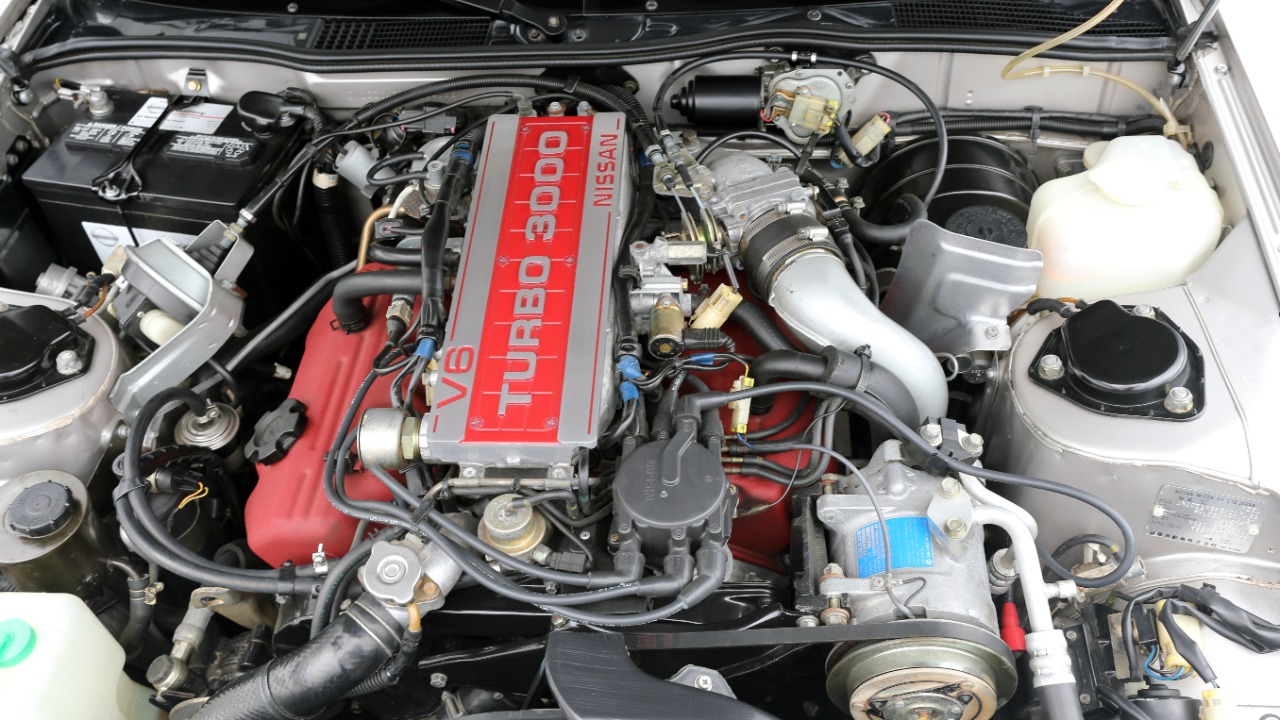
The core layout of Nissan’s mid-engine supercar concept was designed to offer a direct alternative to the R35 GT-R, with the engine strategically placed behind the driver. This configuration was intended to optimize weight distribution and enhance driving dynamics, setting it apart from the front-engine R35. The proposed powertrain included a twin-turbo V6 engine, drawing from Nissan’s motorsport heritage, with a targeted output of over 500 horsepower. This setup promised to deliver exhilarating performance and align with the brand’s high-performance aspirations. Source
In addition to its powerful engine, the mid-engine concept featured several innovative design elements. Aerodynamic enhancements and a carbon-fiber monocoque construction were integral to the vehicle’s design, ensuring both speed and agility. The concept also incorporated advanced suspension systems, including active suspension technologies that were being developed for the GT-R. These engineering feats underscored Nissan’s commitment to pushing the boundaries of automotive design and performance. Source
The design process also involved extensive wind tunnel testing to refine the vehicle’s aerodynamic profile. Engineers focused on minimizing drag while maximizing downforce, ensuring that the car could maintain stability at high speeds. The use of lightweight materials was not only limited to the carbon-fiber monocoque but extended to other components such as the wheels and body panels, which were crafted to reduce overall weight without compromising strength. These efforts were part of a broader initiative to incorporate cutting-edge technology and materials that would set new standards in the supercar segment. Source
Challenges and Cancellation Factors
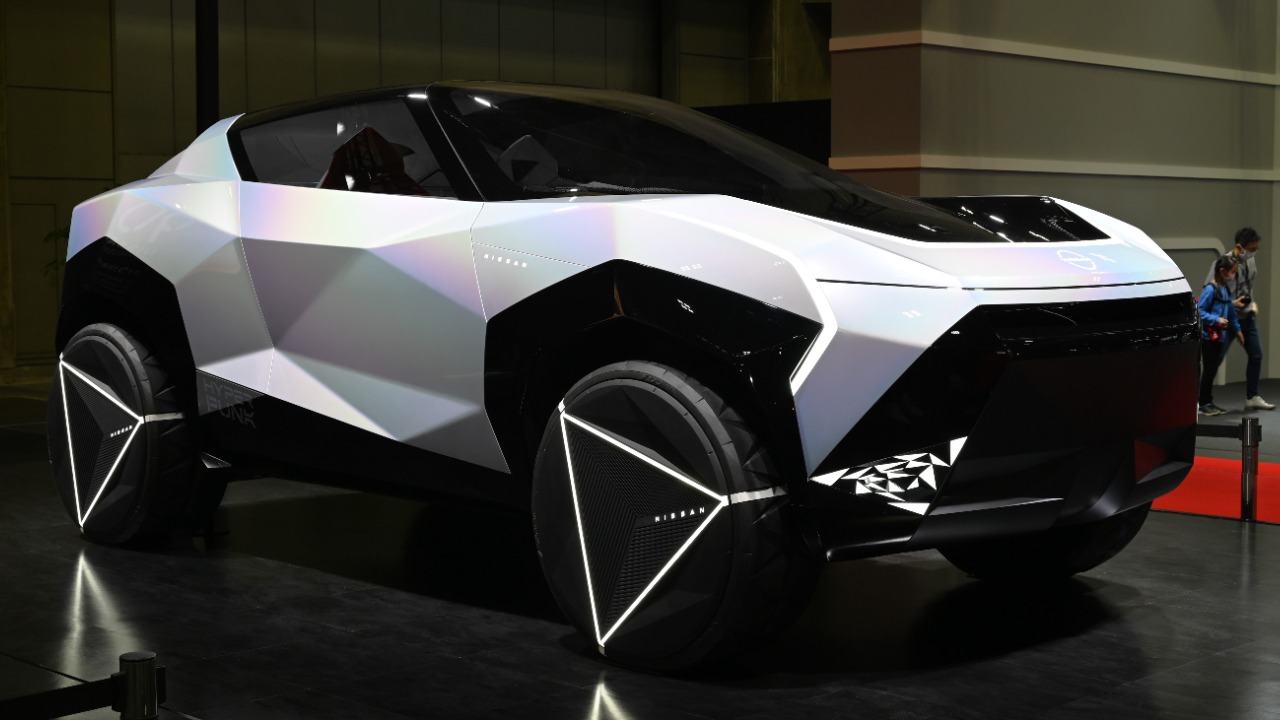
Despite the promising design and engineering prospects, the mid-engine supercar project faced significant challenges that ultimately led to its cancellation. Cost projections for the vehicle escalated beyond Nissan’s budget for a halo model, making it financially unfeasible. The decision to prioritize the more manufacturable R35 GT-R was influenced by these budgetary constraints, as well as the need to deliver a vehicle that could be produced at scale. Source
Market and competitive pressures also played a crucial role in the project’s demise. Established models like the Porsche 911 and various Ferrari offerings posed a significant challenge, as Nissan sought to avoid the risks associated with entering the mid-engine supercar market. Internal debates regarding production feasibility further complicated the project, with supply chain issues for mid-engine components tipping the scales in favor of the front-engine R35 layout. Source
Another significant challenge was the technological gap that Nissan needed to bridge to compete with established supercar manufacturers. The company had to invest heavily in research and development to bring its mid-engine concept up to par with the sophisticated offerings from its competitors. This included not only the vehicle’s mechanical components but also the integration of advanced electronics and driver-assistance systems that were becoming standard in high-end sports cars. The financial and technical hurdles proved too steep, leading to a strategic pivot towards the more feasible R35 GT-R. Source
Legacy and Influence on the R35 GT-R
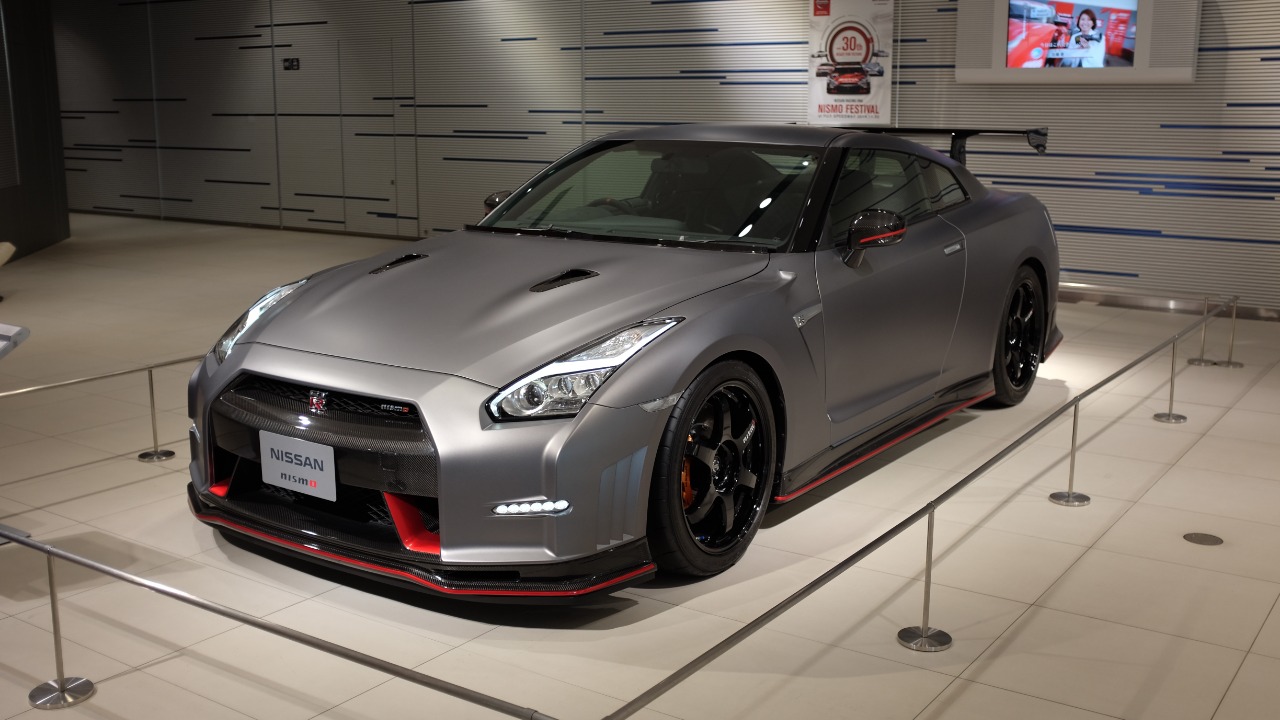
Although the mid-engine supercar concept never reached production, its influence can be seen in the final R35 GT-R, which was unveiled in 2007. Elements from the concept, such as advanced all-wheel-drive technology, were repurposed and integrated into the R35, enhancing its performance capabilities. This transfer of technology highlights the enduring impact of the mid-engine project on Nissan’s flagship performance model. Source
The mid-engine concept also invites speculation about what might have been had it reached the market. Its exotic appeal and innovative design could have positioned Nissan as a leader in the supercar segment, contrasting with the R35’s more accessible performance ethos. Furthermore, the project’s archival details have continued to inspire Nissan’s later experiments with mid-engine layouts, such as the 2018 GT-R50, demonstrating the brand’s ongoing interest in this configuration. Source
