Often referred to as the ‘gold of the North’, Baltic amber serves as an exceptional natural time capsule, preserving a fascinating variety of flora and fauna. Cutting-edge scientific discoveries suggest it may also contain insect DNA that’s over 7,000 years old, opening exciting new avenues in the realms of paleontology and evolutionary biology.
Understanding Baltic Amber
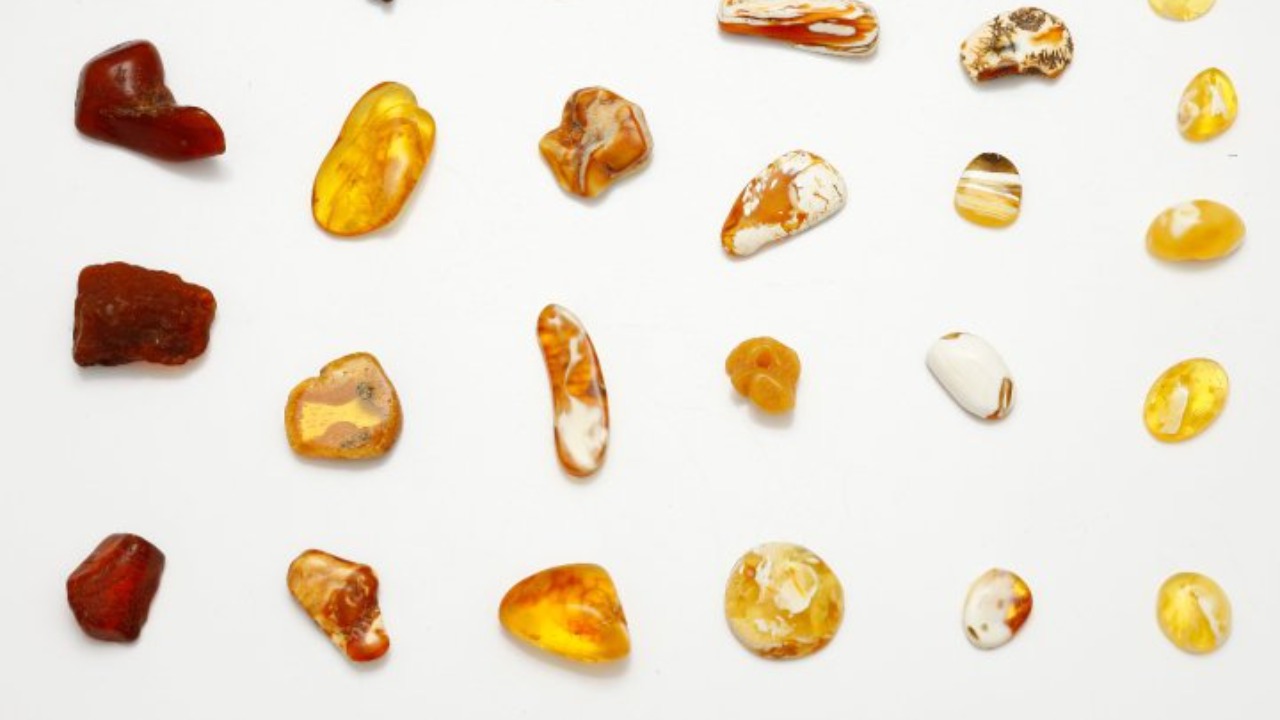
Baltic amber is a fossilized tree resin predominantly found in the Baltic Sea region. It originated from the forests of the Scandinavian Peninsula about 44 million years ago during the Eocene epoch. Its unique property of preserving organisms in remarkable detail makes it a significant subject of study in various scientific fields. The geological timeline and location of Baltic amber deposits further add to its historical and scientific importance.
Organisms trapped in Baltic amber range from microbial life to larger organisms like insects and even small reptiles. The level of preservation is often so high that cellular structures and even DNA can be discerned, providing a snapshot of life from millions of years ago. This makes Baltic amber an invaluable resource for understanding the evolution of life on Earth.
Unearthing the Past: Insects Trapped in Amber

The variety of insects found trapped in Baltic amber is astounding. From beetles and ants to spiders and even scorpions, these ancient inclusions offer a window into the world of prehistoric insects. The level of detail in these fossils is often so high that even the minutest features like the patterns on insect wings can be observed, providing vast amounts of information about their physiology and behavior.
These insect inclusions in Baltic amber play a critical role in understanding the evolution and extinction of certain species. They provide direct evidence about the biodiversity and ecological interactions of the past, thus offering insights into the Earth’s changing environments and their impact on insect evolution.
Breaking the Age Barrier: Ancient DNA from Amber
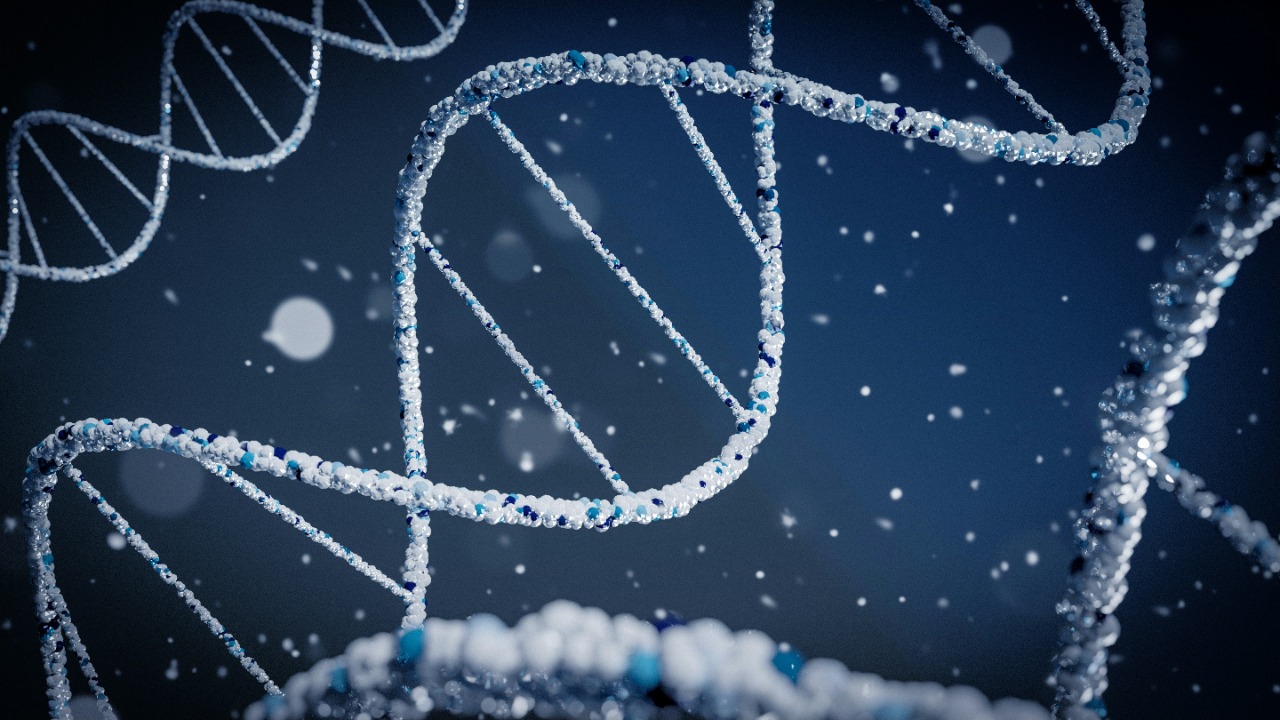
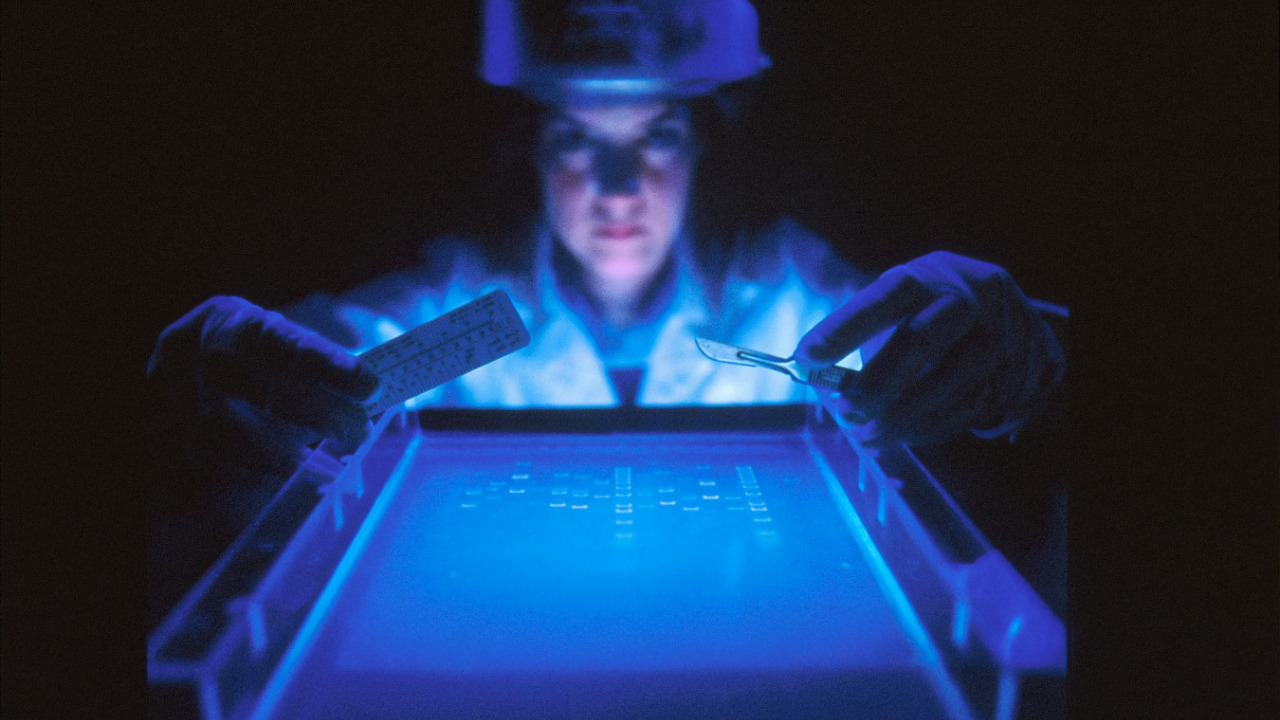
Extracting DNA from insects trapped in amber is a meticulous and challenging process. The amber must first be carefully prepared and the insect removed without damaging its physical integrity. Then, the extraction process begins, which involves the disintegration of the insect tissues to release the DNA. The DNA is then sequenced using advanced techniques like Next-Generation Sequencing.
There are many challenges and limitations in retrieving and sequencing ancient DNA. DNA degrades over time, and the older the specimen, the more fragmented the DNA. Despite these challenges, scientists have successfully extracted and sequenced DNA from insects in Baltic amber that are over 7,000 years old, as documented in the relevant scientific literature.
Implications for Paleontology and Evolutionary Biology
Ancient DNA preserved in amber can provide invaluable insights into the evolutionary history of insects. By comparing the DNA sequences of ancient insects with those of their modern descendants, scientists can trace the genetic changes that have occurred over millennia, helping to understand the forces that drive evolution.
The possibility of reconstructing extinct species using DNA preserved in amber, often popularized in movies like Jurassic Park, is a topic of much debate in the scientific community. While the technical feasibility is still a matter of contention, there are also ethical and practical considerations to take into account. For instance, even if it were possible to clone an extinct species, where would it fit in today’s ecosystems? The quest to resurrect extinct species raises many such intriguing questions.
Beyond Jurassic Park: The Real Potential of Amber-preserved DNA
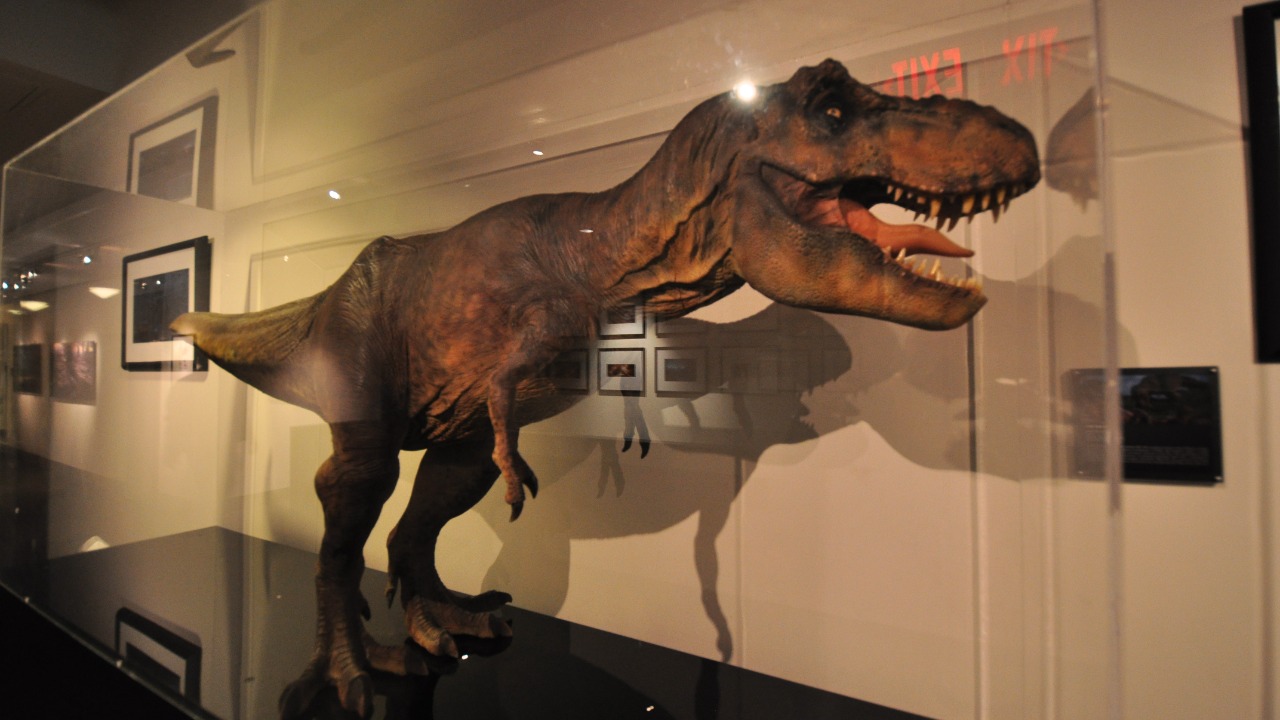
While the Hollywood depiction of cloning dinosaurs from amber-preserved DNA makes for great cinema, the reality of what can be achieved with this DNA is equally exciting. For instance, it holds potential for the study of ancient diseases and their evolution. By studying the pathogens that infected these ancient insects, we could gain valuable insights into the history of diseases and how they have evolved.
Current research and future prospects in the field of ancient DNA are vast. Scientists are continually developing new techniques to extract and sequence DNA from amber, improving our understanding of the past. The real potential of amber-preserved DNA extends far beyond what’s depicted in movies and holds the promise of transforming our understanding of the Earth’s biological history.
