Recent discoveries have identified bacteria in the ocean capable of digesting plastic, offering a potential breakthrough in addressing global plastic pollution. These bacteria have the ability to break down plastic materials, which could transform how we approach waste management and environmental conservation. Understanding their characteristics and mechanisms may pave the way for innovative solutions to one of the most pressing environmental issues of our time.
The Discovery of Plastic-Digesting Bacteria
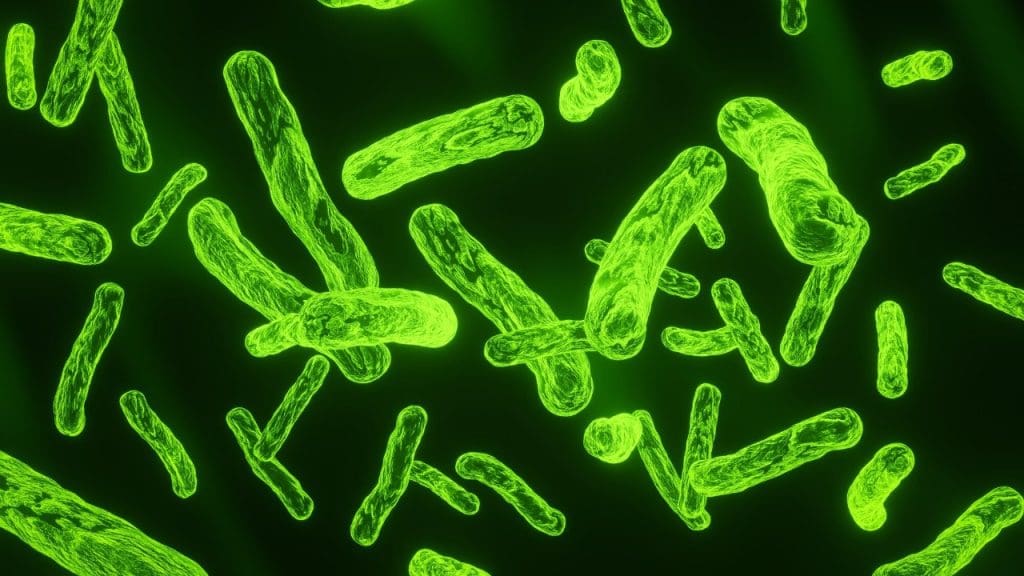
The discovery of plastic-digesting bacteria in the ocean has garnered significant attention from the scientific community. These bacteria were first identified in samples collected from the Mariana Trench, one of the deepest parts of the ocean. Researchers found that these bacteria thrive in extreme conditions where sunlight is scarce, and temperatures are low. This unique environment seems to support their activity, enabling them to break down complex materials like plastic over time.
The significance of this discovery cannot be overstated. Previous research on plastic degradation had primarily focused on fungal organisms and chemical processes, which often proved inefficient or environmentally harmful. The identification of these bacteria marks a turning point, suggesting a more natural and potentially sustainable method of addressing plastic waste. This breakthrough provides new avenues for environmental science and waste management, offering hope for a future where plastic pollution could be significantly reduced.
Mechanisms of Plastic Degradation
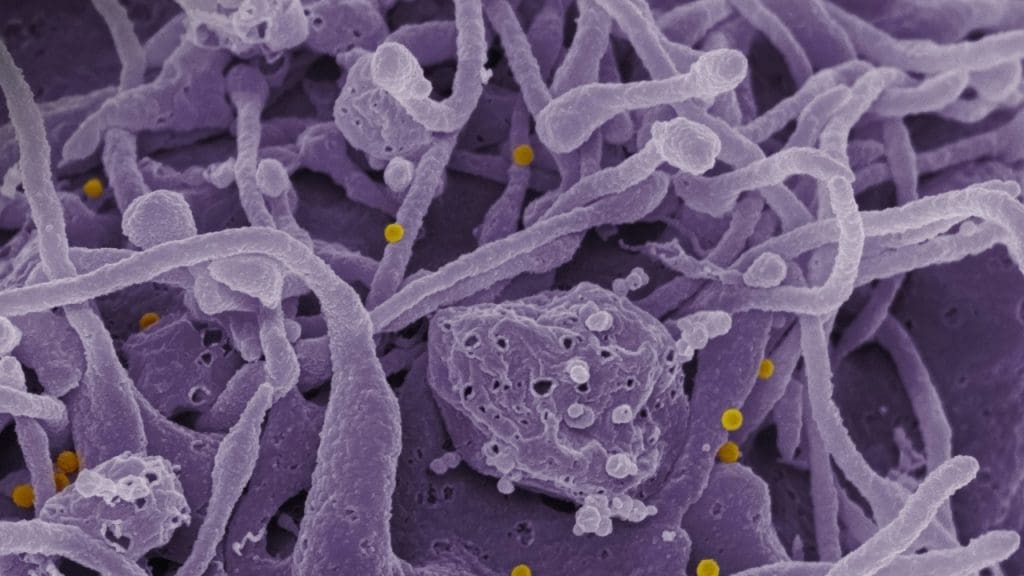
The biological process by which these bacteria break down plastic is fascinating and complex. At the core of this process is the enzymatic breakdown of plastic polymers. The bacteria produce enzymes that can cleave the long polymer chains found in plastics, ultimately converting them into simpler, more biodegradable compounds. Understanding the optimal conditions for this enzymatic activity is crucial. Factors such as temperature, pH levels, and the presence of certain nutrients can significantly affect the efficiency of plastic degradation.
From a genetic and molecular perspective, researchers are eager to understand the genetic makeup of these bacteria. By examining the genes responsible for enzyme production, scientists hope to enhance the bacteria’s plastic-degrading capabilities. There is also potential for genetic modification, which could further improve the efficiency of plastic breakdown. Such advancements could lead to more effective strategies for managing plastic waste, making this area of study a focal point for future research.
Environmental Implications and Challenges
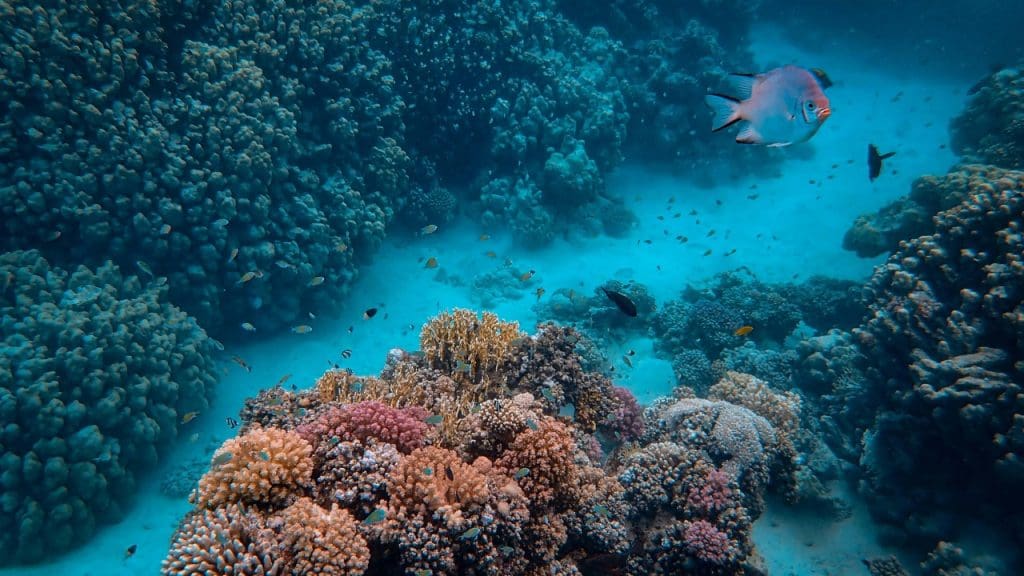
The potential benefits of utilizing bacteria for plastic waste management are immense. By employing these natural decomposers, it is possible to significantly reduce the amount of plastic pollution in both oceans and landfills. This could lead to long-term environmental restoration and conservation efforts. The use of bacteria in waste management could also complement existing recycling processes, creating a more holistic approach to tackling plastic pollution.
However, several challenges and limitations must be addressed before these bacteria can be widely used. One of the primary concerns is the ecological risk of introducing these organisms into new environments. There is a need for rigorous testing to ensure that the introduction of these bacteria does not disrupt existing ecosystems. Additionally, scalability remains a concern. Implementing bacterial degradation on a global scale requires substantial resources and infrastructure. Researchers and policymakers must collaborate to overcome these obstacles and develop practical solutions for widespread application.
Future Potential and Research Directions
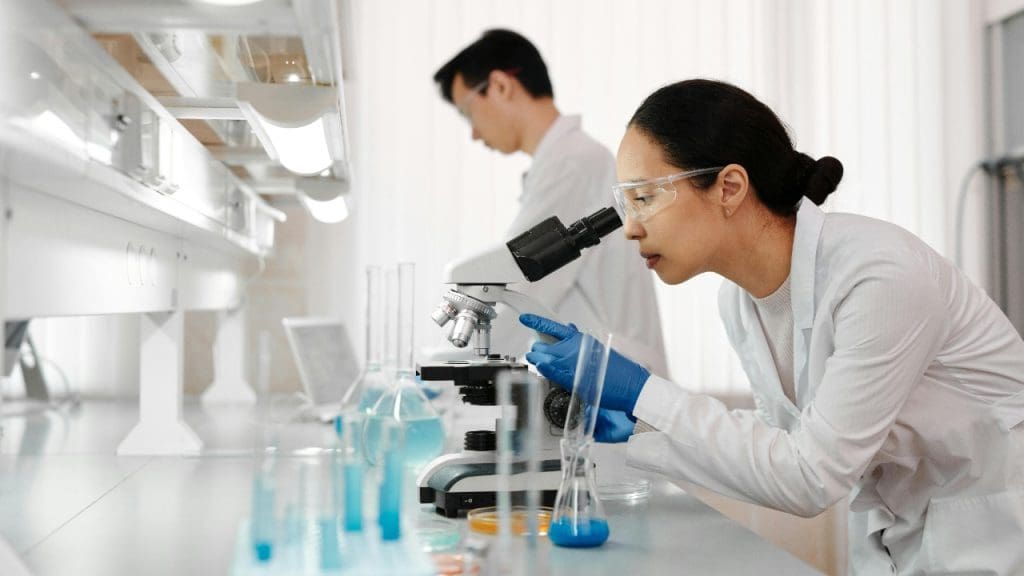
Innovation in biotechnology is key to unlocking the full potential of plastic-digesting bacteria. Advances in genetic engineering could lead to bacteria with enhanced efficiency and adaptability, making them more suitable for diverse environments. Collaborations between scientists, environmentalists, and policymakers are essential to drive these innovations forward. By working together, these stakeholders can develop strategies that integrate bacteria into existing waste management systems, promoting sustainable practices.
Long-term goals for this research include the development of sustainable waste management systems that incorporate bacteria as a core component. Educating the public and industries on the benefits and safe usage of this technology is also crucial. By raising awareness and providing guidance, it is possible to foster a more environmentally conscious society that supports the responsible use of plastic-digesting bacteria.
Global and Policy Perspectives
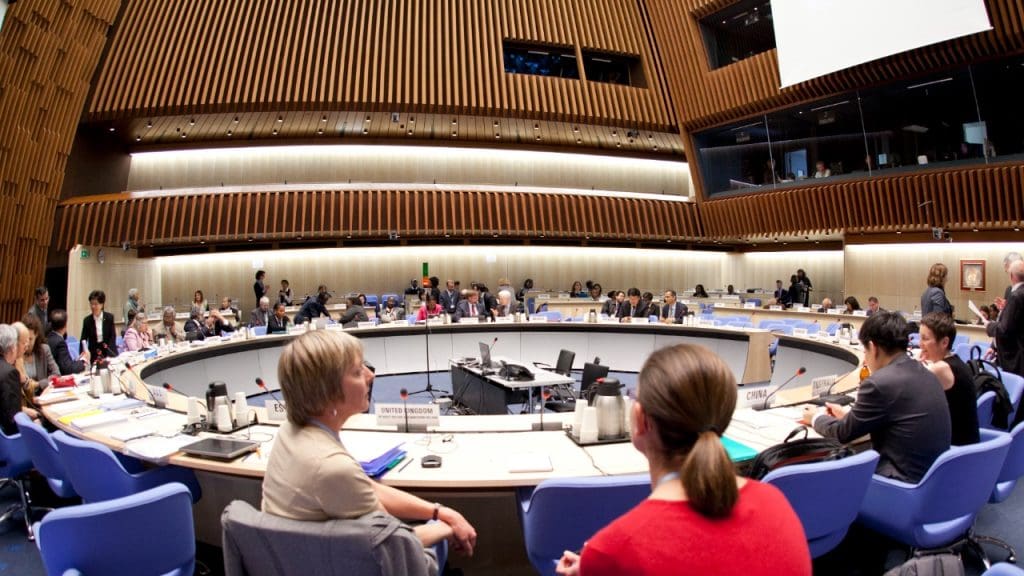
Addressing plastic pollution requires international efforts and collaborations. Several global partnerships are already in place, aimed at developing and implementing solutions to this crisis. These initiatives often involve researchers and organizations from multiple countries, working together to explore the potential of bacteria in reducing plastic waste. There are numerous case studies of successful projects that demonstrate the feasibility and effectiveness of using bacteria in real-world scenarios.
From a policy and regulation standpoint, establishing guidelines for the safe use of plastic-digesting bacteria is imperative. Policymakers must consider the potential risks and benefits, creating regulations that support sustainable practices while protecting ecosystems. New policies could encourage the development and adoption of technologies that utilize bacteria for plastic degradation, facilitating a transition towards a more environmentally friendly approach to waste management.
