Australian rock art, rich in symbolism and storytelling, isn’t just a beautiful glimpse into the indigenous culture of the past. It also serves as a prehistoric map, tracing the paths of ancient rivers and providing invaluable information about Australia’s historical geography and the evolution of its landscape.
Significance of Australian Rock Art
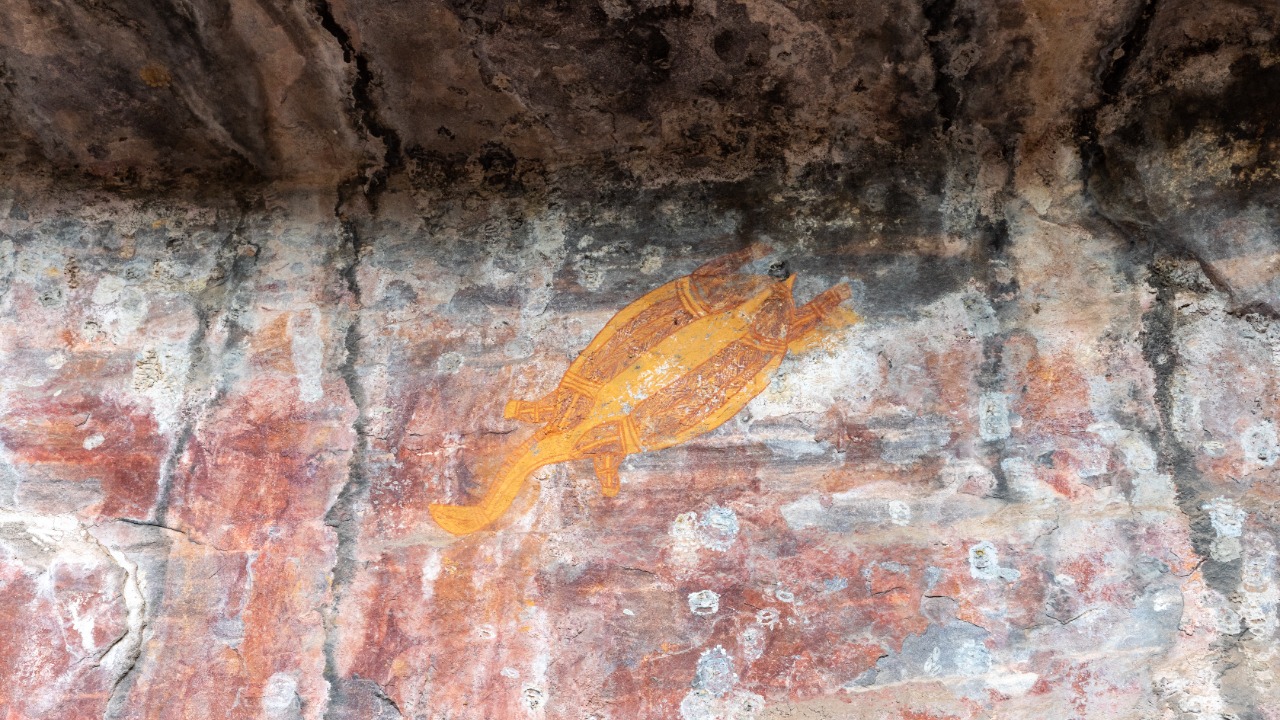
The rock art of Australia, such as the Bradshaw paintings, is a critical tool for understanding the country’s indigenous culture and history. These ancient artworks encapsulate a wealth of knowledge, from depictions of local fauna and flora to intricate depictions of social and ceremonial activities. The rock art also provides glimpses into the ancient beliefs and narratives of indigenous Australians, thereby offering a unique window into their worldview.
Archaeologists employ a range of techniques to date and interpret these artworks. Radiocarbon dating, for example, is used to estimate the age of charcoal drawings. Many of these artworks are thousands of years old, making them among the oldest surviving art forms in the world. This global significance is further underlined when comparing Australian rock art to art forms from other ancient cultures, such as the rock art discovered in Morocco.
Depictions of Prehistoric Rivers
One striking feature of Australian rock art is the frequent depiction of rivers and water bodies. These illustrations, often coupled with images of aquatic creatures and water birds, suggest the critical role these water sources played in the lives of prehistoric Australians. They were likely central to survival, providing water for drinking, fishing, and supporting the growth of edible plants.
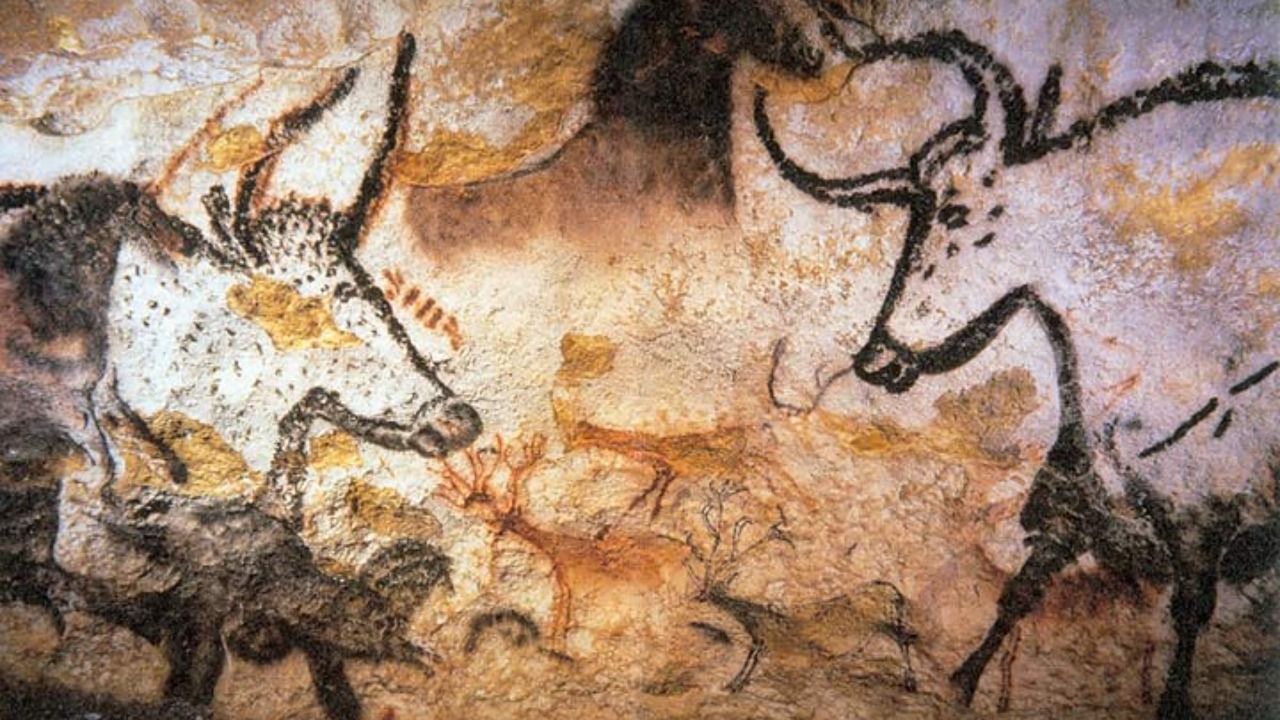
Similar depictions of rivers and water bodies can be found in rock art around the world. For example, prehistoric art in Europe, such as the cave paintings in Lascaux, France, also features depictions of rivers. This suggests a universal understanding of the importance of water bodies in sustaining life.
Linking Rock Art to Historical Geography
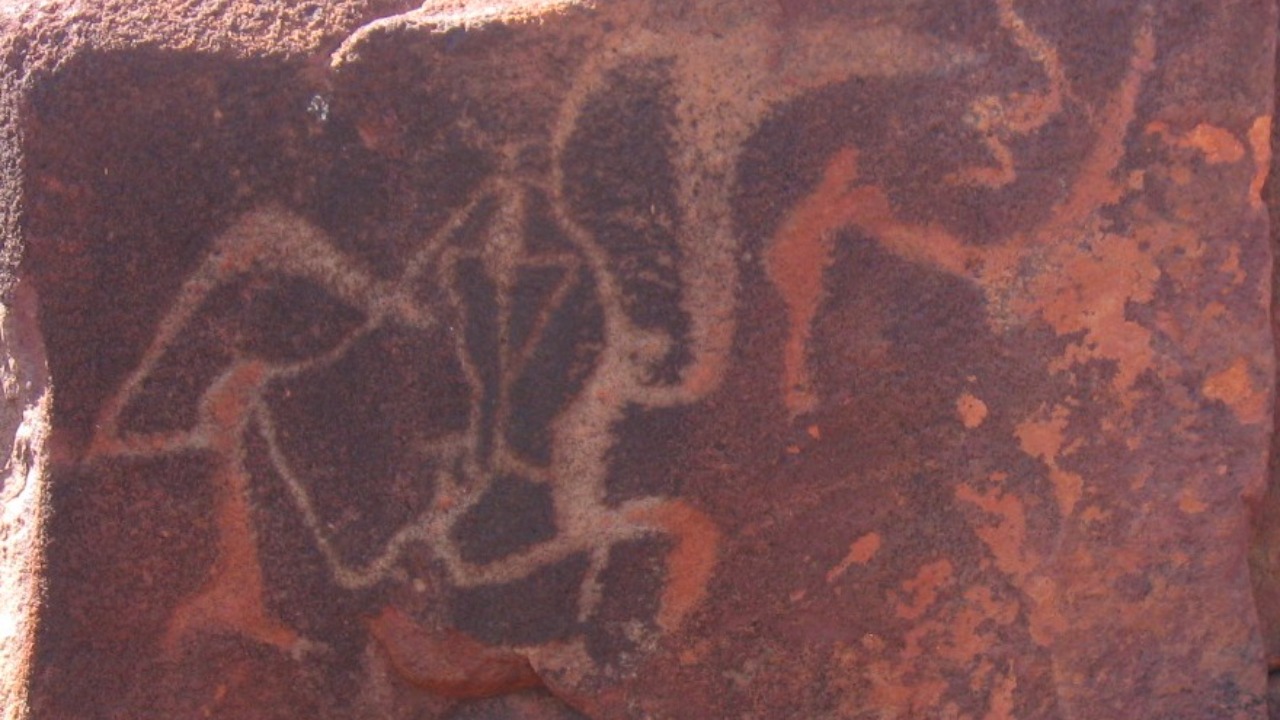
Aside from offering cultural insights, Australian rock art also aids in mapping the country’s prehistoric rivers and landforms. Detailed depictions of river systems correlate with the geographical layout of the region, allowing researchers to track the shifting courses of ancient rivers. This has led to new discoveries about Australia’s geographical history, including the existence of now-extinct rivers and lakes.
For instance, rock art sites like Pinetree and Burrup Peninsula have revealed information about past landscapes and water bodies. In these sites, art depicting certain marine species not found in the region today suggests the presence of larger bodies of water in the past. This use of rock art as geographical records is a testament to the scientific value of these ancient artworks.
Impact on Understanding Australia’s Environmental History
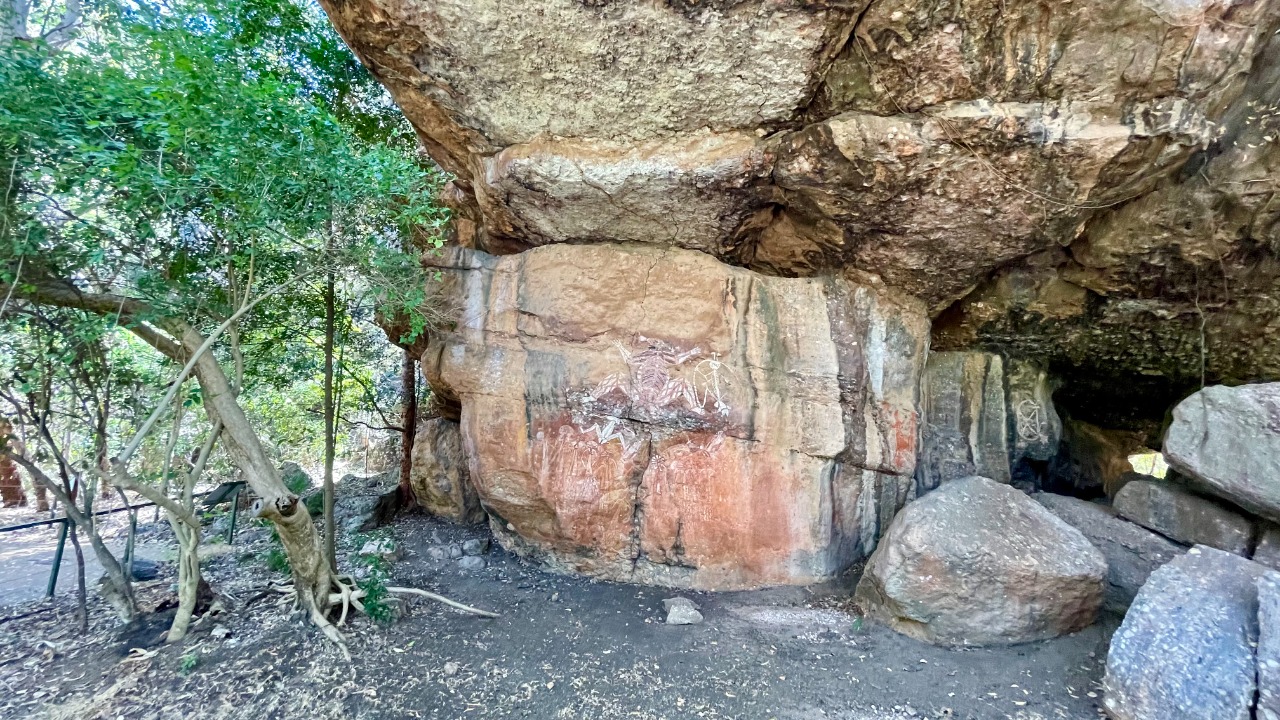
The study of rock art also illuminates the changes in Australia’s landscape and climate over thousands of years. Depictions of extinct animals, for example, provide evidence of shifts in fauna due to environmental changes. Additionally, changing representations of vegetation in the artwork over time indicate shifts in climate and the evolution of Australia’s unique flora.
The depicted rivers and water bodies played a significant role in shaping Australia’s distinctive biota. They served as corridors for the migration and dispersion of species, contributing to the biodiversity we see today. This understanding of the interaction between prehistoric Australians and their environment is a key aspect of Australia’s environmental history.
The Continuity and Evolution of Indigenous Culture
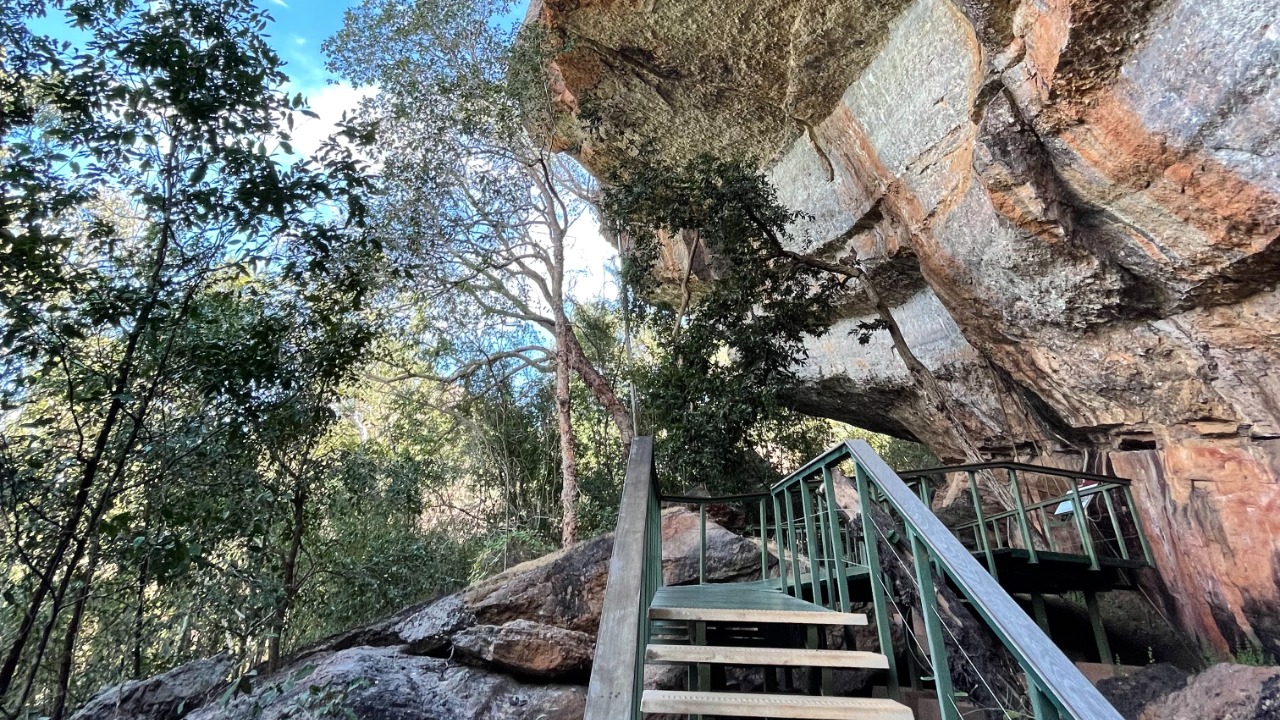
Rock art also provides insight into the continuity and evolution of indigenous culture. It illustrates cultural practices such as the use of fire for land management. Evidence of these practices, like systematic burns, can be seen in the landscape around rock art sites. Understanding these techniques is crucial, particularly in the context of contemporary land management practices, such as indigenous fire management.
The influence of changing landscapes and rivers on the evolution of indigenous culture is also visible in these artworks. As the environment transformed, so too did the culture, adapting to the changing resources, fauna, and climate. These shifts are reflected in the art, which evolved in style, content, and symbolism.
Preserving rock art is therefore of immense importance. It serves as a tangible record of Australia’s indigenous heritage, providing rare insights into a culture that has thrived for thousands of years. In addition to its historical and cultural value, rock art also offers a unique and vital resource for understanding our planet’s environmental past and the resilience of human societies in the face of change.
