
A newly-built 115-foot deep space antenna in Australia is poised to advance astronomical research by capturing signals from distant cosmic phenomena. This state-of-the-art facility, completed as of recent reports, enhances global efforts to decode the universe’s mysteries through deep space communications. Experts anticipate it will play a key role in unlocking secrets of the universe by facilitating data collection from far-reaching space probes and observatories.
The Antenna’s Design and Specifications
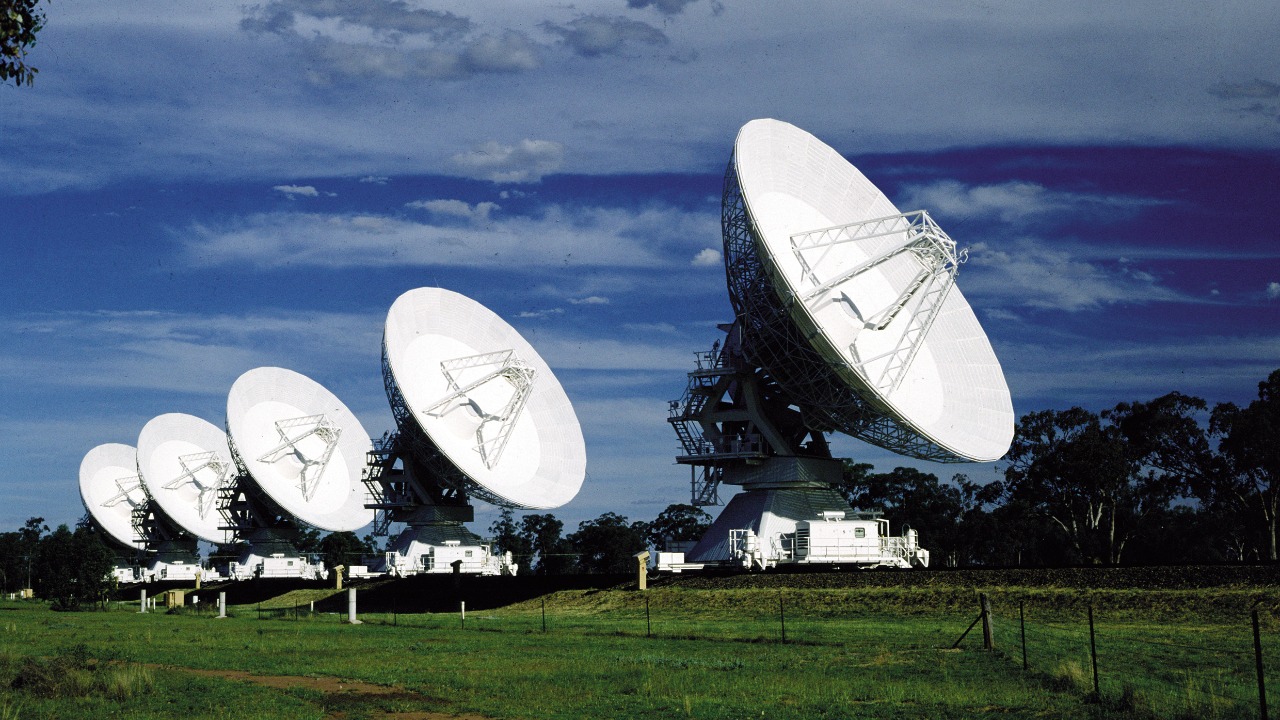
The newly-built deep space antenna in Australia boasts a 115-foot diameter, a feature that significantly enhances its capacity for high-precision signal reception. This impressive size allows the antenna to capture faint signals from the farthest reaches of space, making it an invaluable tool for astronomers and scientists. The engineering behind the antenna is tailored specifically for deep space operations, enabling it to track and communicate with spacecraft across vast distances. This capability is crucial for maintaining contact with interstellar missions and ensuring the continuous flow of data back to Earth.
As a newly-built addition to Australia’s space infrastructure, the antenna represents a significant investment in the country’s commitment to advanced radio astronomy. Its completion marks a milestone in enhancing Australia’s ability to support international space exploration efforts. The facility’s cutting-edge technology and design are expected to contribute to a deeper understanding of the universe, providing researchers with the tools they need to explore cosmic phenomena more effectively.
The antenna’s design incorporates advanced materials and engineering techniques to withstand the harsh conditions of space communication. Its structure is built to endure extreme temperatures and weather conditions, ensuring uninterrupted operation. The precision engineering involved in its construction allows for minimal signal distortion, which is crucial for accurate data transmission. Additionally, the antenna is equipped with state-of-the-art signal processing technology, enabling it to filter out noise and focus on the most relevant cosmic signals. This technological sophistication ensures that the antenna can support a wide range of scientific missions, from tracking spacecraft to studying distant galaxies.
Location and Strategic Importance in Australia
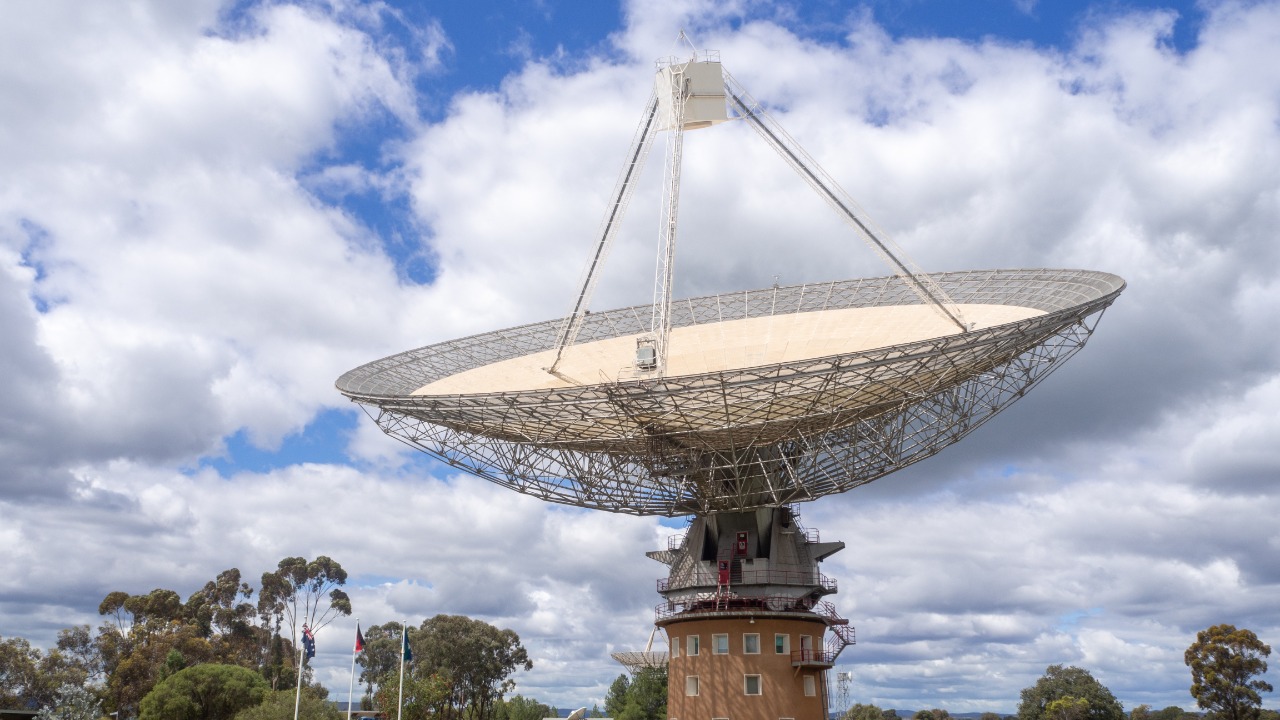
The strategic placement of the antenna in Australia was carefully chosen to optimize its geographic position, minimizing interference and maximizing sky coverage. This location is ideal for deep space signal detection, as it offers a clear view of the sky and reduces the potential for signal disruption from terrestrial sources. The environmental conditions at the site further enhance the antenna’s effectiveness, providing a stable and conducive environment for its operations.
Integrating this 115-foot antenna into existing Australian space networks strengthens global collaboration in space exploration. By connecting with other facilities around the world, the antenna helps form a comprehensive network capable of supporting a wide range of astronomical research initiatives. This integration not only boosts Australia’s role in international space efforts but also enhances the overall capacity for deep space communication and data collection.
The choice of location in Australia also leverages the country’s unique position in the southern hemisphere, providing a complementary perspective to northern hemisphere observatories. This geographical advantage allows for continuous monitoring of celestial events that may not be visible from other parts of the world. The site is also strategically positioned to collaborate with other international deep space networks, facilitating a seamless exchange of data and resources. This collaboration is vital for global space missions, as it ensures that no part of the sky is left unobserved, maximizing the potential for groundbreaking discoveries.
Potential Contributions to Unlocking Universe Secrets
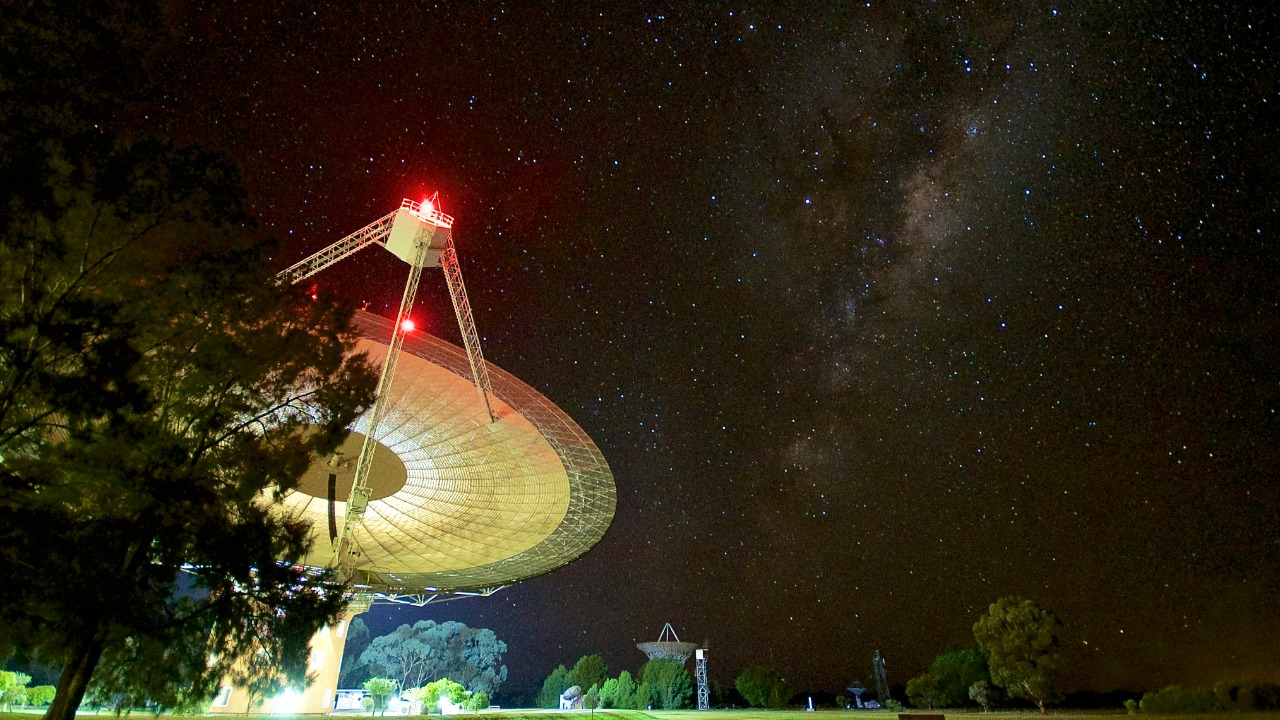
The deep space antenna is expected to play a pivotal role in unlocking the secrets of the universe by relaying data from interstellar missions. Its ability to amplify signals from distant cosmic events allows scientists to study phenomena that were previously beyond reach. This capability is particularly valuable for examining the origins and evolution of the universe, as well as understanding the fundamental forces that govern cosmic interactions.
Specific astronomical applications of the antenna include studying cosmic events such as supernovae, black holes, and other celestial phenomena. By capturing and analyzing signals from these events, researchers can gain insights into the processes that shape the universe. The antenna’s readiness as of the latest reports positions it as a key asset in future discoveries, building on its newly-built capabilities to address emerging questions in astronomy.
Beyond its immediate scientific applications, the antenna’s capabilities open up possibilities for educational and outreach programs, inspiring the next generation of astronomers and engineers. By providing real-time data and insights into cosmic phenomena, the facility can serve as a valuable educational resource, fostering interest in STEM fields. Furthermore, the antenna’s role in international collaborations highlights the importance of global partnerships in advancing our understanding of the universe. As countries work together to explore space, the shared knowledge and resources can lead to more comprehensive and diverse scientific inquiries.
Broader Implications for Space Exploration
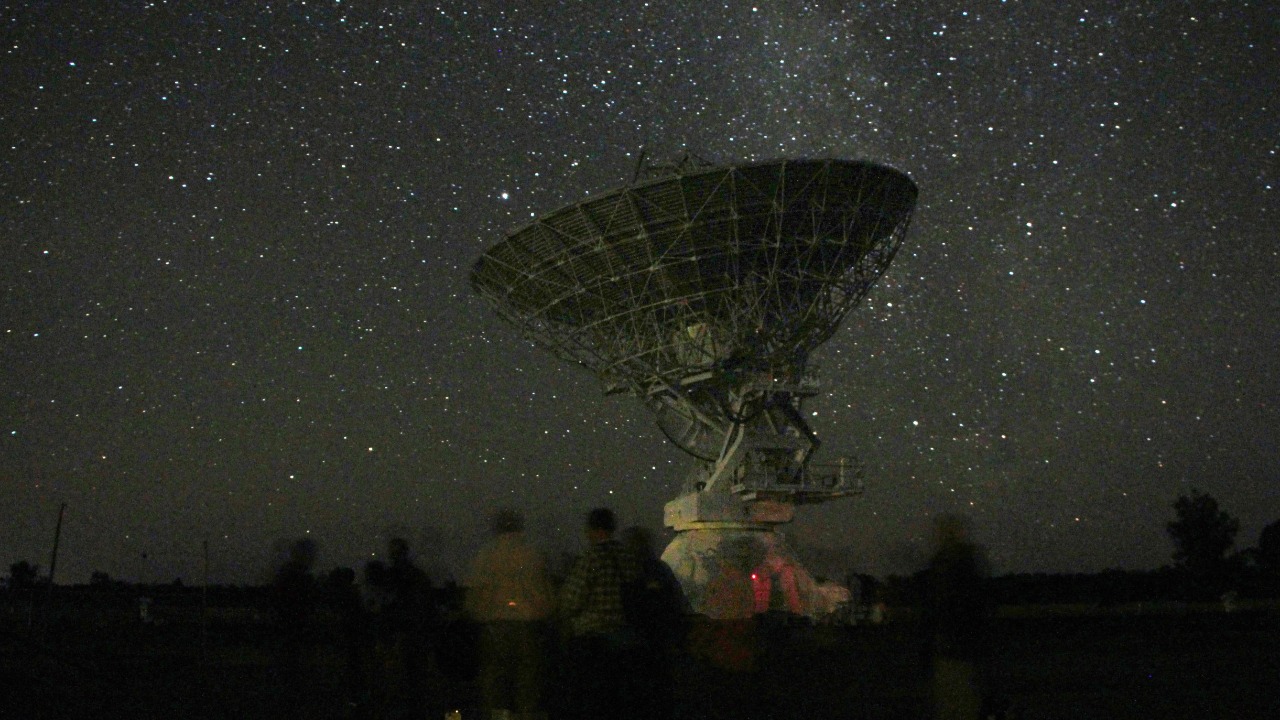
The impact of the antenna on international space agencies’ missions is significant, as its 115-foot structure provides a robust platform for long-range communications. This capability is essential for supporting missions that venture far beyond Earth’s orbit, ensuring that data can be transmitted back to researchers for analysis. The antenna’s contributions to these missions enhance our understanding of the universe and support the development of new technologies for space exploration.
Operating a deep space antenna in Australia presents challenges, including the need for regular maintenance and technological upgrades to keep pace with advancements in the field. However, the potential benefits far outweigh these challenges, as the facility is poised to evolve and address emerging questions about the universe’s origins and composition. By continuing to invest in and develop this infrastructure, Australia can maintain its position at the forefront of astronomical research and contribute to the global effort to explore the cosmos.
For more information, visit Interesting Engineering.
