A recent discovery by astronomers has sparked intrigue and curiosity in the scientific community. An object, exhibiting unusual characteristics and a rare orbit, has been found parked near Earth’s orbit. This article delves into the details of this celestial body, the techniques used to track it, and the implications of its interstellar origin.
Uncovering the Mystery Object
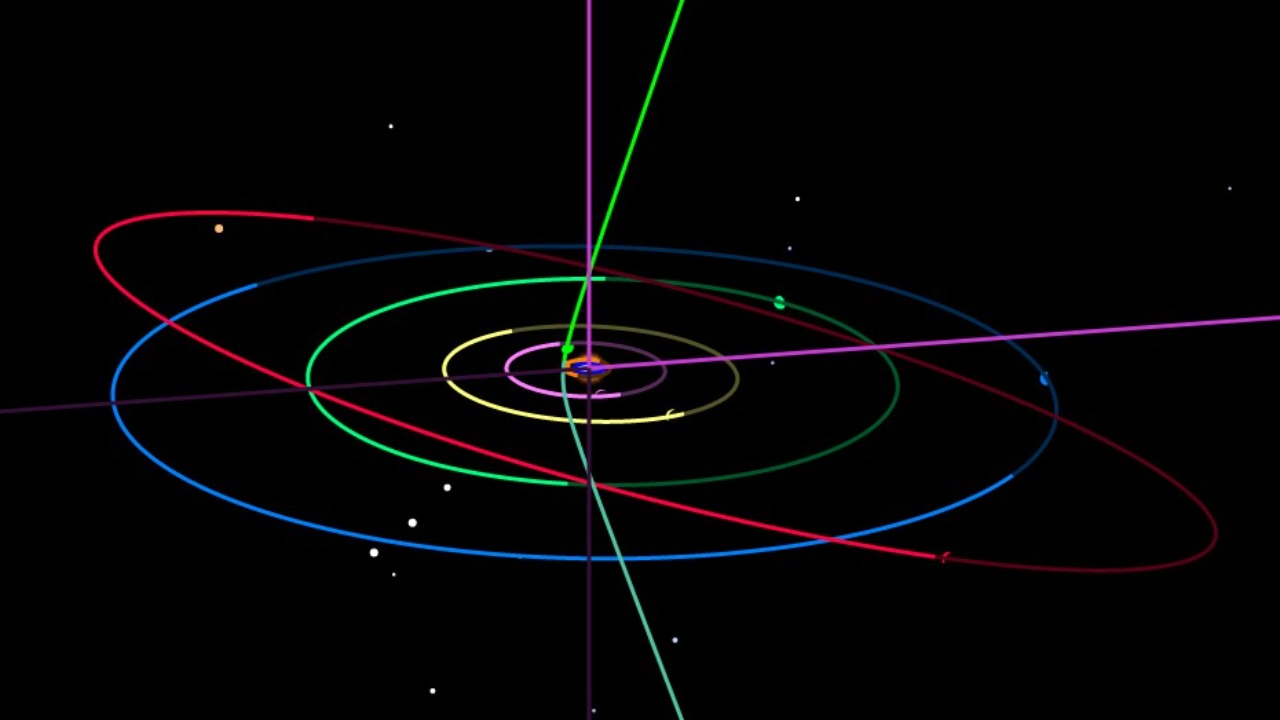
The object in question was first noticed by the European Space Agency (ESA), which has been diligently tracking its trajectory. According to the ESA, the object is a rare interstellar comet, a celestial body that originates from outside our solar system. Its unusual orbit, which is different from the typical elliptical or circular orbits of most celestial bodies, is what makes this discovery particularly fascinating.
Interstellar objects are considered rare due to their origin. Unlike the comets and asteroids that we commonly observe, which originate from within our solar system, interstellar objects are believed to have been ejected from other star systems. As such, they carry with them the potential to provide unique insights into the composition and characteristics of distant star systems.
Techniques Used in Tracking Celestial Bodies
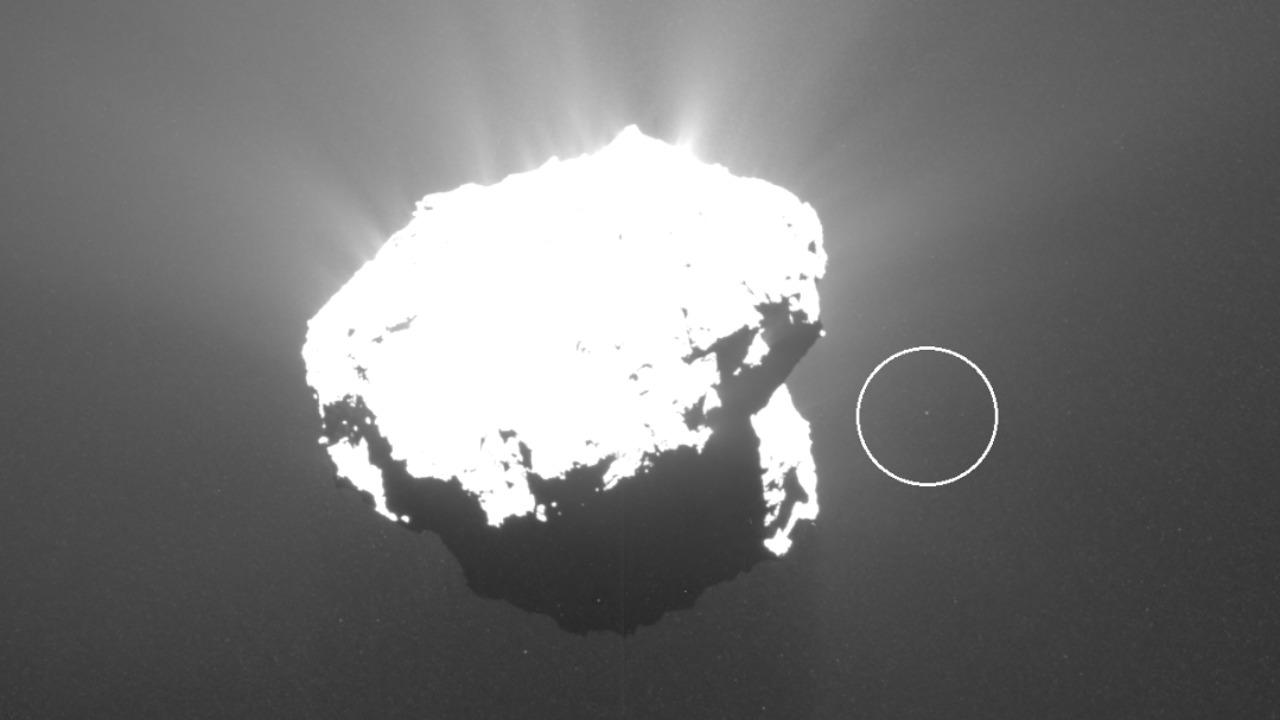
Astronomers employ a variety of methods to track objects in space. These techniques range from using ground-based telescopes to space-based observatories. For instance, the tracking of potential asteroid impacts, as reported by NPR, involves the use of both ground-based telescopes and radar systems. These tools allow astronomers to determine the size, shape, and trajectory of the object, enabling them to predict potential impacts with Earth.
In the case of the recently discovered interstellar object, astronomers likely used a combination of these techniques to detect and follow its path. Given its proximity to Earth’s orbit, ground-based telescopes would have been particularly useful in tracking its trajectory. Additionally, space-based observatories would have provided valuable data on the object’s composition and physical characteristics.
The Significance of the Object’s Interstellar Origin
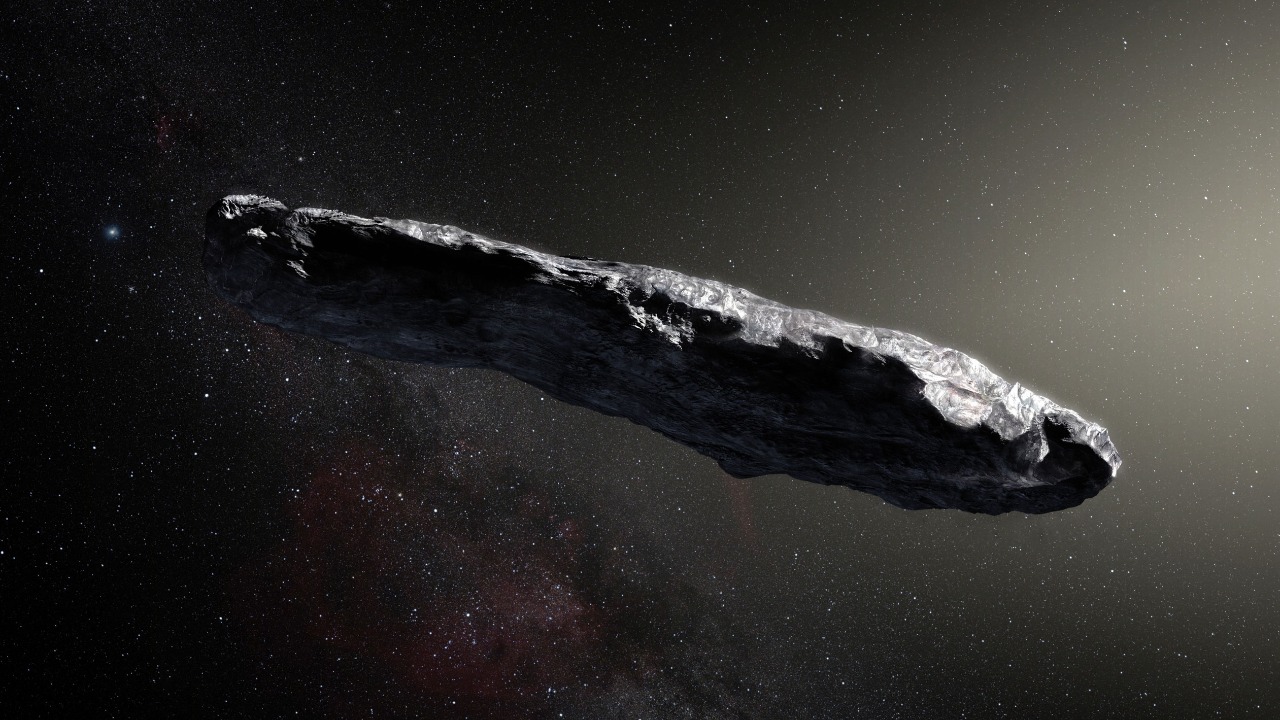
The term ‘interstellar’ refers to anything that originates outside of our solar system. This categorization is significant to astronomers because interstellar objects, like the one recently discovered, provide a rare opportunity to study material from other star systems. For instance, the interstellar object ‘Oumuamua, as reported by NASA, offered astronomers a unique glimpse into the properties of a distant star system.
The potential origins of the recently discovered object are intriguing. Given its interstellar nature, it is likely that the object was ejected from a distant star system. Its journey to our solar system would have been long and complex, potentially spanning millions or even billions of years. Studying this object could provide valuable insights into the processes that occur in other star systems and the vast interstellar space that separates them.
Possible Impact on Earth and Planetary Defense
While the discovery of an interstellar object near Earth’s orbit is exciting, it also raises concerns about potential impacts with Earth. As we’ve seen with the tracking of potential asteroid impacts, these celestial bodies can pose a significant risk. However, organizations like the ESA are continually monitoring these objects as part of their planetary defense initiatives.
These initiatives involve tracking and characterizing near-Earth objects, developing mitigation strategies, and coordinating international efforts for planetary defense. The discovery of the interstellar object will undoubtedly contribute to these efforts, providing valuable data that can be used to refine tracking techniques and impact prediction models.
Future Implications and Investigations

The discovery of this interstellar object has significant implications for future space research and exploration. It underscores the importance of continued monitoring of our cosmic neighborhood and the need for advanced tracking techniques. Furthermore, it highlights the potential for interstellar objects to provide unique insights into the broader universe.
Investigations related to the object are ongoing, with astronomers around the world eager to learn more about its composition and origin. These studies will undoubtedly contribute to our understanding of interstellar objects and their role in the cosmos. As we continue to explore the universe, discoveries like this remind us of the vastness of space and the endless possibilities for scientific discovery.
