Astronomers have identified a 15-degree tilt in the orbits of trans-Neptunian objects that could signal the presence of a new planet in the outer solar system, separate from the long-sought Planet Nine. This anomaly is proposed to stem from gravitational influences beyond Neptune, leading researchers to suggest a new hypothetical world named Planet Y. The tilt observation and Planet Y proposal emerged in reporting dated October 6, 2025, with additional details on unusual gravitational behavior following on October 7, 2025 (Source; Source).
The 15-Degree Tilt Discovery
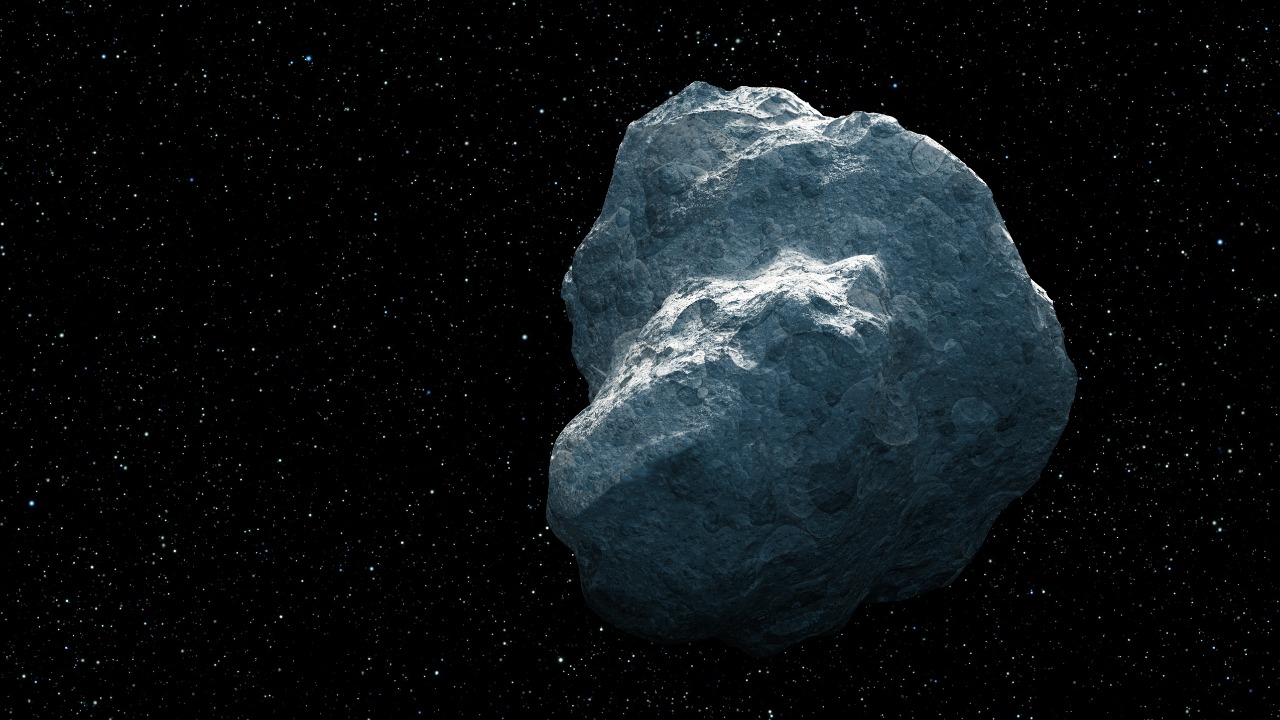
The observation of a 15-degree tilt in the orbital planes of distant solar system objects has intrigued astronomers, as it deviates from expected alignments. This tilt suggests the presence of an unseen massive body that is perturbing these orbits. The discovery, reported on October 6, 2025, highlights how these trans-Neptunian objects are not behaving as predicted, indicating a potential gravitational influence from an unknown source (Source).
Specifically, the tilt affects certain trans-Neptunian objects, which exhibit clustered behaviors that are inconsistent with current models of the solar system. These objects, located beyond Neptune, have shown a pattern that cannot be easily explained by known celestial bodies, prompting further investigation into the possibility of a new planet influencing their orbits (Source).
Further analysis of the tilt has revealed that it is not uniformly distributed among all trans-Neptunian objects, but rather affects a specific subset that shares certain orbital characteristics. This selective influence suggests that the perturbing body, potentially Planet Y, has a more complex gravitational interaction with these objects than initially thought. Researchers are now focusing on refining their models to better understand the dynamics at play, which could provide additional insights into the mass and orbit of the hypothesized planet (Source).
Proposal of Planet Y
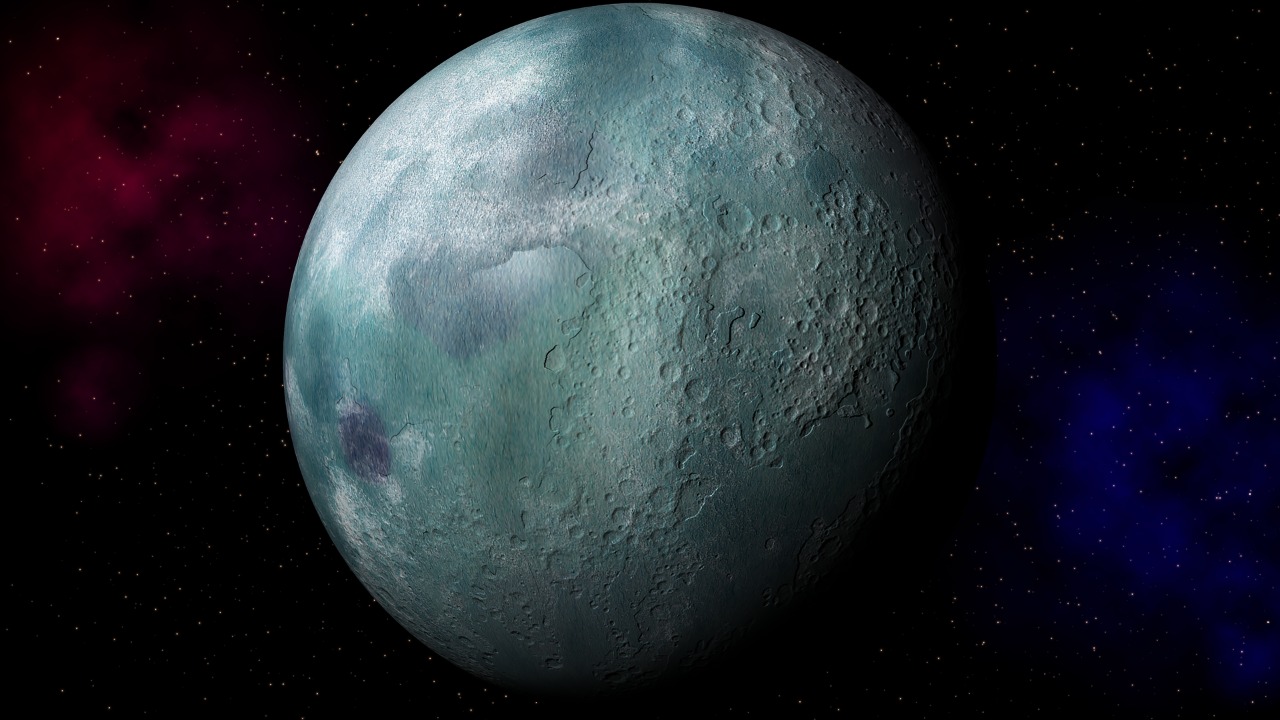
In light of these orbital anomalies, astronomers have proposed the existence of a new planet, tentatively named Planet Y, to account for the observed gravitational effects beyond Neptune. Planet Y is hypothesized to be a massive body whose gravitational pull could explain the unusual tilt and clustering of the trans-Neptunian objects (Source).
Planet Y’s potential characteristics, including its mass and distance from the Sun, have been inferred from the gravitational effects observed. These details, reported on October 7, 2025, suggest that Planet Y could be a significant addition to our understanding of the solar system’s outer regions. Astronomers have used advanced modeling techniques to propose Planet Y as the source of the tilt, providing a compelling explanation for the anomalies observed (Source).
To further substantiate the existence of Planet Y, astronomers are employing a range of observational techniques, including infrared surveys and radio telescopes, to detect any potential emissions or reflections from this distant body. These efforts are complemented by computer simulations that aim to predict the planet’s possible locations and characteristics. The combination of observational data and theoretical modeling is crucial in narrowing down the search area and increasing the likelihood of direct detection (Source).
Differences from Planet Nine
While the concept of Planet Nine has been a topic of interest for some time, the 15-degree tilt points to a perturber distinct from this hypothesized planet. Planet Nine was initially proposed to explain different clustering patterns among trans-Neptunian objects, but the specific tilt observed aligns more closely with the influence of Planet Y (Source).
Planet Y’s influence is characterized by its alignment with the 15-degree tilt, which differs from the effects predicted for Planet Nine. This distinction is crucial, as it suggests that Planet Y occupies a different location beyond Neptune, avoiding overlap with the regions targeted in Planet Nine searches. This separation allows astronomers to focus on new areas of the sky in their quest to confirm the existence of Planet Y (Source; Source).
Another key difference between Planet Y and the hypothetical Planet Nine is the proposed size and mass of these celestial bodies. While Planet Nine is theorized to be a super-Earth, Planet Y might be smaller, possibly akin to a mini-Neptune. This distinction in size could explain why Planet Y’s gravitational effects are more localized, affecting only certain trans-Neptunian objects. Understanding these differences is essential for astronomers as they refine their search strategies and develop new hypotheses about the formation and evolution of the solar system’s outer regions (Source).
Unusual Gravitational Behavior Explained
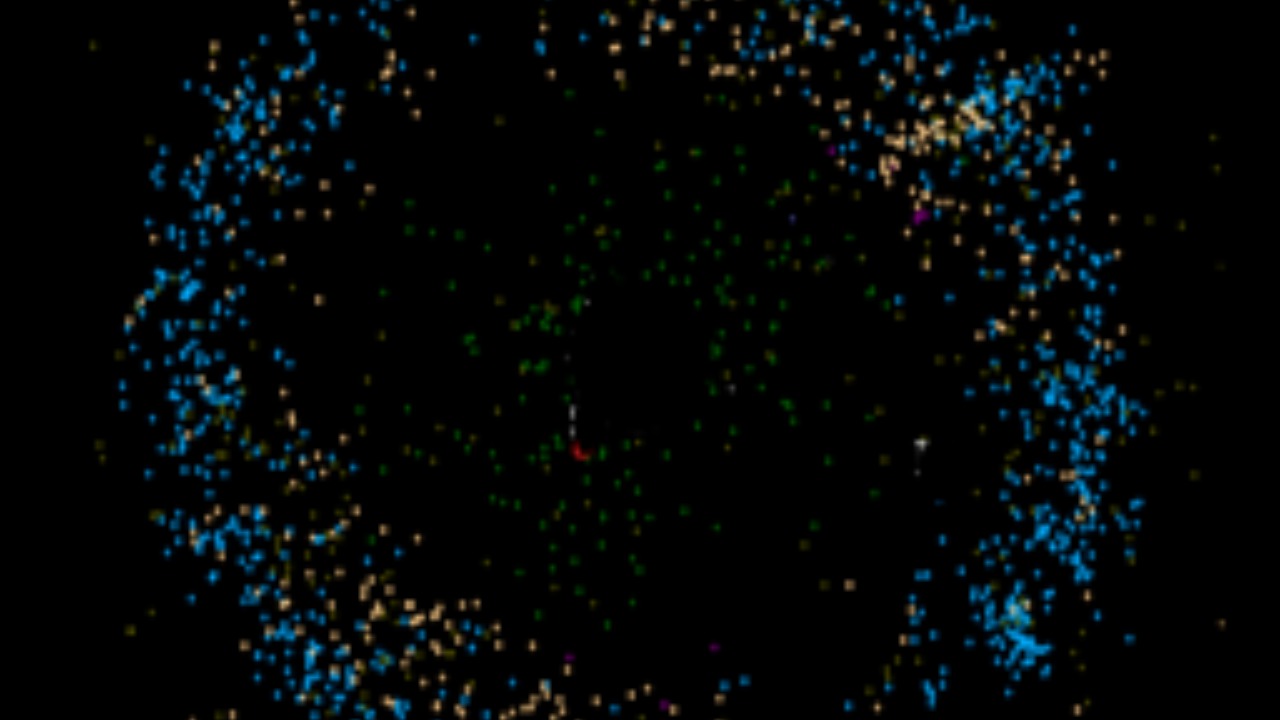
The unusual gravitational behavior observed in objects beyond Neptune is a key factor in the proposal of Planet Y. This behavior, detailed on October 7, 2025, includes deviations in the orbits of Kuiper Belt objects that can be attributed to the gravitational influence of Planet Y. These deviations provide critical evidence supporting the existence of this new planet (Source).
Examples of affected Kuiper Belt objects show significant deviations from their expected paths, which align with the gravitational pull of a massive body like Planet Y. By integrating the 15-degree tilt into models of this gravitational anomaly, astronomers have strengthened the case for Planet Y as a major player in the dynamics of the outer solar system (Source; Source).
In addition to the tilt, the gravitational anomalies observed include unexpected variations in the orbital speeds of some Kuiper Belt objects. These variations suggest that Planet Y could be exerting a periodic gravitational influence, potentially causing these objects to accelerate or decelerate as they pass through certain regions of their orbits. Such findings are pivotal in constructing a more comprehensive model of the outer solar system, which could reveal new insights into the distribution of mass and the gravitational landscape beyond Neptune (Source).
