Astronomers have recently detected a star emitting pulses that resemble artificial signals, sparking curiosity and debate in the scientific community. These unusual signals have raised questions about the possibility of extraterrestrial intelligence and the natural phenomena that could mimic such patterns. This discovery has prompted a thorough investigation into the star’s behavior, shedding light on the mysteries of the cosmos.
The Discovery of the Pulsating Star
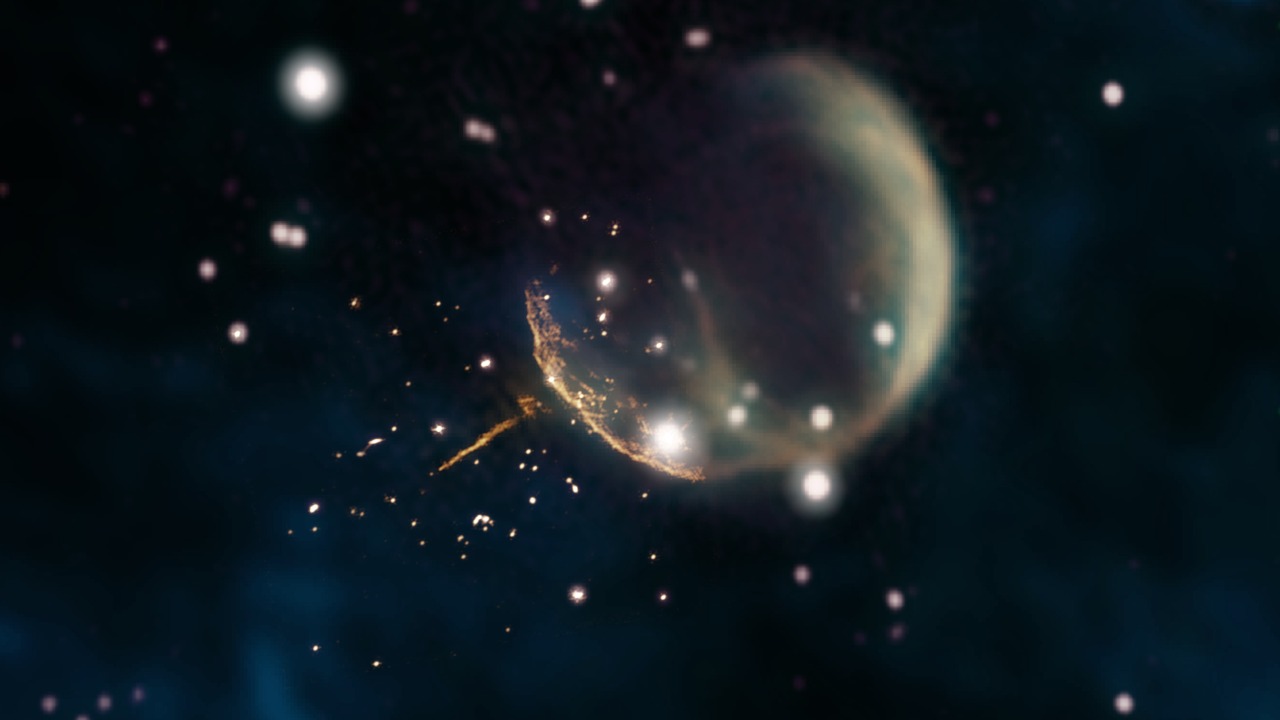
The star in question is located in a distant region of our galaxy, characterized by its unique spectral properties and position within a cluster of similarly aged stars. Initial observations were made using the latest generation of radio telescopes, which are capable of detecting faint signals from across the universe. The star’s emissions were first noticed during a routine survey of the sky, where its unusual pulse pattern stood out against the backdrop of typical stellar noise.
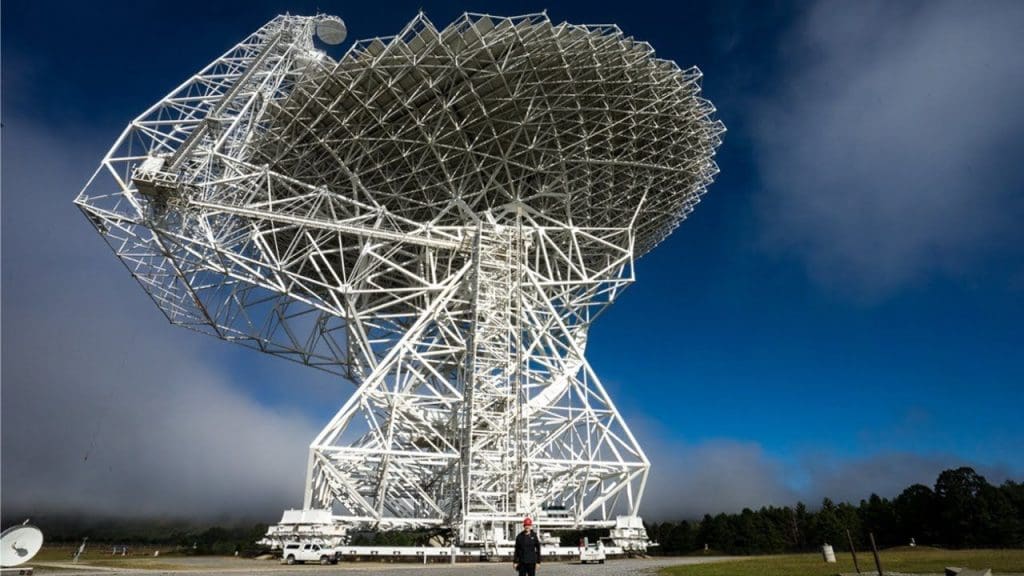
These artificial-like pulses were detected using advanced instruments such as the Square Kilometre Array (SKA) and the Very Large Array (VLA), which are renowned for their sensitivity and precision. The discovery was made possible by the integration of cutting-edge technology that allows astronomers to sift through vast amounts of data to identify anomalies that warrant further investigation.
Analyzing the Unusual Pulses

The pulse patterns emitted by the star are characterized by their regularity and frequency, which differ significantly from the erratic signals typically associated with natural stellar phenomena like pulsars or quasars. These pulses exhibit a consistent interval and amplitude, leading some researchers to speculate about their artificial nature. The signals are unlike anything previously recorded, prompting a detailed analysis to determine their origin.
In comparing these signals to known natural phenomena, scientists have considered various possibilities, including the presence of a binary star system or interactions with a nearby celestial body. However, none of these explanations fully account for the precise regularity of the pulses. This has led to discussions about whether these signals could be a form of communication from an advanced extraterrestrial civilization, although such conclusions remain speculative at this stage.
The Search for Extraterrestrial Intelligence
The search for extraterrestrial intelligence (SETI) has a long history, dating back to the mid-20th century when scientists first began scanning the skies for signs of alien life. This recent discovery has reignited interest in SETI, as the artificial-like nature of the pulses aligns with the type of signals researchers have long hoped to find. The possibility that these signals could be of extraterrestrial origin has significant implications for our understanding of life beyond Earth.
Experts in the field have weighed in on the likelihood of an artificial source, with opinions varying widely. Some scientists caution against jumping to conclusions, emphasizing the need for rigorous analysis and peer review. Others are more optimistic, suggesting that even if the signals are not of alien origin, they could still reveal new insights into the behavior of stars and the dynamics of our galaxy.
Technological and Methodological Advances

The discovery of these unusual pulses was made possible by recent advancements in astronomical technology and methodology. Innovations such as machine learning algorithms and enhanced data processing techniques have enabled researchers to analyze vast datasets with unprecedented speed and accuracy. These tools have been instrumental in identifying the unique characteristics of the star’s emissions.
International collaboration has also played a crucial role in this discovery. By pooling resources and expertise from around the world, astronomers have been able to conduct a comprehensive analysis of the data, ensuring that all possible explanations are considered. This collaborative approach is likely to continue shaping future research, as scientists work together to unravel the mysteries of the universe.
Implications for Our Understanding of the Universe

The potential implications of these findings are profound, challenging existing astrophysical theories and models of star behavior. If the signals are indeed artificial, they could represent the first evidence of intelligent life beyond Earth, fundamentally altering our understanding of the cosmos. Even if the signals are ultimately determined to be natural, they may still provide valuable insights into the processes that govern stellar evolution and behavior.
Beyond the scientific implications, this discovery raises broader philosophical questions about our place in the universe and the possibility of other intelligent civilizations. The prospect of communicating with extraterrestrial beings, or even just confirming their existence, would have far-reaching consequences for humanity, prompting us to reconsider our assumptions about life and intelligence in the cosmos.
