Astronomers have detected a mysterious rogue planet that devours matter like a star, consuming six billion tons of gas and dust every second while growing at a record-breaking speed. This anomalous object, which defies existing planetary models and isn’t even supposed to exist, was caught in the act through recent observations. These findings also reveal a white dwarf devouring a frozen Pluto-like world, highlighting an unprecedented rate of material consumption and challenging our understanding of rogue bodies in space.
The Anomalous Nature of the Rogue Planet
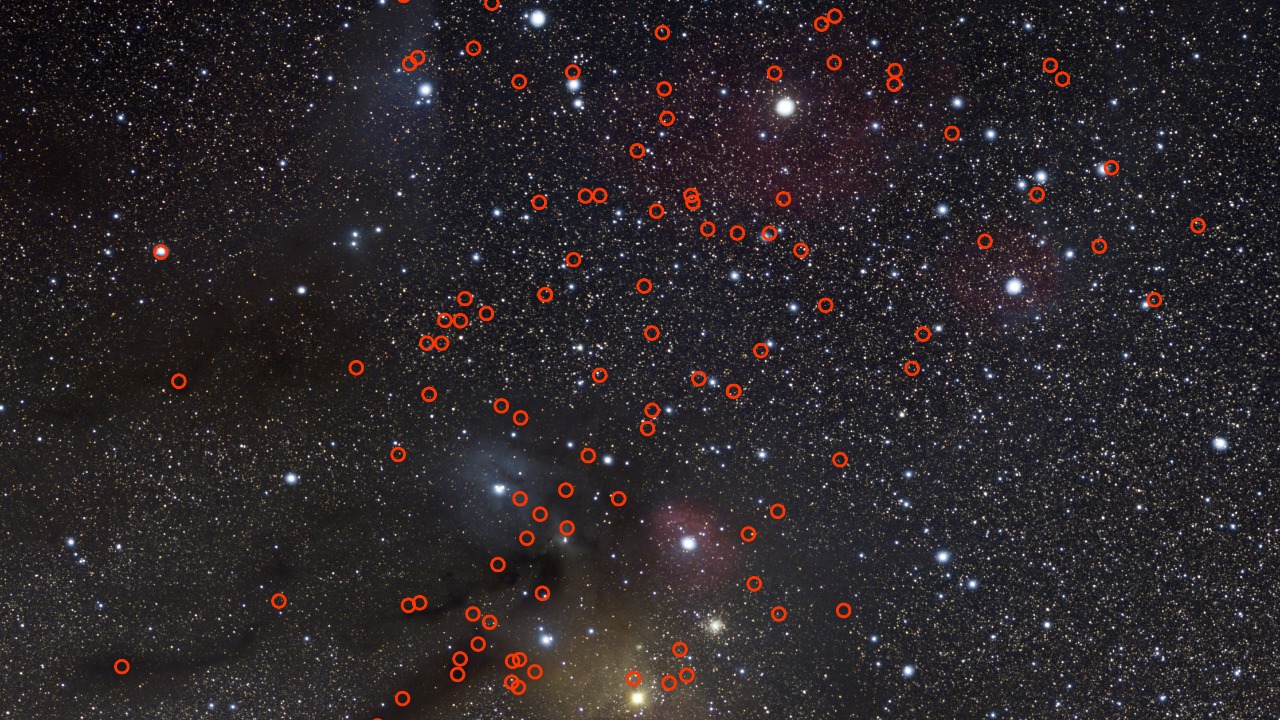
The discovery of this rogue planet has left astronomers puzzled, as it defies current astronomical models. According to MSN, the planet behaves in a manner typically associated with stars, devouring matter at an extraordinary rate. This behavior is not expected from a planetary body, making its existence a significant anomaly in the field of astronomy.
Unlike typical planets, this rogue planet exhibits star-like consumption patterns, consuming vast amounts of gas and dust. As reported by CBS News, the planet’s ability to gobble up six billion tons of material every second is unprecedented. This discovery challenges the conventional understanding of what constitutes a planet and how such bodies interact with their surroundings.
The mysterious nature of this rogue planet is further emphasized by its classification as a rogue planet, which typically refers to planetary bodies that do not orbit a star. This characteristic, combined with its star-like behavior, makes it a unique and intriguing object of study for astronomers, as noted by CBS News.
Further complicating the understanding of this rogue planet is its apparent ability to maintain stability while consuming such vast quantities of matter. Typically, a planet’s gravitational forces would be insufficient to manage the influx of material at this scale without destabilizing. This suggests that the rogue planet might possess an unusually strong gravitational field or other unknown mechanisms that allow it to sustain such activity. As noted by MSN, the planet’s behavior is not only an anomaly but also a potential indicator of new physics at play in planetary science.
Rate of Matter Consumption
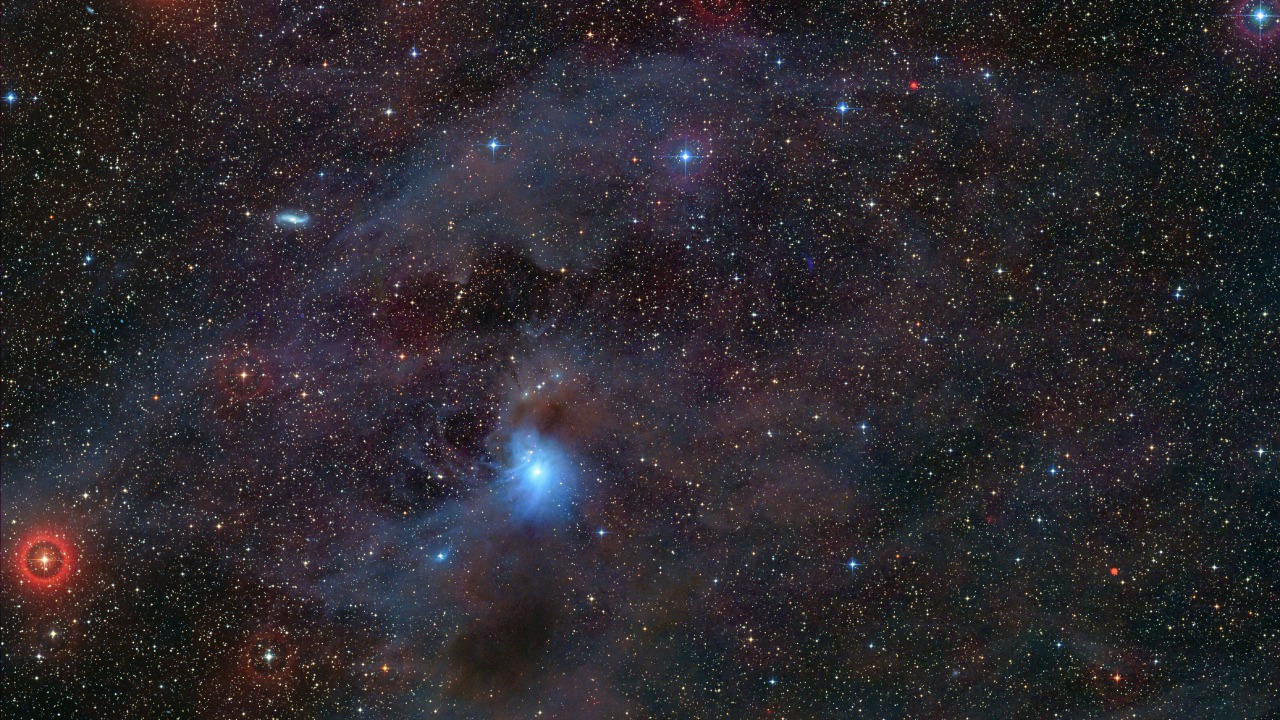
The rogue planet’s rate of matter consumption is staggering, with reports from ZME Science highlighting its ability to devour six billion tons of gas every second. This rate of consumption is not only record-breaking but also challenges existing theories about how rogue planets can accumulate mass.
According to Orbital Today, the planet’s growth at this unprecedented speed suggests new mechanisms for rogue objects to accrete mass. This finding prompts a reevaluation of how such bodies form and evolve in the absence of a host star.
The implications of this discovery extend beyond the rogue planet itself, as it provides new insights into the behavior of similar objects in space. The planet’s ability to consume such vast amounts of material raises questions about the potential for other rogue planets to exhibit similar characteristics, as noted by ZME Science.
Interestingly, the rogue planet’s consumption rate might also provide clues about the composition of the surrounding space environment. The ability to absorb six billion tons of gas and dust per second implies a dense and rich circumstellar medium, which could be a remnant of a previous stellar explosion or a dense molecular cloud. This environment might be facilitating the planet’s rapid growth, offering a unique laboratory for studying accretion processes in isolated planetary bodies. As highlighted by Orbital Today, understanding these conditions could shed light on similar phenomena elsewhere in the universe.
Related Observations of Devouring Objects
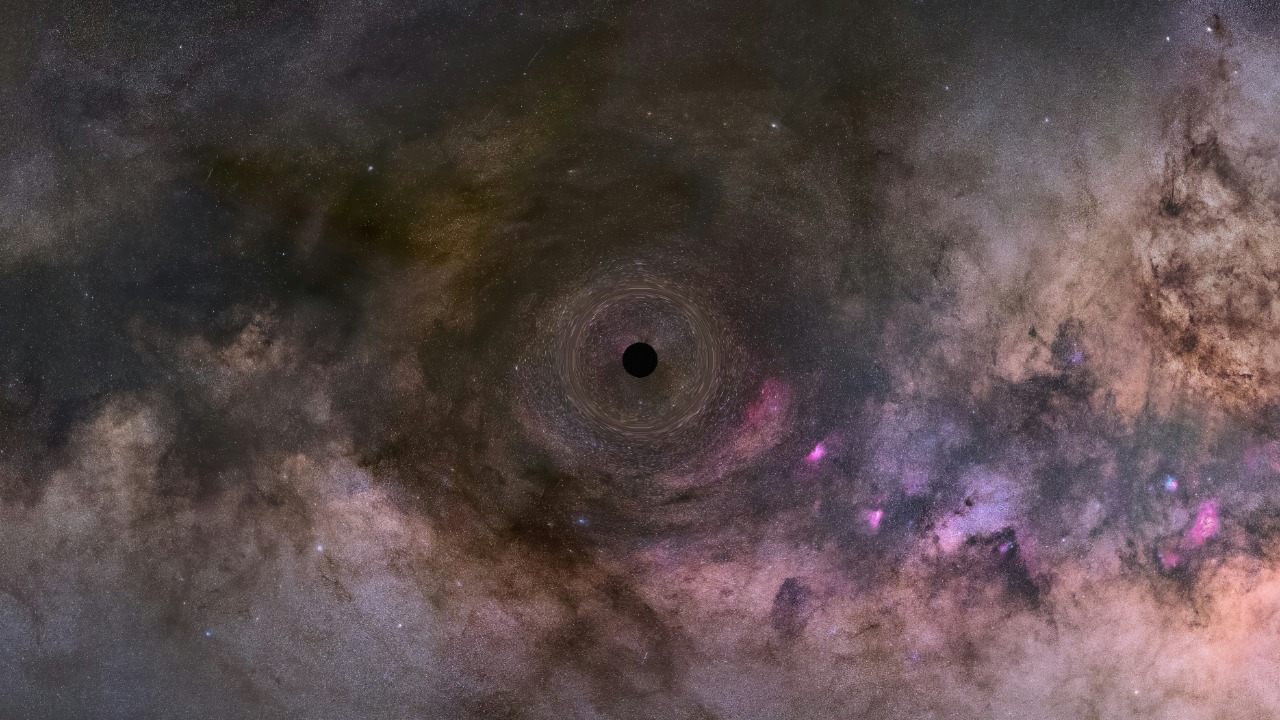
In addition to the rogue planet, astronomers have observed a white dwarf devouring a frozen Pluto-like world. This observation, reported by Science Daily, ties into broader reports of rogue planetary bodies consuming material at extraordinary rates. The detection of such events emphasizes the planet’s star-like devouring process and potentially links to white dwarf activities.
The phenomenon of celestial bodies consuming others is not entirely new, but the rate and scale at which this rogue planet operates are unprecedented. As noted by MSN, these observations highlight the need for further study into the mechanisms driving such consumption and the potential implications for planetary formation theories.
These findings suggest that the processes observed in the rogue planet might not be isolated incidents. Instead, they could represent a broader class of celestial phenomena that challenge our understanding of planetary and stellar interactions, as highlighted by Science Daily.
The observation of a white dwarf consuming a Pluto-like world adds another layer of complexity to our understanding of celestial consumption. This event, as reported by Science Daily, suggests that such interactions might be more common than previously thought, potentially occurring in various forms across the galaxy. The dynamics of these interactions could reveal new insights into the life cycles of planetary systems and the fate of planets in close proximity to dying stars. These observations also raise questions about the potential for rogue planets to interact with other celestial bodies in similar ways, further challenging existing models of planetary behavior.
Implications for Astronomy

The existence of this rogue planet challenges conventional theories on planetary formation and behavior outside solar systems. According to MSN, the planet’s anomalous characteristics necessitate a reevaluation of existing models and theories.
Its record-breaking growth rate of six billion tonnes per second, as reported by Orbital Today, suggests new mechanisms for rogue objects to accrete mass. This discovery could lead to new insights into the formation and evolution of planetary bodies in the absence of a host star.
The discovery of this rogue planet and its extraordinary behavior prompts a reevaluation of similar events, such as white dwarfs interacting with Pluto-like worlds. As noted by Science Daily, these findings could have significant implications for our understanding of celestial dynamics and the processes that govern the universe.
These discoveries underscore the importance of continued observation and study of rogue planets and similar celestial phenomena. As noted by ZME Science, the implications for planetary formation theories are profound, potentially leading to a paradigm shift in how astronomers understand the evolution of planets outside traditional solar systems. The rogue planet’s behavior could also inform the search for exoplanets, offering new criteria for identifying and classifying these distant worlds. Moreover, the study of such anomalies might reveal unknown aspects of gravitational dynamics and material accretion, contributing to a broader understanding of the universe’s complexities.
