Astronomers have recently recorded the brightest gamma-ray burst (GRB) ever observed, a celestial event that has captured the attention of the scientific community worldwide. This monumental discovery not only sheds light on the dynamics of gamma-ray bursts but also offers a unique opportunity to explore the mysteries of the universe. With researchers across the globe diving into the data, this phenomenon is poised to redefine our understanding of cosmic explosions.
The Phenomenon of Gamma-Ray Bursts
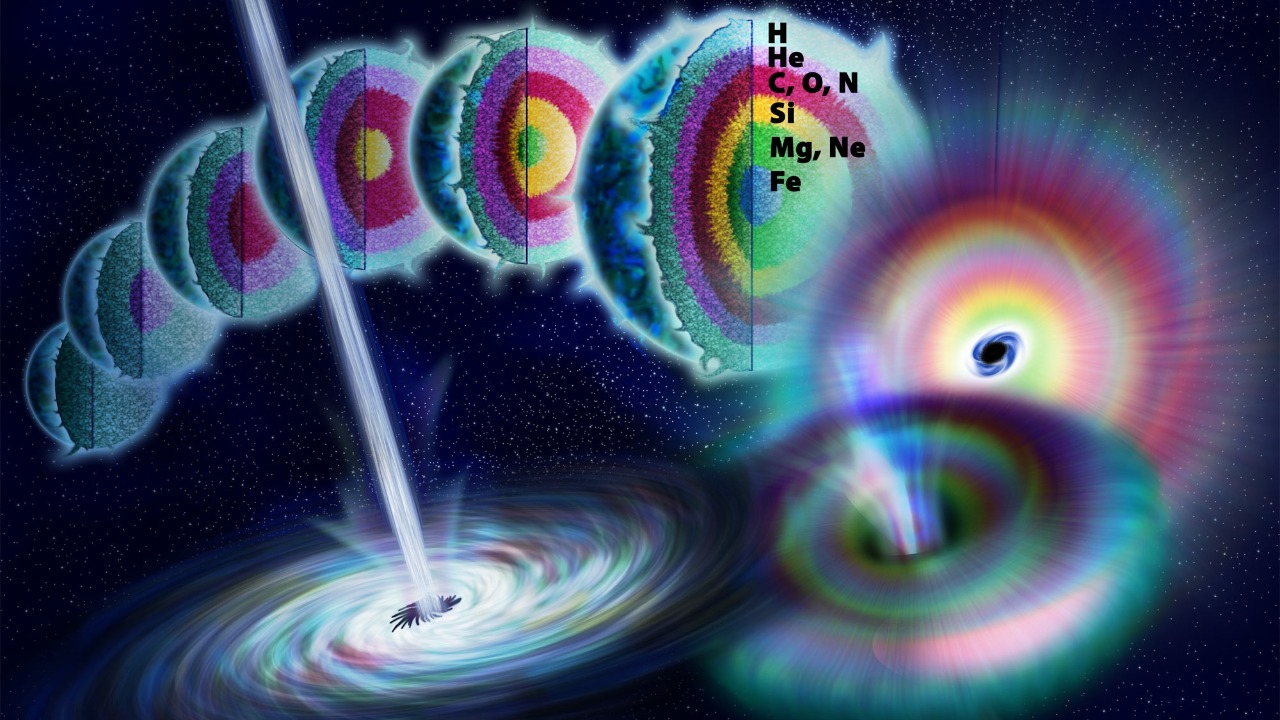
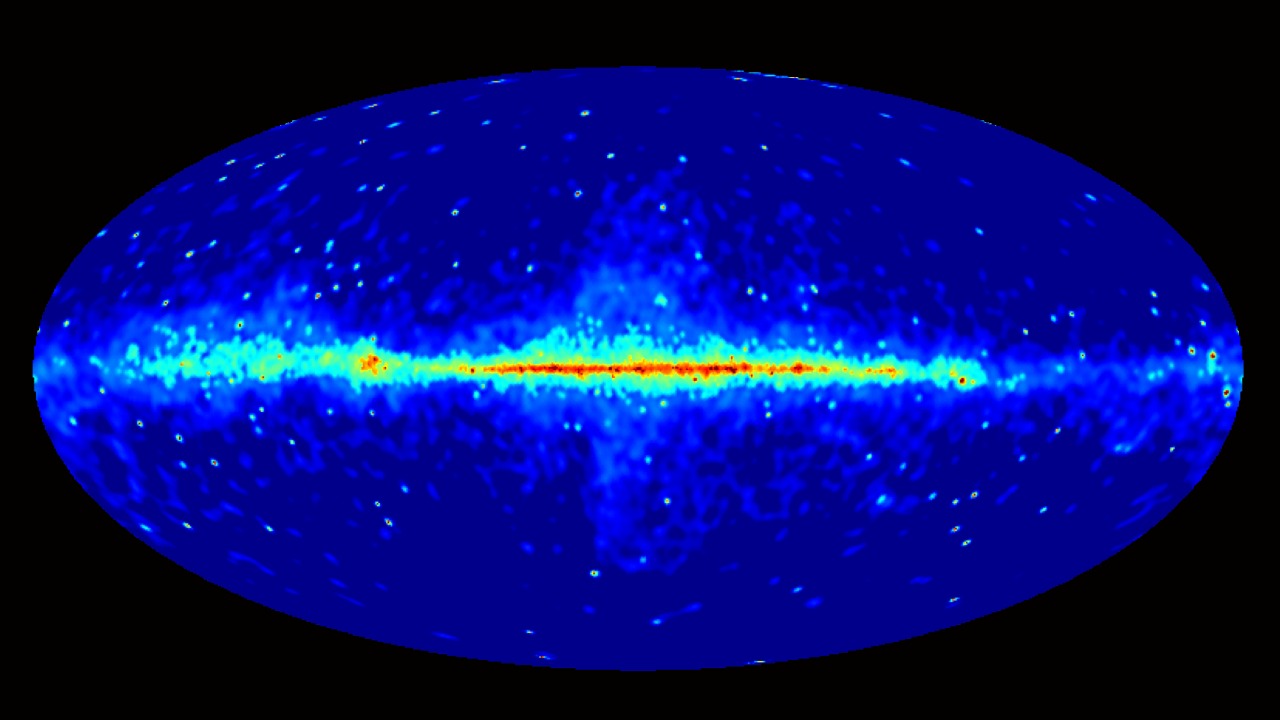
Gamma-ray bursts are among the most energetic and luminous events known to occur in the universe. They are brief but intense emissions of gamma radiation, typically lasting from a few milliseconds to several minutes. These bursts are detected by satellites equipped with gamma-ray detectors, such as NASA’s Fermi Gamma-ray Space Telescope and the Swift Observatory, which are designed to capture these fleeting cosmic events. What distinguishes gamma-ray bursts from other cosmic phenomena is their intense brightness and the speed at which they emit energy, often outshining entire galaxies.
Historically, gamma-ray bursts have been a subject of fascination and intrigue ever since their serendipitous discovery in the late 1960s by military satellites. Notable past events include the GRB 080319B, which was so luminous it was visible to the naked eye despite occurring billions of light-years away. The recent discovery, however, exceeds all previous records, positioning it as the most brilliant gamma-ray burst ever observed, offering a rare glimpse into the extreme conditions of the universe.
The Record-Breaking Discovery

The brightest gamma-ray burst was detected on a seemingly ordinary day, yet the event itself was anything but. Observatories around the world, from ground-based telescopes to spaceborne satellites, collaborated to capture this extraordinary occurrence. Initial detection came from the Fermi Gamma-ray Space Telescope, which alerted astronomers to the event’s unprecedented brightness. Follow-up observations were quickly coordinated, involving an array of telescopes and satellites, highlighting the crucial role of international collaboration in modern astronomy.
The success of this discovery can be attributed to recent technological advancements in gamma-ray detection and data analysis. Instruments with enhanced sensitivity and resolution allow for the capture of more detailed data than ever before, providing researchers with a wealth of information to analyze. The collaborative efforts of scientists and the use of cutting-edge technologies have paved the way for this breakthrough, demonstrating the power of global scientific cooperation in unraveling the universe’s deepest secrets.
Implications for Astrophysics and Cosmology
This record-breaking gamma-ray burst offers profound insights into the collapse of massive stars, a process that remains enigmatic despite decades of research. By studying the light curves and spectral data from this event, astronomers can gain a better understanding of the mechanisms driving stellar evolution and the eventual fate of massive stars. Such discoveries are crucial for piecing together the life cycles of stars, which play a pivotal role in shaping the cosmic landscape.
Gamma-ray bursts provide a unique opportunity to probe the universe’s structure and evolution. Their immense energy output can influence galaxy formation and enrich the interstellar medium with heavy elements. By analyzing the distribution and frequency of gamma-ray bursts, researchers can glean insights into the processes that govern the universe’s large-scale structure. This discovery not only advances our understanding of gamma-ray bursts themselves but also deepens our comprehension of the broader cosmological context.
Challenges and Mysteries Ahead
Despite the wealth of data obtained from this event, many questions remain unanswered. Scientists are particularly interested in understanding the precise mechanisms that trigger such powerful explosions and the role of magnetic fields in shaping the burst’s characteristics. Ongoing research aims to decode these mysteries by delving into the complex interactions between the various components involved in gamma-ray bursts.
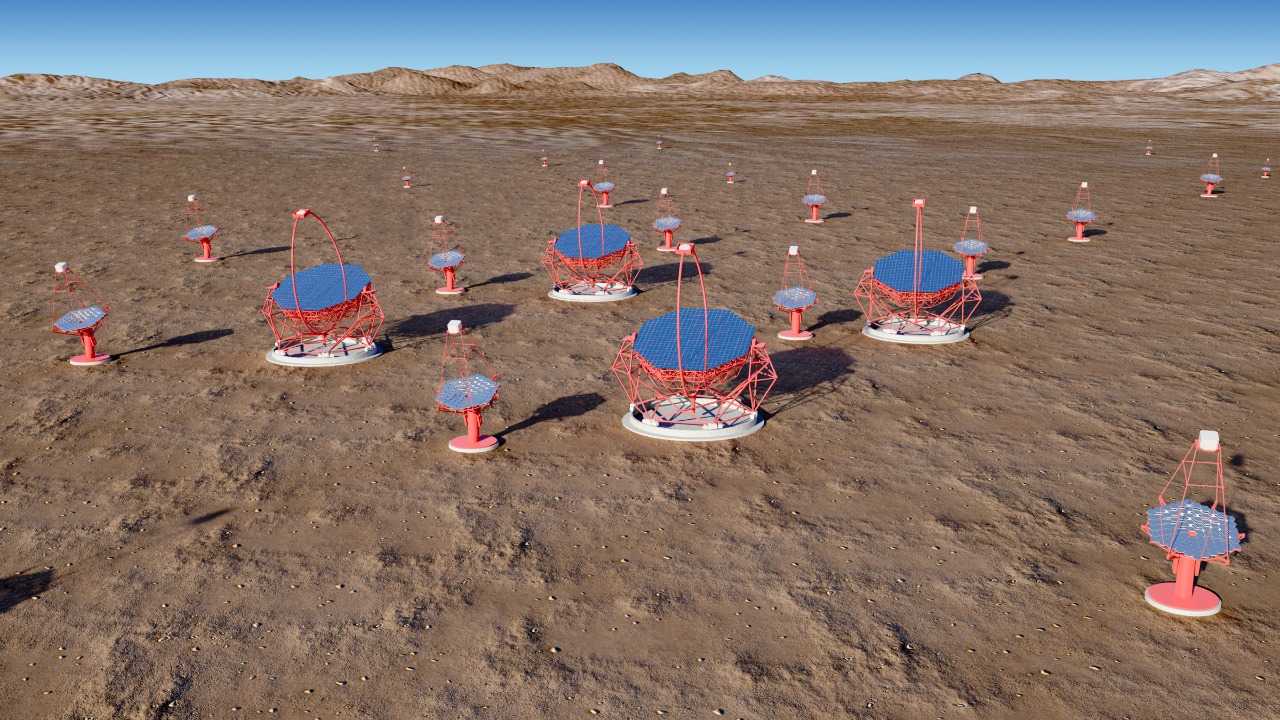
The future of gamma-ray burst studies looks promising, with upcoming missions and technologies poised to revolutionize the field. Projects like the Cherenkov Telescope Array and the Einstein Probe are set to enhance our observational capabilities, allowing for more detailed studies of these enigmatic phenomena. The potential for new discoveries and breakthroughs is immense, as researchers continue to push the boundaries of our understanding of the universe.
The Broader Impact on Science and Society

The discovery of the brightest gamma-ray burst presents a unique opportunity for educational and public engagement. By sharing the excitement of this celestial event, educators and scientists can inspire future generations to pursue careers in science and technology. Public outreach initiatives, such as planetarium shows and online resources, help demystify complex astronomical concepts and foster a sense of wonder about the universe.
Beyond its scientific implications, this discovery highlights the interplay between scientific advancement and technological innovation. Breakthroughs in astronomy often drive the development of new technologies, which can have far-reaching applications beyond space research. Investing in space exploration and research not only expands our understanding of the cosmos but also yields tangible benefits for society, from technological advancements to economic growth.
As we continue to explore the cosmos, the brightest gamma-ray burst ever observed serves as a testament to the power of human curiosity and collaboration. It is a reminder of the endless possibilities that await us in the vast expanse of the universe and the potential for future discoveries that could reshape our understanding of existence itself.
