For the first time, astronomers have successfully observed a planet in the midst of its formation, a groundbreaking achievement that provides invaluable insights into the processes that shape planetary systems. This unprecedented observation was made possible by the latest advancements in astronomical technology, which allow scientists to peer into the heart of a distant solar nebula, where nascent planets are born.
The Discovery of HOPS 315
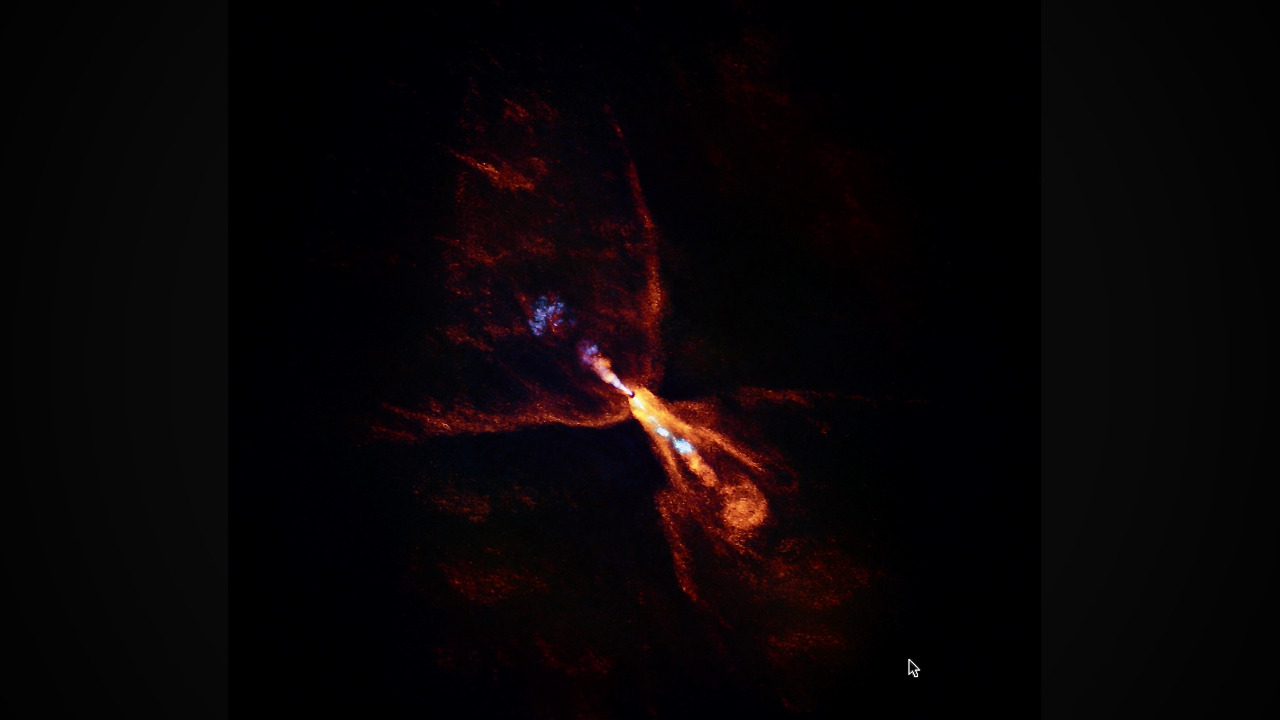
In a monumental step forward for astronomy, scientists have captured the first-ever images of a planet forming around HOPS 315, a young star enveloped by a protoplanetary disk. This young star system, located several light-years away from Earth, has long been a subject of interest due to its rich surroundings of gas and dust—ideal conditions for planet formation. Until now, direct observation of these processes was out of reach, but the discovery of a nascent planet within HOPS 315’s disk marks a significant breakthrough in our understanding of how planets develop.
To capture this rare phenomenon, astronomers employed a combination of advanced telescopes and imaging techniques. Using instruments like the Atacama Large Millimeter/submillimeter Array (ALMA) in Chile, scientists were able to penetrate the dense clouds surrounding HOPS 315. The use of high-resolution imaging allowed researchers to discern the telltale signs of a forming planet, including the distinctive gaps in the protoplanetary disk caused by the planet’s gravitational influence. This observation not only validates theoretical models of planet formation but also offers tangible evidence of these dynamic processes in action.
Significance of Observing Planetary Formation
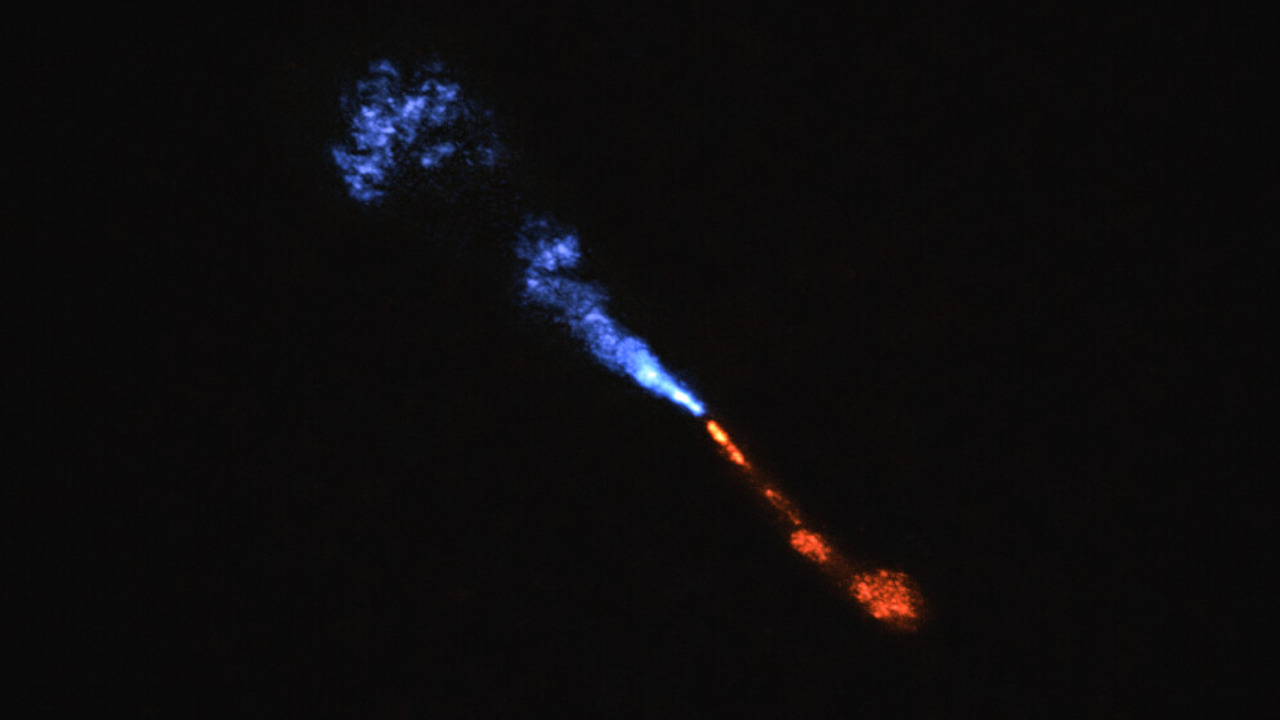
Observing a planet in formation offers profound insights into the stages of planetary development and the crucial role of protoplanetary disks. These disks, composed of gas and dust, serve as the building blocks of planets, providing the essential materials for their growth. By studying HOPS 315, astronomers have gained a deeper understanding of the complex interactions within these disks, including how material coalesces to form planetary bodies. This knowledge is essential for refining models of planetary evolution and understanding the diversity of planetary systems in the universe.
The implications of this discovery extend beyond the formation of individual planets. The observations challenge existing theories and models of how solar systems evolve, potentially prompting a reevaluation of established ideas. For example, the data collected from HOPS 315 may suggest that planet formation can occur more rapidly than previously thought, or that certain environmental factors play a more significant role than anticipated. As a result, this discovery could lead to new theories that better explain the wide variety of planetary systems observed in our galaxy.
Technological Advancements Enabling the Observation
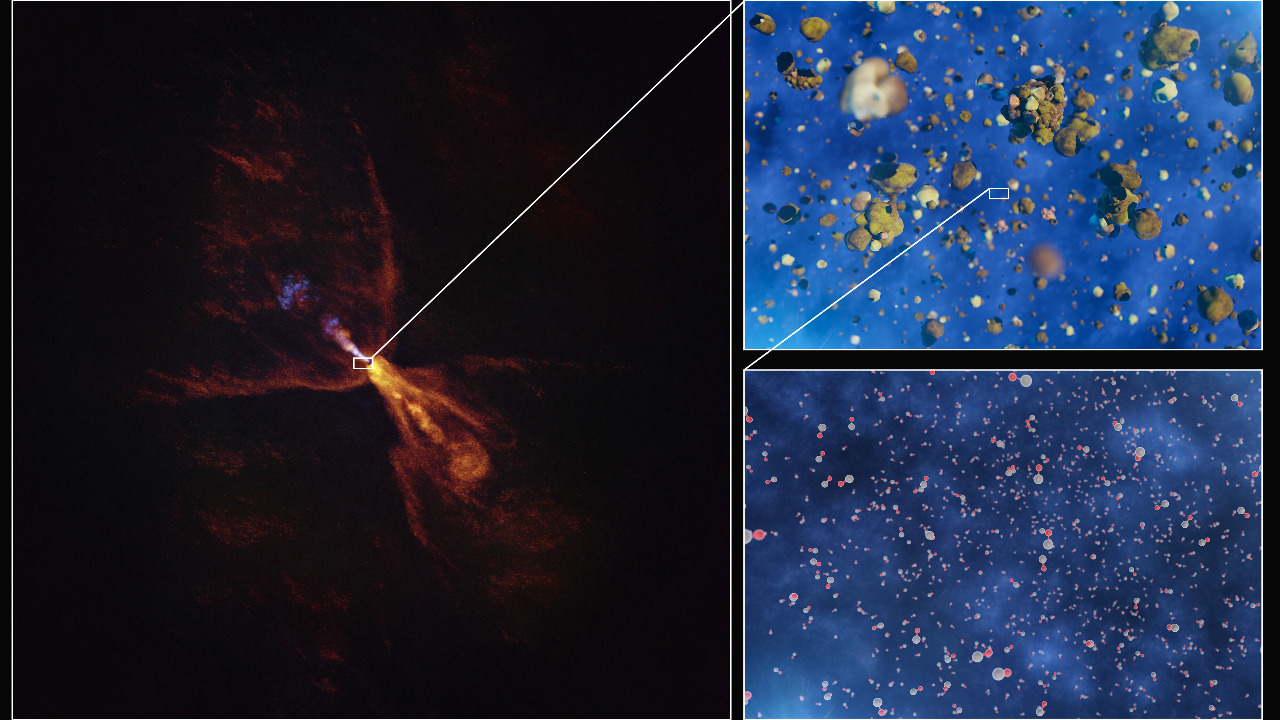
The successful observation of a forming planet around HOPS 315 was made possible by several cutting-edge technologies. One of the key advancements was the use of adaptive optics, a technique that helps to correct for atmospheric distortions, allowing telescopes on Earth to capture clearer images of distant stars and their surrounding environments. This technology, combined with interferometry, which involves combining signals from multiple telescopes to simulate a much larger one, offered astronomers an unprecedented view of the protoplanetary disk.
International collaborations and space-based observatories also played a crucial role in this achievement. The coordination between facilities like ALMA and the European Southern Observatory enabled the pooling of resources and expertise, significantly enhancing our capability to study distant celestial phenomena. These collaborative efforts underscore the importance of global partnerships in pushing the boundaries of astronomical research and provide a framework for future discoveries.
Implications for Future Astronomical Research

The observation of a forming planet opens up numerous avenues for future research in the field of astronomy. Scientists now have a tangible example to study, which raises several intriguing questions. For instance, researchers can investigate whether other young stars with protoplanetary disks might also harbor forming planets, thereby broadening our understanding of planetary formation across different environments. This discovery may also influence the search for exoplanets, as the techniques developed could be adapted to detect planets at various stages of development, including those in habitable zones.
Furthermore, the insights gained from observing HOPS 315 can inform our understanding of planetary habitability. By studying the conditions under which planets form, scientists can better assess the potential for life in other solar systems. This knowledge could prove invaluable in identifying exoplanets with environments conducive to life, thereby advancing the search for extraterrestrial life forms. As a result, the discovery of a forming planet is not just a scientific milestone but a stepping stone toward unraveling the mysteries of our universe.
Broader Impact on Our Understanding of the Universe

Witnessing a planet in formation offers a unique glimpse into the cosmic timeline and the lifecycle of planetary systems. This observation enhances our comprehension of how planets, including those in our own solar system, might have developed over billions of years. It provides a direct link to the processes that shaped our cosmic neighborhood, offering clues about the early conditions that led to the formation of Earth and its neighboring planets.
The cultural and philosophical implications of observing a forming planet are equally profound. It prompts us to reflect on our place in the universe and the processes that have shaped not only our solar system but countless others. By understanding the origins of planets, we gain insights into the broader mechanisms at work in the cosmos, fostering a deeper appreciation for the complexity and beauty of the universe. This, in turn, can inspire future generations of scientists and enthusiasts to continue exploring the mysteries of the cosmos, driven by the desire to understand our origins and our potential futures.
