Astronomers have recently made a groundbreaking discovery of a rogue planet that is consuming gas and dust at an astonishing rate. This finding builds on an earlier announcement of a rogue planet exhibiting unprecedented accretion rates, setting it apart from typical planetary behavior. Concurrently, the astronomical community is buzzing with the potential naked-eye visibility of Comet Lemmon this month.
Context of Rogue Planet Discoveries

Rogue planets, also known as interstellar planets, are celestial bodies that do not orbit a star. Instead, they wander through space, untethered by the gravitational pull of a star. This makes them unique and somewhat mysterious to astronomers. Previous detections of rogue planets lacked evidence of active gas and dust consumption, making this recent discovery a significant departure from established patterns.
Observational tools like telescopes play a crucial role in identifying such isolated objects. The vastness of space and the lack of light reflecting off these planets make them difficult to spot. However, advancements in technology and observational techniques have made it possible for astronomers to detect and study these elusive celestial bodies.
Historically, rogue planets have been a topic of intense interest and speculation within the scientific community. Their existence was first proposed in the 1990s, and since then, several candidates have been identified. However, the detection of a rogue planet actively consuming gas and dust at such a high rate is a first, marking a new chapter in the study of these intriguing celestial bodies. This discovery, as reported by MSN, has sparked renewed interest and excitement in the field of astronomy.
Furthermore, the study of rogue planets provides valuable insights into the processes of planet formation and evolution. These bodies, untethered by a star’s gravity, offer a unique perspective on how planets can survive and even grow in the harsh conditions of interstellar space. The recent discovery has underscored the importance of continuing research in this area, as it could potentially reshape our understanding of planetary science.
Timeline of the Initial Announcement

The first report of this rogue planet exhibiting unprecedented accretion rates was announced on October 3, 2025. This marked the earliest public reveal of the planet’s rapid material intake. The observational data that first indicated the planet’s isolation and active accretion process were key to this announcement.
Accretion is a process by which planets accumulate matter, growing in size over time. This is typically observed in protoplanetary disks – rings of gas and dust that surround young stars. However, the accretion activity of this rogue planet is unique due to its isolation and the rate at which it is consuming material.
Following the initial announcement on October 3, 2025, the scientific community eagerly awaited further details about the rogue planet’s unique accretion activity. The announcement sparked widespread interest, as it represented a significant departure from what astronomers typically observe in planetary bodies. The initial report was based on data collected from various observational tools, including powerful telescopes and advanced imaging techniques.
By October 6, 2025, the story had evolved with the release of additional data and refined analysis. This new information confirmed the rogue planet’s high-rate accretion activity, further solidifying its status as a unique celestial object. The timeline of these announcements highlights the dynamic nature of astronomical research, where new discoveries can rapidly alter our understanding of the universe.
Details on the Planet’s Accretion Activity
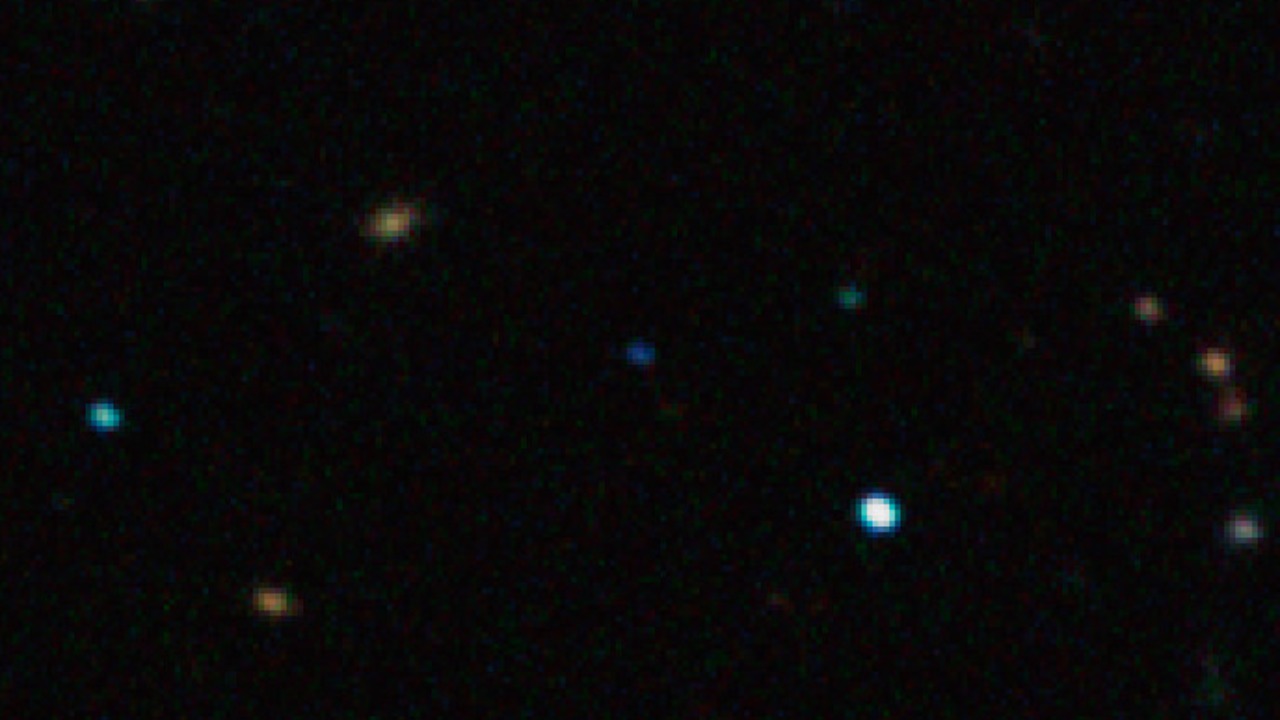
The rogue planet is “devouring gas and dust” at a mind-blowing rate, a phenomenon that is sustaining its growth in interstellar space. The rate of consumption exceeds typical planetary accretion models by orders of magnitude, making this a truly exceptional case.
When compared to known protoplanetary disks, the accretion mechanics of this rogue planet are unique. Protoplanetary disks are typically found around young stars and provide the material for planet formation. However, this rogue planet, not being bound to a star, is consuming gas and dust from the interstellar medium, challenging our understanding of planet formation and growth.
The rogue planet’s accretion activity is not only unique in its isolation but also in its scale. According to the report on MSN, the planet is consuming gas and dust at a rate that far exceeds the accretion rates observed in protoplanetary disks. This suggests that the planet may be growing at an unprecedented rate, a phenomenon that could have significant implications for our understanding of planet formation and evolution.
Moreover, the rogue planet’s accretion activity provides a unique opportunity to study the interstellar medium, the matter that exists in the space between the stars. By analyzing the material consumed by the planet, astronomers can gain valuable insights into the composition and properties of the interstellar medium, further enhancing our understanding of the universe.
Updates and Evolving Coverage
The updated report reiterates the discovery of the rogue planet while amplifying focus on the ongoing accretion. Coverage advanced on October 6, 2025, signaling new data or refined analysis since the initial October 3 report. This change in narrative from preliminary to confirmed high-rate activity suggests that follow-up observations may have contributed to the shift in emphasis toward the “mind-blowing” scale of the phenomenon.
These updates not only confirm the initial findings but also provide a more detailed understanding of the rogue planet’s behavior. The ongoing coverage of this discovery is crucial in keeping the scientific community and the public informed about this fascinating celestial object.
As the story of the rogue planet continues to unfold, the scientific community remains vigilant in monitoring its activity. The updated report on October 6, 2025, provided further confirmation of the planet’s high-rate accretion activity, as well as additional details about its behavior. This ongoing coverage is crucial for keeping the public informed and maintaining interest in this groundbreaking discovery.
Moreover, the evolving coverage of the rogue planet’s discovery highlights the importance of continuous observation and analysis in astronomical research. As new data becomes available, our understanding of the rogue planet and its unique behavior will continue to deepen, providing valuable insights into the mysteries of the universe.
Concurrent Celestial Highlights: Comet Lemmon

While the rogue planet continues to captivate astronomers, another celestial event is also drawing attention. Comet Lemmon, the lime green comet, might be visible to the naked eye this month. The report was issued on October 3, 2025, coinciding with the rogue planet news and underscoring a busy period for amateur and professional astronomers.
Comet Lemmon’s potential visibility provides a unique opportunity for skywatchers to witness a celestial event without the need for specialized equipment. This, along with the rogue planet discovery, makes this month an exciting time for astronomy enthusiasts.
Comet Lemmon’s potential visibility this month adds another layer of excitement to the current astronomical landscape. Named for its distinctive lime-green hue, Comet Lemmon is a periodic comet, meaning it follows a predictable orbit that brings it near Earth at regular intervals. According to a report on Daily Galaxy, this month presents a rare opportunity for skywatchers to observe the comet with the naked eye.
Comets like Lemmon are remnants from the early solar system, and observing them can provide valuable insights into the conditions that existed when the planets were forming. Thus, the concurrent visibility of Comet Lemmon and the discovery of the rogue planet offer a unique opportunity for astronomers to study two very different but equally fascinating celestial objects.
Broader Implications for Planetary Science

The unprecedented accretion activity of the rogue planet challenges theories on planet formation outside stellar systems. This discovery could potentially impact models of interstellar medium interactions and rogue planet habitability. It may also influence stakeholder effects, such as increased funding or observational priorities for space agencies tracking similar objects.
As we continue to explore the cosmos, discoveries like these remind us of the vastness and complexity of the universe. They challenge our understanding, push the boundaries of our knowledge, and inspire us to keep looking up.
The discovery of the rogue planet’s unprecedented accretion activity has far-reaching implications for planetary science. It challenges existing models of planet formation and growth, particularly those that assume a planet’s development is closely tied to a parent star. This could lead to new theories and models that better account for the diverse range of planetary behaviors observed in the universe.
Moreover, the rogue planet’s behavior could have implications for our understanding of the interstellar medium and its role in planetary growth. As reported by SSB Crack, the planet’s high-rate accretion activity suggests that the interstellar medium may be a more significant source of material for planet formation than previously thought. This could open up new avenues of research in planetary science, further expanding our knowledge of the universe.
