Recent astronomical discoveries have captivated the world with the revelation of a planet composed entirely of diamonds. This dazzling celestial body, located light-years away from Earth, challenges our understanding of planetary formation and offers intriguing possibilities for future exploration and resource potential.
The Discovery of the Diamond Planet

The journey to uncovering the diamond planet traces back to the evolution of astronomical tools and techniques. Historically, the development of advanced telescopic technology has been crucial. The Hubble Space Telescope, launched in 1990, paved the way for clearer observations of celestial bodies. However, it was the subsequent advancements in telescopes, such as the Kepler Space Telescope in 2009, that enabled scientists to detect distant exoplanets with greater precision. These telescopes, equipped with state-of-the-art imaging capabilities, have allowed astronomers to venture beyond our solar system and discover unique planets that defy conventional understanding.
The role of technology cannot be overstated in this groundbreaking discovery. Advanced spectroscopic methods and infrared imaging have been pivotal in identifying the unique composition of these celestial bodies. Through the use of such technologies, astronomers have determined that 55 Cancri e, located approximately 40 light-years away, is composed predominantly of carbon. Under the intense pressure and temperature conditions present, this carbon is believed to crystallize into diamond, forming a planet unlike any other known to humankind.
Behind this remarkable find is a dedicated team of astronomers whose contributions have significantly advanced our understanding of the cosmos. Notable among them is Debra Fischer, whose work on the study of exoplanets has been instrumental in identifying 55 Cancri e. The meticulous efforts of these scientists have not only led to the discovery of the diamond planet but have also opened up new avenues in the study of planetary compositions and structures.
The Science Behind Diamond Planets
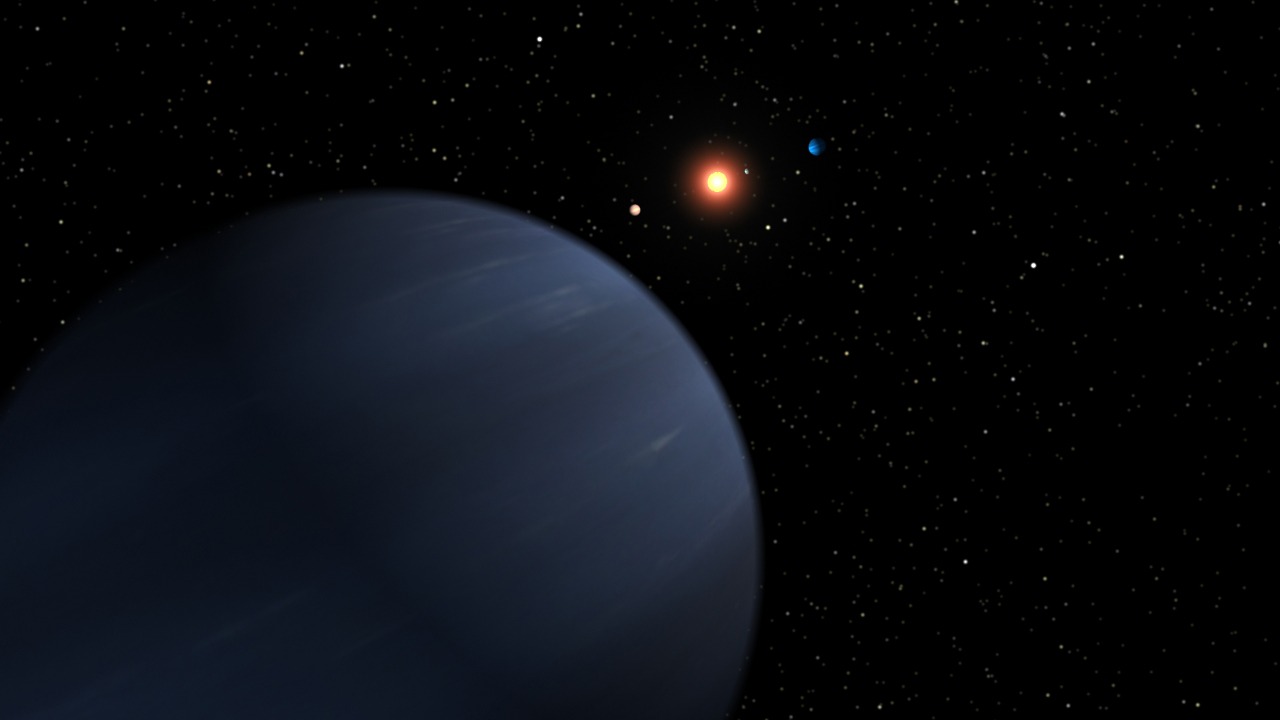
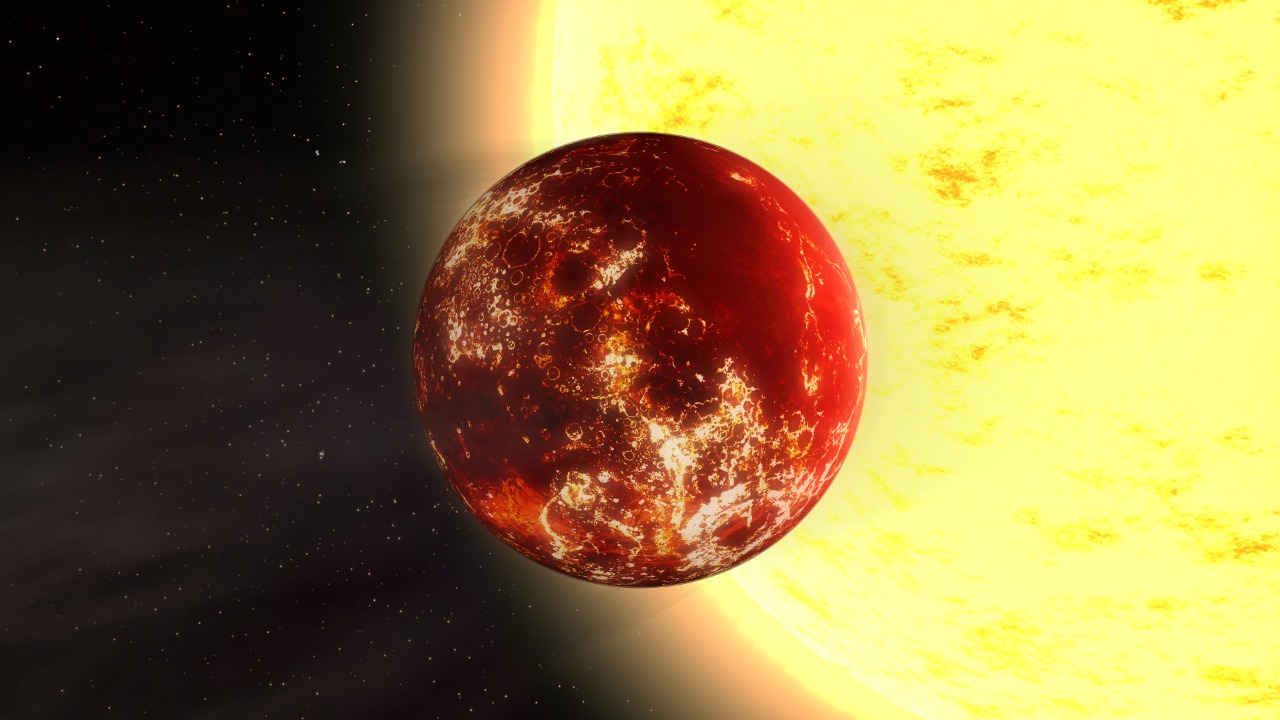
Understanding the composition and formation of diamond planets requires delving into the specifics of planetary conditions. For a planet to be composed entirely of diamonds, extreme pressure, sufficient carbon content, and high temperatures are essential. In the case of 55 Cancri e, the planet’s proximity to its star results in surface temperatures nearing 4,000°F (2,200°C), creating an environment where carbon can exist in crystalline form. This process of diamond formation mirrors what occurs deep within Earth’s mantle, albeit on a planetary scale.
When comparing diamond planets to Earth, several striking differences become apparent. While Earth is approximately 12,742 km in diameter, 55 Cancri e is roughly twice its size, yet it is eight times more massive. The intense heat and presumed lack of atmosphere also differentiate it from our home planet. Such conditions make diamond planets inhospitable for life as we know it, yet they present a fascinating challenge for planetary scientists in understanding the diversity of planetary systems in the universe.
The implications of discovering diamond planets are profound for planetary science. The existence of such exotic worlds expands our understanding of planet formation, indicating that planets can form under conditions vastly different from those of Earth. This adds a new dimension to the study of exoplanets, suggesting that planetary systems are more diverse than previously thought. Such discoveries push the boundaries of what we know about the cosmos and inspire continued exploration and research.
Potential for Space Exploration and Resource Utilization
The potential economic prospects of diamond planets are tantalizing. Given the immense value of diamonds on Earth, the prospect of mining a planet composed entirely of diamonds could be lucrative. However, the feasibility of such an endeavor poses significant challenges. The vast distances involved, combined with the technical and logistical hurdles of space travel, make mining diamond planets a complex proposition. Currently, the technology required to reach and extract resources from such distant bodies is beyond our reach, but future advancements could change this scenario.
Technological challenges abound when considering the exploitation of diamond planets. The development of spacecraft capable of withstanding extreme conditions, such as high temperatures and radiation, is paramount. Additionally, innovations in propulsion systems and mining technologies would be required to make the journey feasible. The challenges are immense, yet the potential rewards drive ongoing research and development in space exploration technologies.
Ethical considerations must also be taken into account when discussing the exploitation of extraterrestrial resources. The impact of mining on interplanetary ecosystems, even if deemed uninhabited, raises questions about humanity’s responsibility to preserve the natural state of celestial bodies. As we venture further into space, it is essential to consider the ethical implications of our actions and to develop frameworks that prioritize sustainable and responsible exploration.
Cultural and Philosophical Implications

The discovery of a planet made of diamonds taps into humanity’s long-standing fascination with these precious stones. Throughout history, diamonds have been symbols of wealth, power, and beauty, capturing the imagination of cultures worldwide. The existence of a diamond planet adds a cosmic dimension to this fascination, challenging us to rethink the concept of value and rarity when applied on a universal scale.
Philosophically, the existence of a diamond planet raises profound questions about our place in the universe. It prompts us to consider the nature of wealth and value in a cosmos where diamonds could be as common as rocks on Earth. Such discoveries invite us to reflect on the priorities and motivations that drive human exploration and the quest for knowledge.
The future of space exploration is undoubtedly influenced by such discoveries. The public’s interest in space research and exploration is likely to be invigorated by the prospect of uncovering more exotic and valuable worlds. As we continue to explore the universe, these findings serve as a reminder of the vastness and diversity of the cosmos, inspiring a sense of wonder and curiosity about what lies beyond our planet.
The Broader Cosmic Context
In the broader context of exoplanet research, the discovery of diamond planets is part of an ongoing effort to identify and study exotic worlds with unique compositions. Other known examples include planets composed of gas, ice, or metal, each offering insights into the diversity of planetary systems. Such research contributes to our understanding of the conditions necessary for planet formation and the potential for life elsewhere in the universe.
Exoplanet research plays a crucial role in our understanding of the cosmos. By studying planets beyond our solar system, scientists gain valuable insights into the formation and evolution of planetary systems. This research informs our search for habitable worlds, guiding efforts to identify planets with conditions suitable for life. The discovery of a diamond planet fits into this broader quest, adding to our knowledge of the possible variety of worlds in the universe.
The search for habitable worlds remains a primary focus of exoplanet research. While diamond planets like 55 Cancri e are unlikely candidates for life, their discovery highlights the range of planetary types that exist. By studying such planets, scientists can refine their criteria for identifying potentially habitable worlds, enhancing our ability to find Earth-like planets capable of supporting life. As our understanding of the cosmos expands, so too does our appreciation for the complexity and wonder of the universe we inhabit.
