Astronomers have recently uncovered a space explosion of unprecedented magnitude, challenging existing scientific understanding. This record-breaking event, detailed in the article “Astronomers Just Found a Record-Breaking Space Explosion That Makes No Sense”, has left researchers perplexed by its sheer scale and nature. This discovery adds to the list of remarkable astronomical findings from 2023, as highlighted in the article “13 record-breaking space discoveries of 2023”.
Unprecedented Scale of the Explosion
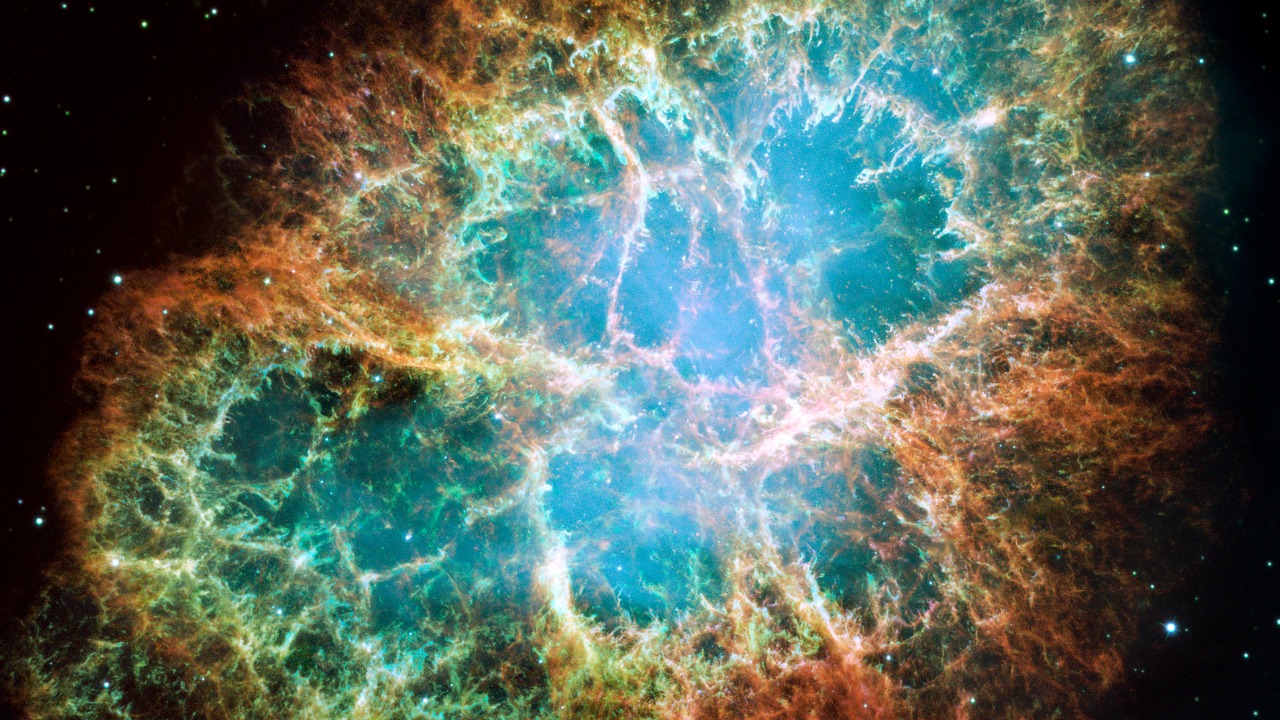
The magnitude of this newly discovered space explosion is unlike anything previously recorded, marking it as a truly record-breaking event. According to the Gizmodo report, the explosion’s energy output far exceeds that of any known supernova or gamma-ray burst, which are typically considered the most powerful explosions in the universe. This extraordinary scale has prompted scientists to reevaluate the limits of cosmic phenomena.
To provide context, previous significant space explosions, such as the famous supernova SN 1994D, pale in comparison to this recent discovery. The Space.com article notes that while past events have been monumental in their own right, none have matched the intensity and energy release of this latest explosion. This comparison underscores the uniqueness of the event and highlights the need for further investigation into its origins and implications.
Scientific Significance and Implications
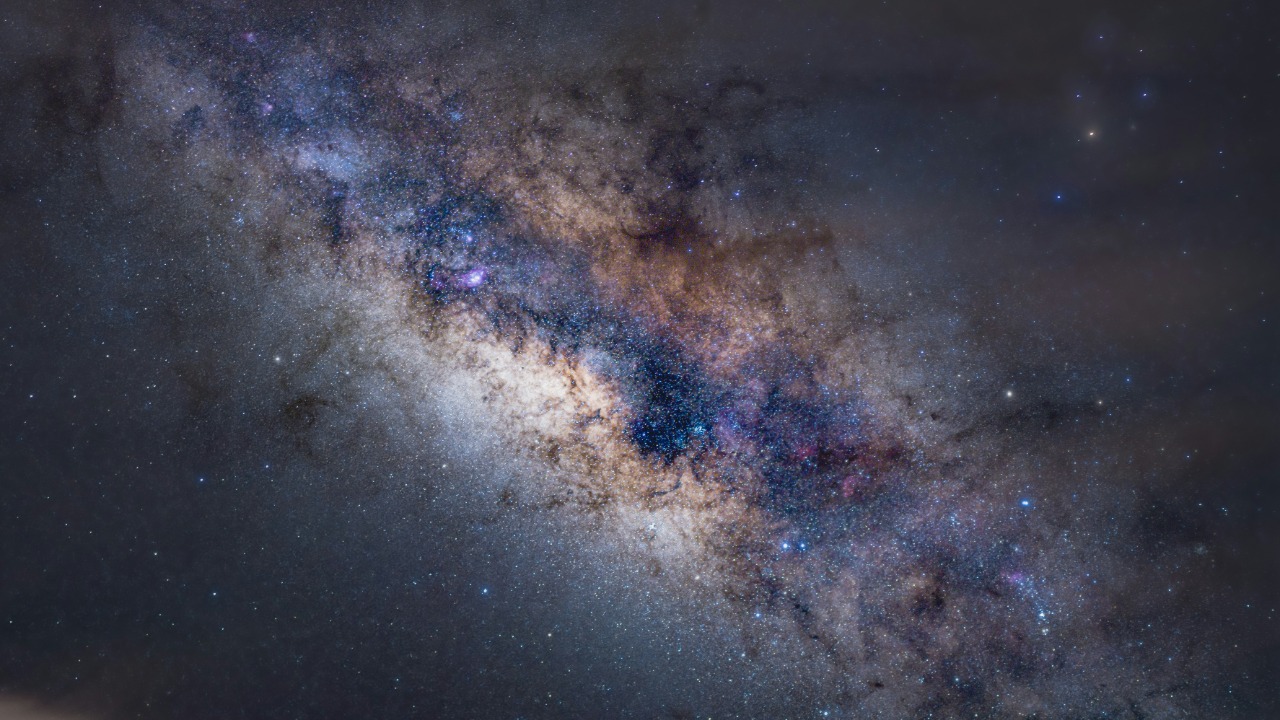
This explosion challenges existing scientific theories, particularly those related to the life cycles of stars and the mechanics of cosmic explosions. As detailed in the Gizmodo article, the event defies current models that predict the behavior and energy limits of stellar explosions. This anomaly suggests that there may be unknown processes at play in the universe, prompting scientists to reconsider established astrophysical concepts.
The implications for our understanding of the universe are profound. As noted by Space.com, this discovery could lead to new research directions, potentially unveiling previously unrecognized cosmic phenomena. It opens the door to exploring alternative theories about the formation and evolution of celestial bodies, which could reshape our comprehension of the universe’s fundamental workings.
Furthermore, this explosion’s unexpected characteristics could potentially lead to the development of new astrophysical models. As scientists grapple with the data, they are considering the possibility that this event might represent a new class of cosmic phenomena. This could necessitate a revision of the theoretical frameworks that currently describe stellar life cycles and the mechanisms behind cosmic explosions. Such a paradigm shift would not only enhance our understanding of the universe but also refine the tools and methods used in astronomical research.
Additionally, the discovery has significant implications for the study of dark matter and dark energy, which remain some of the most elusive components of the universe. As noted by Space.com, understanding the forces and conditions that led to this explosion could provide indirect insights into these mysterious elements. By examining the aftermath and energy distribution of the explosion, researchers hope to gather clues about the role of dark matter and dark energy in such high-energy cosmic events, potentially unlocking new avenues of exploration in cosmology.
Reactions from the Scientific Community
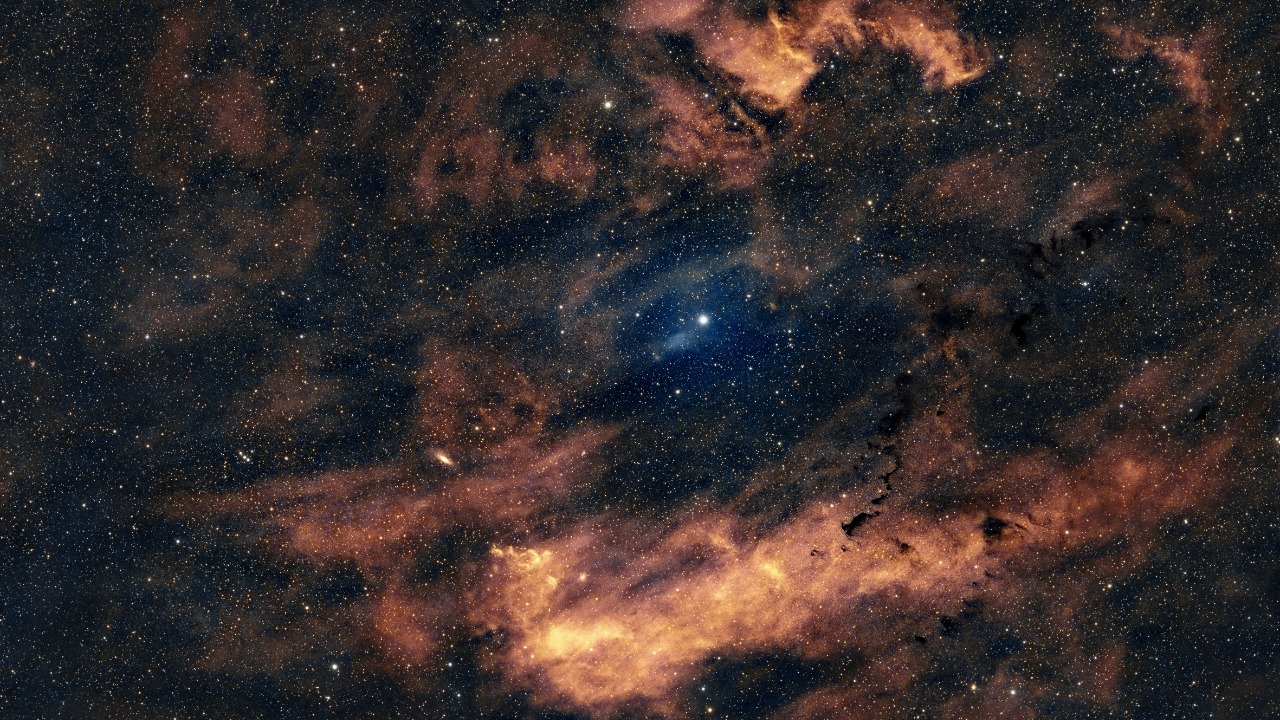
The scientific community has reacted with a mix of excitement and curiosity to this groundbreaking discovery. Experts quoted in the Gizmodo article express awe at the explosion’s unprecedented scale, with some describing it as a pivotal moment in astrophysics. This sentiment reflects the broader enthusiasm and eagerness to delve deeper into the event’s origins and implications.
In the broader context of space exploration and study, this discovery is seen as a significant milestone. As highlighted by Space.com, it fits into a pattern of recent astronomical breakthroughs that are expanding our understanding of the cosmos. This explosion, in particular, is expected to inspire a new wave of research and exploration, as scientists seek to uncover the mysteries behind such extraordinary cosmic events.
The Broader Context of 2023’s Space Discoveries
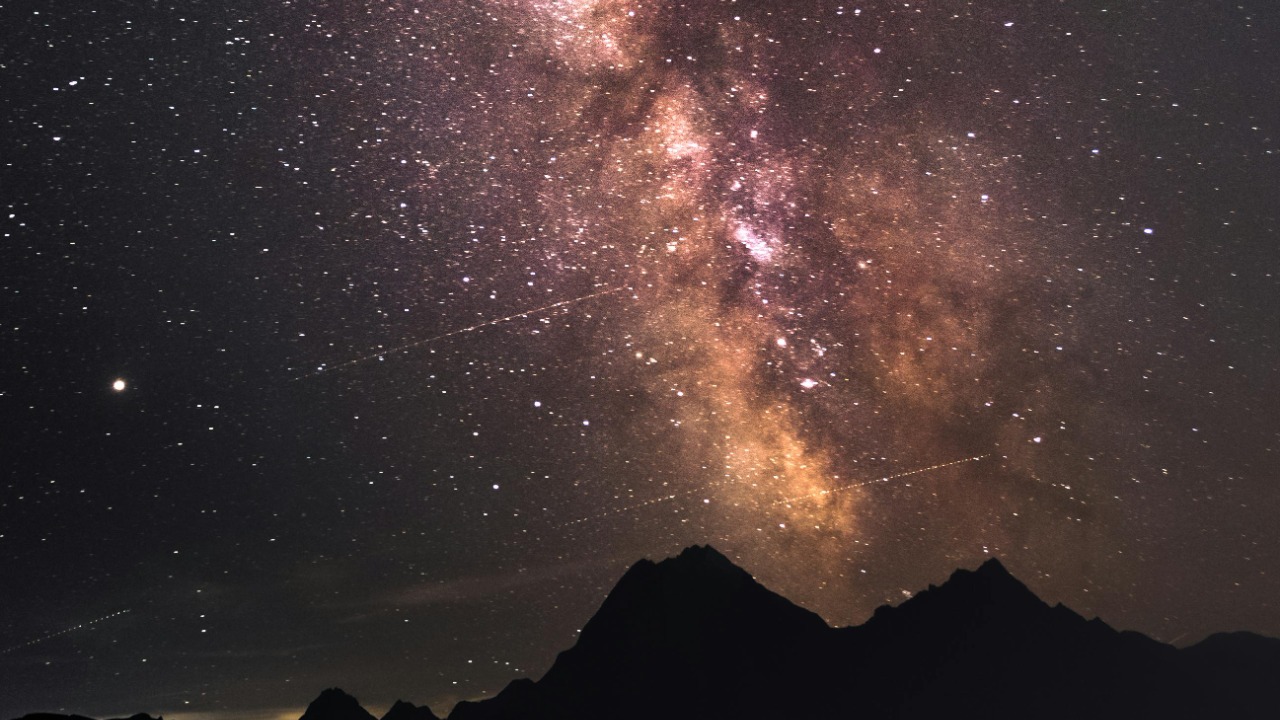
The year 2023 has been a remarkable one for astronomical discoveries, with several significant findings that have impacted the field. According to Space.com, these discoveries include the identification of new exoplanets, advancements in understanding black holes, and breakthroughs in cosmic microwave background research. Each of these findings has contributed to a deeper understanding of the universe and its complexities.
This recent explosion discovery complements these other 2023 findings by adding a new dimension to our knowledge of cosmic phenomena. While other discoveries have focused on different aspects of the universe, such as planetary systems and black hole dynamics, this explosion highlights the extreme and unpredictable nature of cosmic events. Together, these findings paint a more comprehensive picture of the universe, encouraging continued exploration and study in the field of astronomy.
