In a groundbreaking discovery, astronomers have detected a unique, repeating cosmic radio signal originating from an unknown object in space. The mysterious signal, detected every 44 minutes, is unlike anything observed before, presenting a captivating new challenge for astrophysicists.
Discovery of the Repeating Cosmic Radio Signal
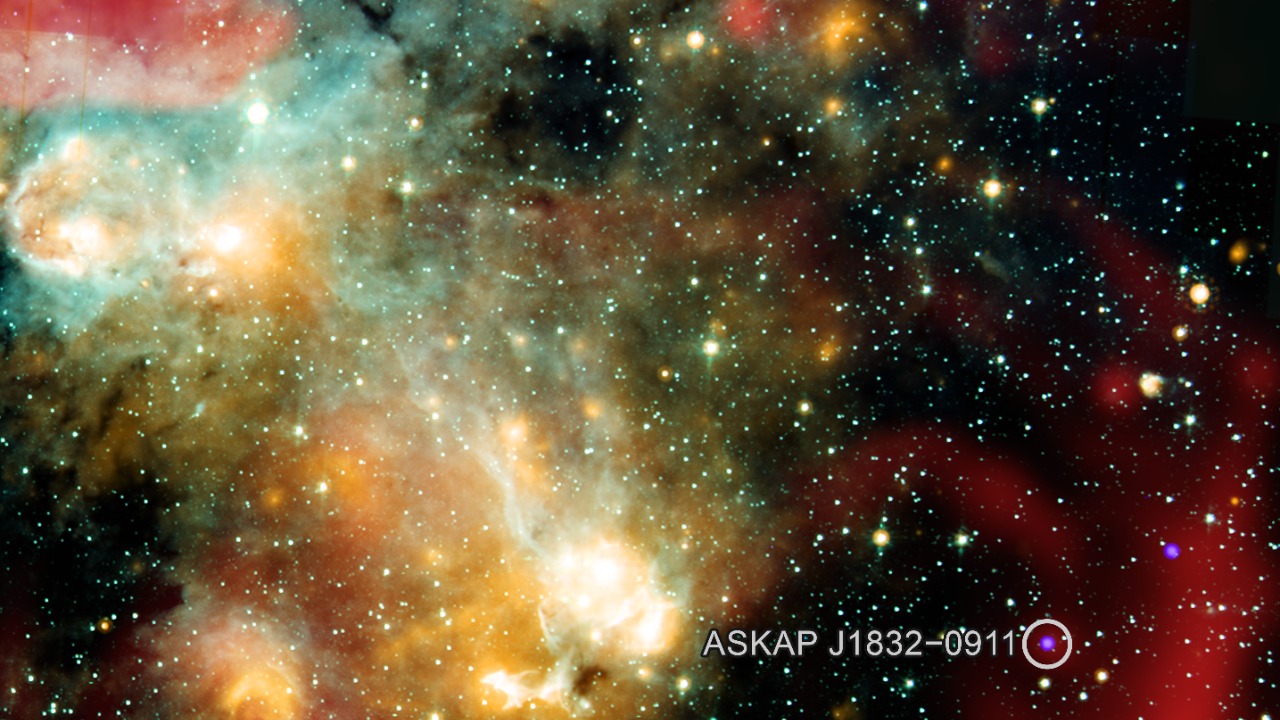
The peculiar signal was first detected by the Australian Square Kilometre Array Pathfinder (ASKAP). The source of this signal, dubbed ASKAP J1832−0911, remains unknown. This enigmatic object has been firing these signals towards Earth with an uncanny regularity, every 44 minutes precisely, piquing the interest of astronomers worldwide.
The signal’s repetition every 44 minutes is particularly intriguing. Most cosmic radio signals detected so far exhibit a certain level of irregularity in their timing. However, the signal from ASKAP J1832−0911 is unique in its consistent periodicity, which sets it apart from any other known cosmic phenomena.
Understanding Cosmic Radio Signals
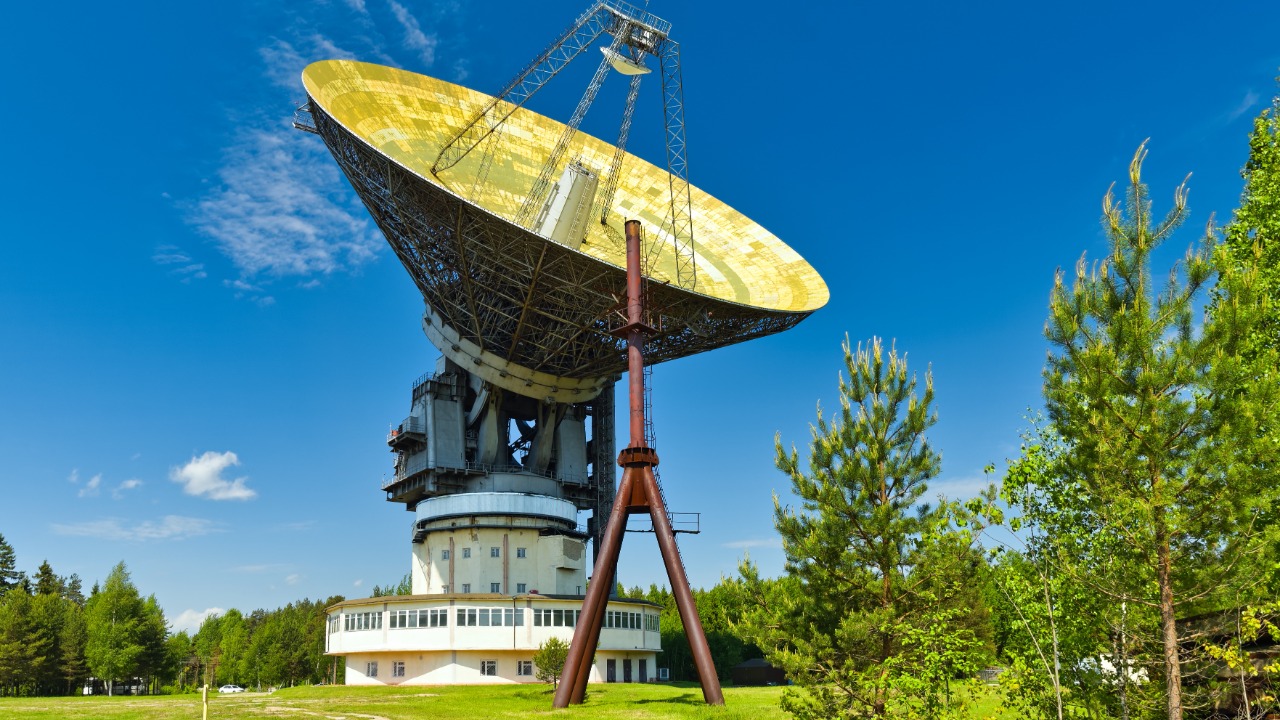
Cosmic radio signals, or radio waves from space, are a type of electromagnetic radiation with wavelengths longer than infrared light. They are emitted by a variety of astronomical objects, including galaxies, quasars, and pulsars. The study of these signals has played a pivotal role in shaping our understanding of the universe.
Radio astronomy, the science of detecting and interpreting cosmic radio signals, has a rich and fascinating history. From the accidental discovery of cosmic noise by Karl Jansky in the 1930s to the detection of the cosmic microwave background radiation, radio astronomy has been instrumental in many groundbreaking discoveries in astrophysics. The detection of this new repeating signal adds another exciting chapter to the annals of radio astronomy.
Analyzing the Unusual Signal Pattern
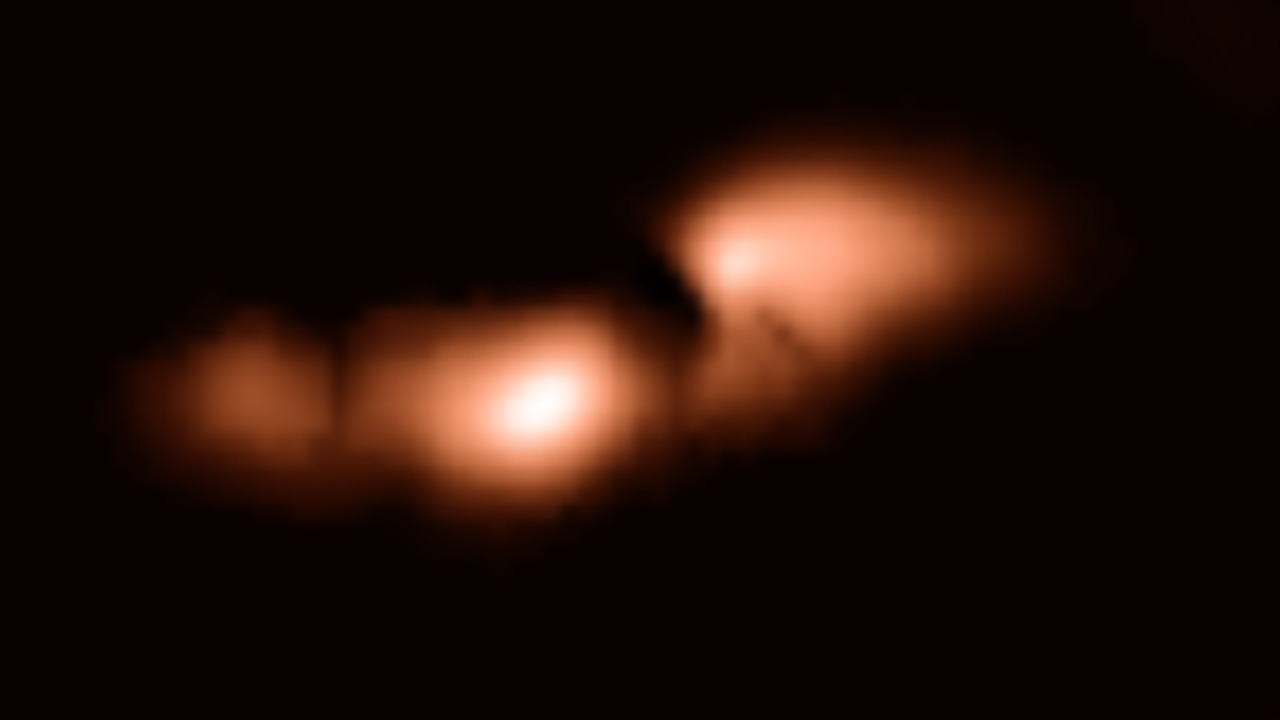
The repetitive nature of the ASKAP J1832−0911 signal is what makes it so intriguing. While there are known cosmic phenomena, like pulsars, that emit periodic signals, none of them have shown such a precise and regular pattern. The signal’s exact 44-minute interval suggests that it could be originating from an object or phenomenon with an incredibly stable and regular behavior.
Astronomers employ various techniques to analyze and understand these signals, using tools such as time-frequency analysis and spectral analysis. These methods allow scientists to explore the signal’s structure, origin, and potential implications. Several theories have been proposed to explain the signal’s unique timing, ranging from an unusual type of rotating neutron star to a previously unknown astronomical phenomenon.
Implications for Astrophysics
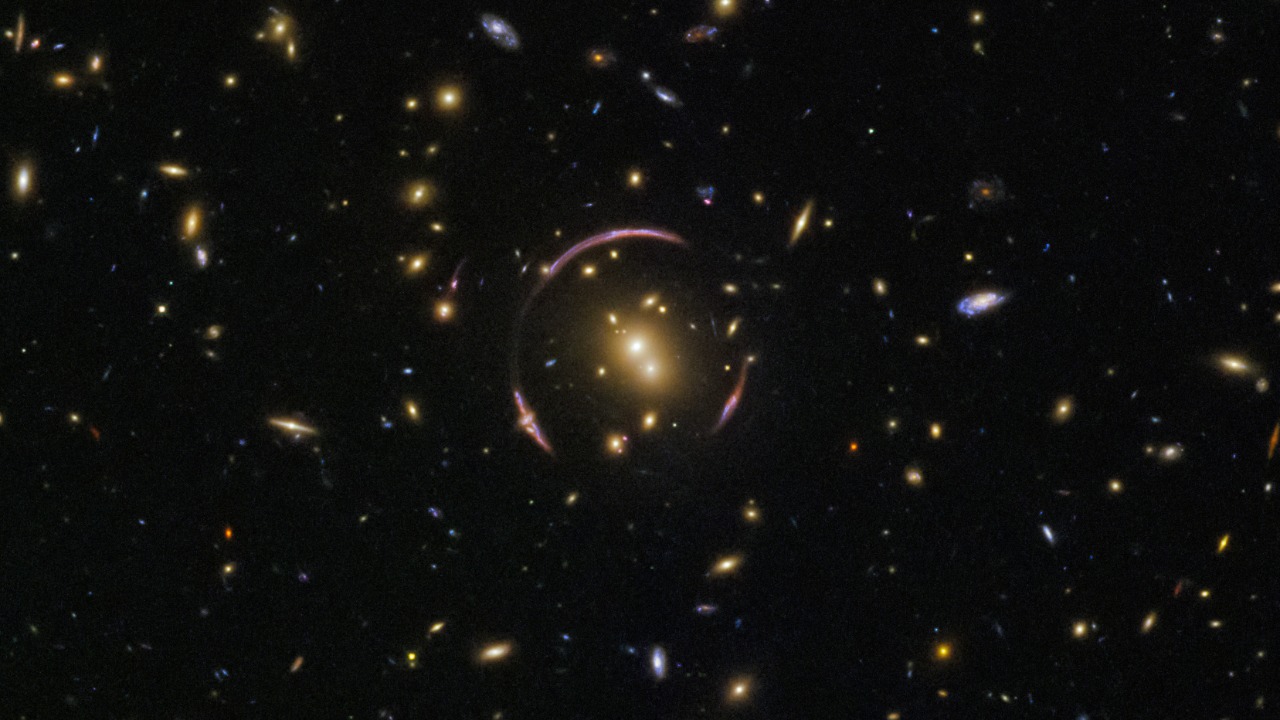
The discovery of this recurring signal could have substantial implications for the field of astrophysics. It provides a new window into the behavior of cosmic objects and phenomena, potentially challenging existing theories and models. The more we learn about these signals, the more we can refine our understanding of the universe and its many mysteries.
While the exact source of these signals is still unknown, the possibilities are tantalizing. Could it be a new type of pulsar, or perhaps a signal from an extragalactic source? Or could it even be a manifestation of some entirely new astronomical phenomenon? While it’s still too early to draw definitive conclusions, the discovery has certainly sparked a flurry of excitement and speculation in the scientific community.
Next Steps for Investigation
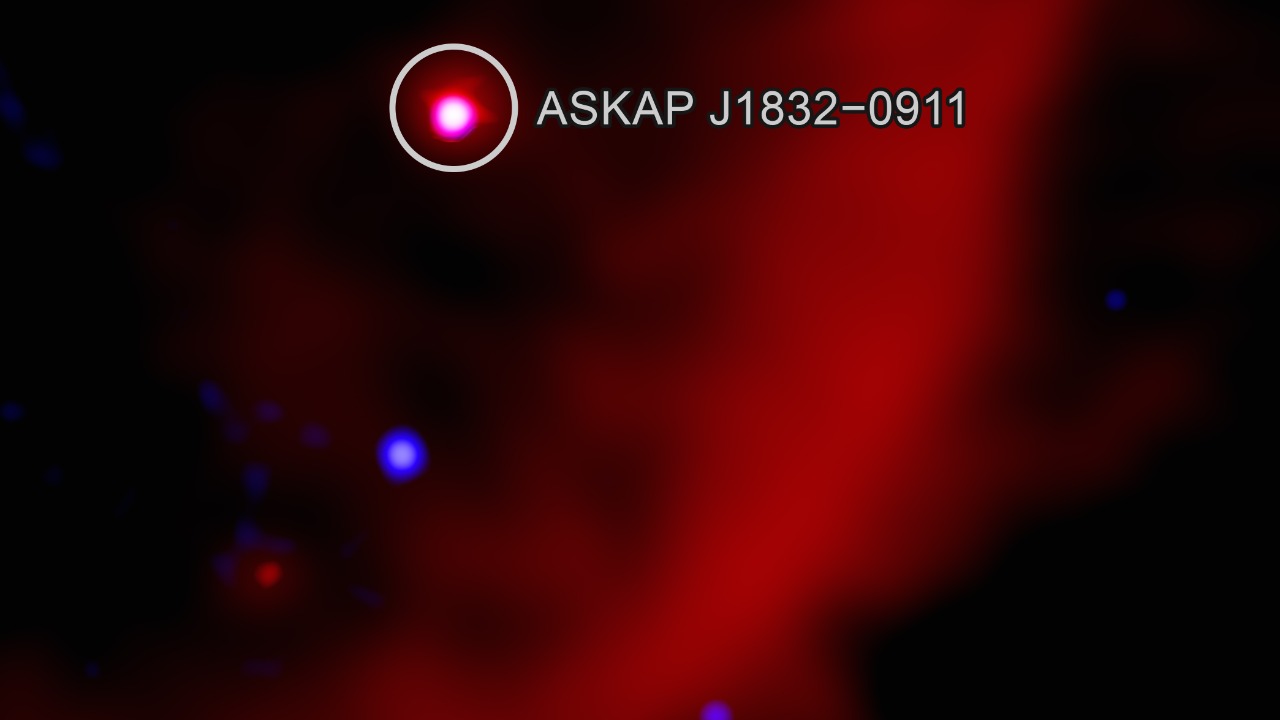
Research into the ASKAP J1832−0911 signal is ongoing. Scientists worldwide are monitoring the object, hoping to glean more information about its nature and origins. The signal’s precise timing provides a unique opportunity to gather high-quality data, which could shed light on this enigmatic phenomenon.
Future studies will likely focus on trying to locate the exact source of the signal and determining the cause of its regular timing. However, studying these cosmic radio signals is not without its challenges. The signals are extremely faint and require highly sensitive equipment to detect. Furthermore, the vast distances involved mean that the signals have traveled for many years, or even millennia, before reaching us.
Public Reaction and Perception

The discovery of this repeating cosmic radio signal has generated considerable interest among the public. Many people are drawn to the sense of mystery and exploration that such discoveries represent. While the scientific community is still working to decipher the signal’s meaning, the general public is eagerly following the unfolding story.
However, such discoveries also tend to fuel misconceptions and myths about cosmic radio signals. For instance, some people might jump to the conclusion that the signals are evidence of alien life. While this is an exciting idea, it’s essential to remember that there are many natural, non-extraterrestrial phenomena that can produce radio signals in space. As researchers continue to investigate, they’re working to separate fact from fiction and provide accurate information to the public.
The cultural and societal impact of such astronomical discoveries is far-reaching. They inspire curiosity, wonder, and a greater appreciation for the vastness and complexity of the universe. Each new discovery, like the mysterious repeating signal from ASKAP J1832−0911, brings us one step closer to unraveling the secrets of the cosmos.
