In a significant development, astronomers have unearthed a spiral-shaped anomaly nestled deep within the cosmos. This intriguing discovery, with its unique characteristics and potential implications, has been made possible through advanced technology and innovative methods.
The Discovery of the Spiral-Shaped Anomaly
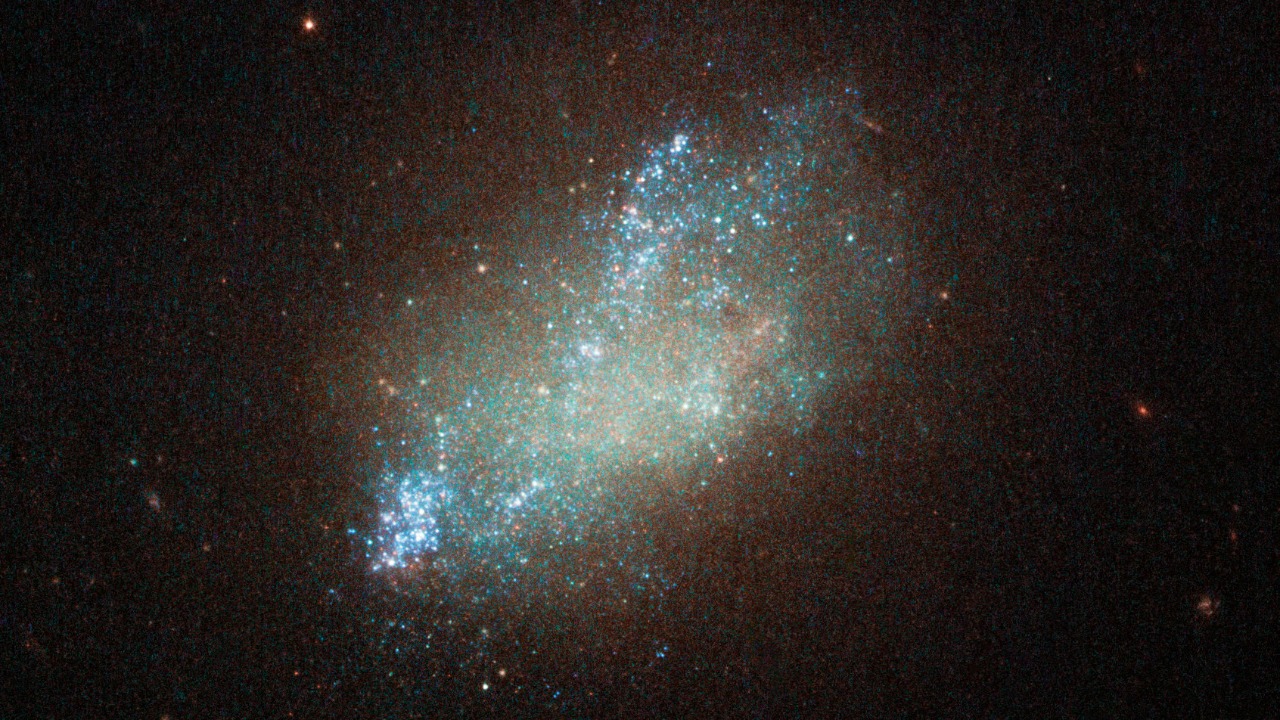
The spiral-shaped anomaly was detected in the far reaches of the universe. Its unique characteristics, including its size, shape, and luminosity, have piqued the interest of the scientific community. The anomaly’s spiral shape, in particular, is a peculiar feature that sets it apart from other celestial objects.
The implications of this discovery are vast. The anomaly’s unique characteristics could provide new insights into the formation and evolution of celestial bodies. Furthermore, the discovery could also shed light on the processes that govern the universe’s structure and dynamics.
Understanding the Spiral Shape in Astronomical Context
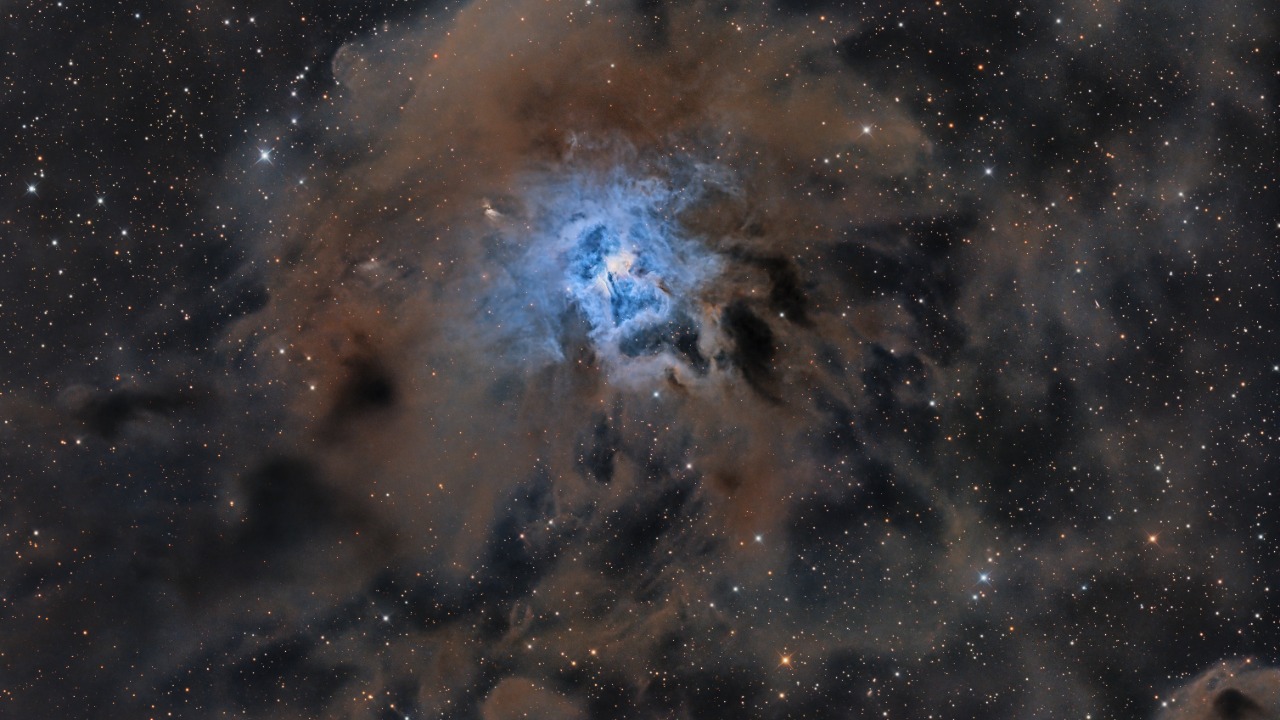
Spiral structures are not uncommon in the universe. They are often seen in galaxies and nebulae, where they are formed by gravitational forces and the rotation of celestial bodies. However, the spiral-shaped anomaly differs from these typical structures in several ways. Its size, shape, and luminosity suggest that it may have formed under different conditions or processes.
Several theories have been proposed to explain the formation of the spiral shape. Some suggest that it could be the result of a cataclysmic event, such as a supernova explosion, while others propose that it could be the product of complex gravitational interactions. Further study is needed to test these theories and gain a better understanding of the anomaly’s origins.
Technologies and Methods Used in the Detection
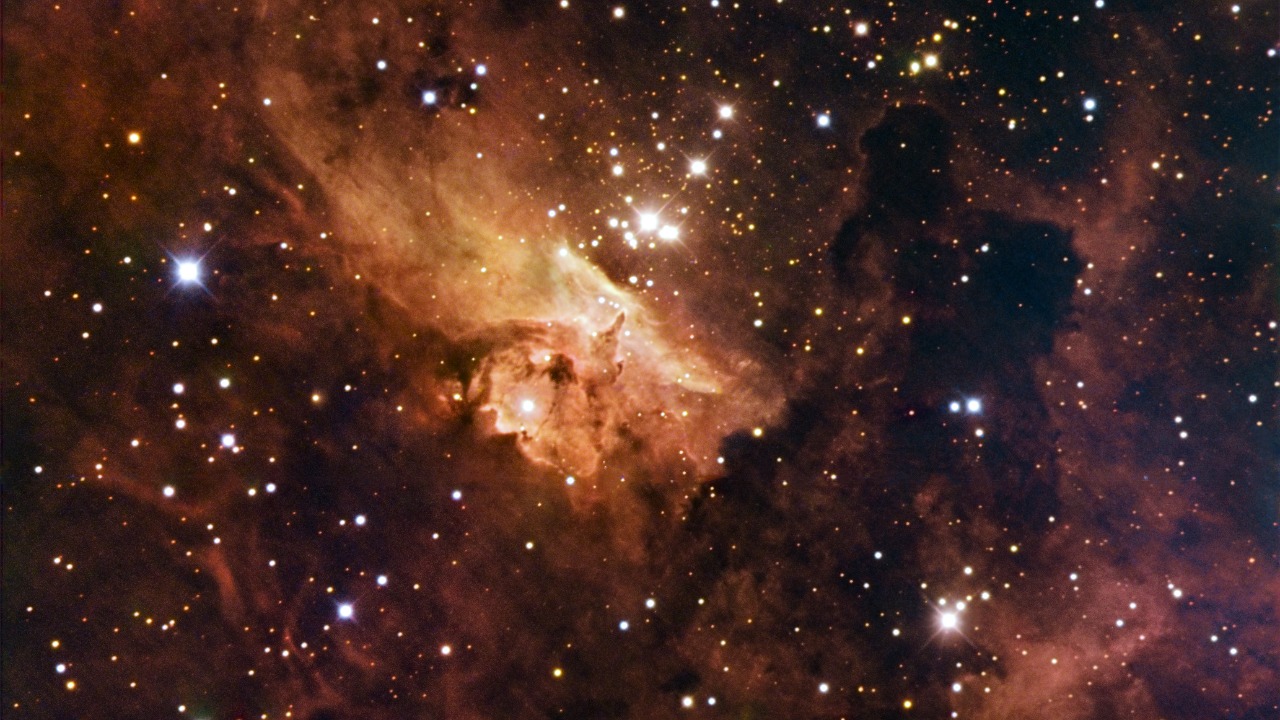
The detection of the spiral-shaped anomaly was made possible by advanced telescopes and other astronomical equipment. These tools allowed astronomers to observe the anomaly in detail and identify its unique characteristics. The use of radio signals was particularly crucial in this process. By interpreting the signals emitted by the anomaly, astronomers were able to determine its size, shape, and luminosity.
Radio signals play a vital role in astronomy. They allow scientists to observe celestial objects that are too distant or faint to be seen with optical telescopes. In the case of the spiral-shaped anomaly, radio signals provided crucial information about its structure and composition, contributing to our understanding of this intriguing object. Strange pulses of energy, similar to those used in this discovery, are helping scientists build the ultimate map of the universe.
Implications of the Discovery

The discovery of the spiral-shaped anomaly has significant implications for our understanding of the universe. It challenges existing theories about the formation and evolution of celestial bodies, and it could lead to new insights into the processes that shape the universe. The anomaly’s unique characteristics may also provide clues about the conditions and events that occurred in the early universe.
Further study of the anomaly could yield valuable information for various fields, including astrophysics and cosmology. Scientists hope to learn more about the anomaly’s origins and formation process, which could enhance our understanding of similar objects and phenomena. For instance, the discovery of a mysterious sphere deep in the Milky Way galaxy has already raised questions about the nature of celestial bodies and the forces that shape them.
Similar Discoveries and Future Prospects
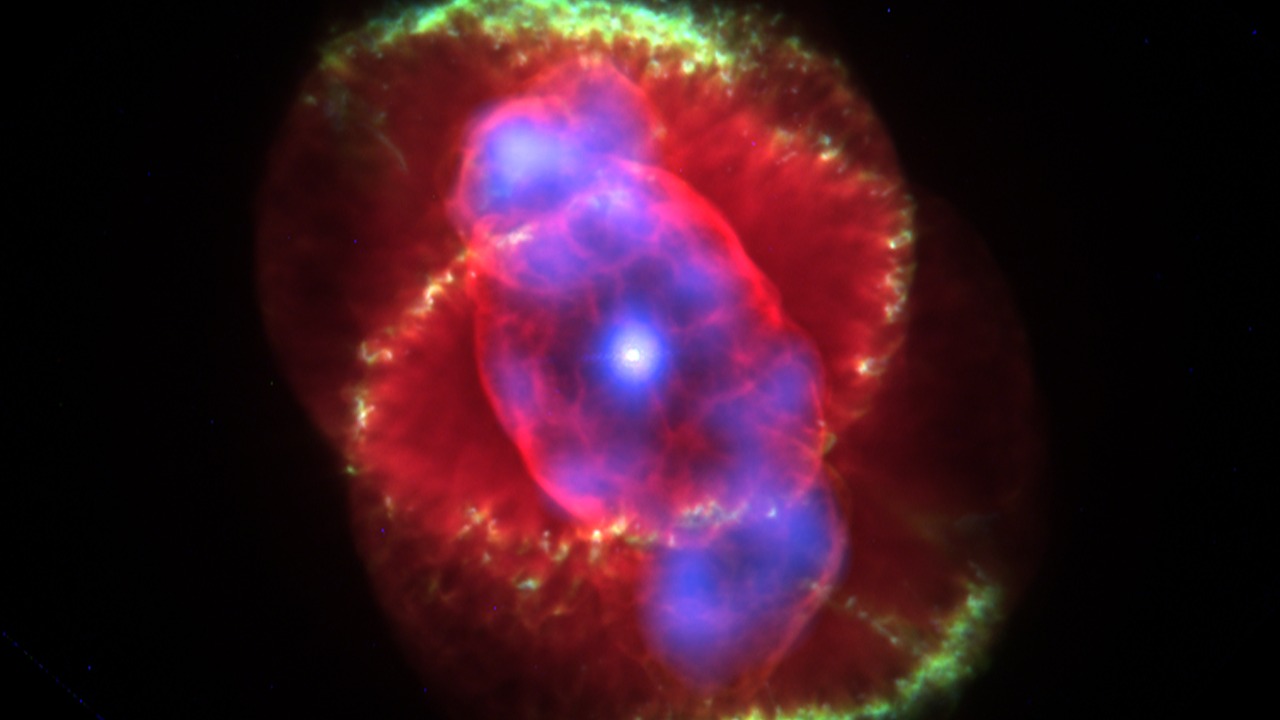
In recent years, astronomers have made several other unusual or unexplained discoveries. For example, a seemingly normal spiral galaxy was found to have huge jets extending millions of light-years. Similarly, mysterious radio wave emissions have been detected in Antarctica, and nucleus-shaped anomaly regions have been identified in the space electric field.
As technology continues to advance, the capabilities of space observation are increasing. This progress is likely to lead to more discoveries in the future, further expanding our knowledge of the universe. With each new discovery, we come one step closer to unraveling the mysteries of the cosmos.
