Recent discoveries by astronomers have revealed the presence of repeating fast radio bursts (FRBs) emanating from a region near the Milky Way’s supermassive black hole. These enigmatic signals have puzzled scientists for years, and their proximity to such a massive celestial object adds a new layer of intrigue to their origins and implications.
The Nature of Fast Radio Bursts
Definition and Characteristics
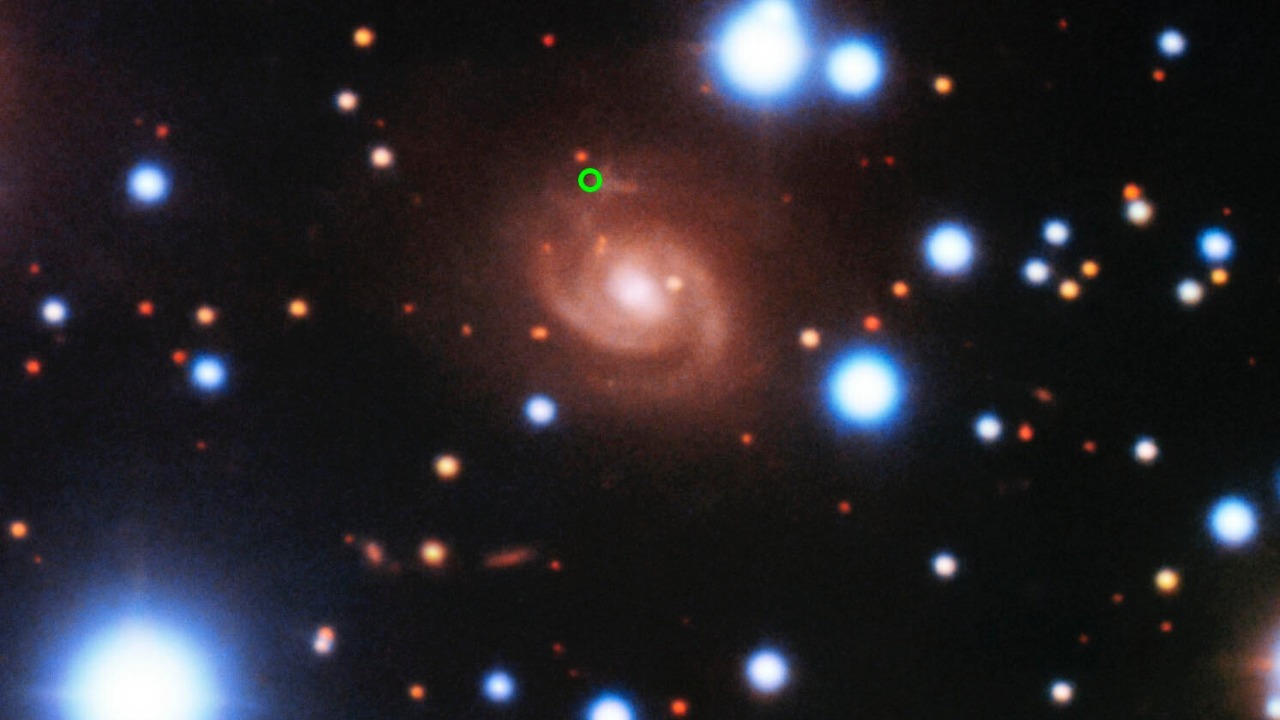
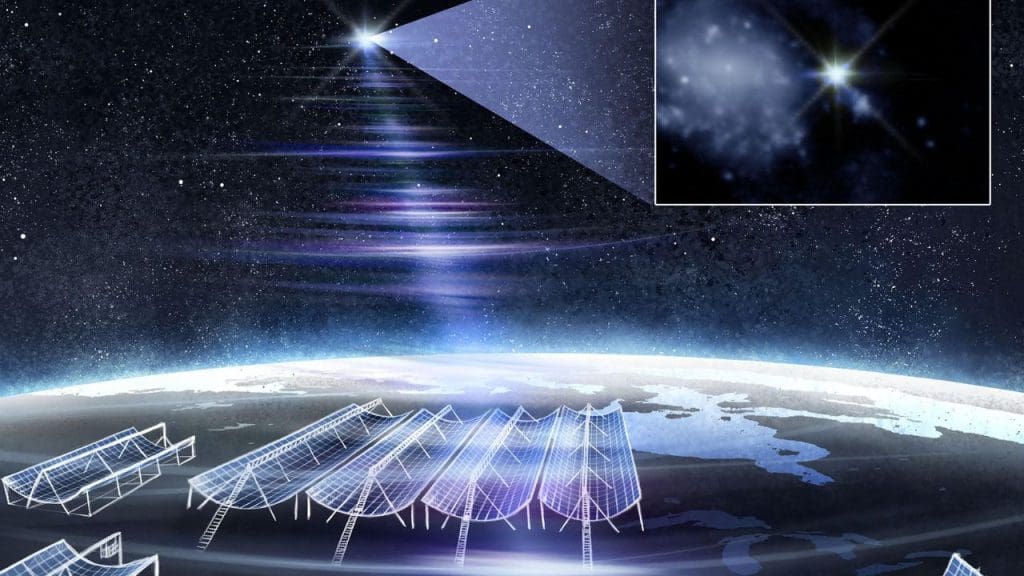
Fast radio bursts (FRBs) are intense bursts of radio waves that last only a few milliseconds. Despite their brief duration, they emit as much energy as the sun does in an entire day. The transient nature of FRBs makes them a challenge to detect, requiring highly sensitive radio telescopes to capture these fleeting signals. Observatories worldwide have deployed advanced technologies to track and analyze FRBs, contributing to our growing understanding of these mysterious phenomena.
Historical Context and Discovery
The first FRB was discovered in 2007 by Duncan Lorimer and his student David Narkevic while sifting through archival data of the Parkes Radio Telescope. This discovery opened a new field of study, prompting astronomers to scour the skies for more such events. Over the years, numerous FRBs have been detected, with significant milestones including the identification of the first repeating FRB, named FRB 121102, which captivated the astrophysics community. The growing catalog of these bursts highlights their significance in understanding the universe’s complexities.
The Milky Way’s Supermassive Black Hole
Sagittarius A*: Our Galaxy’s Heart
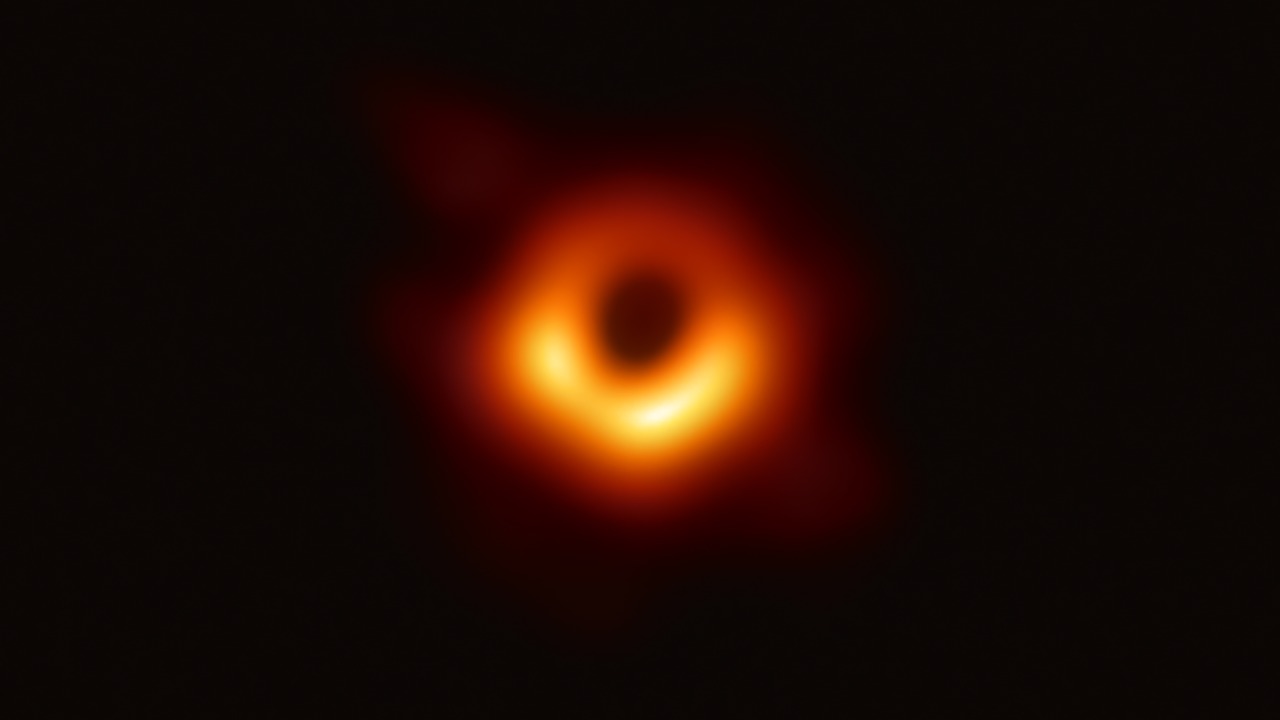
Located at the center of the Milky Way is Sagittarius A*, a supermassive black hole with a mass equivalent to four million suns. This colossal entity exerts a powerful gravitational pull, influencing the motion of stars and other celestial bodies in its vicinity. The study of Sagittarius A* provides insights into the dynamics of our galaxy and the fundamental properties of black holes. Its presence at the core of the Milky Way makes it an area of intense scientific interest, especially in understanding its interactions with surrounding matter.
Interaction with Surrounding Space
The gravitational influence of Sagittarius A* extends far beyond its immediate vicinity, affecting the orbits of nearby stars and gas clouds. This interaction creates a dynamic environment that may play a role in the generation of fast radio bursts. The proximity of recently detected repeating FRBs to this black hole suggests potential interactions that could influence these signals. Understanding these interactions is crucial for deciphering the origins of FRBs and their potential impact on the surrounding cosmic landscape.
The Significance of Repeating FRBs
Patterns and Predictability
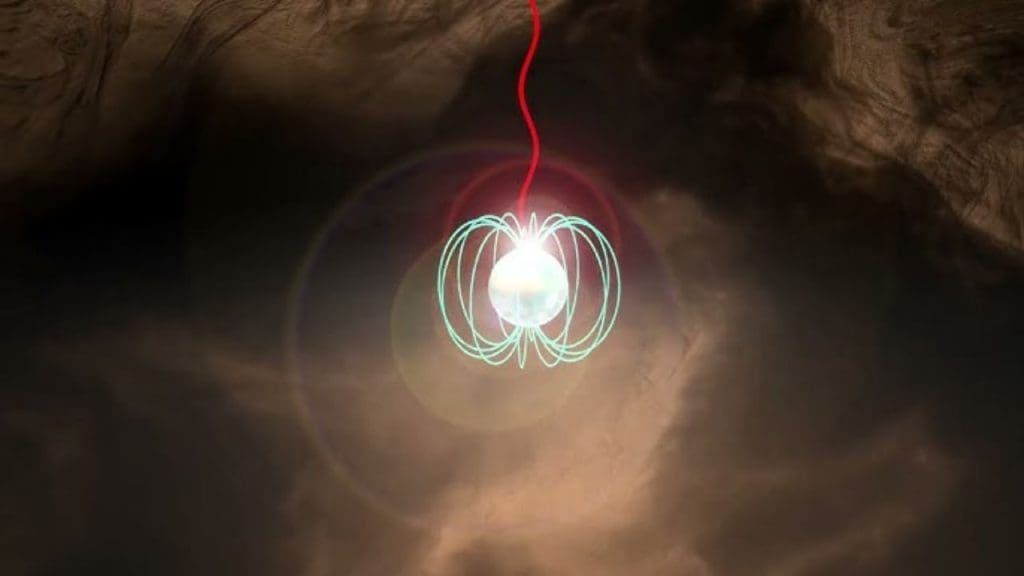
Unlike single FRB events, repeating FRBs exhibit patterns that can be studied over time. These patterns provide valuable clues about the mechanisms driving their repetition. Some theories suggest that repeating FRBs could be linked to the rotational periods of neutron stars or the dynamic behavior of magnetars. The ability to predict these bursts enhances our capacity to study them in detail, offering a window into the processes occurring in extreme astrophysical environments.
Implications for Astrophysics
Studying repeating FRBs holds the potential to unlock new insights into cosmic phenomena and the fundamental nature of the universe. These signals can serve as cosmic tools to probe the fabric of space-time and test universal constants. By analyzing the characteristics of FRBs, scientists hope to refine models of how matter and energy interact on cosmic scales. The implications of these studies extend beyond astronomy, influencing fields such as cosmology and theoretical physics.
Current Research and Theories
Technological Advances in Detection
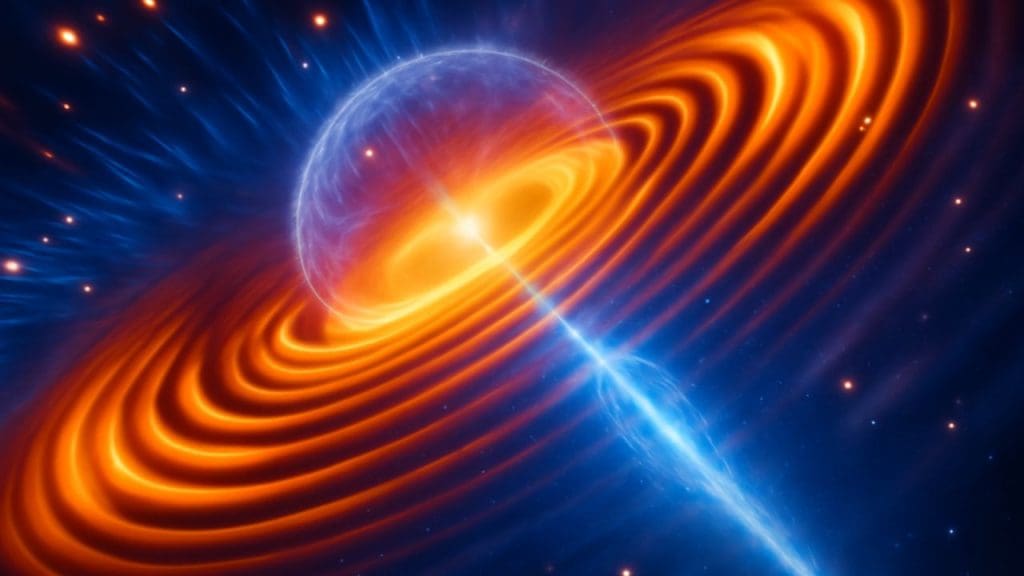
The detection of fast radio bursts has been revolutionized by advances in telescope technology. Facilities like the Canadian Hydrogen Intensity Mapping Experiment (CHIME) have played a pivotal role in identifying numerous FRBs, including several repeaters. These instruments, combined with international collaboration, have significantly expanded our ability to monitor and analyze these signals. Collaborative efforts, such as those between MIT and global observatories, have been instrumental in pinpointing the origins of certain FRBs (source).
Theoretical Models and Hypotheses
Several theoretical models have been proposed to explain the origins of FRBs. The most prominent theories involve highly magnetized neutron stars known as magnetars and the collisions of neutron stars. These scenarios can generate the intense magnetic fields and energy required to produce FRBs. Alternative hypotheses explore exotic physics, such as interactions with dark matter or even the speculative notion of signals from extraterrestrial intelligence. Each model contributes to an evolving understanding of these enigmatic bursts (source).
Future Directions in FRB Research
Expanding the Search for Sources
The future of FRB research lies in expanding our observational capabilities. Plans are underway to construct new observatories and upgrade existing facilities, enhancing our ability to detect and localize FRBs. Instruments like the Square Kilometre Array (SKA) promise to revolutionize our search for these cosmic signals, potentially identifying their precise origins within our galaxy and beyond. By improving detection techniques, astronomers aim to unravel the mysteries surrounding FRBs and their cosmic sources.
Broader Implications for Cosmology
FRB research is poised to impact our understanding of the universe’s evolution significantly. These bursts can be used to measure cosmic distances, providing a new method for mapping the universe. Their role as cosmic probes may offer insights into the distribution of matter and the large-scale structure of the cosmos. The pursuit of FRB studies continues to push the boundaries of what we know about the universe, promising to reveal new facets of its intricate tapestry.
As we continue to explore the origins and implications of fast radio bursts, their study remains at the forefront of astrophysical research. The enigmatic nature of these cosmic phenomena challenges our understanding and inspires ongoing scientific inquiry. With each discovery, we move closer to unraveling the mysteries of the universe, guided by the faint echoes of these distant cosmic signals.
