Recent astronomical observations have captured the scientific community’s attention with the detection of repeating fast radio bursts (FRBs) from an unidentified source. These enigmatic signals, first discovered in 2007, have sparked widespread interest and debate among researchers, as their origins and mechanisms remain largely unknown. Delving into the latest findings reveals potential implications of these mysterious cosmic phenomena.
The Discovery of Repeating Fast Radio Bursts
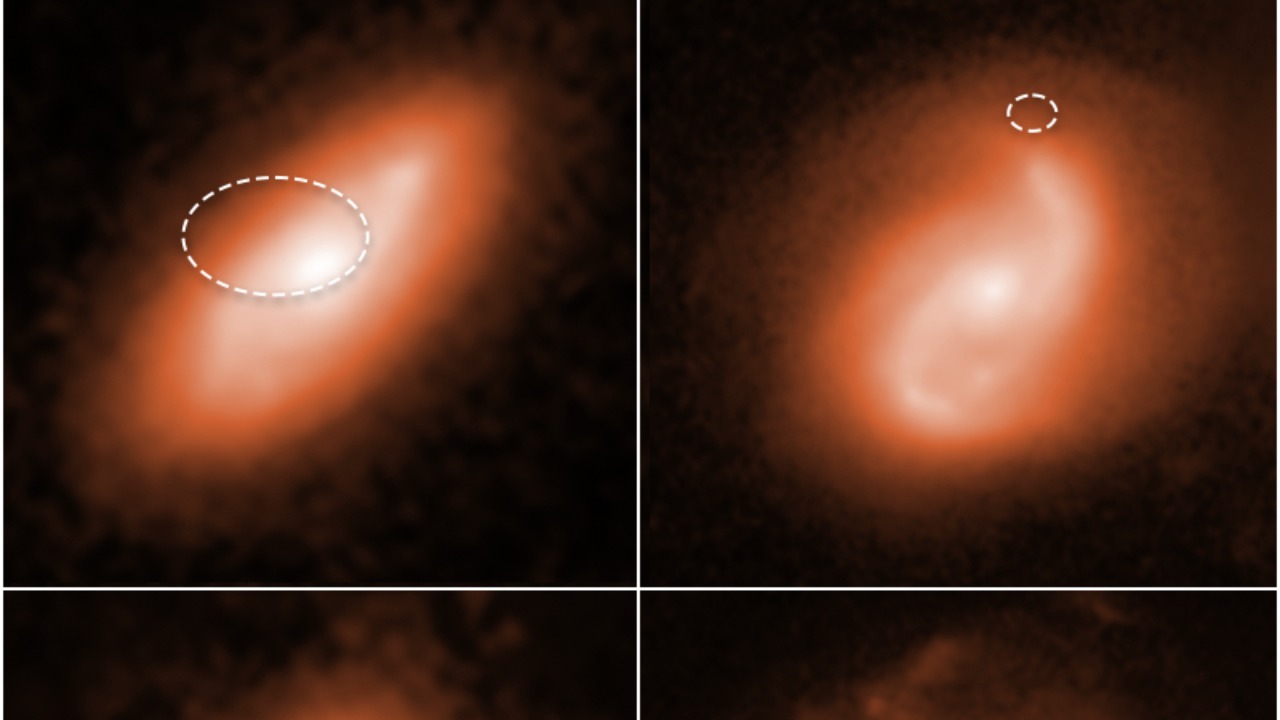
Fast radio bursts are brief, intense emissions of radio waves, typically lasting only a few milliseconds. They were first discovered in 2007 by astronomers who were analyzing archival data from the Parkes radio telescope in Australia. This discovery marked the beginning of a new era in radio astronomy, as researchers around the world scrambled to understand these perplexing signals. Despite their fleeting nature, FRBs have been detected in various parts of the sky, often from billions of light-years away.
One of the key distinctions in the study of FRBs is between repeating and non-repeating bursts. While most FRBs have been observed as singular events, some sources produce multiple bursts over time. The detection of a repeating FRB is particularly significant because it allows astronomers to study the same source in greater detail and facilitates the search for patterns or clues about the origins of these signals. The repeating nature of certain FRBs challenges existing models and suggests that a diverse set of processes could be responsible for their production.
Possible Origins and Theories
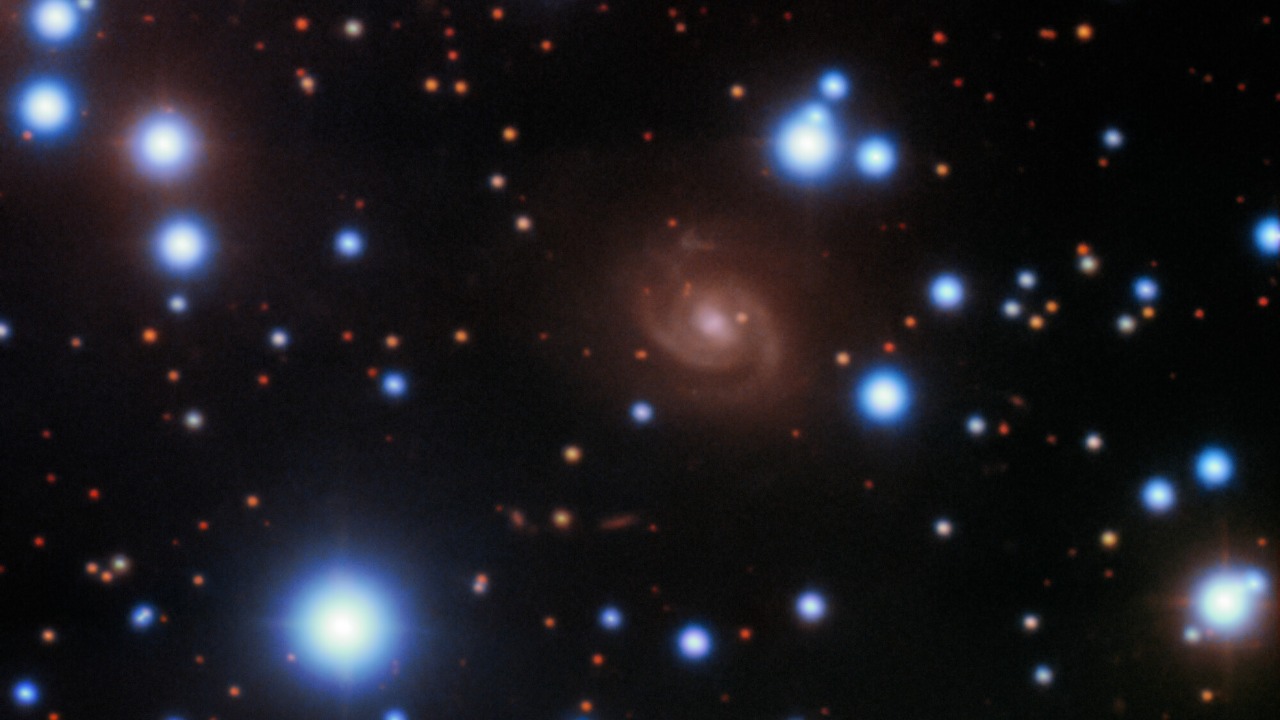
The mystery surrounding the origins of FRBs has led to various hypotheses, with one of the most prominent being that they are emitted by magnetars. Magnetars are a type of neutron star with extremely powerful magnetic fields, known to emit bursts of electromagnetic radiation across the spectrum. The connection between magnetars and FRBs is supported by observations of bursts with similar characteristics emanating from known magnetars in our galaxy. This theory provides a plausible explanation for the intense energy and variability observed in FRBs.
On the more speculative end of the spectrum, some researchers have proposed that FRBs could be signals from extraterrestrial intelligence. While this idea captures the public imagination, it remains highly contentious within the scientific community. The lack of conclusive evidence to support the extraterrestrial hypothesis means that it is generally viewed with skepticism. Nevertheless, the possibility, however remote, adds an element of intrigue and underscores the need for continued exploration and observation.
Technological Advances in Detection
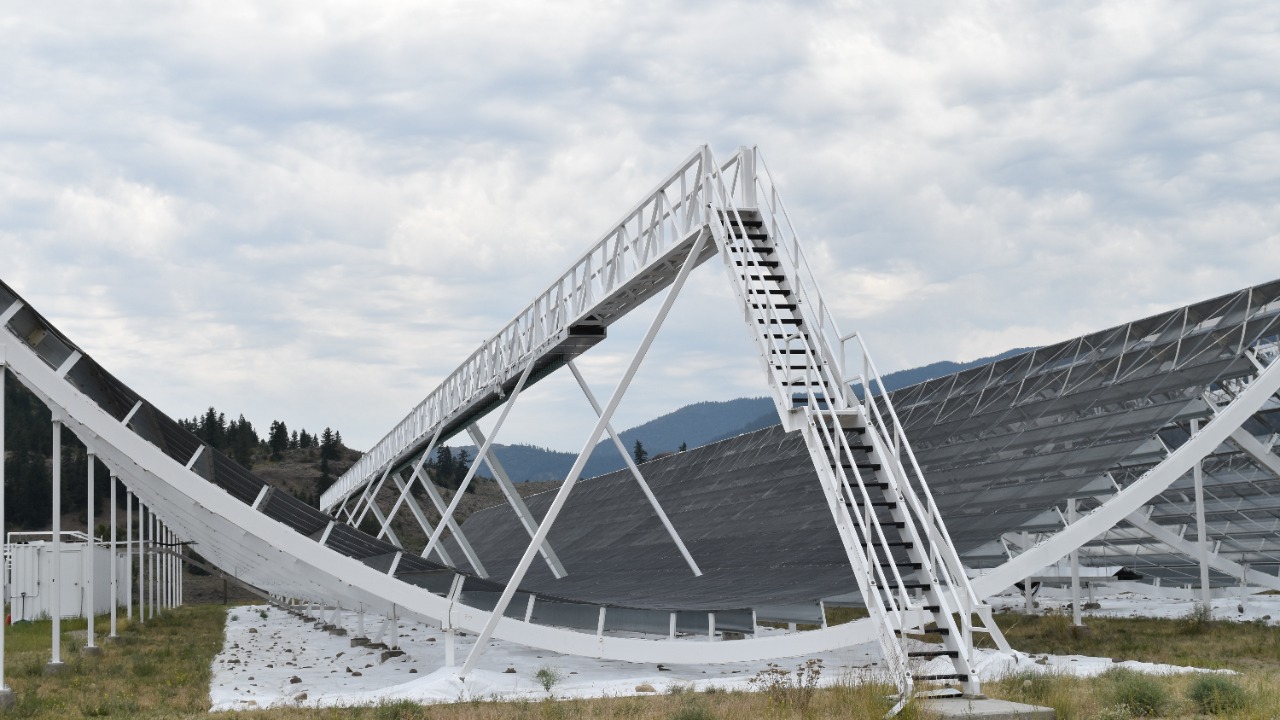
The ability to detect and analyze FRBs has been greatly enhanced by advancements in radio telescope technology. Instruments like the Canadian Hydrogen Intensity Mapping Experiment (CHIME) have revolutionized the field by providing unprecedented sensitivity and coverage. CHIME, with its innovative design and large collecting area, has been instrumental in identifying new FRB sources and studying their properties in detail. These technological advancements have opened new avenues for research and allowed astronomers to capture bursts that might have gone unnoticed with older equipment.
Alongside these technological improvements, sophisticated data analysis techniques have been developed to distinguish genuine FRBs from terrestrial interference. Algorithms capable of processing vast amounts of data in real time are employed to identify the signature of an FRB and separate it from the myriad of other signals captured by radio telescopes. This process is not without challenges, as the transient nature of FRBs and the prevalence of human-made radio interference can complicate detection efforts. However, ongoing improvements in data processing and machine learning promise to enhance the accuracy and reliability of FRB detection.
Implications for Astrophysics and Cosmology
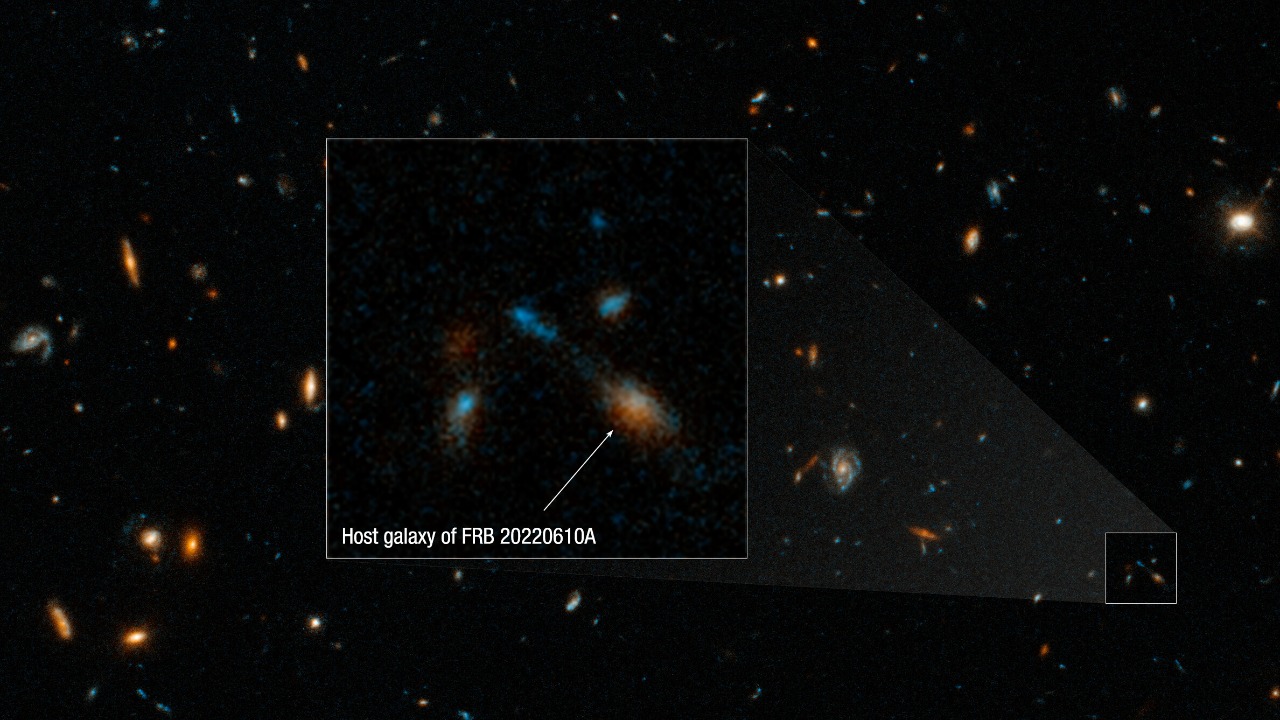
Studying FRBs offers a unique opportunity to gain insights into the large-scale structure of the universe. These bursts are invaluable tools for probing the distribution of matter across cosmic distances. As FRBs travel through space, they interact with the intervening material, leaving imprints on their signals that can be analyzed to infer the density and composition of the universe. This information can help refine models of cosmic structures and contribute to our understanding of fundamental cosmological questions.
The potential for new discoveries in astrophysics is another exciting aspect of FRB research. The study of these bursts encourages innovation and exploration, pushing the boundaries of what is possible in radio astronomy. As researchers continue to uncover new FRB sources and refine their models, there is an anticipation that breakthroughs in our understanding of the universe will follow. This dynamic field exemplifies the spirit of scientific inquiry and the potential for unexpected findings to reshape our knowledge of the cosmos.
Community and Public Interest

The study of FRBs highlights the importance of international collaboration in the scientific community. Researchers from institutions around the world are working together to share data, resources, and expertise in the pursuit of understanding these phenomena. Such collaboration is vital for advancing FRB research and demonstrates the power of collective scientific effort in addressing complex challenges.
Public fascination with FRBs has also played a role in driving awareness and support for scientific research. Media coverage and online discussions, such as those on Reddit, have helped bring these cosmic mysteries to a broader audience. This engagement underscores the importance of science communication and the need for ongoing dialogue between scientists and the public. As interest in FRBs continues to grow, so too does the potential for increased funding and resources dedicated to unraveling the secrets of these enigmatic signals.
