Astronomers have made a significant breakthrough in space exploration by discovering over 6,000 planets outside our solar system, known as exoplanets. This milestone has not only expanded our knowledge of the universe but also deepened our understanding of our place within it.
The Discovery of Exoplanets
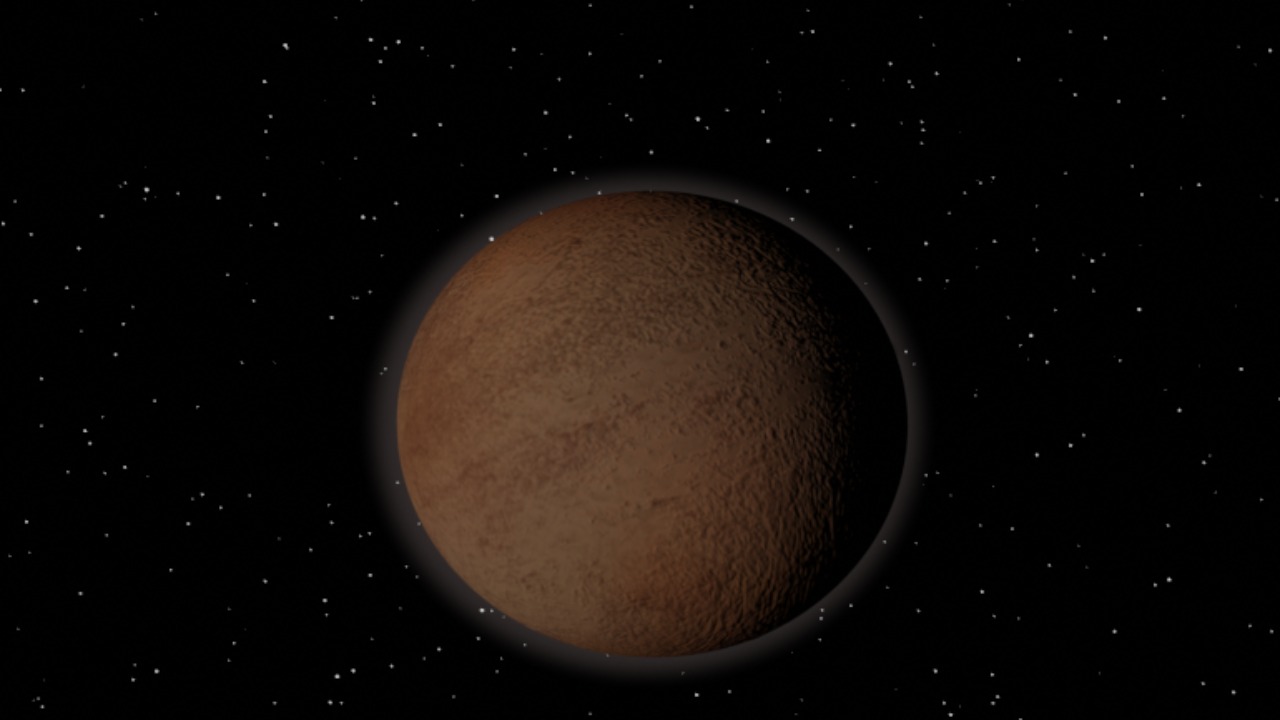
The discovery of these 6,000 exoplanets has been a complex process involving advanced technology and meticulous research. The role of NASA’s Hubble and Webb Telescopes has been pivotal in these discoveries. These telescopes have been instrumental in detecting the faint light of distant planets and analyzing their atmospheres, providing invaluable data for astronomers worldwide. USA Today reports that these discoveries have significantly expanded our understanding of the universe and the potential for life beyond Earth.
These exoplanets have been discovered using various methods, including the transit method, radial velocity method, and direct imaging. Each method has its strengths and limitations, but together they have allowed astronomers to identify a diverse range of exoplanets, from gas giants larger than Jupiter to rocky planets smaller than Earth.
Understanding Our Solar System in Relation to the Universe
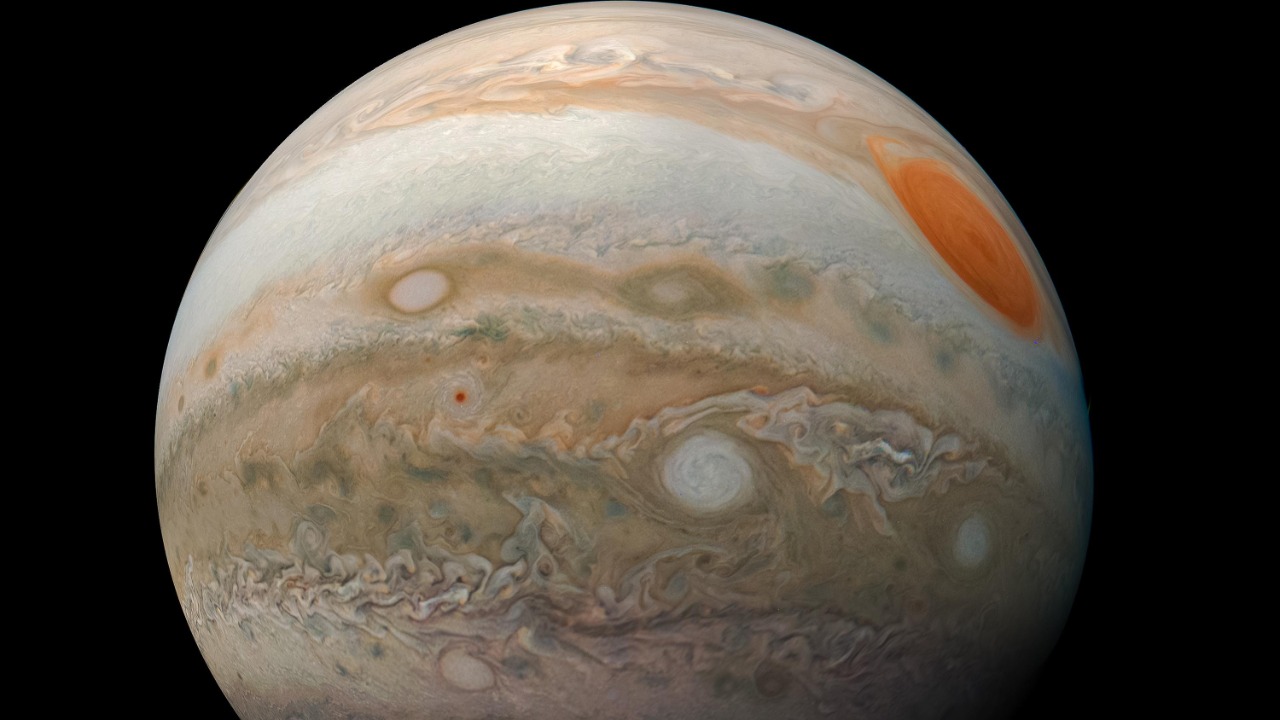
The discovery of these exoplanets has provided a new perspective on our solar system in relation to the universe. According to the Smithsonian Magazine, these discoveries have shed light on how our solar system compares to the rest of the universe, revealing a vast diversity of planetary systems.
These discoveries have also provided insights into the potential existence of alien life. The detection of exoplanets in the habitable zone, where conditions might be right for liquid water to exist, has sparked interest in the search for extraterrestrial life. While the existence of alien life remains unconfirmed, these discoveries have opened up new possibilities and fueled ongoing research.
As per Wired, the discovery of exoplanets has also led to the realization that our solar system is not as unique as once thought. Many of these exoplanets have been found in multi-planet systems, similar to our own, suggesting that our solar system’s architecture may be common in the universe. This realization has profound implications for our understanding of planetary formation and evolution.
Moreover, the diversity of exoplanets discovered so far has challenged our theories about planetary systems. Some exoplanets, known as ‘hot Jupiters’, are gas giants that orbit very close to their stars, a scenario not observed in our solar system. These findings have prompted scientists to rethink the dynamics of planetary systems and the factors that contribute to their formation and stability.
Exploring Alien Worlds
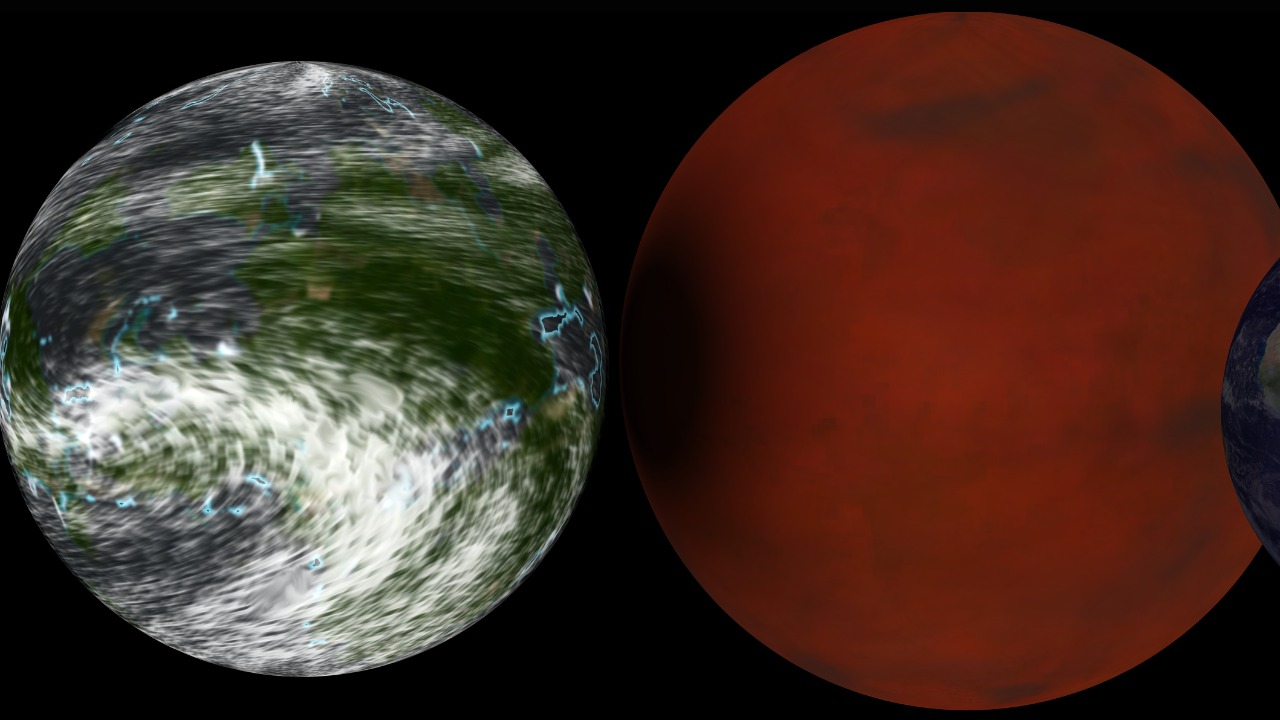
Among the 6,000 exoplanets discovered, some have stood out for their unique characteristics. These intriguing alien worlds have captured the imagination of scientists and the public alike. Sky at Night Magazine has highlighted some of the most captivating real photos of these alien worlds, providing a glimpse into these distant planets.
These images, captured by advanced telescopes, reveal a variety of planetary landscapes, from gas giants with thick atmospheres to rocky planets with potential for water. These images not only offer a visual representation of these distant worlds but also provide valuable data for further research and analysis.
According to Wired, some of the discovered exoplanets have been found to have extreme conditions, such as scorching temperatures, high radiation levels, and crushing atmospheric pressures. These extreme environments provide a unique opportunity to study the limits of planetary conditions and the potential for life to adapt in such environments.
Furthermore, the study of exoplanets has also led to the discovery of ‘super-Earths’ and ‘mini-Neptunes’, categories of planets that do not exist in our solar system. These planets, larger than Earth but smaller than Neptune, have sparked curiosity about their composition, atmosphere, and potential habitability. The exploration of these alien worlds is expanding our understanding of what a planet can be.
The Future of Exoplanet Exploration

While the discovery of 6,000 exoplanets is a significant milestone, it is just the tip of the iceberg. USA Today suggests that there could be billions more exoplanets waiting to be discovered outside our solar system. This potential for further discovery underscores the vastness of the universe and the endless possibilities for exploration.
The future of exoplanet exploration holds both challenges and breakthroughs. As reported by Syfy Wire, the ongoing development of technology and research methods will continue to push the boundaries of our knowledge and understanding of the universe. Despite the challenges, the prospect of discovering new worlds and potentially uncovering signs of alien life continues to drive the field of astronomy forward.
As highlighted by Wired, the future of exoplanet exploration will likely involve the use of more advanced telescopes and detection methods. The upcoming James Webb Space Telescope, for instance, is expected to revolutionize the field by allowing astronomers to study exoplanets in unprecedented detail. This will enable scientists to probe the atmospheres of these distant worlds, potentially detecting signs of life.
Moreover, the future of exoplanet exploration is not limited to observation from Earth. As reported by Syfy Wire, NASA and other space agencies are planning missions to directly image exoplanets, using spacecraft equipped with advanced instruments. These missions could provide a more detailed view of these alien worlds, furthering our understanding of the universe and potentially bringing us closer to answering the age-old question: Are we alone in the universe?
