Astronomers have recently detected a massive object beyond the edge of our solar system, sparking intrigue and curiosity in the scientific community. This exciting discovery has implications for our understanding of the solar system and could potentially reshape future space exploration. Source: space.com/astronomers discover a cosmic fossil at the edge of the solar system is this bad news for planet 9.
1. The Discovery of the Massive Object

The initial detection of this massive object was a significant milestone in astronomy. The discovery was made possible through the use of advanced technology and the collaborative efforts of various space agencies. The object was first observed through high-powered telescopes, which allowed astronomers to detect its faint light and track its movement.
Space agencies worldwide played a crucial role in this discovery. Their combined resources and expertise facilitated the detection and subsequent observation of the object. The international cooperation in this endeavor underscores the importance of global collaboration in advancing our understanding of the universe.
2. Description of the Massive Object
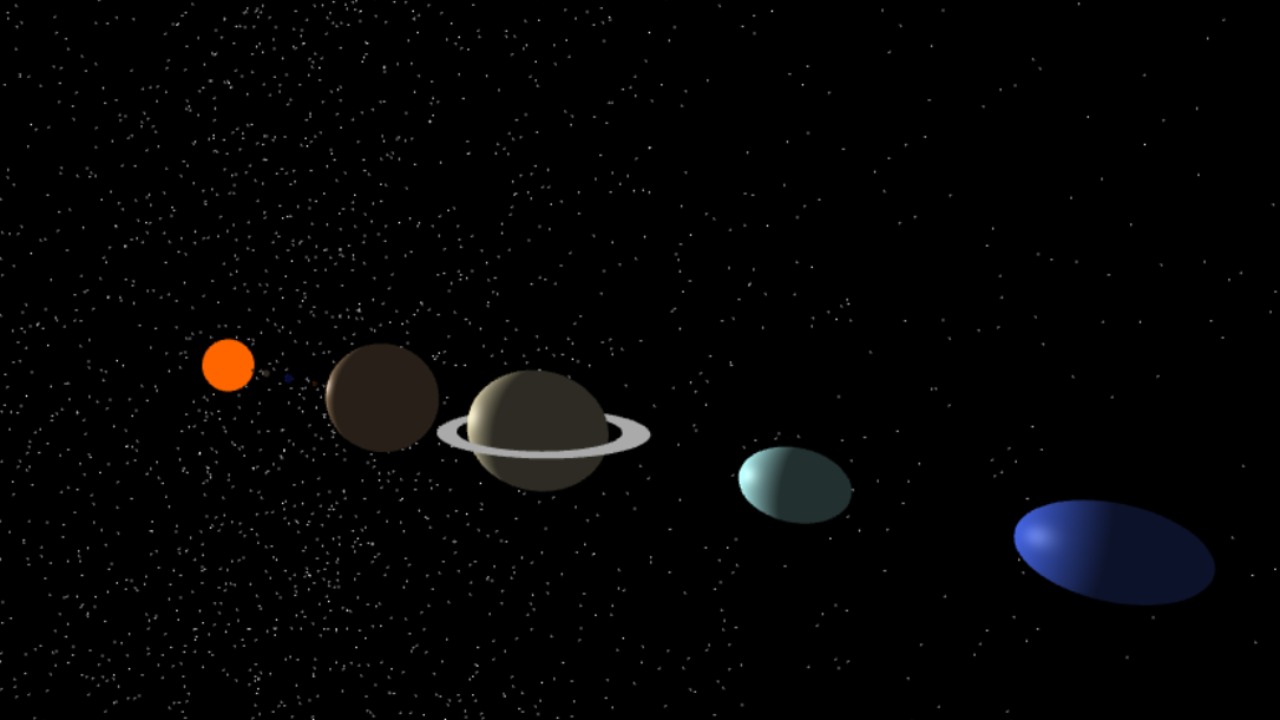
The object detected beyond the edge of our solar system is massive in size. Its physical attributes, including its composition, are still under investigation. However, initial observations suggest that it could be composed of rock and ice, similar to other celestial bodies in the outer solar system.
The estimated distance of the object from the sun is also significant. It is located far beyond the known boundaries of our solar system, making it one of the most distant objects ever detected. This discovery has prompted comparisons with other celestial bodies in our solar system, further fueling the curiosity and excitement in the scientific community.
3. The Possibility of a New Planet
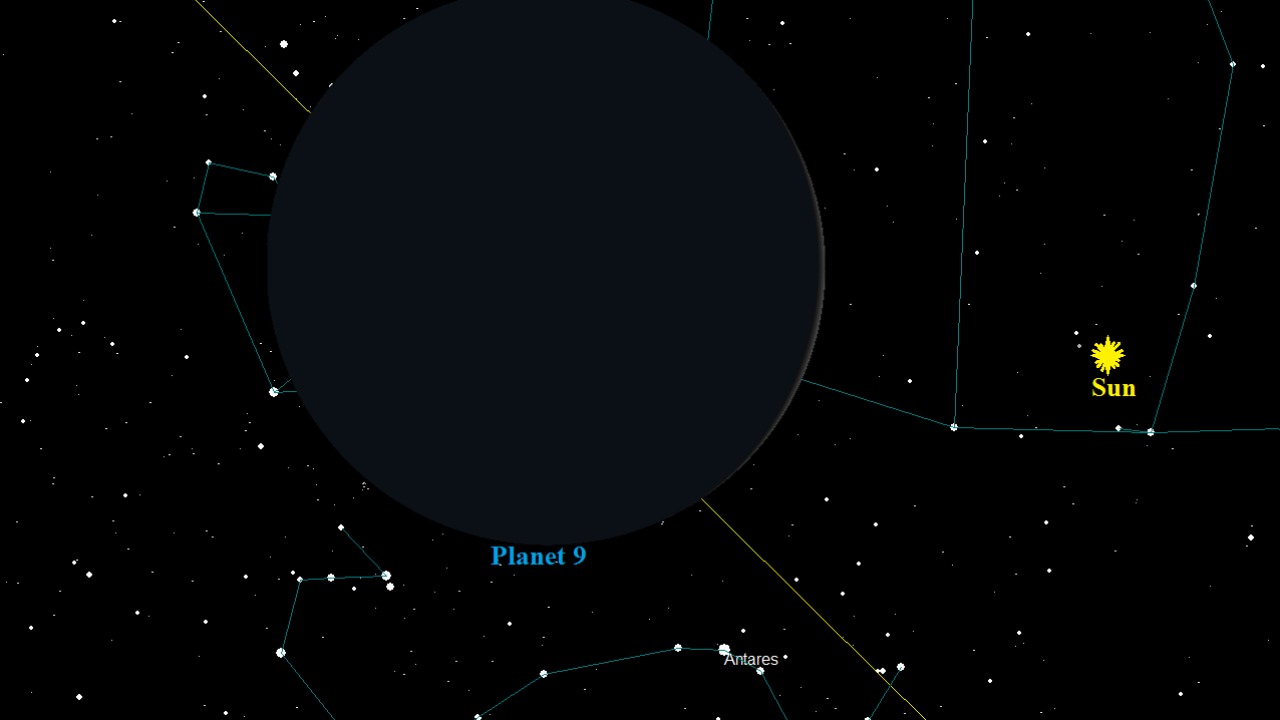
The detection of the massive object has reignited the debate among scientists about the existence of “Planet Nine”. Some astronomers believe that the object could be this elusive planet, which has been theorized but never observed. The hunt for “Planet Nine” has been a long-standing quest in astronomy, and this discovery could potentially provide new clues in this search.
However, there is also evidence opposing this theory. Some scientists argue that the object’s characteristics and orbit do not match the predictions for “Planet Nine”. The debate is ongoing, and further observations and studies are needed to determine the true nature of the object.
4. The Massive Object and Dwarf Planets
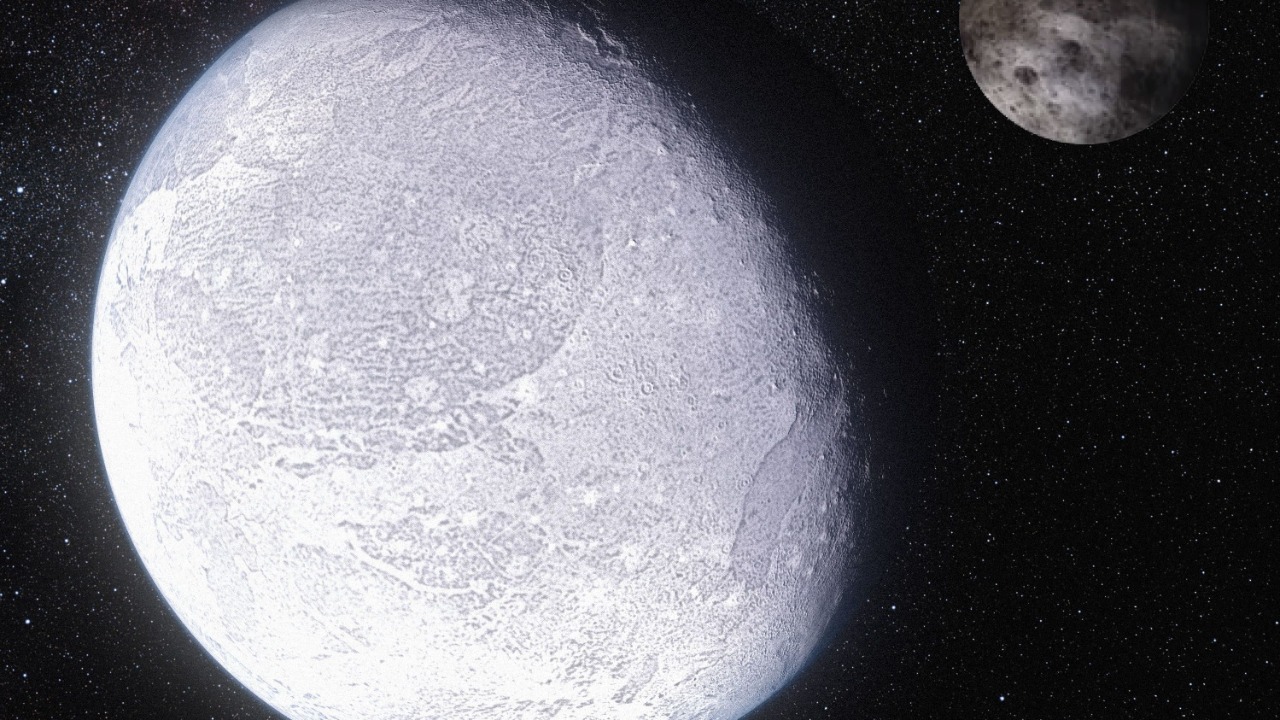
Another possibility is that the object could be classified as a dwarf planet. Dwarf planets are celestial bodies that orbit the sun and are not moons, but they are not large enough to clear their orbits of other debris. The object’s size and location suggest that it could fit this category.
However, the object is significantly larger than most known dwarf planets. This has led to comparisons with other dwarf planets, such as Eris and Pluto. The discovery of this object could potentially expand our understanding of dwarf planets and their role in the solar system.
5. Implications for the Oort Cloud Theory
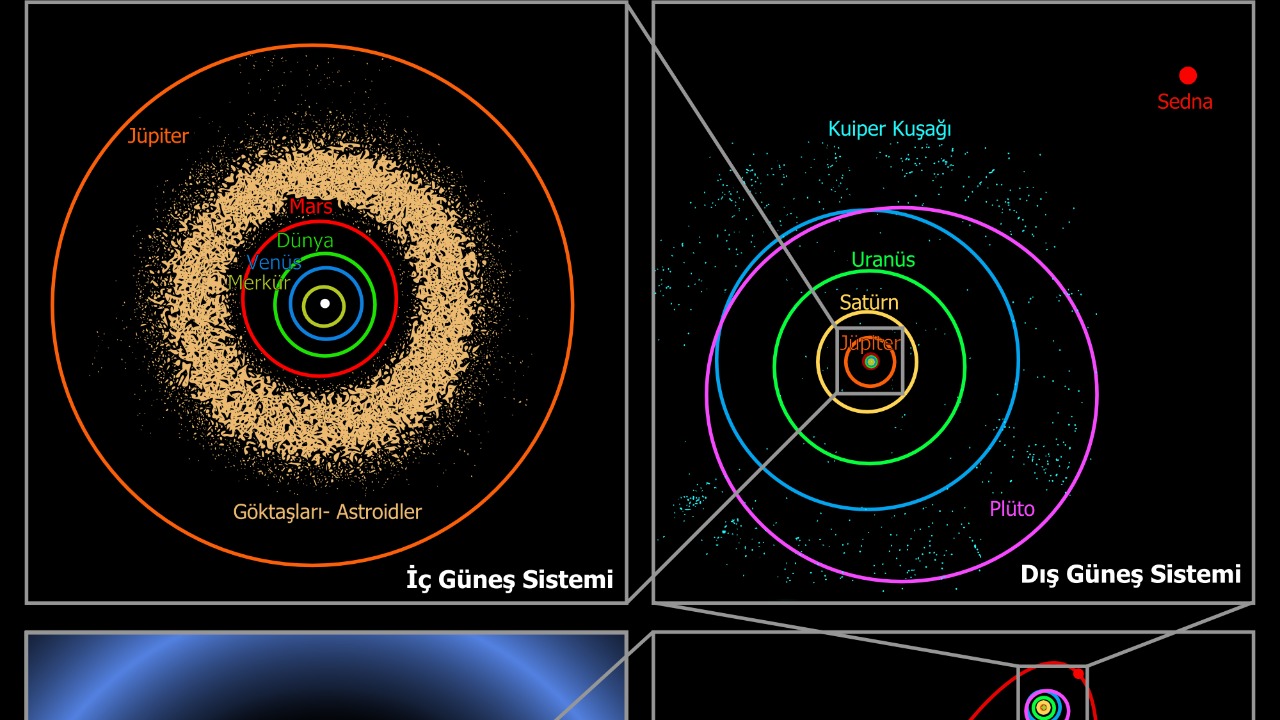
The Oort Cloud theory proposes that a cloud of icy objects exists in the farthest reaches of our solar system. This discovery could potentially support this theory, as the object could be part of the Oort Cloud. However, its distance from the sun and its size are larger than what is typically associated with the Oort Cloud.
On the other hand, the discovery could also challenge the Oort Cloud theory. If the object is not part of the Oort Cloud, it could suggest that there are other, yet undiscovered, regions of the solar system. This discovery underscores the significance of continued exploration and study of the outer solar system.
6. Impact on Our Understanding of the Solar System
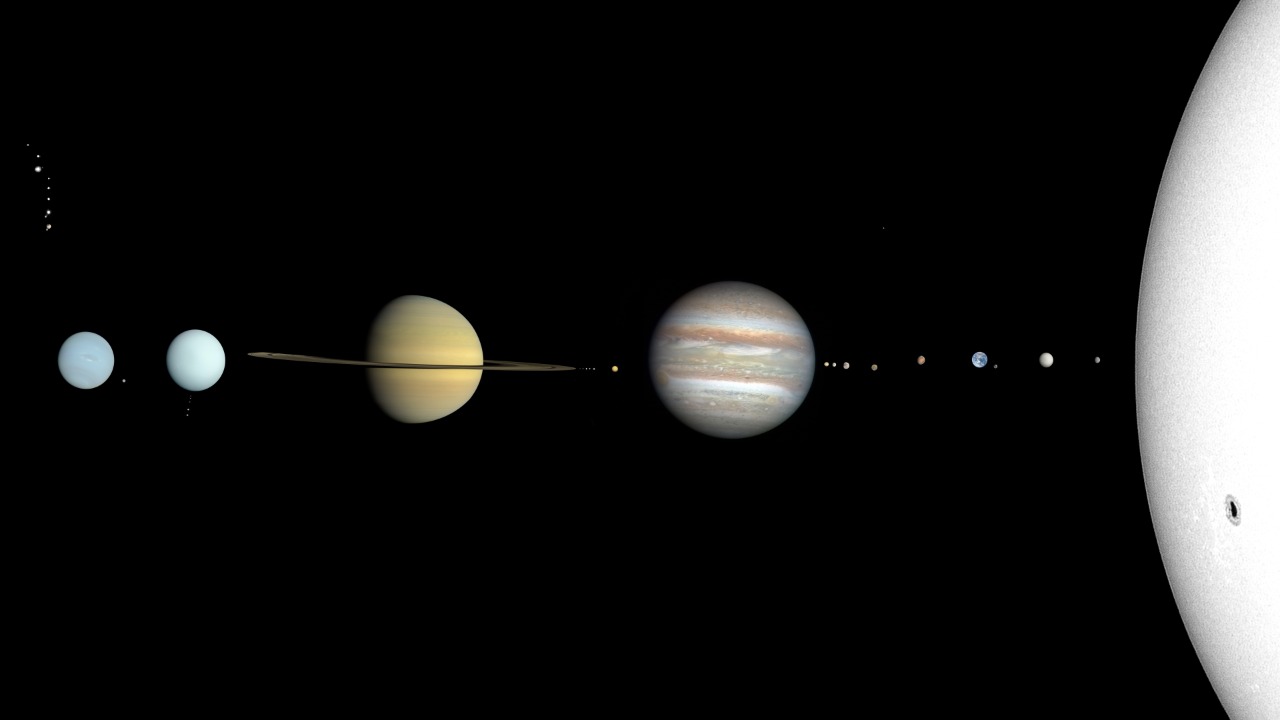
The detection of the massive object has profound implications for our understanding of the solar system. It challenges the conventional boundaries of the solar system and suggests that there could be more objects lurking in the outer reaches. This discovery could potentially reshape our understanding of solar system formation and evolution.
Furthermore, the discovery opens up the possibility of detecting other objects beyond the solar system’s edge. These objects could provide valuable insights into the early history of the solar system and the processes that led to the formation of planets and other celestial bodies.
7. The Role of Technology in Space Exploration

The technology that made the detection of the massive object possible is a testament to the advancements in space exploration. High-powered telescopes and sophisticated data analysis tools were instrumental in this discovery. As technology continues to advance, it is likely that more such discoveries will be made in the future.
The importance of technological innovation in space exploration cannot be overstated. It not only enables the detection and study of distant objects but also facilitates the exploration of other planets and moons. The discovery of the massive object underscores the role of technology in expanding our knowledge of the universe.
8. Future Research and Exploration
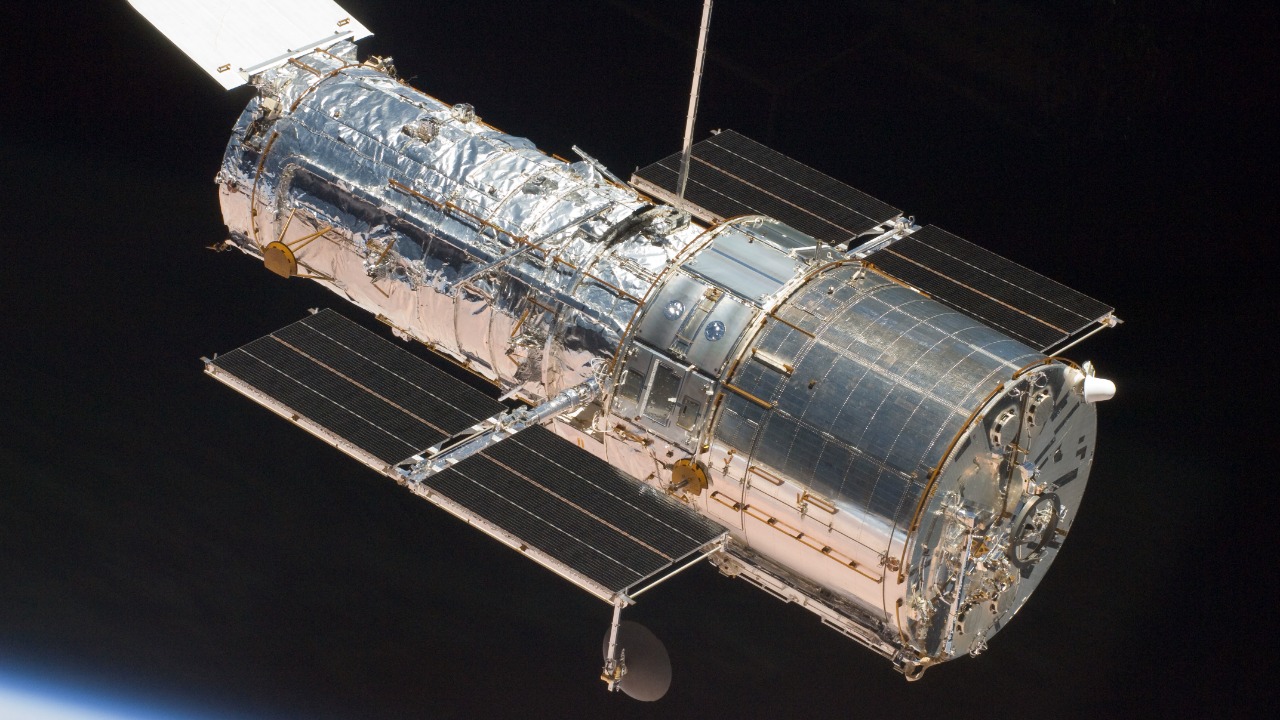
Following the detection of the massive object, plans are underway for further studies and missions to investigate it. These include detailed observations to determine its composition and structure, as well as its orbit and interaction with other celestial bodies. However, studying the object presents significant challenges due to its distance and faint light.
International cooperation will be crucial in these future endeavors. The combined resources and expertise of space agencies worldwide will be needed to overcome the challenges and unlock the secrets of the massive object. This discovery highlights the importance of global collaboration in advancing our understanding of the universe.
9. Broader Implications for Astronomy and Science

The discovery of the massive object has far-reaching implications for the field of astronomy. It opens up new avenues of research and could potentially reshape our understanding of the solar system. The discovery also underscores the importance of continued exploration and study of the outer solar system.
Moreover, the discovery has the potential to inspire interest in space science among the public. The mystery and intrigue surrounding the object could spark curiosity and encourage more people to learn about astronomy and the universe. The broader implications of this discovery extend beyond the scientific community, influencing our collective understanding of the universe and our place in it.
