In a recent groundbreaking discovery in astrophysics, astronomers have unveiled the presence of a “ghost star” nestled within the remnants of a supernova. This novel find sheds light on the life cycles of stars and the aftermath of supernova explosions.
Supernova Remnants and the Ghost Star
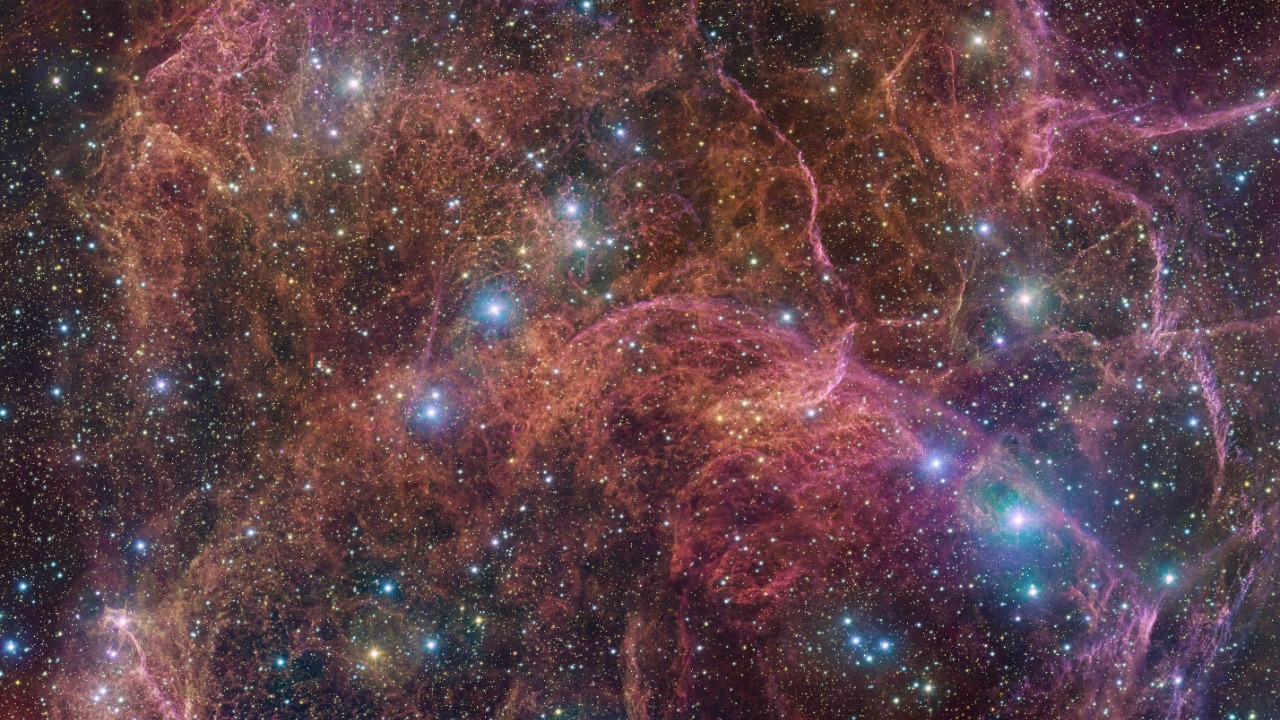
A supernova remnant is the structure resulting from the cataclysmic explosion of a star in a supernova. The remnant is bound by an expanding shock wave and consists of ejected material expanding from the explosion, as well as interstellar material it sweeps up along its path. Nestled within one such remnant, astronomers have discovered the presence of a ghost star.
The ghost star was found within the Vela supernova remnant, a large and relatively close supernova remnant in the southern sky. This Vela supernova remnant was once a giant star that exploded about 11,000-12,300 years ago. The ghost star, a dense core that survived the explosion, is approximately 1.4 times the mass of our sun but packed into an incredibly compact size.
Discovery and Observation Techniques

Modern technology and advanced observation techniques have played a pivotal role in this discovery. The ghost star was discovered and observed using the Very Large Telescope (VLT), a state-of-the-art observatory located in northern Chile. The VLT’s advanced spectroscopic capabilities, in conjunction with other observational methods, allowed astronomers to detect the ghost star’s unique characteristics.
Uncovering the ghost star was no easy task. It required meticulous observation and analysis due to the ghost star’s faintness and its location within the supernova remnant. However, the evolution of technology and techniques in astronomy, such as the development of more powerful telescopes and sophisticated image processing, have made such incredible discoveries possible.
The Life and Death of Stars
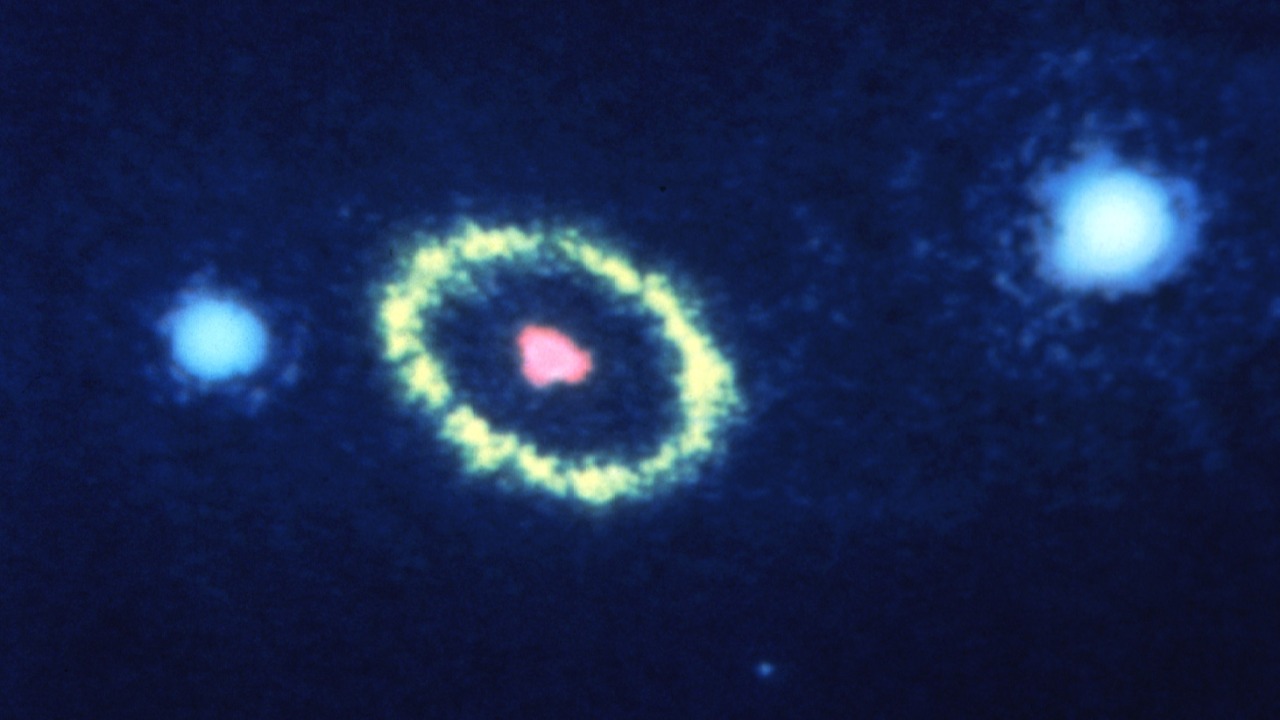
Stars undergo a series of transformations throughout their lives, from their birth within dense clouds of dust and gas to their explosive death as supernovae. Following the supernova explosion, what remains of the star can form a dense core, or a ‘ghost star’. This ghost star discovery provides valuable insight into these late stages of a star’s life and the phenomena that occur post-supernova.
The ghost star within the Vela supernova remnant was once a giant star. Scientists came to this conclusion after analyzing the star’s spectral signature and its location within the remnant, which provided clues about its past. This discovery aids our understanding of the final stages of giant stars and the aftermath of their explosive deaths.
Implications of the Discovery
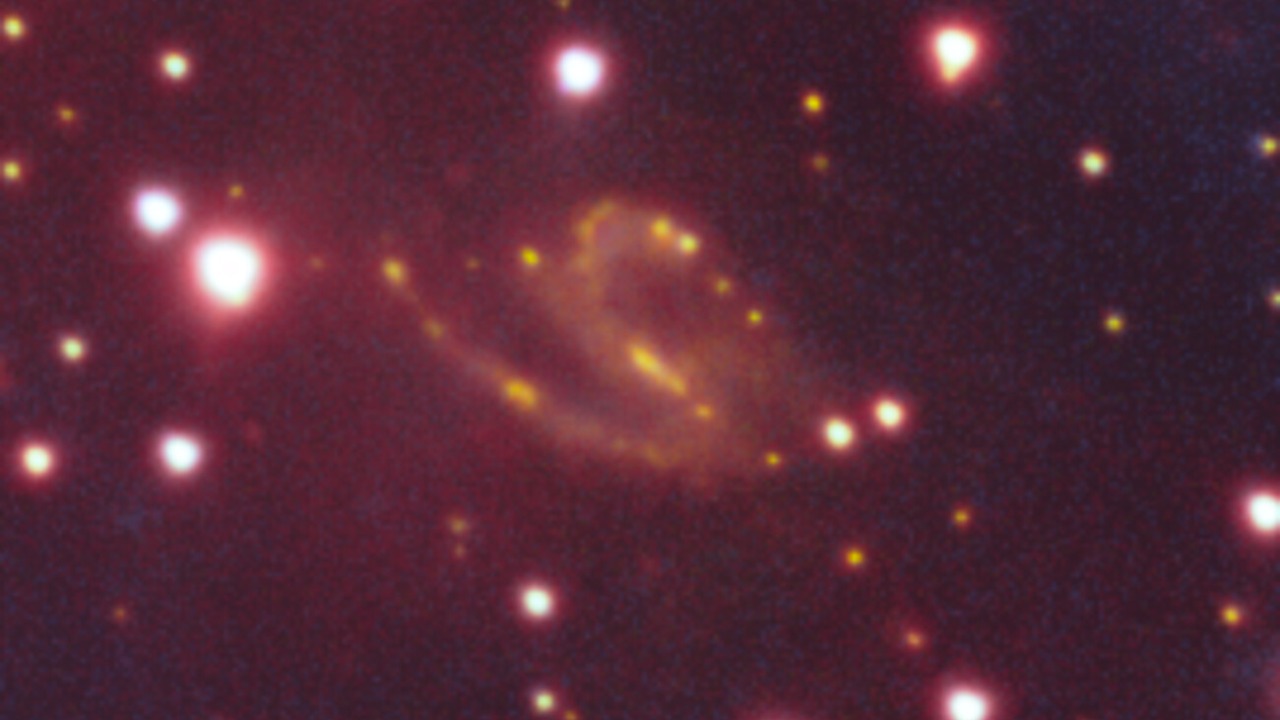
The discovery of the ghost star has far-reaching implications for our understanding of the universe. It provides a unique glimpse into the aftermath of supernova explosions and the remnants they leave behind. Furthermore, it contributes to our knowledge of star life cycles, particularly the final stages of giant stars.
Additionally, the ghost star could potentially contribute to future research and discoveries in astrophysics. By studying the ghost star and its surrounding supernova remnant, scientists may uncover more about the processes that occur during and after a supernova explosion. This could potentially lead to newer insights about the universe and its myriad celestial phenomena.
The Future of Astronomy and Astrophysics
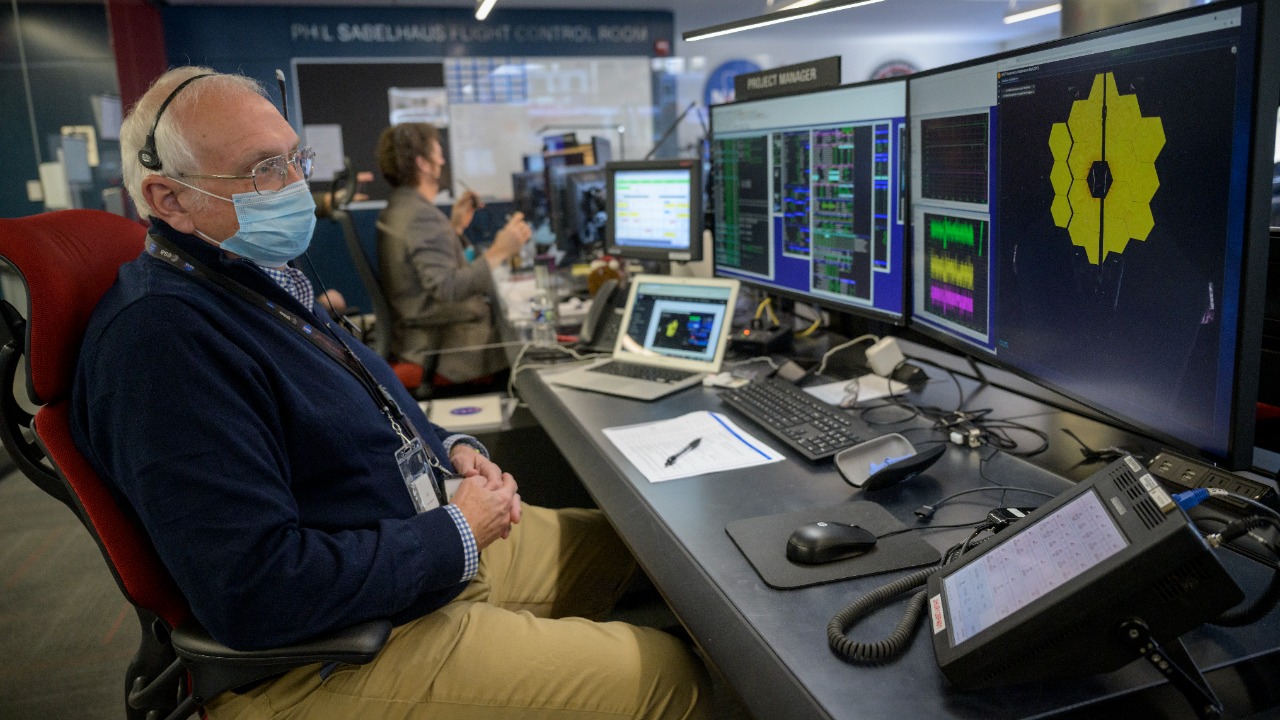
The field of astronomy has made significant strides in recent years, with the discovery of the ghost star being a notable highlight. This discovery not only contributes to our knowledge of stars and supernovae but also serves as a testament to the progress made in observational technology and techniques.
Technological advancements, such as the development of increasingly powerful telescopes and sophisticated observational methods, have played a crucial role in facilitating such discoveries. As we continue to innovate and push the boundaries of technology, the future of astronomy and astrophysics holds the promise of even more exciting discoveries and deeper understanding of the cosmos.
For instance, the detection of the ghost star’s core could unlock new perspectives on stellar evolution and the nature of supernova remnants. As our tools and techniques continue to evolve, who knows what else we might uncover about our vast and mysterious universe?
