Recently, astronomers have observed mysterious flashes of light near the edge of the Milky Way, sparking curiosity and excitement within the scientific community. These unusual phenomena have led researchers to explore potential explanations, ranging from interstellar objects to fast radio bursts. The latest findings and theories surrounding these enigmatic flashes are captivating both scientists and the public alike.
The Phenomenon Unveiled
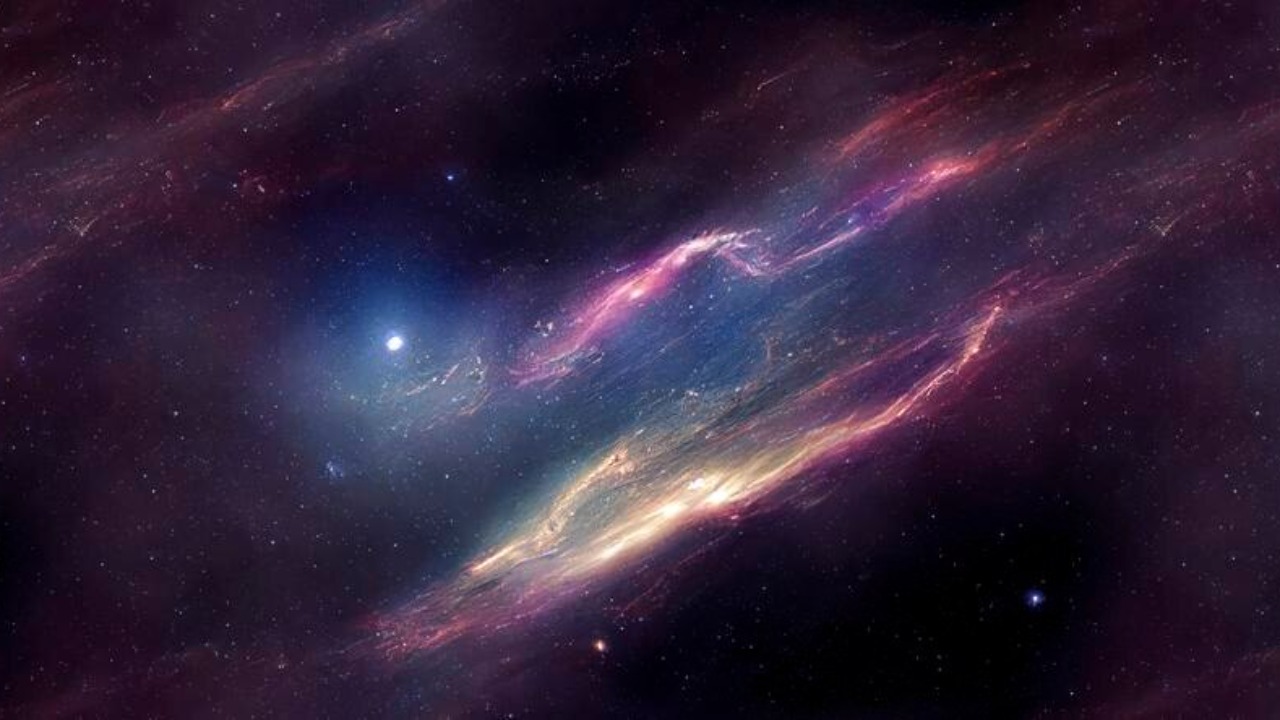
In a remarkable discovery, astronomers detected strange flashes near the Milky Way’s edge using advanced telescopes and imaging technology. These observations were made possible by a combination of ground-based and space telescopes, which allowed scientists to capture these fleeting events with unprecedented clarity. The initial observations revealed bright, short-lived bursts of light that appeared sporadically, challenging researchers to determine their origin.
The equipment used in this discovery includes some of the most sophisticated instruments in modern astronomy. High-resolution telescopes equipped with sensitive detectors were crucial in capturing the flashes, while advanced data processing techniques helped in analyzing the signals. The significance of these tools cannot be overstated, as they represent the cutting edge of astronomical research, enabling scientists to explore phenomena that were previously beyond reach.
The announcement of these findings elicited immediate reactions from both the scientific community and the public. Researchers expressed excitement and curiosity, eager to delve deeper into the mystery of these flashes. Meanwhile, the public’s interest was piqued, with many eager to learn more about what these flashes could mean for our understanding of the universe.
Possible Explanations
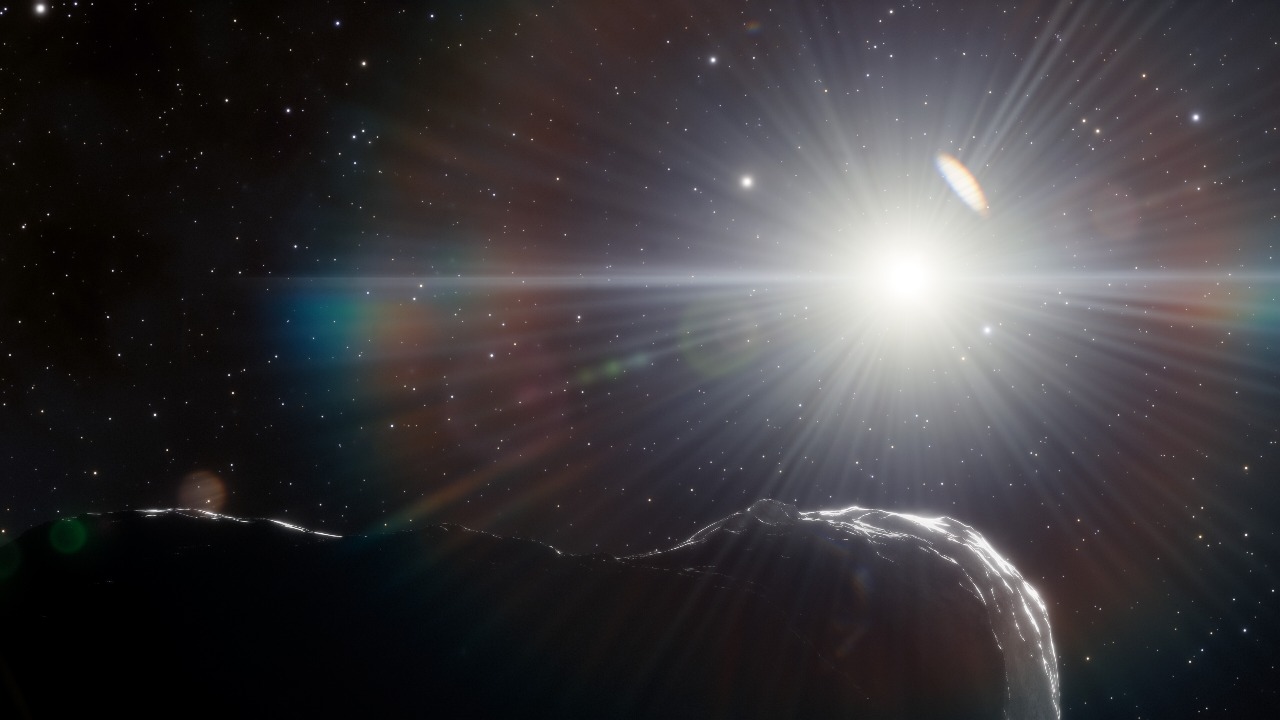
One potential explanation for these flashes is the presence of interstellar objects. Recently, an interstellar object known as 3I/ATLAS has been observed brightening as it approaches the Sun. This raises the possibility that similar objects could be responsible for the flashes observed near the Milky Way’s edge. These objects, traveling through space at high speeds, might interact with the interstellar medium in ways that produce brief, intense bursts of light.
Another intriguing possibility is that the flashes are linked to fast radio bursts (FRBs). These mysterious signals have been a topic of intense study, with recent research suggesting that they originate from a variety of sources across the universe. According to a report, two FRBs were traced back to wildly different locations in space, highlighting the diversity of their origins. The flashes near the Milky Way’s edge could be related to similar processes, providing new insights into the nature of FRBs.
Cosmic collisions offer yet another hypothesis. Events such as comet impacts or other celestial collisions could generate the observed flashes. These high-energy events release significant amounts of light and radiation, potentially explaining the sudden bursts detected by astronomers. While this theory requires further investigation, it remains a compelling possibility given the dynamic nature of our galaxy.
Implications for Astronomy

The discovery of these flashes holds significant implications for our understanding of the Milky Way and the broader universe. By studying these phenomena, astronomers hope to gain insights into the processes occurring at the galaxy’s edge, which remains one of the least understood regions of our cosmic neighborhood. This research could enhance our knowledge of galactic dynamics, star formation, and the behavior of interstellar matter.
Technological advancements are also likely to result from this discovery. The need to observe and analyze these fleeting events could drive the development of new observational technologies and methods. Enhanced imaging techniques, more sensitive detectors, and improved data analysis tools may emerge as scientists strive to capture and interpret these elusive signals more effectively.
Future research directions are already being charted, with targeted observation campaigns and collaborations on the horizon. These efforts aim to gather more data on the flashes, refine existing theories, and potentially uncover new phenomena. The scientific community is poised to explore these avenues, eager to unlock the secrets hidden at the edge of our galaxy.
Public Engagement and Skywatching Opportunities
The public’s interest in these flashes presents an opportunity for citizen science initiatives. Amateur astronomers and enthusiasts can contribute to the study of these phenomena by participating in observation campaigns and data collection efforts. By engaging with the scientific community, the public can play a vital role in advancing our understanding of these cosmic events.
Upcoming celestial events offer additional opportunities for skywatching. According to a report, two bright comets will be visible on the same night as a meteor shower this October. These events provide a chance for both amateur and professional astronomers to observe the night sky and potentially catch a glimpse of the mysterious flashes.
Educational outreach efforts are also underway to inform and engage the public about the significance of these flashes and the broader field of astronomy. By raising awareness and fostering interest in space exploration, these initiatives aim to inspire the next generation of astronomers and scientists.
Broader Cosmic Mysteries
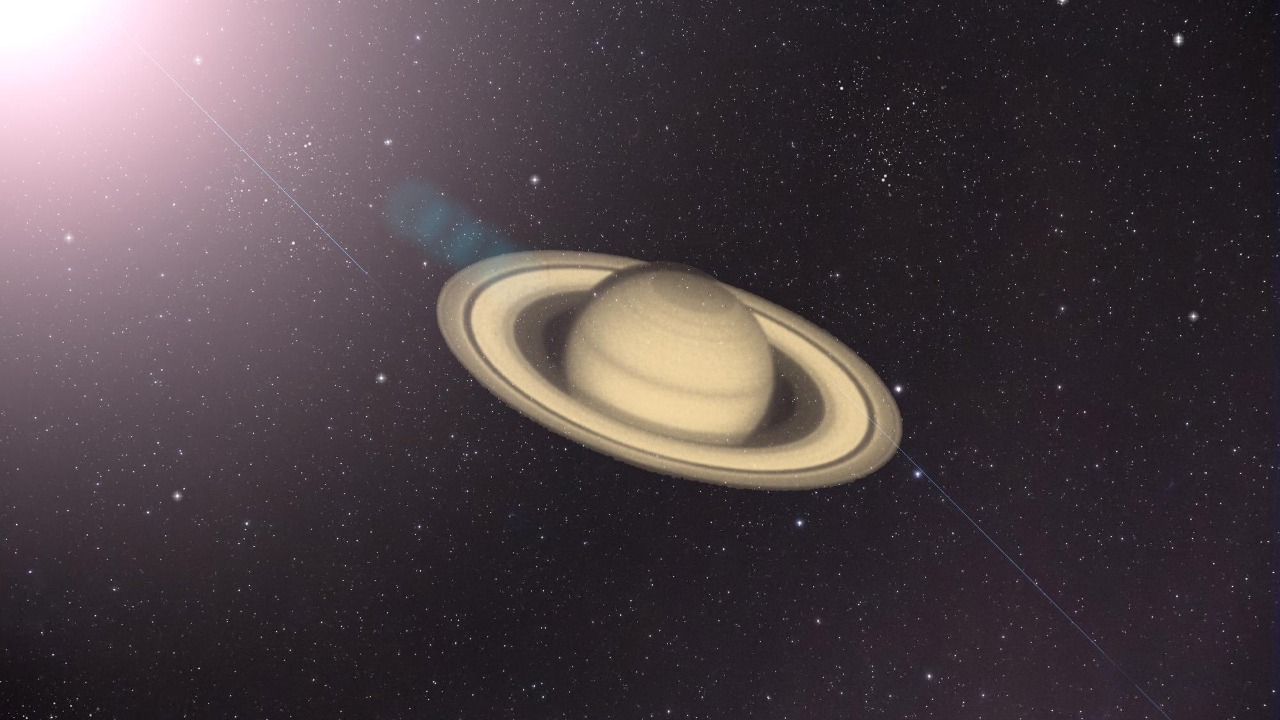
The strange flashes near the Milky Way’s edge are part of a broader tapestry of cosmic mysteries that continue to intrigue astronomers. Recently, a mysterious flash was observed near Saturn, prompting investigations into its cause. Such incidents highlight the dynamic and unpredictable nature of our universe, where new discoveries constantly challenge our understanding.
These phenomena raise numerous unanswered questions, pushing the boundaries of current astronomical knowledge. The challenges faced by astronomers in unraveling these mysteries underscore the complexity of the universe and the need for continued exploration. As researchers strive to decode these cosmic signals, they are reminded of the vastness and intricacy of the cosmos.
The search for answers is a driving force behind the ongoing quest to understand the universe’s unknowns. By embracing new technologies, fostering collaborations, and engaging the public, the scientific community is well-positioned to make significant strides in uncovering the secrets of the cosmos. As we look to the future, the potential for discovery remains boundless, promising new insights into the nature of our galaxy and beyond.
For those interested in observing the night sky, resources such as night sky maps can provide valuable guidance on what to look for and when. These tools help both amateur and professional astronomers plan their observations and maximize their chances of witnessing these extraordinary phenomena.
