Astronauts aboard the International Space Station (ISS) recently experienced a mysterious burst of light that captured their attention and sparked intrigue within space observation communities. NASA has now shared evidence of this enigmatic event, providing concrete documentation to address the phenomenon. This development builds on earlier reports of a strange glow on Saturn’s moon that has been haunting NASA scientists, suggesting potential links between these celestial anomalies (MSN; Daily Galaxy).
The Incident Aboard the ISS
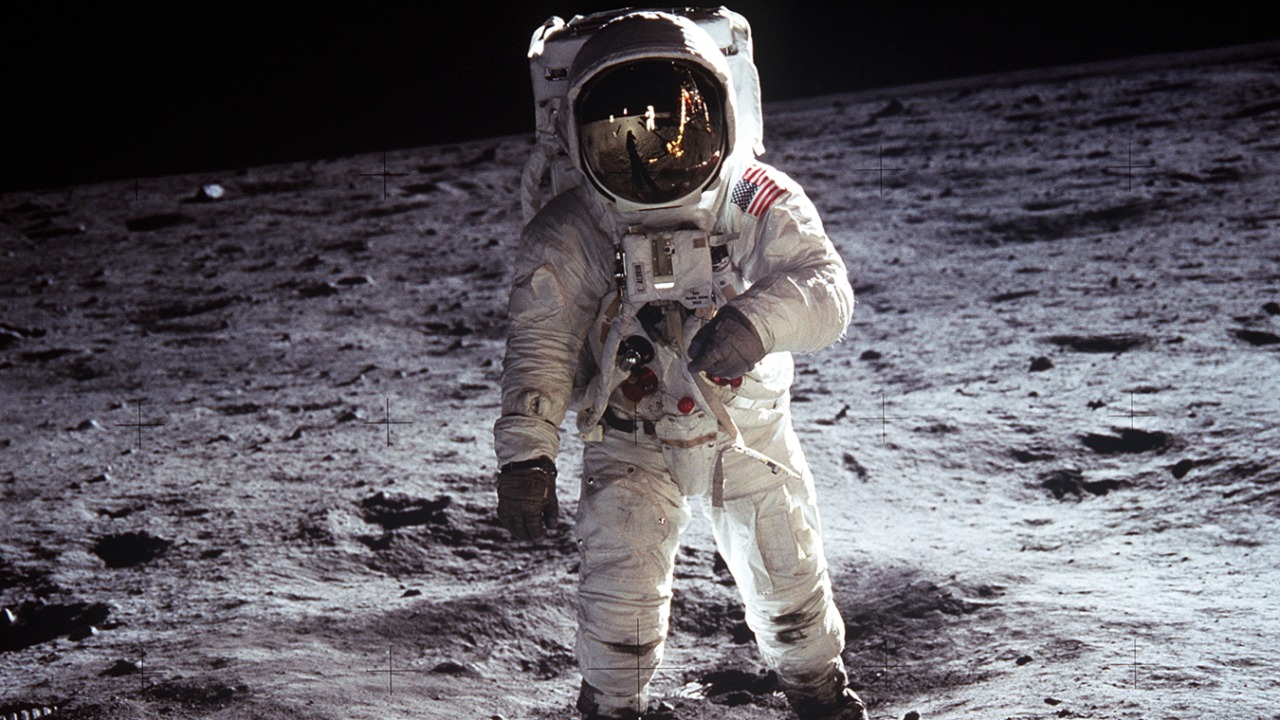
During routine operations, astronauts on the ISS were taken aback by a sudden burst of light. This unexpected event occurred without any immediate explanation, leaving the crew puzzled and prompting further investigation. The incident, which unfolded in the context of the space station’s ongoing activities, added a layer of mystery to the daily operations of the astronauts (MSN).
The burst of light was not only a surprise but also a significant occurrence that drew attention from both the crew and NASA’s ground teams. The lack of an immediate explanation heightened the intrigue, leading to a concerted effort to document and analyze the event. This incident has since become a focal point for discussions about unexplained phenomena in space, highlighting the need for continued observation and research (MSN).
Further analysis of the burst of light revealed that it was not associated with any known man-made or natural phenomena typically observed from the ISS. This has led scientists to speculate about the potential sources of such an event, ranging from cosmic rays to unknown atmospheric interactions. The rarity of such occurrences makes them particularly valuable for scientific study, as they can provide insights into the less understood aspects of space weather and its impact on human-made structures in orbit. The ISS, equipped with advanced sensors and cameras, offers a unique vantage point for capturing these fleeting moments, which are often missed by ground-based observatories (MSN).
NASA’s Release of Evidence
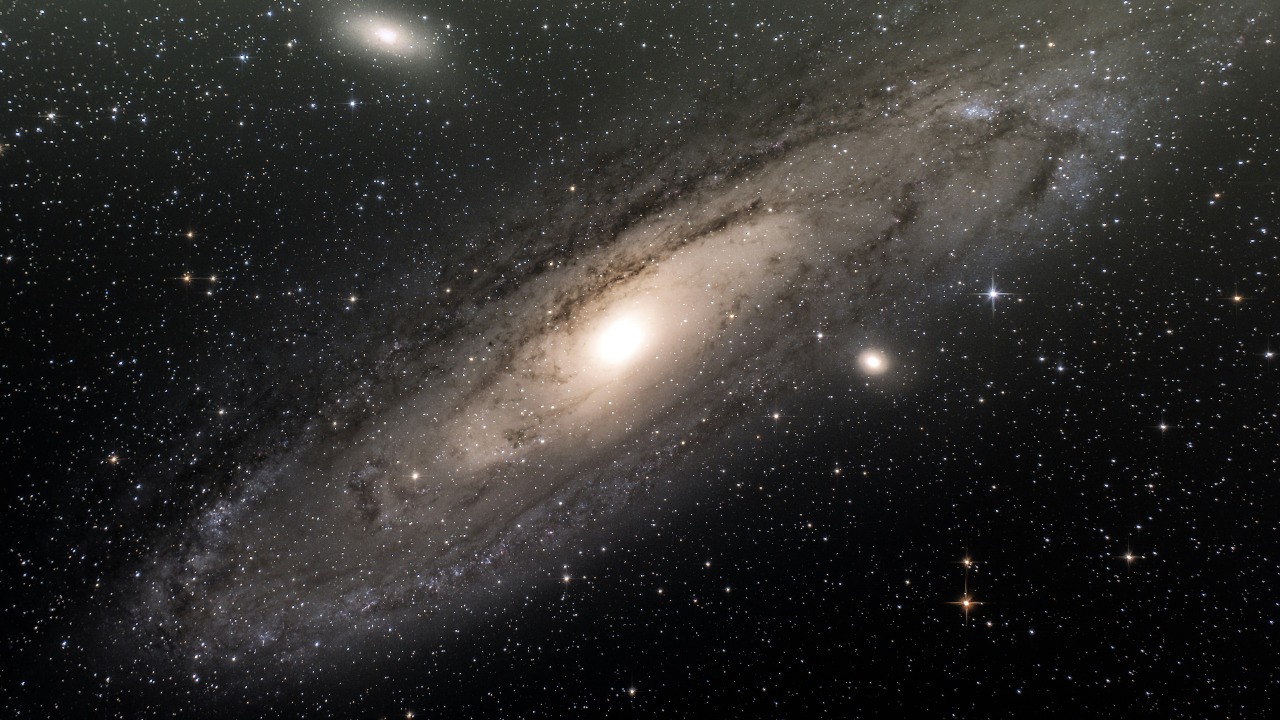
NASA has taken a significant step by releasing detailed documentation and analysis of the mysterious burst of light observed by the ISS astronauts. This release marks a key milestone in addressing the observations made by the crew, providing the public and scientific community with concrete evidence of the event. The documentation includes comprehensive data that NASA hopes will shed light on the nature and origin of the burst (MSN).
By making this information public, NASA aims to foster a deeper understanding of such phenomena and encourage further research. The release of this evidence not only addresses the immediate questions raised by the incident but also contributes to the broader discourse on unexplained optical events in space. This transparency is crucial for advancing scientific knowledge and ensuring that similar occurrences are better understood in the future (MSN).
The documentation released by NASA includes high-resolution images and spectral data that provide a detailed view of the light burst. This data is crucial for understanding the composition and potential origin of the light, as different wavelengths can indicate various sources. For instance, certain wavelengths might suggest interactions with solar particles, while others could point to more exotic sources like dark matter interactions or even previously unknown cosmic phenomena. By analyzing these data sets, scientists hope to build a more comprehensive picture of the event, contributing to the broader field of astrophysics and enhancing predictive models for similar occurrences (MSN).
Prior Celestial Anomaly on Saturn’s Moon
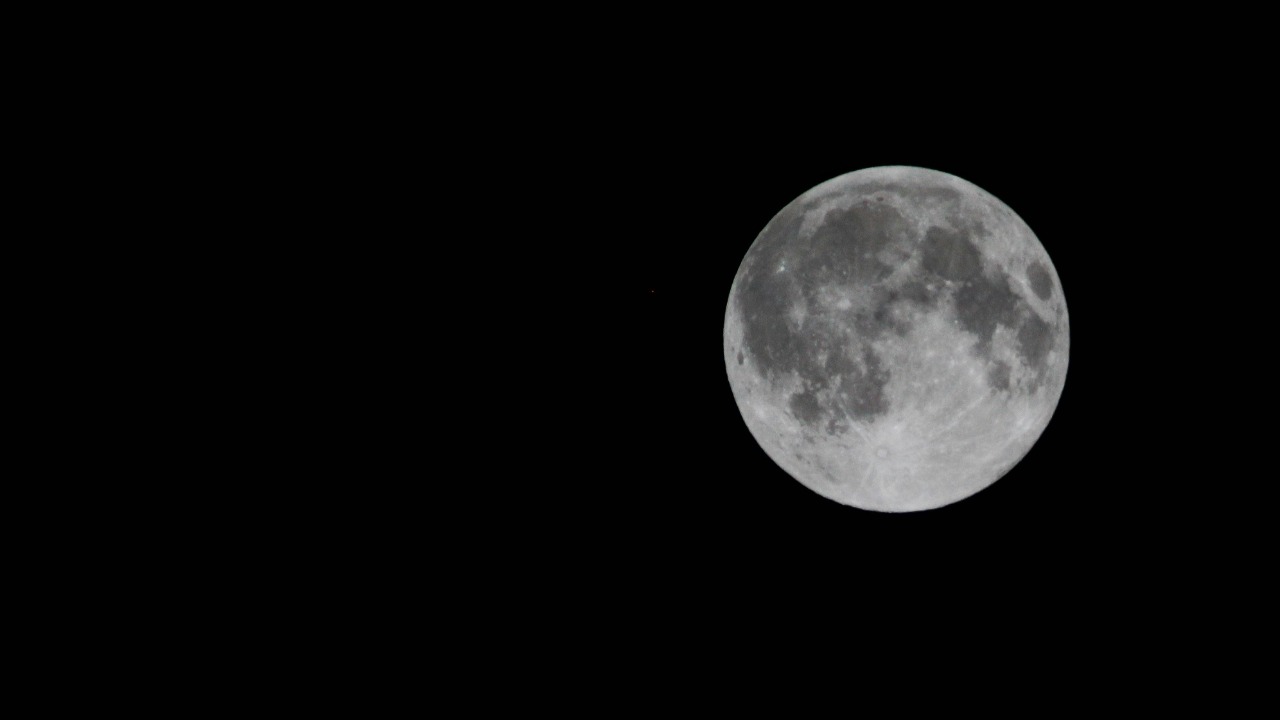
Before the ISS incident, NASA scientists were already grappling with another mysterious phenomenon: a strange glow on Saturn’s moon. This glow has been a subject of intrigue and has raised questions about the nature of light-based phenomena in our solar system. Reports of this glow emerged earlier this year, highlighting the ongoing challenges faced by scientists in interpreting unexpected lunar illuminations (Daily Galaxy).
The glow on Saturn’s moon has haunted NASA scientists, prompting them to explore potential explanations and connections to other celestial events. This anomaly, much like the burst of light observed on the ISS, underscores the complexity of space phenomena and the need for continued exploration and study. The similarities between these events may offer valuable insights into the mechanisms behind such occurrences (Daily Galaxy).
In the case of Saturn’s moon, the glow was detected using both ground-based telescopes and space-based instruments, which provided complementary data sets. This multi-faceted approach allowed scientists to confirm the presence of the glow and rule out some potential sources, such as reflections from Saturn’s rings or known volcanic activity. The glow’s persistence over several months has led researchers to consider more complex explanations, such as chemical reactions in the moon’s atmosphere or interactions with Saturn’s magnetic field. These findings have sparked interest in further missions to Saturn’s moons, which could provide more direct measurements and help unravel the mysteries of these distant celestial bodies (Daily Galaxy).
Implications for Space Research
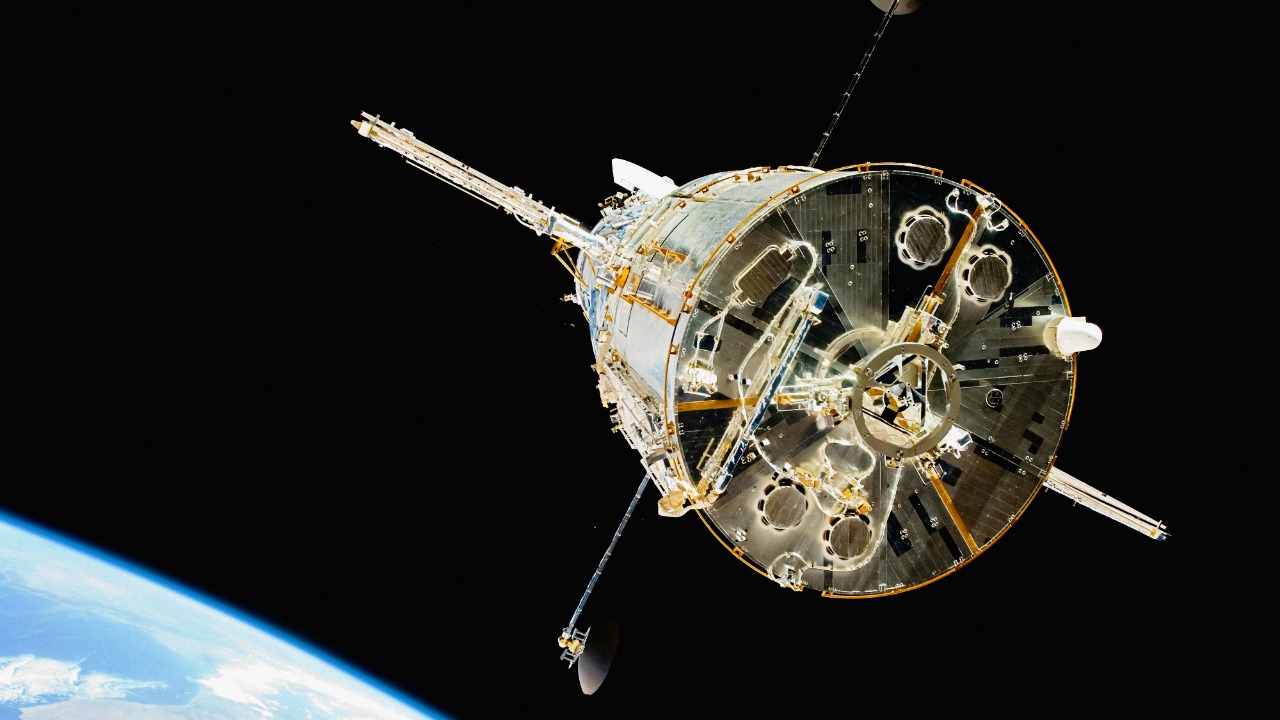
The mysterious burst of light on the ISS and the strange glow on Saturn’s moon together underscore NASA’s focus on unexplained optical events in space. These incidents highlight the importance of understanding and interpreting such phenomena, which could have implications for our broader knowledge of the universe. By investigating these events, NASA aims to enhance our comprehension of the dynamics at play in different parts of the solar system (MSN; Daily Galaxy).
These incidents may prompt comparative studies between Earth-orbit and outer solar system observations, potentially leading to new discoveries about the nature of light and its interactions with celestial bodies. The ongoing research into these phenomena is crucial for advancing our understanding of space and may pave the way for future breakthroughs in astronomy and astrophysics. By continuing to explore these mysteries, NASA and the scientific community can work towards unraveling the complexities of our universe (MSN; Daily Galaxy).
