When astronauts venture into space, a remarkable phenomenon occurs: the activation of the “dark genome” within their DNA. This discovery unveils previously unknown genetic expressions, offering new insights into human genetics through the lens of space exploration. The implications of this activation are profound, potentially reshaping our understanding of genetic behavior in extreme environments.
The Concept of the “Dark Genome”
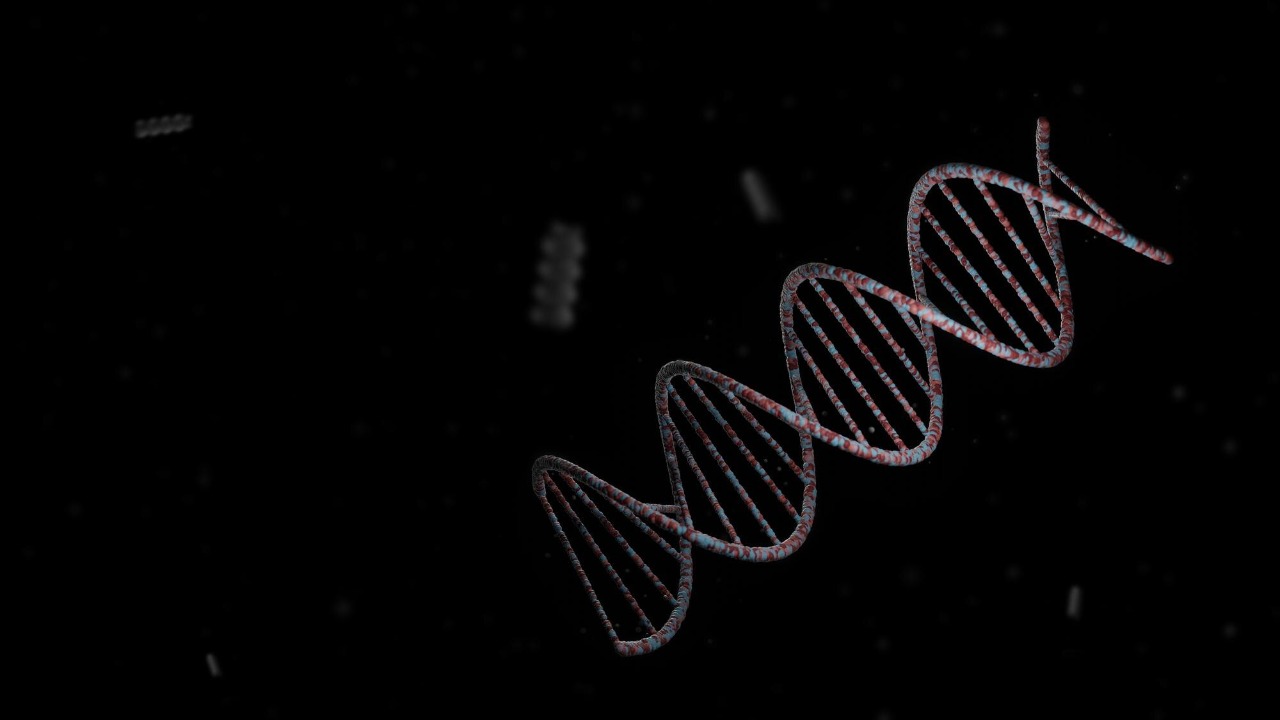
The “dark genome” refers to segments of DNA that were previously considered non-coding or “junk” DNA, but are now understood to play crucial roles in genetic regulation and expression. This concept challenges the traditional view of DNA, highlighting the complexity and potential of these genetic regions. The scientific significance of the dark genome lies in its ability to reveal hidden aspects of genetic function that are activated under specific conditions, such as space travel (Futurism).
Understanding the dark genome could revolutionize our approach to genetics, offering new pathways for research and medical advancements. By studying how these genetic regions respond to the unique conditions of space, scientists can gain insights into human adaptability and resilience. This knowledge not only enhances our comprehension of genetics but also informs the development of new technologies and treatments that leverage these hidden genetic potentials.
Recent advancements in genomic research have highlighted the potential of the dark genome to influence not only genetic expression but also evolutionary processes. These non-coding regions, once dismissed as evolutionary leftovers, are now recognized for their role in regulating gene expression and maintaining genomic stability. The dark genome’s ability to modulate genetic activity suggests it could be a key player in evolutionary adaptation, providing organisms with the flexibility to respond to environmental pressures. This newfound understanding challenges the long-held notion that only coding DNA is functional, opening new avenues for exploring how life on Earth has evolved and adapted over millions of years.
Moreover, the dark genome’s activation in space environments underscores its potential significance in other extreme conditions on Earth, such as high-altitude regions or deep-sea ecosystems. By studying these genetic regions, scientists can explore how organisms survive and thrive in diverse habitats, potentially leading to breakthroughs in biotechnology and medicine. The implications of these findings extend beyond space exploration, offering insights into the resilience and adaptability of life in the face of environmental challenges.
Space Travel and Genetic Activation

Space environments, characterized by microgravity and increased radiation, trigger significant changes in DNA expression. These conditions activate specific genetic expressions that remain dormant on Earth, revealing the dynamic nature of our genome. The activation of the dark genome in space suggests that our DNA is more adaptable and responsive to environmental changes than previously thought (Futurism).
Examples of genetic expressions activated by space travel include those related to immune response, cellular repair, and stress adaptation. These changes highlight the body’s ability to adjust to the harsh conditions of space, providing valuable insights into human biology. By studying these genetic responses, researchers can better understand the mechanisms that enable life to thrive in extreme environments, paving the way for future space exploration and potential colonization efforts.
In addition to immune response and cellular repair, space-induced genetic activation includes changes in bone density regulation and muscle atrophy prevention. These genetic expressions are crucial for counteracting the effects of prolonged weightlessness, which can lead to significant health issues for astronauts. Understanding these genetic mechanisms is essential for developing countermeasures that ensure astronaut health during extended missions. The insights gained from these studies could also have applications on Earth, particularly in treating conditions related to muscle degeneration and osteoporosis.
Furthermore, the study of genetic activation in space provides a unique opportunity to investigate the long-term effects of radiation exposure on human DNA. Space radiation poses a significant risk to astronaut health, and understanding how the dark genome responds to this threat could lead to the development of protective strategies. These strategies might include genetic therapies or interventions designed to enhance the body’s natural defenses against radiation, thereby improving the safety and feasibility of future deep-space missions.
Research and Findings

Recent studies on astronauts have revealed significant genetic changes associated with space travel. These findings underscore the importance of the dark genome in understanding how the human body adapts to space. Space agencies and research institutions are at the forefront of this research, contributing to a growing body of knowledge about genetic activation in space (Futurism).
The collaboration between space agencies and genetic researchers is crucial for advancing our understanding of the dark genome. By pooling resources and expertise, these organizations are uncovering the genetic secrets that enable humans to survive and thrive in space. This research not only enhances our knowledge of genetics but also informs the development of new strategies for maintaining astronaut health and safety during long-duration missions.
One of the most intriguing aspects of this research is the potential for personalized medicine tailored to the unique genetic responses of astronauts. By analyzing the genetic changes that occur during space travel, scientists can identify biomarkers that predict individual susceptibility to space-related health issues. This information could be used to customize health protocols and interventions for each astronaut, optimizing their performance and well-being during missions. Such personalized approaches could revolutionize astronaut healthcare, ensuring that each crew member receives the support they need to thrive in space.
Additionally, the collaboration between international space agencies and genetic research institutions is fostering a global effort to unravel the mysteries of the dark genome. This collaborative approach not only accelerates the pace of discovery but also ensures that the benefits of this research are shared worldwide. As more countries invest in space exploration, the collective knowledge gained from these studies will be instrumental in advancing our understanding of genetics and enhancing the safety and success of future missions.
Implications for Future Space Missions

The activation of the dark genome has significant implications for the planning and execution of future space missions. Understanding these genetic changes can inform the development of new health protocols and safety measures for astronauts, ensuring their well-being during extended periods in space. This knowledge is essential for the success of future missions, particularly those involving long-term habitation on other planets (Futurism).
As we prepare for future space exploration, the insights gained from studying the dark genome will play a critical role in shaping mission strategies. By anticipating the genetic challenges posed by space travel, mission planners can develop targeted interventions to mitigate potential health risks. This proactive approach will be vital for ensuring the success and safety of astronauts as they embark on new frontiers in space exploration.
