
An unnamed asteroid recently whizzed past Earth, coming closer than many of our orbiting satellites, according to multiple space agencies, including NASA. This event, detected through routine monitoring, posed no immediate danger but served as a stark reminder of the near-Earth objects that share our cosmic neighborhood.
Discovery and Initial Detection
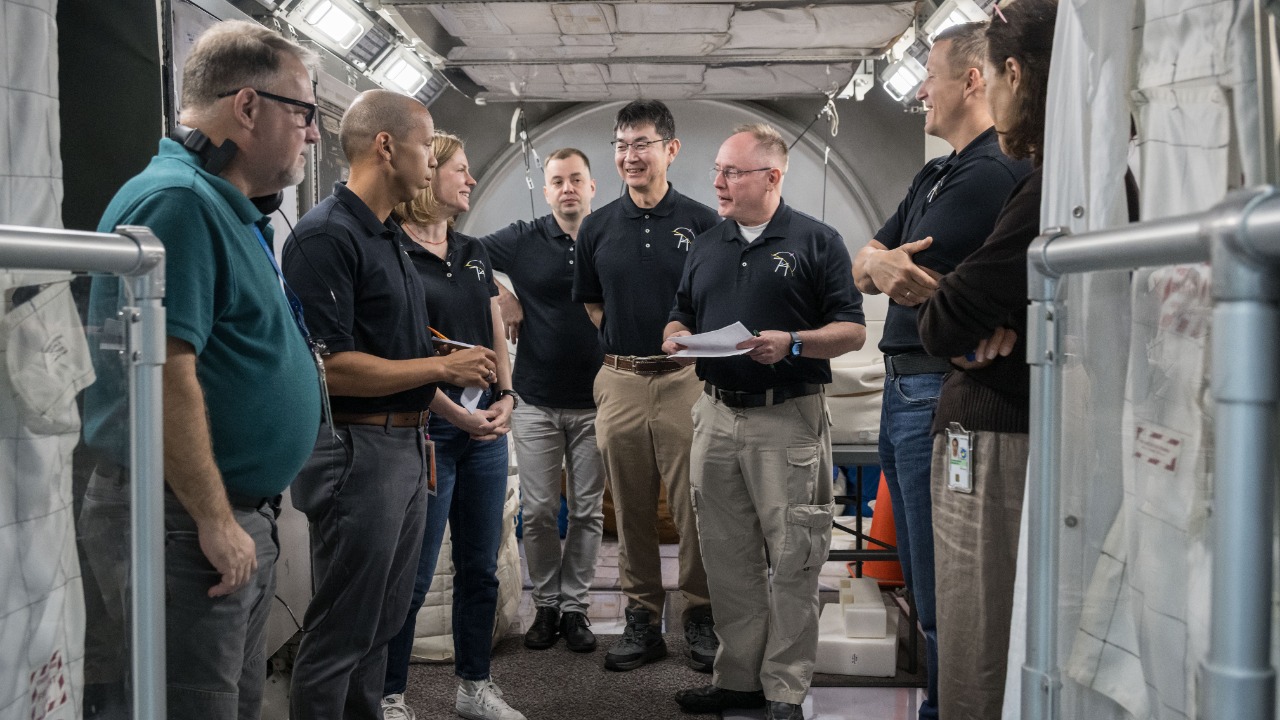
The asteroid was first identified by ground-based telescopes and radar systems, part of the extensive network used by space agencies to monitor near-Earth objects. Programs like NASA’s Near-Earth Object Observations play a crucial role in these detections, scanning the skies for any potential threats. Shortly after the asteroid’s detection, its designation and trajectory were calculated to predict its path relative to Earth.
International collaboration was key in tracking this asteroid. Agencies such as the European Space Agency (ESA) and the Japan Aerospace Exploration Agency (JAXA) shared data to ensure accurate tracking of the asteroid’s path. This global cooperation underscores the universal nature of space safety and the importance of shared responsibility in monitoring near-Earth objects. (source)
Details of the Close Approach
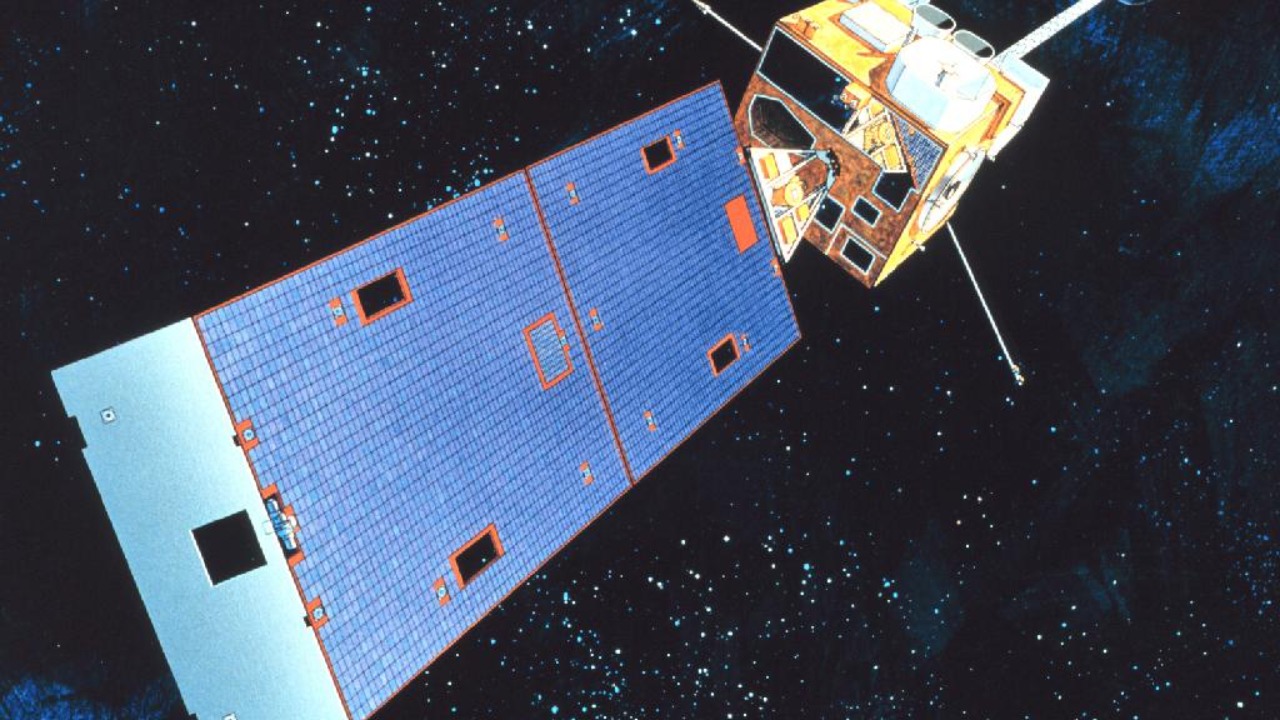
The asteroid’s flyby brought it closer to Earth than the typical altitude of geostationary satellites, which orbit at around 22,000 miles. The exact distance of the asteroid’s closest approach, its speed relative to Earth during the pass, and the date and time of the event were all carefully logged by space agencies.
Comparing this event to other recent asteroid flybys provides context on the frequency of such occurrences. While close approaches are not uncommon, this event stands out due to the asteroid’s proximity, highlighting the need for continued vigilance in monitoring near-Earth objects. (source)
Asteroid Characteristics
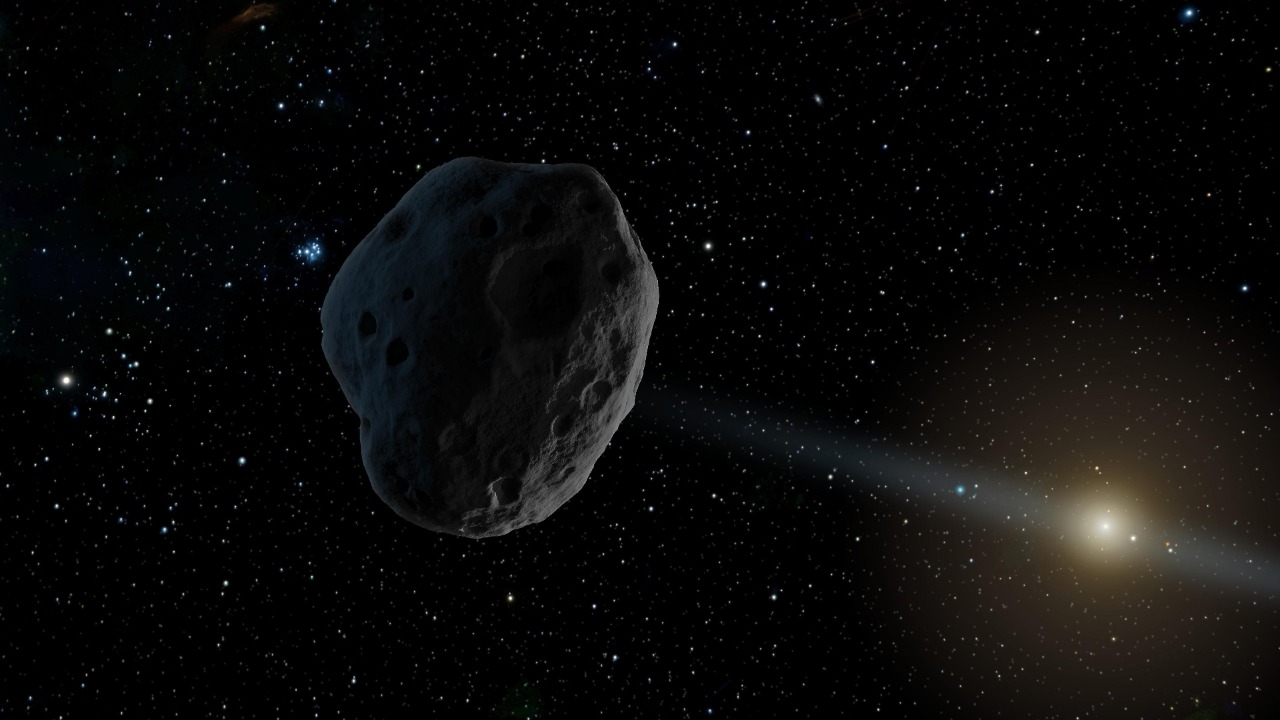
Based on brightness and radar observations, space agencies estimated the size of the asteroid, providing a rough idea of its diameter in meters. Spectral analysis offered insights into the asteroid’s potential composition, suggesting whether it might be rocky or metallic in nature.
The asteroid’s visibility and tracking were affected by any unusual features, such as an irregular shape. These characteristics not only provide fascinating scientific insights but also have practical implications for tracking and predicting the paths of such objects. (source)
Monitoring and Tracking Efforts
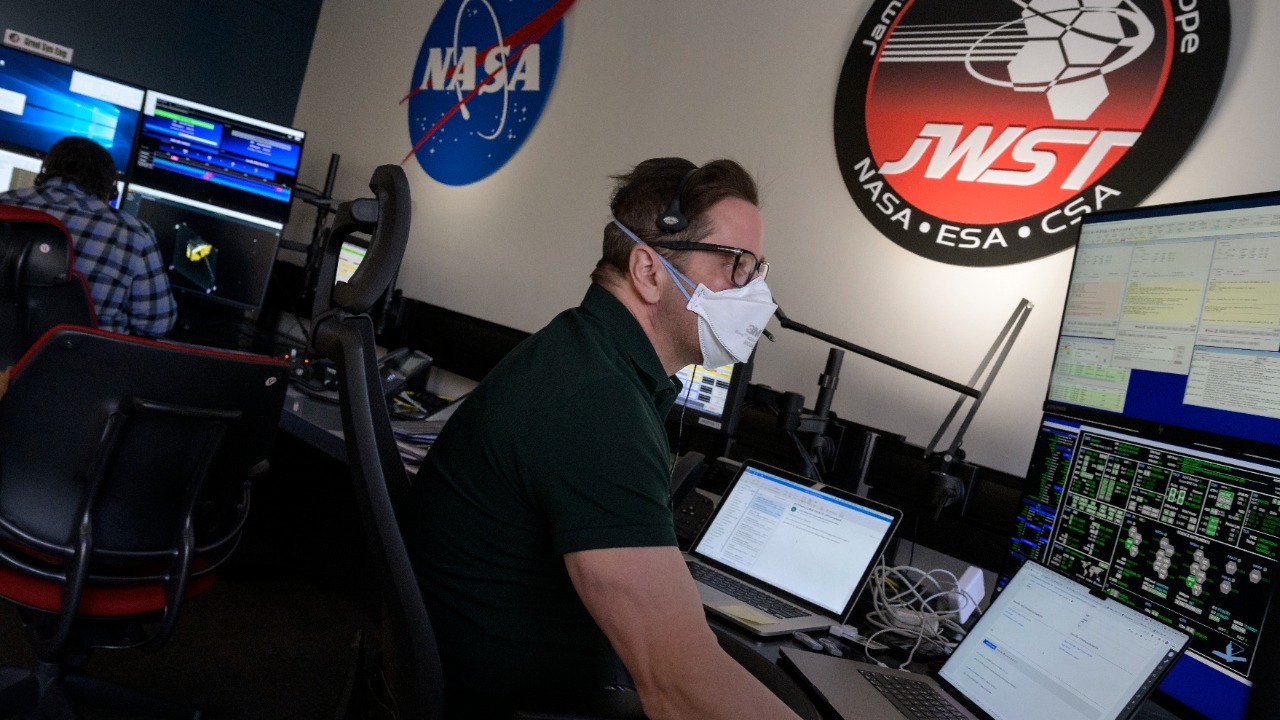
Technologies such as optical telescopes and planetary radar were used to monitor the asteroid’s path in real-time. These tools, along with advanced computational models, allow for precise tracking of near-Earth objects.
NASA officials have highlighted the effectiveness of current detection systems in identifying such objects days or weeks in advance. The data gathered from this event will be used to refine future orbital models for similar near-Earth objects, improving our ability to predict and prepare for potential close approaches. (source)
Implications for Space Safety

Despite the asteroid’s close pass, it posed no collision risk. Probability calculations from space agencies confirmed this, providing reassurance in the face of such a close encounter. However, the event did have relevance for satellite operations, with potential minor perturbations to low-Earth orbit assets.
This event also offers broader lessons for planetary defense strategies. It underscores the importance of early detection and accurate tracking in preventing potential future impacts, reinforcing the need for ongoing investment in asteroid monitoring programs. (source)
Future Observations and Research
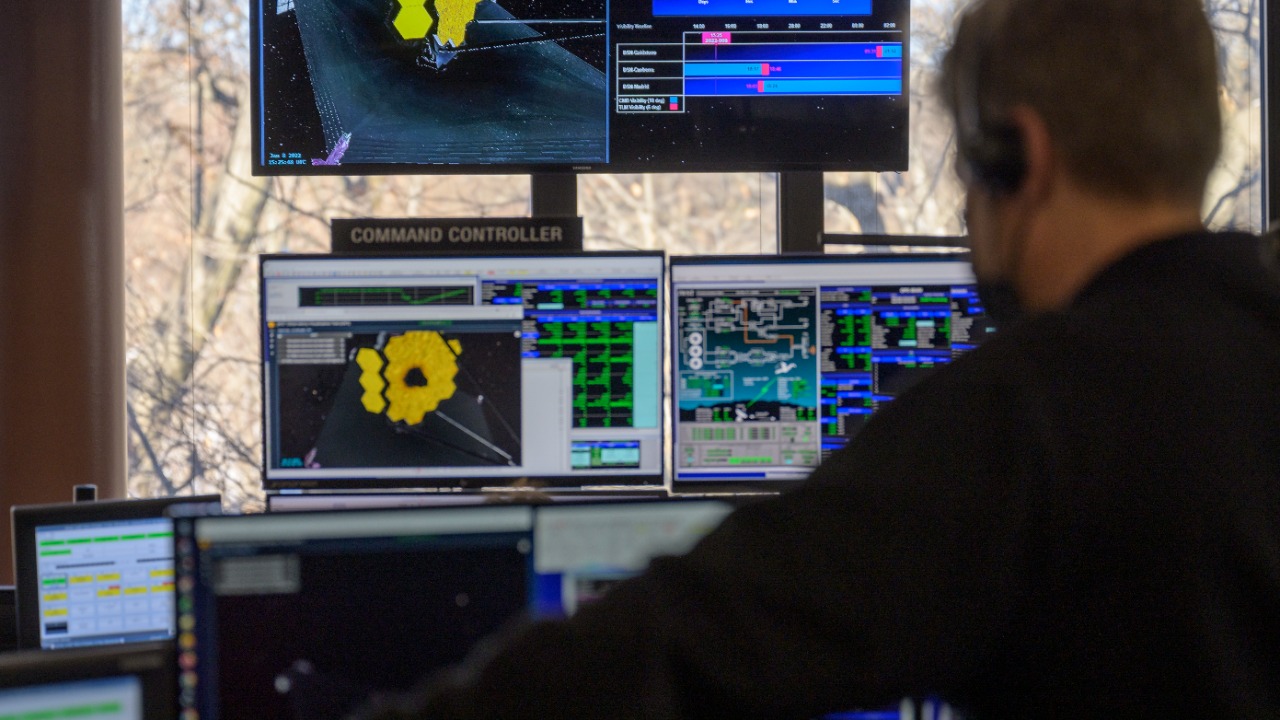
As the asteroid moves away from Earth, plans are in place for continued tracking. This will allow for further study of the asteroid and provide valuable data for future near-Earth object research.
This event will also inform ongoing research into near-Earth object populations. It offers a unique opportunity to study an asteroid up close, providing insights that can help refine our understanding of these cosmic neighbors. Space agencies have also announced upcoming missions and upgrades to detection networks, further strengthening our ability to monitor and respond to near-Earth objects. (source)
