Asteroid mining, a concept once confined to the realm of science fiction, could soon become a reality courtesy of a daring startup. By 2027, Karman aims to pioneer this groundbreaking venture, unveiling a new frontier in space exploration and industry.
The Startup: Karman and its Vision

Established with a clear vision to revolutionize space exploration, Karman is a startup that has managed to raise $20 million for a demonstration asteroid mining mission by 2027. Founded and funded by a team of visionary entrepreneurs and scientists, Karman aspires to create unprecedented opportunities in outer space by harnessing the untapped wealth of asteroids.
The company’s vision is far-reaching and bold. Karman is not merely seeking to conduct a mining operation; they aim to establish a sustainable and profitable industry that could redefine space exploration and our understanding of the universe. With asteroid mining, Karman has set its sights on unlocking the vast untapped resources available in our solar system.
The Science and Technology Behind Asteroid Mining
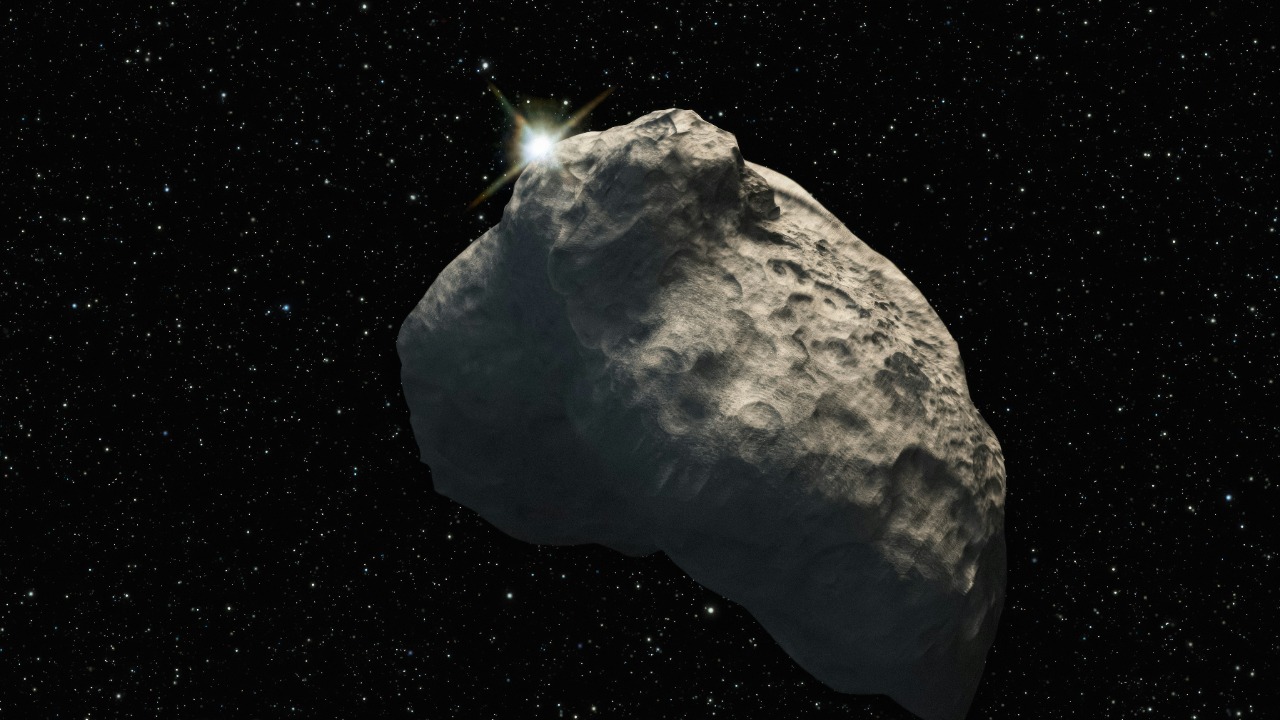
Asteroids are essentially time capsules of the early solar system, containing a myriad of valuable materials. They are believed to be rich in metals such as iron, nickel, and even precious metals like gold and platinum. Furthermore, some asteroids are known to contain water, which could be used for life support and producing rocket fuel in space. The potential of asteroids as a source of these valuable materials is what makes asteroid mining so attractive.
Turning this potential into reality, however, requires advanced technology. The development of spacecraft capable of reaching, capturing, and mining asteroids is a monumental task. Furthermore, the mining process itself, which must be performed in zero gravity, presents its own set of unique challenges. Despite these obstacles, technological advancements in spacecraft design, propulsion, and mining equipment continue to push the boundaries of what’s possible.
Challenges and Risks of Asteroid Mining
Asteroid mining is a venture filled with technical complexities. Capturing an asteroid, conducting mining operations in zero gravity, and safely returning the mined materials to Earth are among the challenges that must be overcome. Other technical hurdles include the long communication times between Earth and the mining spacecraft, the harsh conditions of space, and the unpredictable nature of asteroids themselves.
On top of these technical challenges, there are also regulatory and legal issues to consider. The question of who has the right to own and mine asteroids is still a matter of international debate. Additionally, the potential for accidents and the environmental impact of asteroid mining are concerns that need to be addressed. Despite these challenges, the economic feasibility of asteroid mining remains a compelling argument for advancing this industry.
Potential Benefits and Impact of Asteroid Mining
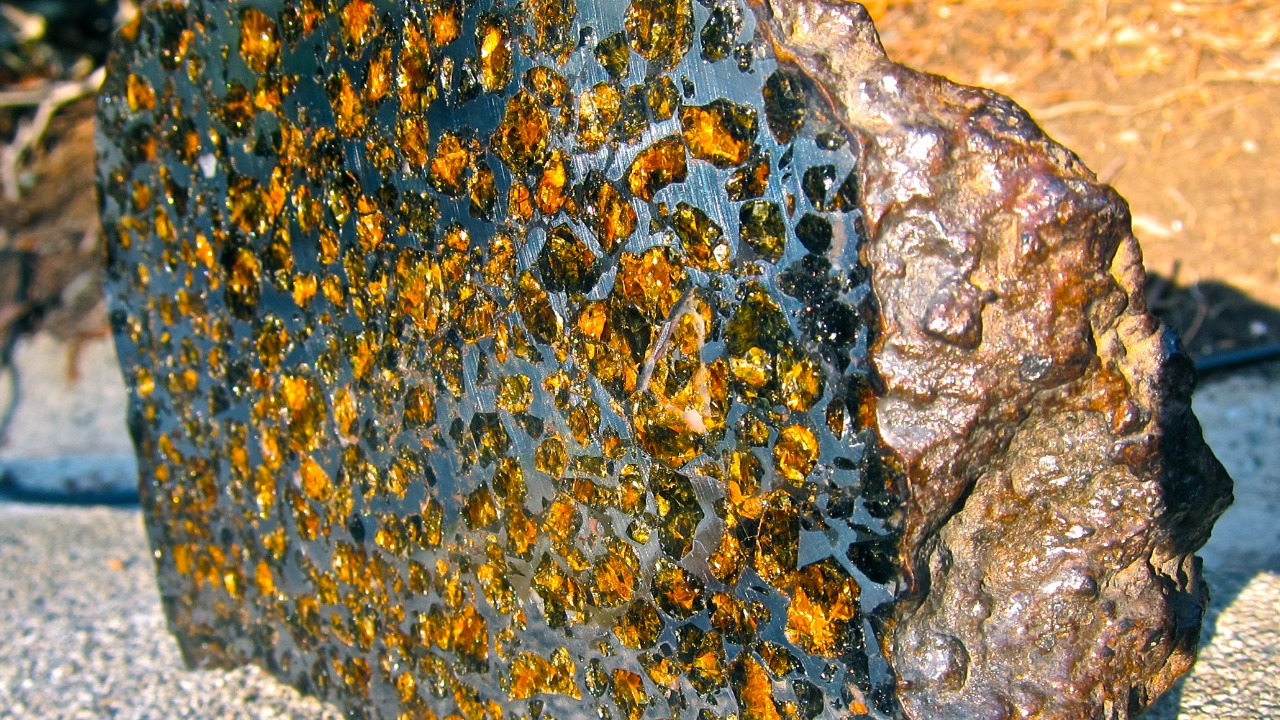
The potential benefits of asteroid mining are enormous. Economically, the materials mined from asteroids could generate staggering wealth. Precious metals such as gold and platinum, and other valuable materials, could be used in a variety of industries, including electronics, manufacturing, and construction. This could lead to economic growth and job creation, both on Earth and potentially in space.
Scientifically, asteroid mining could also provide us with a deeper understanding of asteroids and the solar system. The information gained from mining asteroids could help answer fundamental questions about the origins and evolution of our solar system. Furthermore, the development of asteroid mining could play a critical role in future space exploration and colonization endeavors, providing the resources needed for long-term, sustainable presence in space.
The Road to 2027: Karman’s Plan for the Future
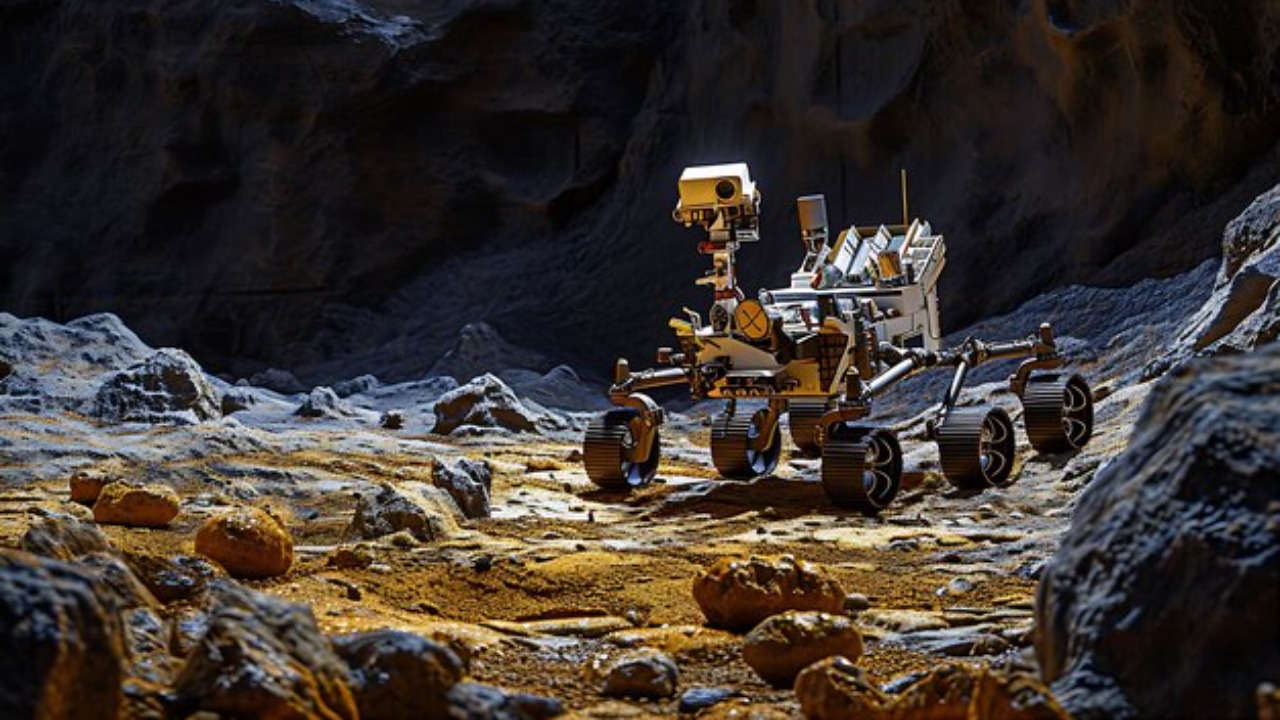
With its ambitious timeline, Karman has set a clear roadmap to achieve asteroid mining by 2027. The company plans to conduct a series of demonstration missions to test and refine the technology and techniques required for asteroid mining. These missions will serve as important milestones in Karman’s journey towards making asteroid mining a reality.
Partnerships and collaborations will also play a crucial role in Karman’s plans. By working with other pioneering companies, research institutions, and government agencies, Karman aims to leverage collective expertise and resources to overcome the challenges of asteroid mining. The potential impact and legacy of Karman’s asteroid mining could be immense, paving the way for a new era of space exploration and industry.
