Recent analyses of asteroid dust samples from missions like OSIRIS-REx and Hayabusa2 suggest the presence of biological components. These findings ignite debates about the existence of extraterrestrial life and its implications for our understanding of life’s origins on Earth.
The Significance of Asteroid Dust Samples
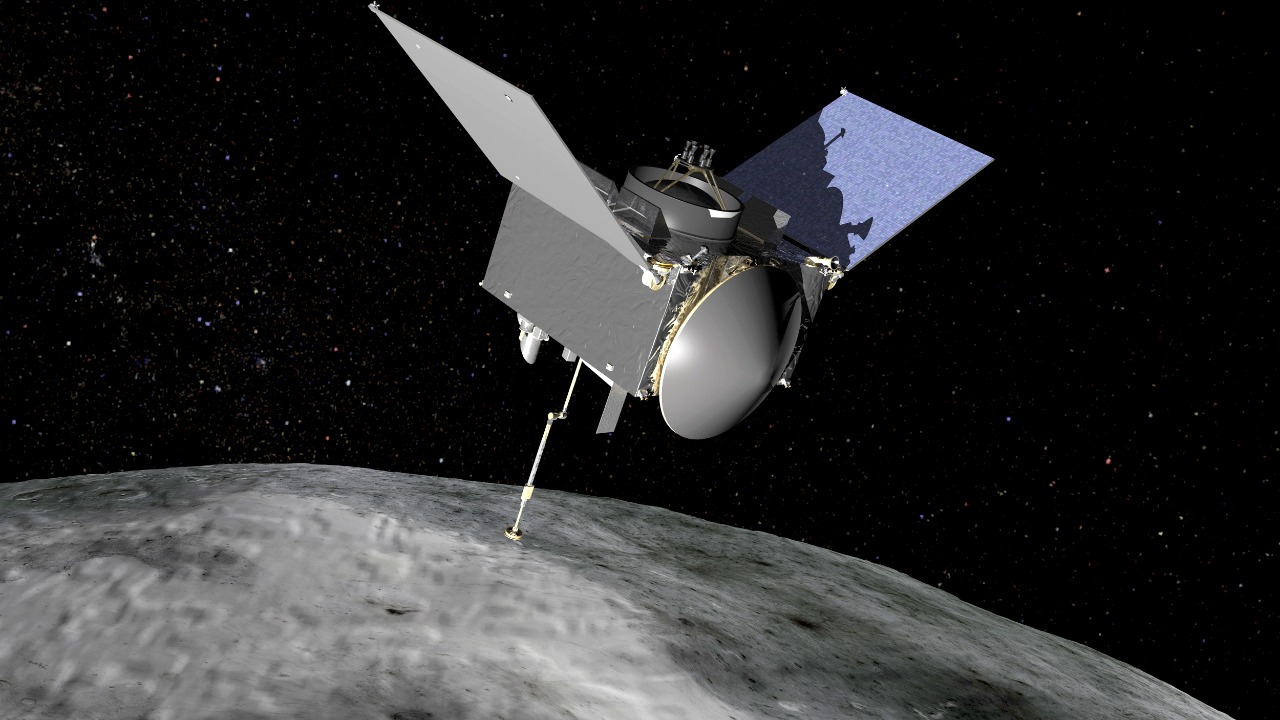
The OSIRIS-REx mission and the Hayabusa2 mission have made significant strides in our understanding of the solar system. OSIRIS-REx was launched by NASA to study the asteroid Bennu and successfully returned samples to Earth, providing a wealth of information about the building blocks of the solar system. Similarly, the Japan Aerospace Exploration Agency (JAXA) launched Hayabusa2 to collect samples from the asteroid Ryugu. These missions aim to understand the composition and history of these asteroids, which are often deemed time capsules of the early solar system.
Asteroids like Ryugu and Bennu are considered pristine remnants from the early solar system. These space rocks preserve materials formed during the solar system’s infancy, offering a glimpse into the processes that led to the formation of planets. By analyzing these samples, scientists can piece together the conditions of the pre-solar nebula and the molecular cloud that gave rise to our solar system. The preservation of organic compounds in these harsh environments provides intriguing clues about the potential for life to emerge elsewhere in the cosmos.
Chemical Evidence of Life’s Building Blocks
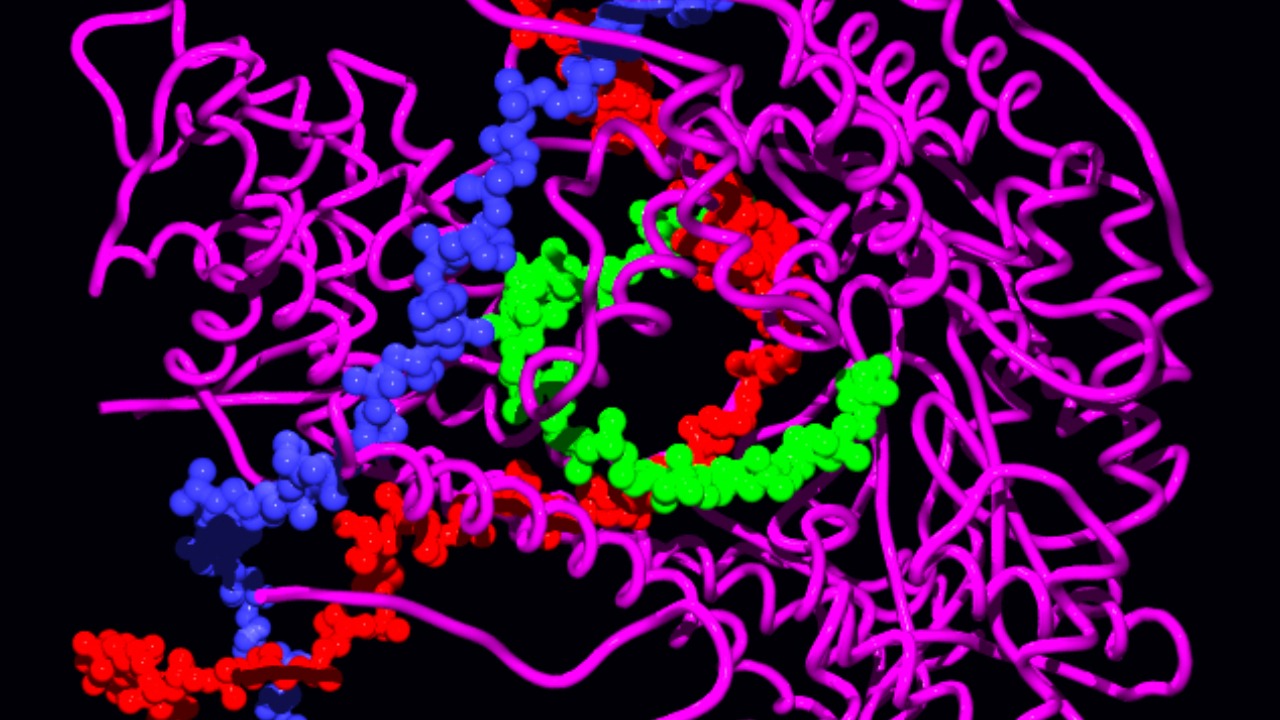
One of the most exciting aspects of the analysis of asteroid dust is the discovery of biological molecules. Researchers have found amino acids and components of DNA and RNA in these samples. Amino acids are the building blocks of proteins, essential for life as we know it. The presence of these molecules on asteroids suggests that the precursors to life might be more common in the universe than previously thought.
While the discovery of these molecules is exciting, it’s important to consider whether they could form through non-biological processes. In space, complex organic molecules can form through various mechanisms, such as photochemistry in interstellar ice or reactions on the surfaces of dust grains. These processes can occur independently of life, indicating that while the presence of organic molecules is intriguing, it does not necessarily imply biological activity. This distinction is crucial as scientists continue to explore the origins of life both on Earth and beyond.
Implications for Astrobiology
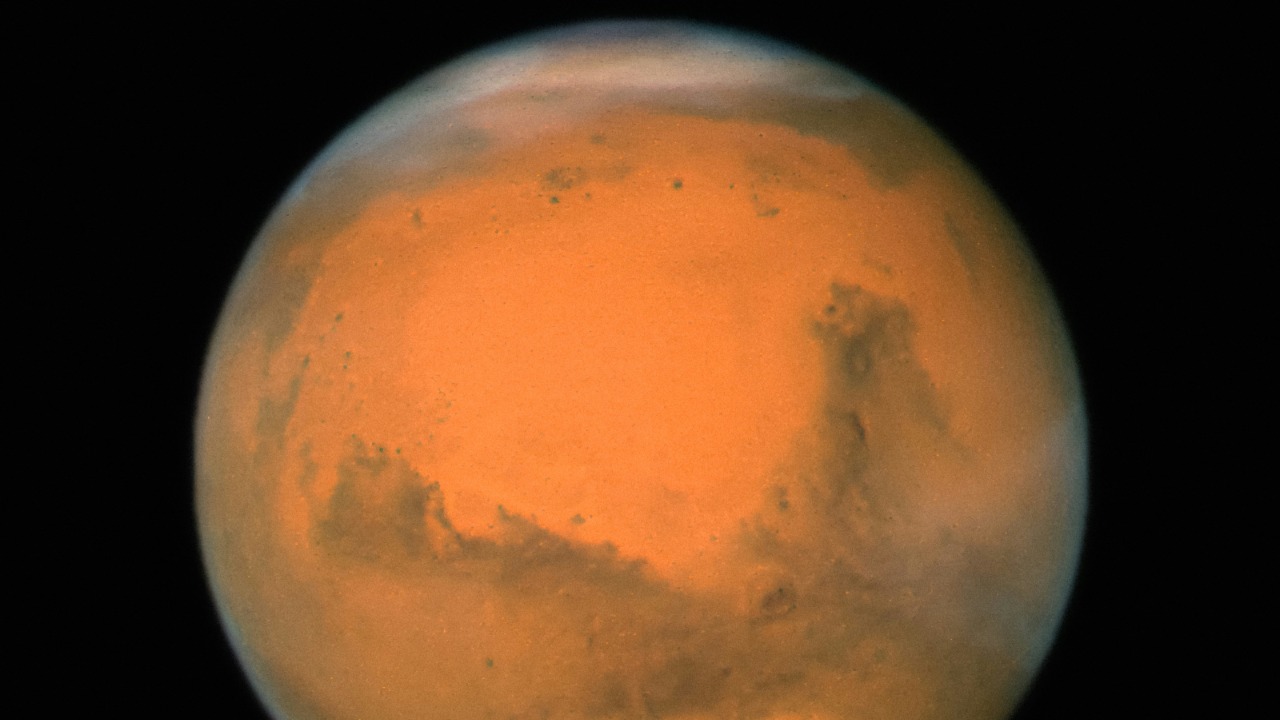
The potential discovery of biological components in asteroid dust has profound implications for the field of astrobiology. These findings challenge our understanding of life’s potential beyond Earth and open new avenues for research. If life or its building blocks are found on asteroids, it could support the hypothesis of panspermia, which suggests that life on Earth may have originated from space. This idea posits that life, or at least its precursors, could be distributed throughout the universe via comets, meteors, and other celestial bodies.
As we consider the potential for extraterrestrial life, space agencies worldwide, including NASA, are investing in astrobiology-focused missions. These missions aim to detect signs of life on distant worlds, such as Mars and Europa, one of Jupiter’s moons. The development of advanced technology is critical to these efforts, as it enables us to analyze complex data and detect subtle signs of life. The prospect of finding life beyond Earth fuels the passion for exploration and pushes the boundaries of our technological capabilities.
Challenges and Controversies
Despite the excitement surrounding these discoveries, there is a healthy degree of skepticism within the scientific community. Some researchers argue that the presence of organic molecules does not necessarily indicate life. Alternative theories suggest that these molecules could result from abiotic processes, which are unrelated to biological activity. The debate over these findings highlights the challenges of interpreting data from extraterrestrial sources.
Contamination is another significant concern. When collecting and analyzing samples, scientists must take extreme precautions to prevent contamination by Earth-based materials. Despite these measures, there is always a risk that Earthly contaminants could skew the results. Understanding the complexities of extraterrestrial materials and developing rigorous protocols for handling them are crucial to ensuring the integrity of these findings.
The Future of Astrobiological Research
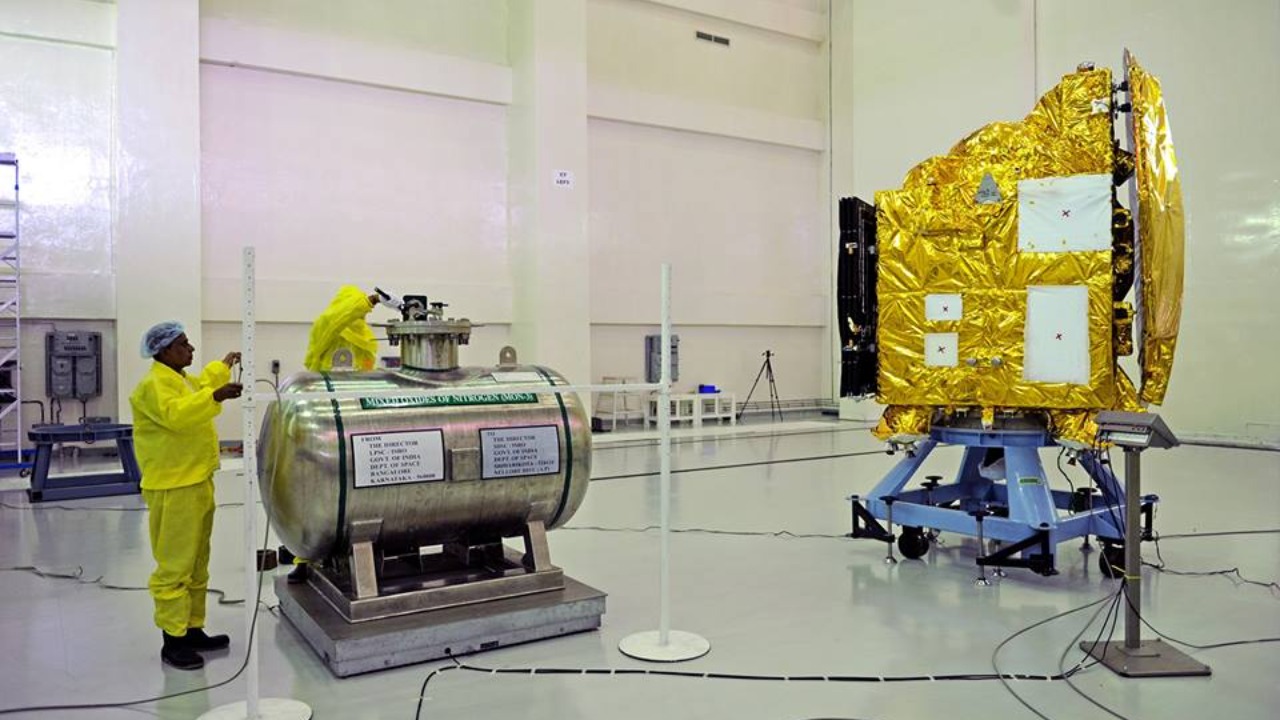
As we look to the future, the quest to uncover extraterrestrial life continues to inspire scientific inquiry. Upcoming missions, such as the European Space Agency’s JUICE mission to Jupiter’s moons and NASA’s Dragonfly mission to Saturn’s moon Titan, are poised to expand our understanding of the potential for life beyond Earth. These missions will employ cutting-edge technology to search for signs of habitability and life.
International collaboration is also vital in advancing astrobiological research. By pooling resources and expertise, countries can tackle the complex questions surrounding the origins of life and its potential existence elsewhere. The discovery of alien biology would not only revolutionize our understanding of life but also raise profound philosophical and ethical questions. How would the discovery of extraterrestrial life influence our perception of humanity’s place in the universe? What ethical considerations would need to be addressed in interacting with potential alien life forms?
The analysis of asteroid dust samples has opened new frontiers in our search for life beyond Earth. While the presence of biological molecules in these samples is intriguing, it is essential to approach these findings with a critical eye. As we continue to explore the cosmos, the quest for understanding the origins of life and the potential for its existence beyond our planet remains one of humanity’s most profound scientific pursuits.
