Artificial photosynthesis represents a breakthrough in the field of renewable energy, mimicking the natural photosynthesis process to capture and store solar energy. Recent developments have highlighted the ability to utilize even low-light conditions effectively, thanks to innovative plant-inspired molecules. The exploration of this promising technology unveils its mechanisms, benefits, and potential applications, paving the way for a sustainable energy future.
The Science Behind Artificial Photosynthesis

Understanding Photosynthesis in Nature
Photosynthesis in nature is a remarkable process where plants convert sunlight, carbon dioxide, and water into glucose and oxygen. This natural mechanism serves as the foundation for energy conversion in the ecosystem. The process primarily involves two stages: the light-dependent reactions and the Calvin cycle. In the former, chlorophyll absorbs sunlight, energizing electrons that facilitate the conversion of water molecules into oxygen, while the latter uses these energized electrons to transform carbon dioxide into glucose.
The efficiency and elegance of photosynthesis have inspired scientists to harness this process artificially. By understanding the key components, such as chlorophyll, and the various processes involved, researchers aim to replicate this system in a laboratory setting to produce clean and renewable energy.
Mimicking Nature: The Role of Artificial Photosynthesis
Artificial photosynthesis endeavors to replicate the natural photosynthesis process by using specialized catalysts and light-absorbing materials. In laboratory settings, scientists have developed systems that use semiconductors to absorb sunlight and catalysts to split water into hydrogen and oxygen, effectively storing energy in chemical bonds. This approach not only mimics the natural process but also enhances it by converting solar energy into storable and usable forms.
Key to artificial photosynthesis is the use of advanced catalysts, which are crucial for speeding up the chemical reactions involved. These catalysts, often inspired by plant biology, enable the efficient transformation of water and carbon dioxide into hydrogen and other fuels. The ongoing research and development in this field continue to improve the efficiency and feasibility of artificial photosynthesis systems.
Innovations in Plant-Inspired Molecules

Development of Molecules Sensitive to Dim Light
Recent advancements have led to the development of molecules designed to harness energy from dim light conditions. These innovative molecules are inspired by the natural pigments found in plants and have shown remarkable sensitivity to low-light environments. This breakthrough is significant because it allows artificial photosynthesis systems to operate efficiently even in areas with limited sunlight exposure.
The impact of these innovations is profound, as they enhance the efficiency of artificial photosynthesis systems by broadening the spectrum of usable light. This advancement not only increases the potential for energy capture but also makes the technology viable in diverse geographical locations, including regions with frequent cloud cover or short daylight hours.
The Role of Slug Basel’s Research
Slug Basel, a leading researcher in the field, has made substantial contributions to the development of artificial photosynthesis. Their work focuses on creating new molecules that maximize light absorption and conversion efficiency. Basel’s research has been instrumental in overcoming some of the key limitations of current artificial photosynthesis technologies, paving the way for more effective and scalable solutions.
The significance of Basel’s findings extends beyond academia, influencing the broader context of renewable energy research. By addressing critical challenges and enhancing the performance of artificial photosynthesis systems, Basel’s work has the potential to accelerate the adoption of this technology and contribute to global efforts in reducing reliance on fossil fuels.
Potential Applications and Benefits

Renewable Energy Storage Solutions
Artificial photosynthesis holds the promise of revolutionizing energy storage technologies. By converting solar energy into chemical energy that can be stored and transported, this technology offers a sustainable solution to the challenges of intermittent renewable energy sources. Potential applications include off-grid and remote energy systems, where traditional energy infrastructure is limited or absent.
The ability to store energy in chemical bonds allows for greater flexibility and reliability in energy supply. This capability is especially beneficial in regions with fluctuating energy needs or limited access to conventional power grids. As artificial photosynthesis technologies continue to evolve, they could become a cornerstone of future renewable energy storage solutions.
Environmental Impact and Sustainability
The environmental benefits of artificial photosynthesis are substantial. By reducing reliance on fossil fuels and minimizing carbon emissions, this technology can play a vital role in combating climate change. The process of transforming carbon dioxide into usable energy not only reduces atmospheric CO2 levels but also contributes to a more sustainable energy future.
Moreover, artificial photosynthesis offers the potential for sustainable development by providing clean energy solutions that align with global environmental goals. As countries strive to meet international climate agreements and reduce their carbon footprints, the adoption of artificial photosynthesis could become a key component of their energy strategies.
Challenges and Future Directions
Current Limitations and Technical Challenges
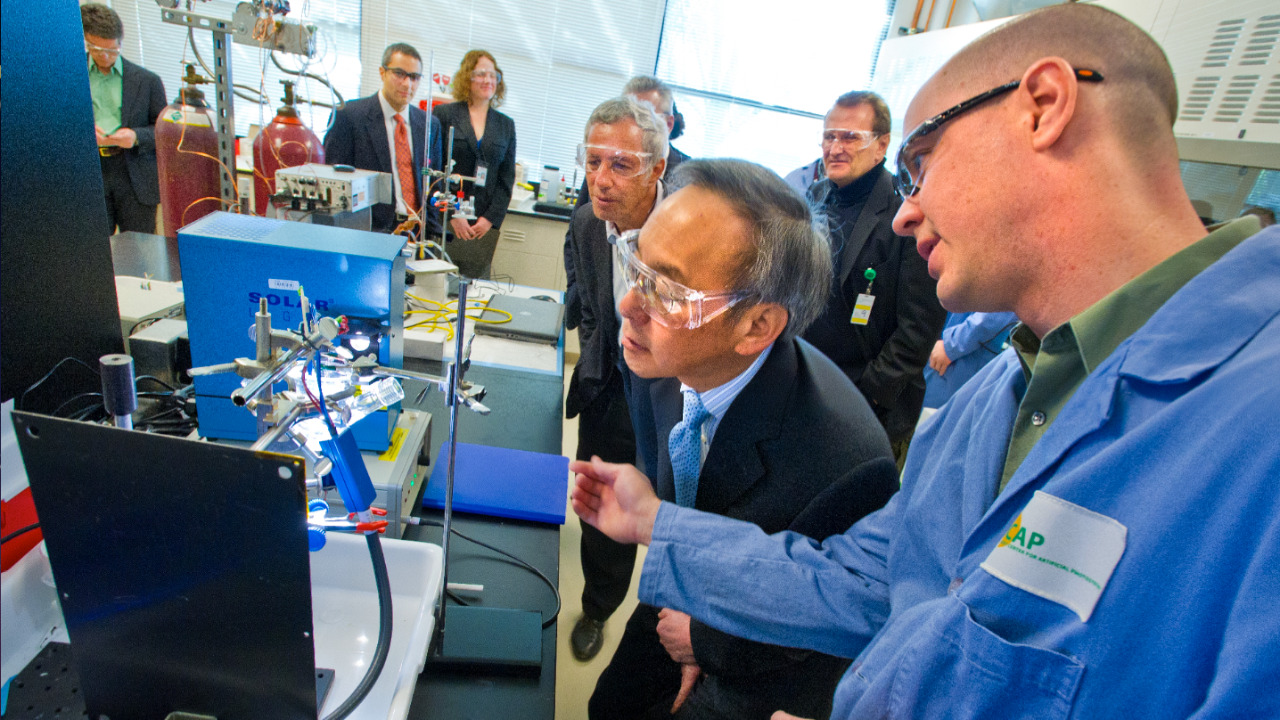
Despite its potential, artificial photosynthesis faces several challenges that hinder its widespread adoption. One of the major obstacles is the technical complexity of replicating the natural photosynthesis process on an industrial scale. The efficiency of current systems remains a concern, as laboratory results do not always translate seamlessly into large-scale applications.
Additionally, the cost of developing and maintaining artificial photosynthesis systems is a barrier to entry. The materials and technology required are often expensive, which affects the economic feasibility of widespread implementation. Addressing these challenges is crucial for the future success and scalability of artificial photosynthesis.
Future Research and Development Goals
To enhance the efficiency and feasibility of artificial photosynthesis, future research must focus on improving catalyst performance and reducing system costs. Interdisciplinary collaboration will be key, as advances in materials science, chemistry, and biology converge to address existing challenges. Researchers are exploring new catalysts and materials that can better mimic natural processes while being cost-effective and scalable.
The potential for artificial photosynthesis is vast, and continued research and development will play a pivotal role in realizing its full capabilities. As this technology progresses, its integration into global energy systems could transform the way we generate and store renewable energy.
The Road Ahead: Vision for a Sustainable Future
Integrating Artificial Photosynthesis into Global Energy Systems
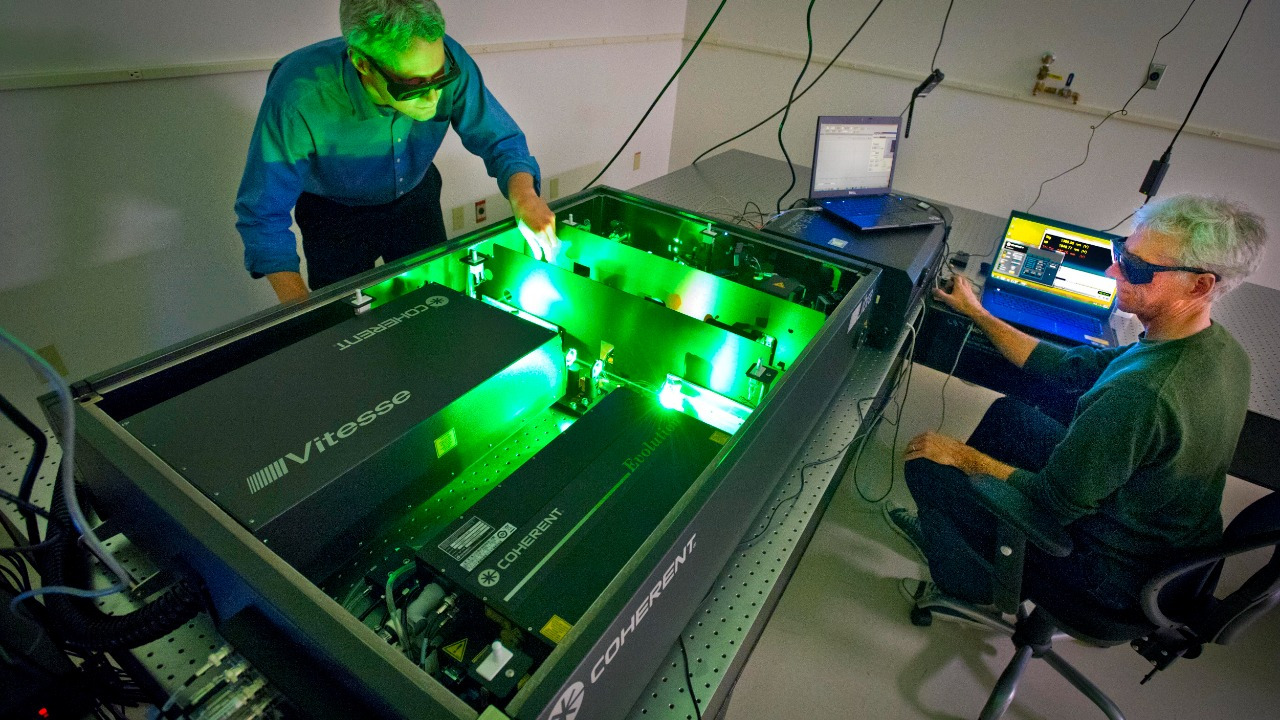
The successful integration of artificial photosynthesis into existing energy infrastructures requires strategic planning and investment. Policymakers and industry leaders must collaborate to develop frameworks that support the adoption of this technology. By incentivizing research and providing resources for implementation, stakeholders can drive the transition towards a more sustainable energy landscape.
Strategies for incorporating artificial photosynthesis include developing hybrid systems that combine existing renewable technologies with artificial photosynthesis capabilities. This approach could enhance overall energy efficiency and reliability, making clean energy more accessible and affordable worldwide.
Global Implications and Transformative Potential
The transformative potential of artificial photosynthesis extends beyond individual regions, with implications for energy systems worldwide. By providing a sustainable and efficient means of capturing and storing solar energy, this technology could play a crucial role in the global push towards renewable energy solutions. Its adoption could help achieve international climate goals and support the transition to a low-carbon economy.
As research and development efforts continue to advance artificial photosynthesis, its broader implications for society become increasingly apparent. The technology’s ability to transform energy systems and contribute to sustainable development highlights its importance in addressing the environmental challenges of the 21st century.
