NASA is on the brink of a historic milestone as the Artemis II mission prepares for an early 2026 launch. This mission, featuring four astronauts aboard the Orion spacecraft named ‘Integrity,’ marks NASA’s first crewed lunar mission since the Apollo program. The astronauts have been undergoing rigorous training for this groundbreaking journey around the moon, setting the stage for a new era of space exploration.
The Artemis II Mission Overview
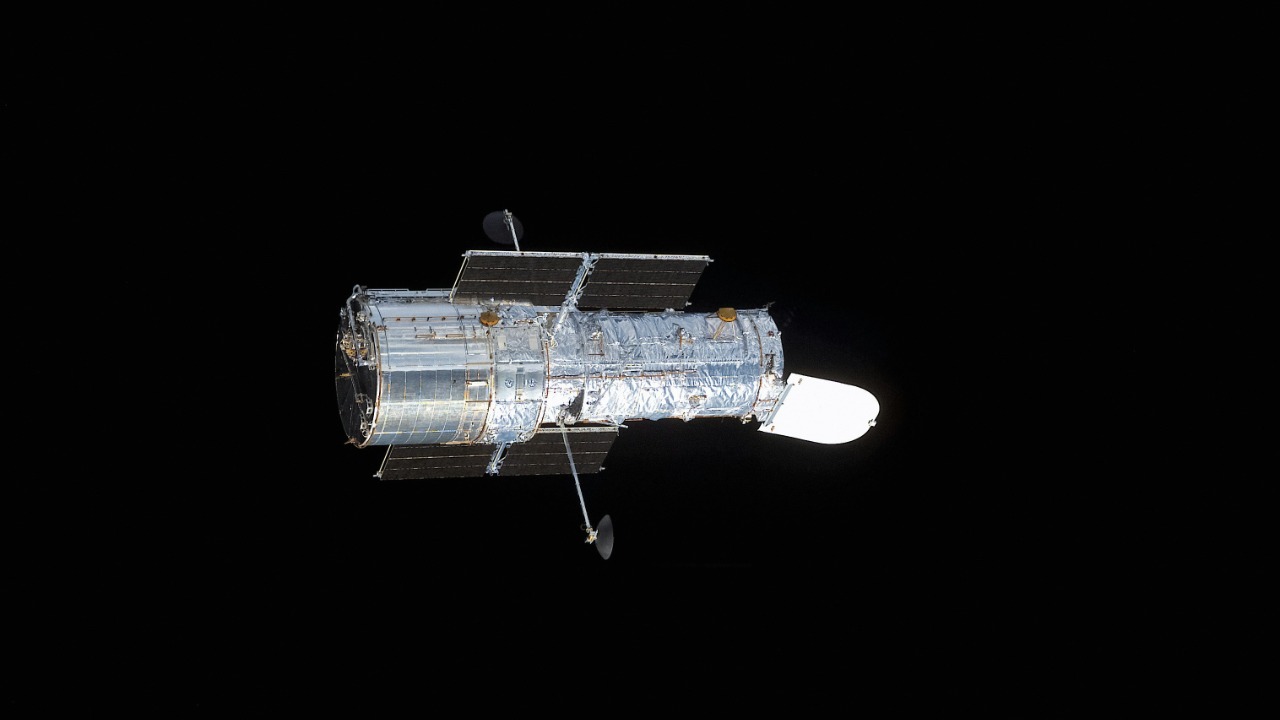
The Artemis II mission is scheduled for an early 2026 launch, representing NASA’s first crewed lunar mission since the historic Apollo program. This mission is not just a return to the moon but a significant step forward in human space exploration. The mission will involve a journey around the moon, allowing the crew to test systems and procedures that will be critical for future lunar landings and deep space exploration. According to OpenTools AI, this mission is a pivotal part of NASA’s broader Artemis program, which aims to establish a sustainable human presence on the moon.
The Artemis II mission is designed to build on the successes of the uncrewed Artemis I mission, which tested the Space Launch System (SLS) and the Orion spacecraft in a deep space environment. The upcoming mission will provide invaluable data and experience for NASA as it prepares for future missions that will include landing astronauts on the lunar surface. This mission is a crucial step in NASA’s long-term goal of sending humans to Mars, as it will help refine the technologies and strategies needed for extended space travel.
In addition to testing critical systems, the Artemis II mission will serve as a platform for scientific experiments and technological demonstrations that are essential for future lunar and Martian exploration. The mission will include experiments designed to study the effects of deep space travel on the human body, as well as tests of new technologies that could be used in future missions. These experiments will provide valuable insights into the challenges of long-duration space travel and help NASA develop strategies to mitigate potential risks.
Moreover, the Artemis II mission is a collaborative effort involving international partners, including the European Space Agency (ESA), which has contributed the European Service Module for the Orion spacecraft. This module provides essential functions such as propulsion, power, and life support, highlighting the importance of international cooperation in achieving ambitious space exploration goals. The mission’s success will not only advance NASA’s objectives but also strengthen global partnerships in space exploration.
The Orion Spacecraft: ‘Integrity’
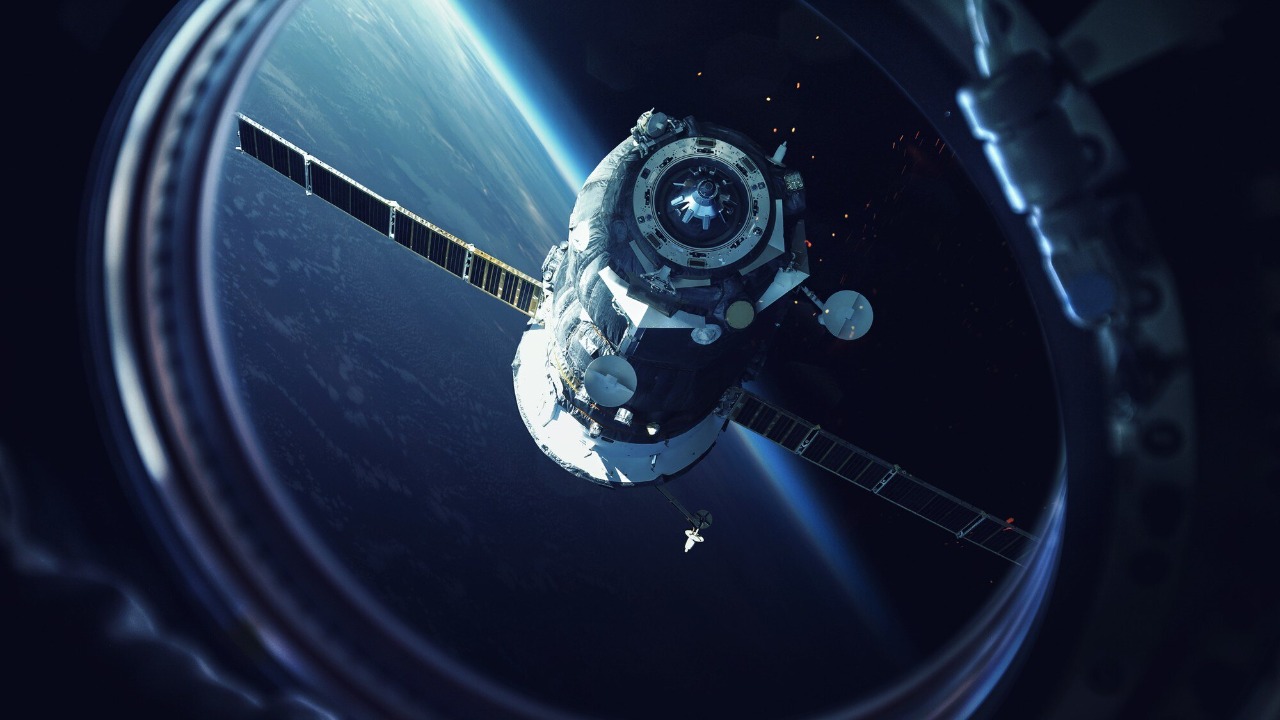
The Artemis II astronauts have named their spacecraft ‘Integrity,’ a name that reflects the mission’s commitment to core values and the dedication of the team involved. The naming of the spacecraft is a symbolic gesture that underscores the importance of honesty, transparency, and ethical conduct in space exploration. As reported by Yahoo News, the name ‘Integrity’ was chosen by the crew to embody the spirit of the mission and the values that guide NASA’s efforts in exploring the cosmos.
The Orion spacecraft is a state-of-the-art vehicle designed to carry astronauts farther into space than ever before. It is equipped with advanced life support systems, navigation and communication technologies, and safety features that ensure the crew’s well-being during their journey. The spacecraft’s design allows it to withstand the harsh conditions of space travel, making it a reliable platform for missions beyond low Earth orbit. The choice of the name ‘Integrity’ highlights the trust and confidence that the crew and NASA have in the spacecraft’s capabilities.
The Orion spacecraft, with its robust design, is equipped to handle the extreme temperatures and radiation of deep space. Its heat shield, the largest of its kind, is designed to protect the crew during re-entry into Earth’s atmosphere. The spacecraft also features a Launch Abort System, which can quickly propel the crew to safety in the event of an emergency during launch. These advanced safety measures ensure that the crew can focus on their mission objectives with confidence in their safety.
Furthermore, the spacecraft’s interior is designed to provide a comfortable and functional environment for the astronauts. It includes workstations for conducting experiments and a galley for meal preparation, ensuring that the crew can maintain their health and productivity during the mission. The integration of these features demonstrates NASA’s commitment to creating a spacecraft that supports both the physical and psychological well-being of its crew.
The Astronaut Crew and Their Training
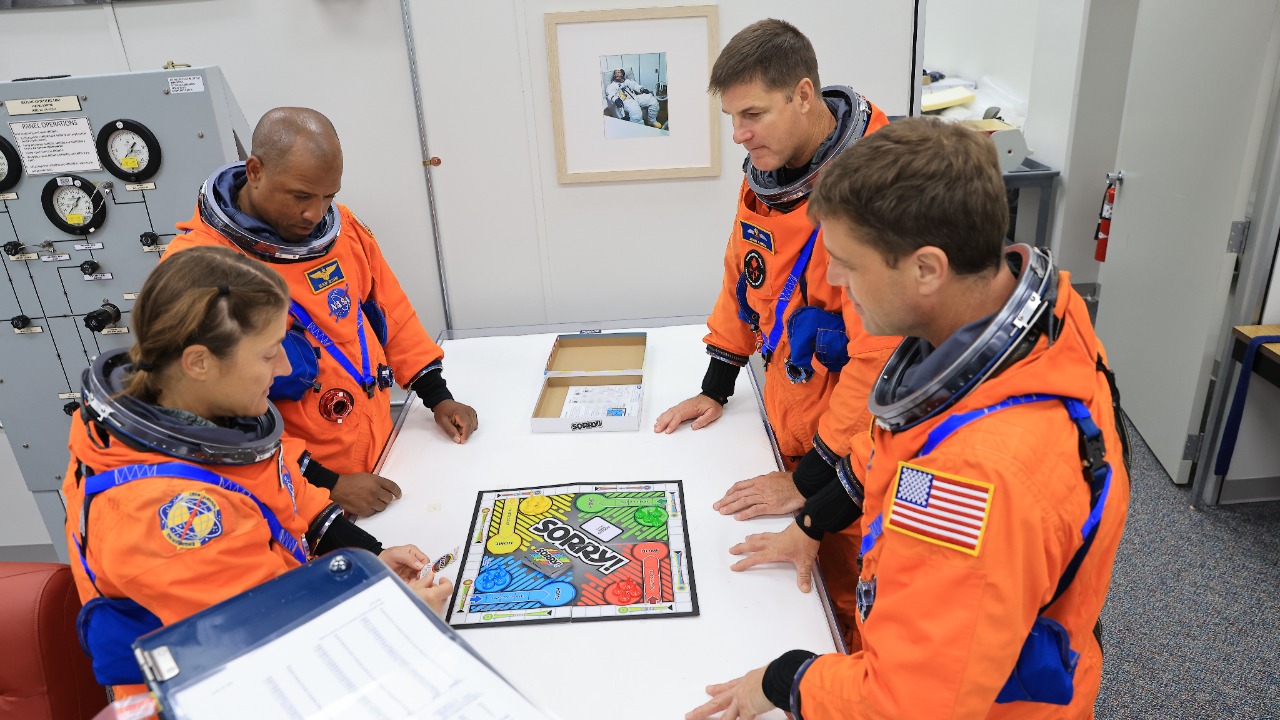
The Artemis II mission features a crew of four astronauts who have been selected for their expertise, experience, and dedication to space exploration. These astronauts have been undergoing rigorous training to prepare for the challenges of the mission. As detailed by WION News, the training regimen includes simulations of the mission’s various phases, emergency procedures, and teamwork exercises to ensure the crew is ready for any situation they may encounter.
The training program is designed to equip the astronauts with the skills and knowledge they need to operate the Orion spacecraft and conduct scientific research during their mission. This includes training in spacecraft systems, navigation, and communication, as well as physical conditioning to prepare for the rigors of space travel. The crew’s preparation is a testament to their commitment to the mission and their role in advancing human space exploration.
The training for Artemis II is not only about mastering the technical aspects of the mission but also about fostering a strong team dynamic among the crew members. This involves extensive teamwork exercises and simulations that mimic the conditions and challenges they will face in space. These exercises are crucial for building trust and ensuring effective communication among the crew, which are vital for the success of the mission.
In addition to technical training, the astronauts undergo physical conditioning to prepare their bodies for the demands of space travel. This includes exercises to maintain muscle strength and cardiovascular health, as well as training to adapt to the microgravity environment they will experience during the mission. The comprehensive training program is designed to ensure that the crew is physically and mentally prepared for their journey, reflecting NASA’s dedication to mission success and crew safety.
Significance of the Artemis II Mission
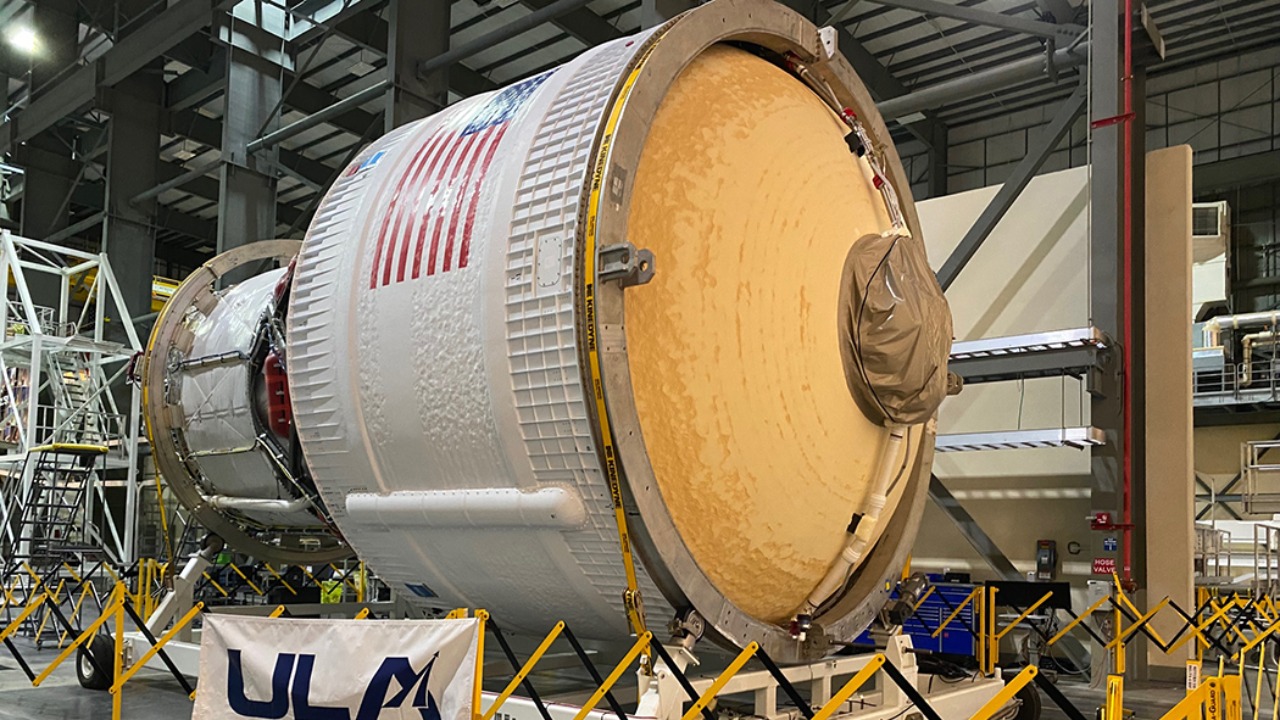
The Artemis II mission represents a pivotal step in NASA’s ongoing lunar exploration efforts. It is part of the broader Artemis program, which aims to establish a sustainable human presence on the moon and pave the way for future missions to Mars. According to OpenTools AI, the mission’s success will be crucial in demonstrating the capabilities of the Orion spacecraft and the Space Launch System, as well as the readiness of the crew for extended space travel.
The Artemis II mission is not only a technical achievement but also a symbol of international collaboration and scientific advancement. It brings together experts from various fields and countries, working towards a common goal of exploring the moon and beyond. The mission’s success will inspire future generations of scientists, engineers, and explorers, and it will contribute to our understanding of the moon’s resources and potential for supporting human life. As NASA continues to push the boundaries of space exploration, the Artemis II mission stands as a testament to human ingenuity and the relentless pursuit of knowledge.
