NASA’s Artemis 2 astronauts have declared their readiness for the historic mission to the moon, confidently stating, “We are ready for every scenario.” This mission represents a pivotal moment as it seeks to return humans to the lunar surface for the first time since the Apollo program. The astronauts’ preparedness underscores the significance of this endeavor, which is part of NASA’s broader vision for lunar exploration.
The Artemis 2 Mission Overview
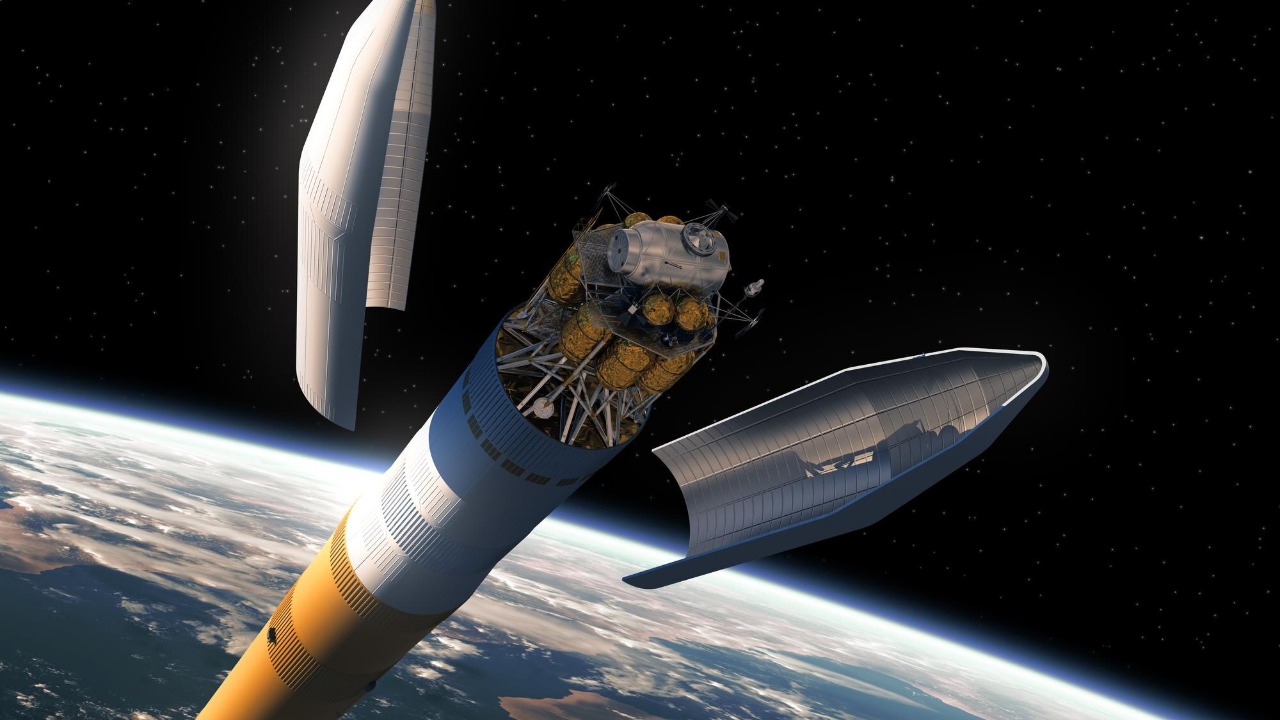
The Artemis 2 mission is a critical component of NASA’s ambitious Artemis program, which aims to land “the first woman and the next man” on the moon. This mission will serve as the first crewed flight test of the Space Launch System (SLS) and the Orion spacecraft, marking a significant milestone in human space exploration. The SLS, a powerful rocket designed for deep space missions, will propel the Orion spacecraft, which is equipped to support astronauts on long-duration missions beyond Earth’s orbit.
As part of the Artemis program, Artemis 2 is designed to test the integrated systems of the SLS and Orion in a crewed environment. This mission will provide valuable data and experience that will be crucial for subsequent missions, including Artemis 3, which aims to achieve the first lunar landing of the program. The successful execution of Artemis 2 will demonstrate the capabilities of NASA’s new space exploration systems and pave the way for future lunar missions.
The Artemis 2 mission is not just a technical endeavor but also a symbol of international collaboration and scientific advancement. NASA has partnered with space agencies from around the world, including the European Space Agency (ESA), which has contributed the European Service Module for the Orion spacecraft. This module is essential for providing propulsion, power, and life support systems, highlighting the global effort involved in this mission. The collaboration extends beyond hardware, as international teams work together to ensure mission success, sharing expertise and resources.
Moreover, the mission’s objectives include testing the spacecraft’s life support systems and communication capabilities, which are vital for ensuring astronaut safety on longer missions. The data collected will help refine these systems, making them more reliable for future missions. This mission is a stepping stone, not only for lunar exploration but also for the eventual goal of sending humans to Mars. By pushing the boundaries of current technology and international cooperation, Artemis 2 sets the stage for a new era of exploration.
Team Preparedness and Training
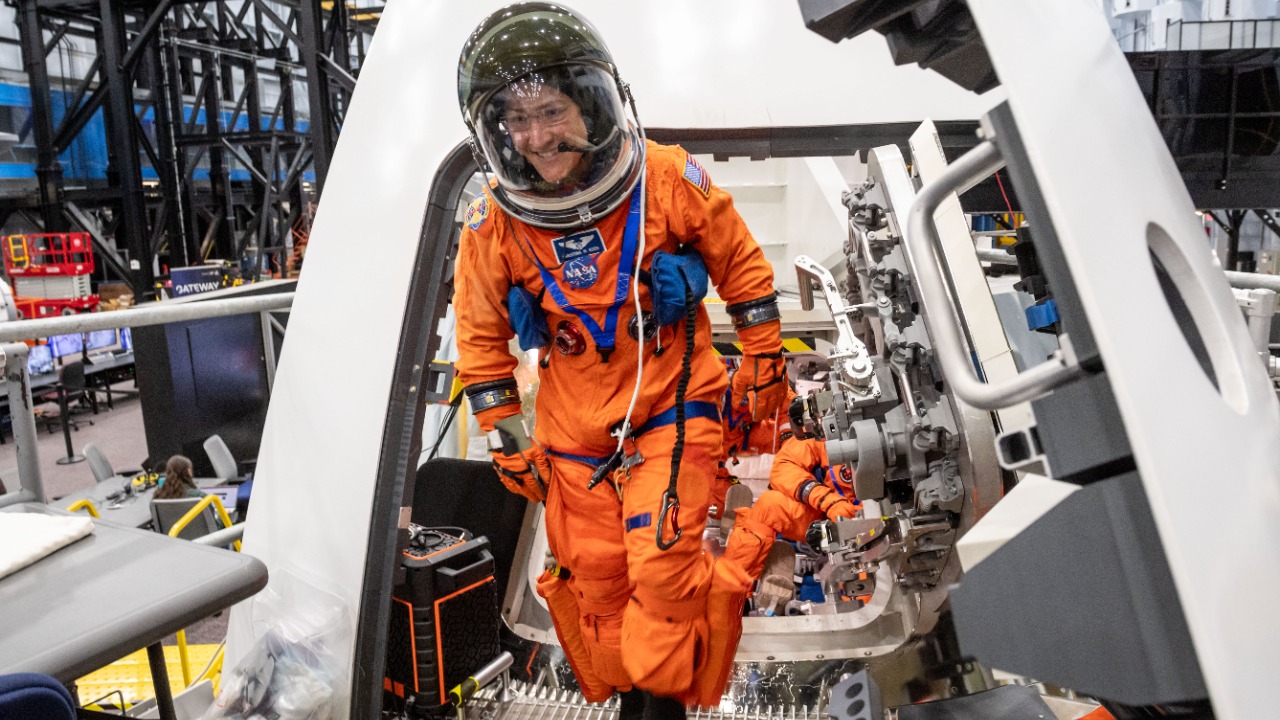
The astronauts selected for the Artemis 2 mission have undergone extensive training to ensure they are prepared for any challenges that may arise during the mission. This rigorous training regimen includes simulations of various scenarios, from routine operations to emergency situations, to ensure the crew is ready for the complexities of space travel. The astronauts’ confidence in their preparedness reflects the thoroughness of their training and their commitment to the mission’s success.
The crew’s readiness is further bolstered by the support of NASA’s experienced team of engineers and scientists, who have meticulously planned every aspect of the mission. This collaborative effort ensures that the astronauts are equipped with the knowledge and skills necessary to handle the demands of space travel. The team’s dedication to preparation underscores the importance of the Artemis 2 mission in advancing human space exploration.
The training regimen for Artemis 2 astronauts includes a variety of advanced techniques to simulate the conditions they will face in space. This includes underwater training to mimic the microgravity environment of space, allowing astronauts to practice movements and tasks they will perform during the mission. Additionally, they undergo virtual reality simulations to familiarize themselves with the spacecraft’s controls and systems, ensuring they can operate them efficiently under any circumstances.
Beyond technical training, the astronauts also engage in team-building exercises designed to enhance communication and problem-solving skills. These exercises are crucial for maintaining team cohesion and effectiveness during the mission, where quick decision-making and collaboration will be essential. The comprehensive nature of their preparation reflects NASA’s commitment to ensuring the safety and success of its crew, as well as the mission’s objectives.
Historical Significance and Future Implications
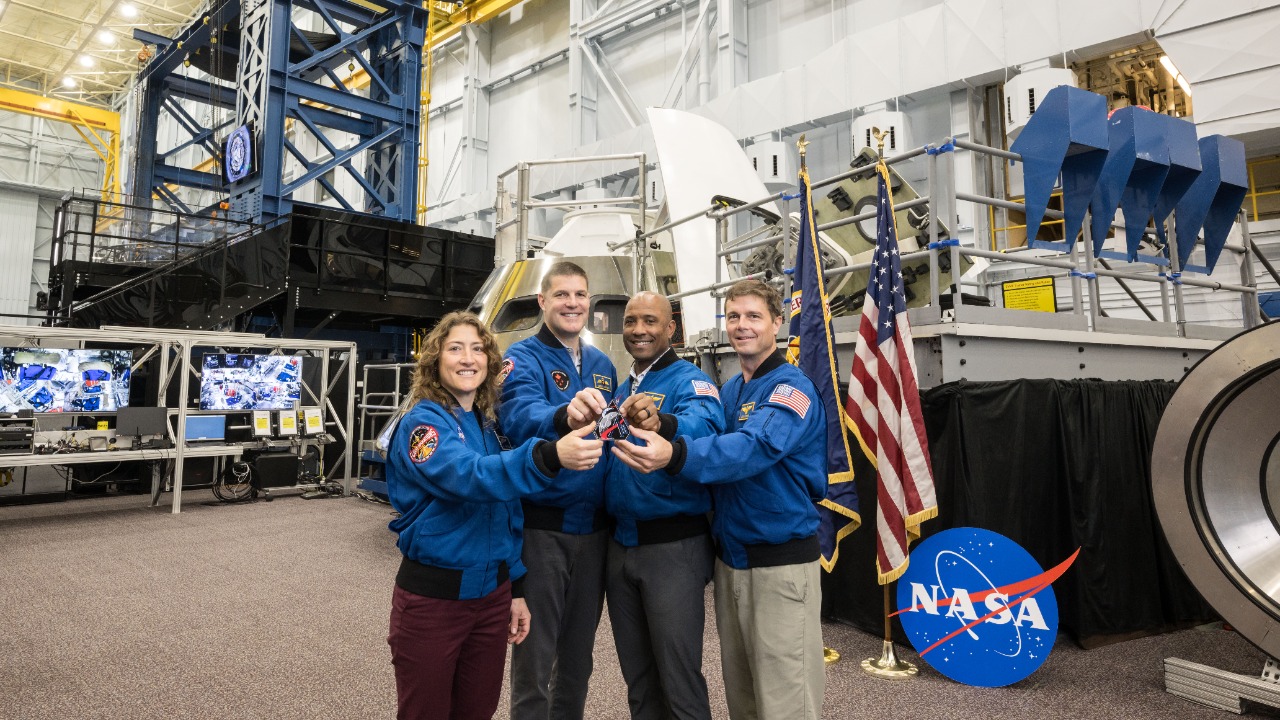
The Artemis 2 mission is poised to play a crucial role in the future of lunar exploration, with the ultimate goal of establishing a sustainable human presence on the moon. By successfully executing this mission, NASA will take a significant step toward achieving its long-term vision of exploring Mars and beyond. The insights gained from Artemis 2 will inform the development of technologies and strategies necessary for future missions to more distant destinations.
This mission also holds historical significance as it marks a new era of human space exploration. By returning humans to the moon, NASA is not only building on the legacy of the Apollo program but also setting the stage for future generations of explorers. The Artemis program’s emphasis on inclusivity, with its goal of landing the first woman on the moon, highlights the evolving nature of space exploration and its potential to inspire people around the world. For more details, visit Space.com.
Artemis 2 is not only a mission of exploration but also one of inspiration. By aiming to land the first woman on the moon, NASA is sending a powerful message about diversity and inclusion in space exploration. This mission is expected to inspire a new generation of scientists, engineers, and explorers, encouraging young people from diverse backgrounds to pursue careers in STEM fields. The representation of women and minorities in such high-profile missions can have a profound impact on societal perceptions and aspirations.
Furthermore, the mission’s success could lead to increased investment and interest in space exploration, both from governmental bodies and private enterprises. The technologies developed and tested during Artemis 2 will likely have applications beyond space travel, potentially leading to innovations in fields such as telecommunications, materials science, and robotics. As humanity looks to the stars, Artemis 2 serves as a reminder of what can be achieved through determination, collaboration, and a shared vision for the future.
