
The U.S. Army’s focus has shifted to the ‘new’ Bradley A4 Infantry Fighting Vehicle as they proceed with the procurement of the M2A4 and M7A4 models, underscoring a significant advancement in military technology. This move follows a strategic order placed in December 2024, as reported by Bulgarian Military. The attention on these vehicles highlights their expected impact on future combat operations (National Security Journal).
Features of the Bradley A4 Infantry Fighting Vehicle
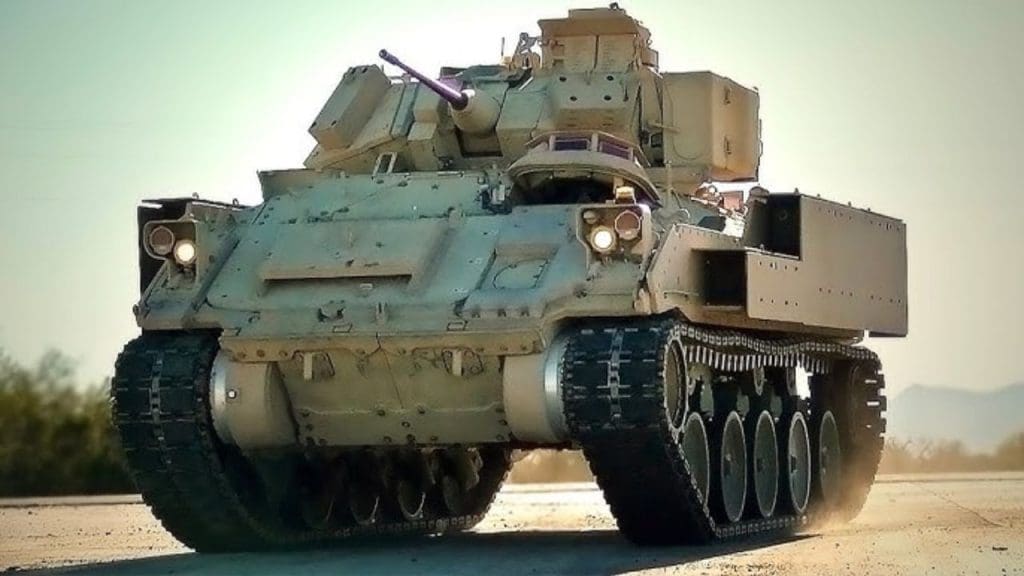
The Bradley A4 Infantry Fighting Vehicle represents a leap forward in military technology, incorporating advanced features that enhance its combat effectiveness. According to National Security Journal, the vehicle is equipped with state-of-the-art weapons systems and defensive capabilities designed to improve battlefield performance. These enhancements include upgraded targeting systems and improved armor protection, which collectively increase the vehicle’s survivability in hostile environments.
In addition to its combat capabilities, the Bradley A4 models, specifically the M2A4 and M7A4, boast improved mobility and survivability features. As detailed by Bulgarian Military, these vehicles have been engineered to navigate challenging terrains more efficiently, ensuring that troops can be deployed rapidly and safely. The integration of advanced suspension systems and enhanced powertrains contributes to their superior maneuverability, making them a formidable asset in various combat scenarios.
Moreover, the Bradley A4’s technological advancements extend to its communication systems, which have been significantly upgraded to ensure seamless integration with other military units. This capability is crucial for maintaining situational awareness and coordinating complex operations in real-time. The vehicle’s enhanced digital architecture allows for better data sharing and interoperability with other platforms, which is essential for modern network-centric warfare. These improvements not only bolster the vehicle’s standalone capabilities but also enhance its role within a larger combat system, making it an indispensable asset on the battlefield.
Procurement and Deployment Plans
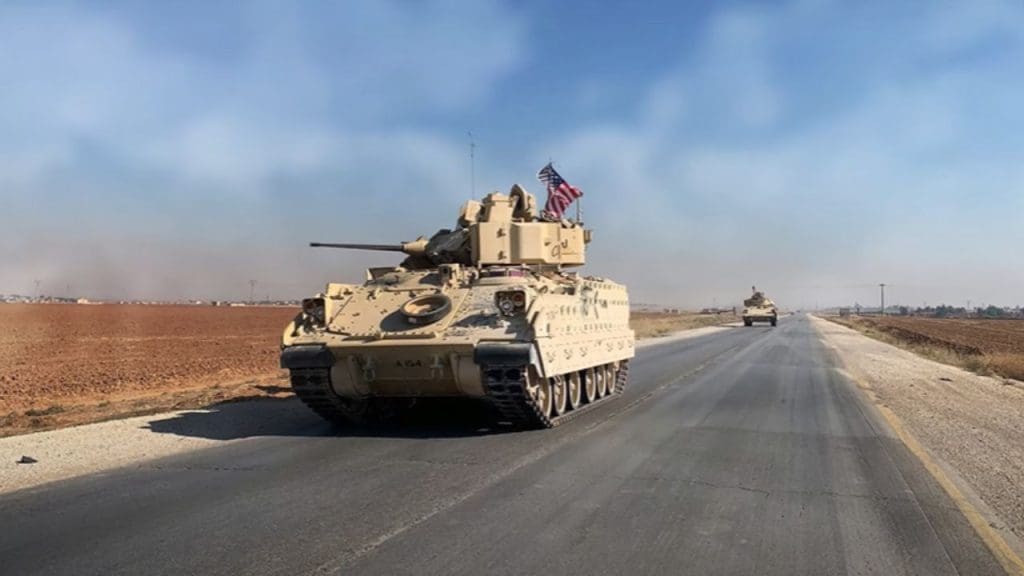
The U.S. Army’s decision to order the M2A4 and M7A4 Bradley IFVs in December 2024 marks a significant investment in modernizing its armored vehicle fleet. As reported by Bulgarian Military, this procurement underscores the Army’s commitment to enhancing its operational capabilities through cutting-edge technology. The scale of this order reflects a strategic initiative to replace older models with more advanced and capable vehicles, ensuring that the Army remains prepared for future conflicts.
The strategic rationale behind focusing on the new Bradley A4 models is rooted in the broader military modernization efforts. According to National Security Journal, these vehicles are integral to the Army’s vision of a more agile and technologically advanced force. By investing in these new models, the Army aims to enhance its readiness and adaptability in various combat scenarios, ensuring that it can effectively respond to emerging threats and challenges.
In addition to the immediate tactical benefits, the procurement of the Bradley A4 models represents a long-term strategic investment in the Army’s future capabilities. The decision to prioritize these vehicles aligns with the Army’s broader goals of increasing force lethality and survivability. By integrating cutting-edge technologies into its fleet, the Army is positioning itself to face both current and future adversaries with greater confidence. This procurement also reflects a commitment to maintaining technological superiority, which is a cornerstone of U.S. military strategy.
Impact on Military Operations
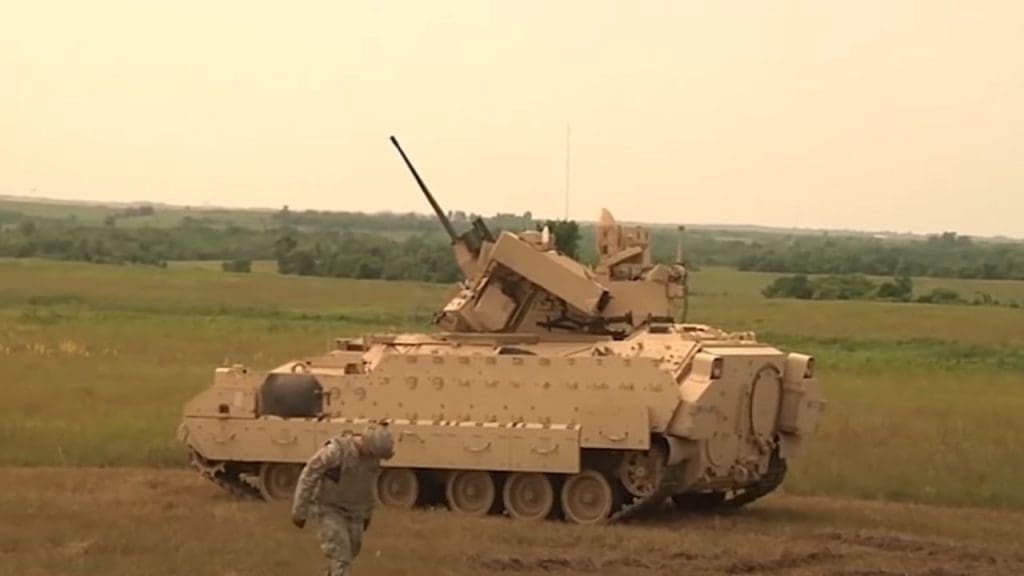
The introduction of the Bradley A4 IFVs is expected to significantly enhance the Army’s operational capabilities across a range of combat scenarios. As highlighted by National Security Journal, these vehicles provide improved firepower, protection, and mobility, which are crucial for maintaining a tactical advantage on the battlefield. The advanced systems integrated into the Bradley A4 models enable more precise targeting and quicker response times, allowing for more effective engagement with enemy forces.
Deployment strategies for the Bradley A4 IFVs are likely to focus on regions where their capabilities can be maximized. According to National Security Journal, these vehicles are expected to be utilized in areas that require rapid deployment and high maneuverability, such as urban environments and rugged terrains. By strategically positioning these vehicles, the Army can ensure that it is well-equipped to handle a variety of operational challenges, enhancing its overall effectiveness in both defensive and offensive operations.
The Bradley A4 IFVs are expected to play a pivotal role in joint operations, where coordination between different branches of the military is essential. Their advanced communication and targeting systems facilitate better integration with air and naval forces, enabling more cohesive and effective joint missions. This capability is particularly important in complex operational environments where rapid decision-making and precise execution are required. The Bradley A4’s versatility and adaptability make it a valuable component in both conventional and asymmetric warfare scenarios, enhancing the Army’s ability to project power globally.
Industry and Economic Implications
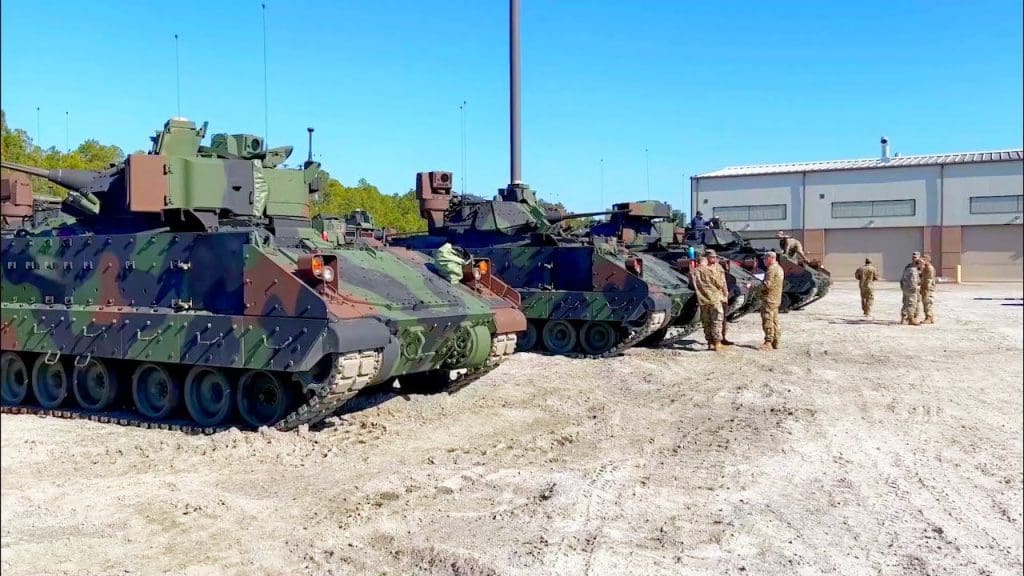
The production of the M2A4 and M7A4 models involves several key defense contractors, which plays a significant role in the economic landscape of the defense industry. As reported by Bulgarian Military, these contractors are responsible for manufacturing the advanced components and systems that make up the Bradley A4 IFVs. This procurement not only supports the modernization of the Army’s vehicle fleet but also stimulates economic activity within the defense sector, contributing to job creation and technological innovation.
The broader impact of this procurement on the defense industry is substantial, as it drives demand for advanced manufacturing and engineering expertise. According to National Security Journal, the production of these vehicles supports a wide range of jobs, from skilled labor in manufacturing plants to high-tech positions in research and development. This investment in the Bradley A4 models not only enhances military capabilities but also strengthens the economic foundation of the defense industry, ensuring its continued growth and competitiveness.
