The United States Army is phasing out the iconic Humvee, a vehicle synonymous with military strength and versatility for decades. In its place, a faster, more efficient vehicle is being introduced to meet the evolving demands of modern warfare. This shift marks a significant evolution in military transportation technology.
The Legacy of the Humvee
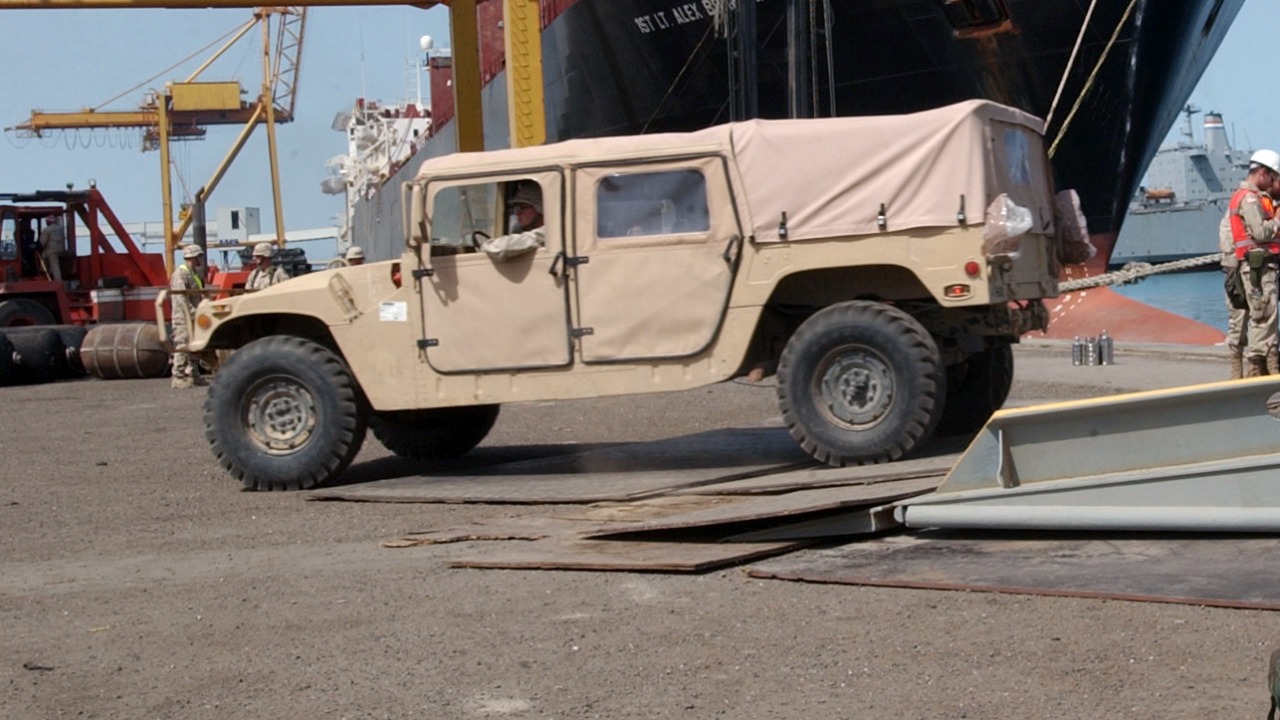
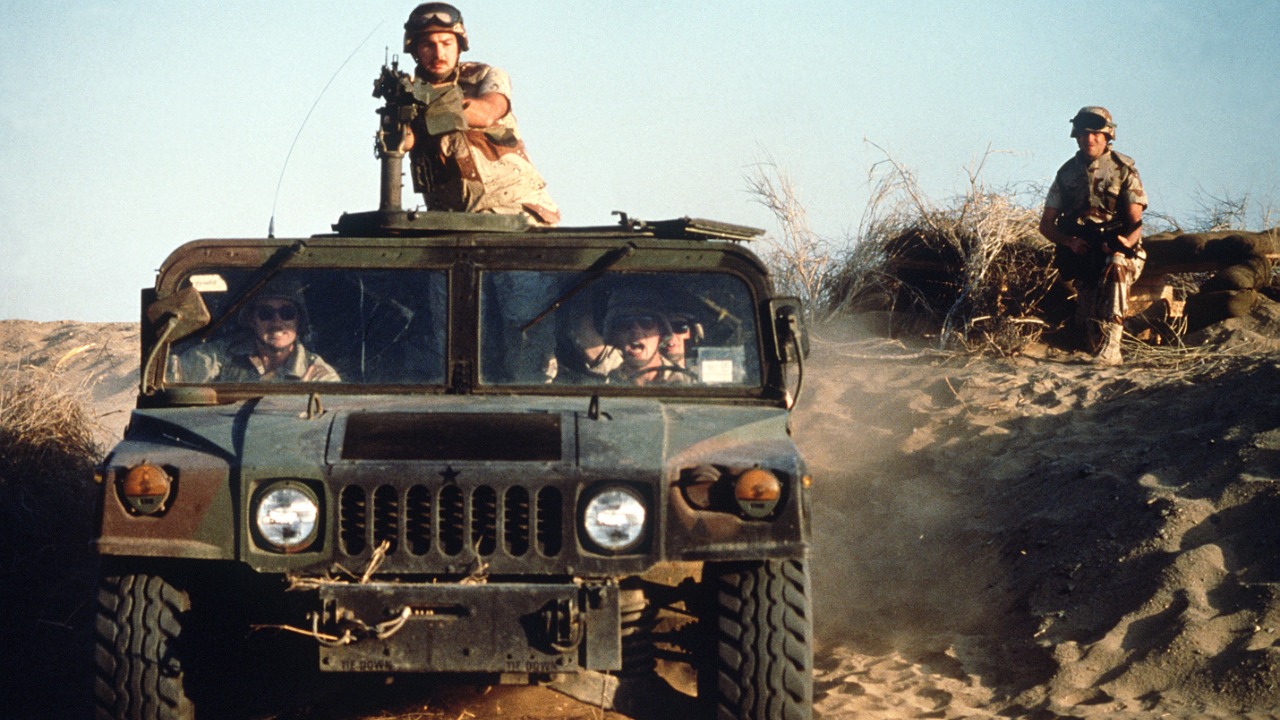
The Humvee, officially known as the High Mobility Multipurpose Wheeled Vehicle (HMMWV), was introduced in the 1980s and quickly became an integral part of the U.S. military’s fleet. Its development was driven by the need for a versatile vehicle that could replace the aging fleet of Jeeps and other light utility vehicles. The Humvee’s debut came during a period of significant military transformation, and it was designed to meet the demands of Cold War-era conflicts. Over the years, it has been a fixture in military operations worldwide, from the deserts of the Middle East to the rugged terrains of Afghanistan.
Renowned for its versatility and performance, the Humvee has been deployed in a multitude of operations, demonstrating its adaptability to various terrains and climates. Its robust design allowed it to navigate through harsh environments, providing essential support in combat scenarios. Beyond its military utility, the Humvee achieved cultural icon status, representing ruggedness and resilience in a variety of media. Movies, television shows, and even video games have featured the Humvee, solidifying its place in popular culture as a symbol of military might.
Why Change Was Necessary
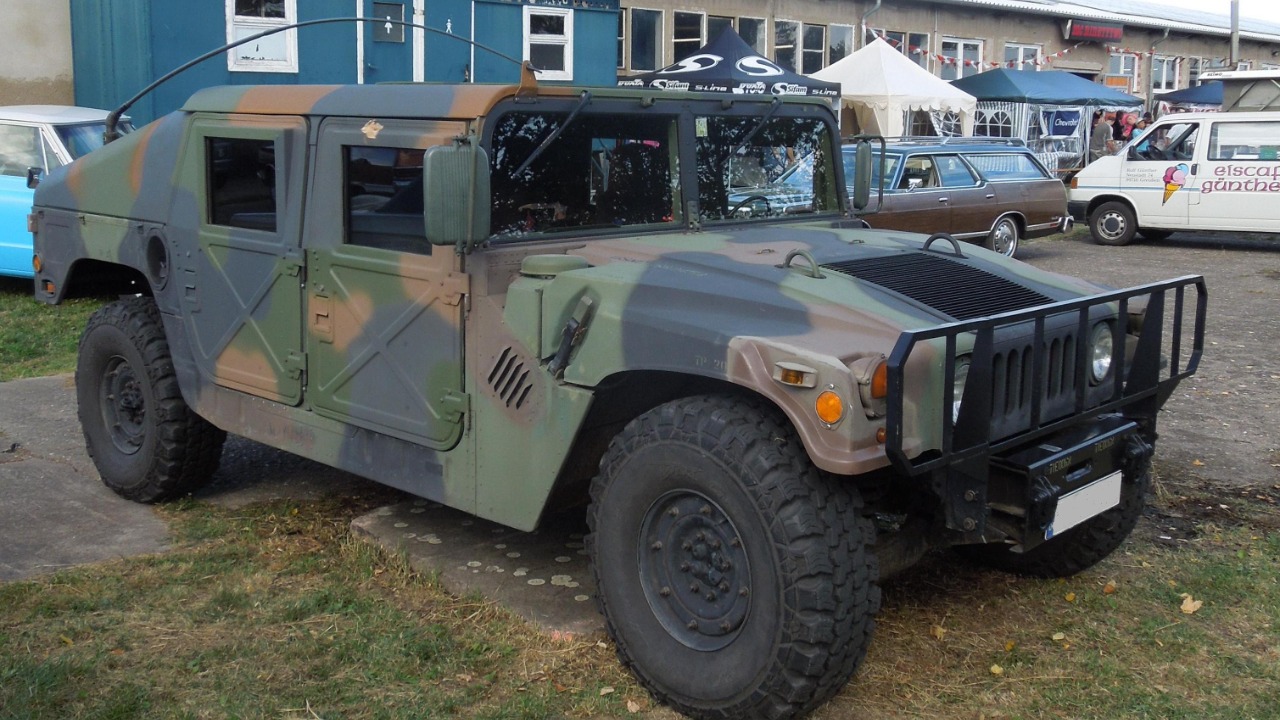
While the Humvee has served the military well, technological advancements have exposed its limitations. Modern military operations require vehicles that are not only robust but also possess enhanced speed, maneuverability, and protection. The Humvee, despite its strengths, struggled to keep pace with these evolving requirements. The introduction of advanced materials and engineering techniques has paved the way for vehicles that offer superior protection against threats such as improvised explosive devices (IEDs) and ambushes, crucial in today’s combat scenarios.
Operational demands have shifted significantly, with a greater emphasis on quick deployment and rapid response. The need for a vehicle that can swiftly navigate urban environments and rough terrains has become paramount. The Humvee’s aging design also presented maintenance challenges, as the cost of keeping the fleet operational continued to rise. This financial burden, coupled with the need for a vehicle better suited to modern warfare, necessitated the transition to a more cost-effective and capable solution.
Introducing the New Vehicle
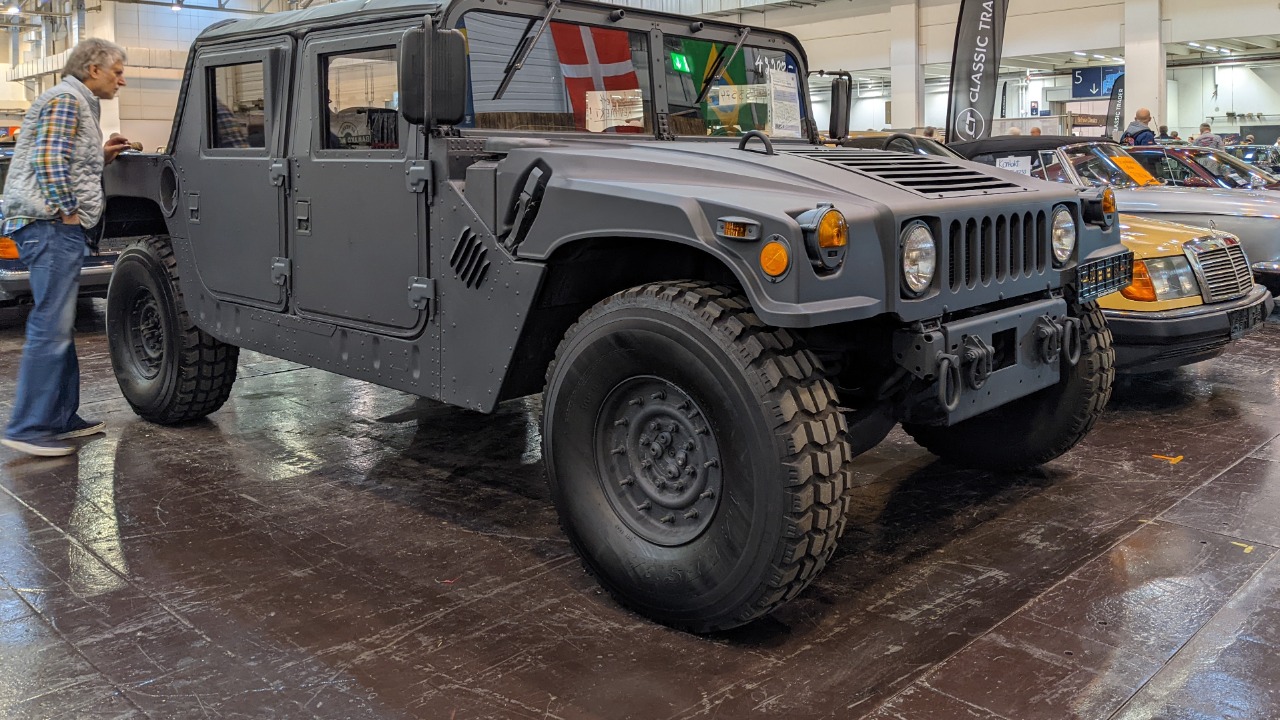
The replacement for the Humvee is designed with speed, agility, and enhanced protective features at the forefront. This new vehicle sets a new standard in military transportation, boasting a design that maximizes both speed and fuel efficiency. Enhanced armor and state-of-the-art defensive systems ensure that it can withstand modern threats, offering greater protection for its occupants. Key design improvements include a lower profile for increased stealth and a more robust suspension system for superior maneuverability across diverse terrains.
In terms of performance metrics, the new vehicle surpasses the Humvee in several critical areas. Its speed and fuel efficiency are markedly improved, enabling longer operational ranges and quicker response times. The vehicle’s agility allows it to navigate tight urban environments, providing a strategic advantage in modern warfare. The adoption and deployment of this new vehicle are being carefully planned, with initial testing and feedback from military personnel already contributing to its refinement. The timeline for full deployment is set to unfold over the next few years, marking a significant shift in the Army’s operational capabilities.
Implications for the Military and Beyond
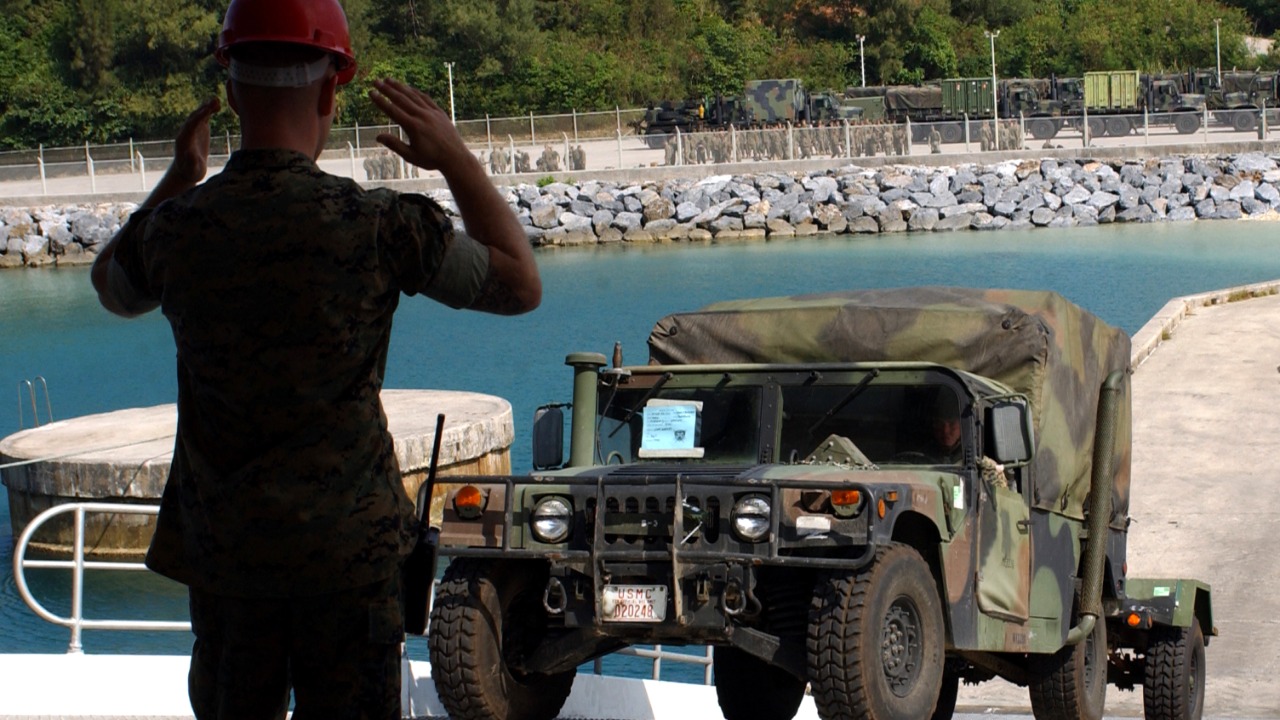
The strategic advantages of the new vehicle are manifold. It enhances the military’s readiness and capability in various combat scenarios, providing a platform that can be rapidly deployed and effectively utilized in diverse operational environments. This transition also influences military strategy, potentially leading to new tactics and operational planning approaches that leverage the vehicle’s advanced features.
The introduction of this new vehicle is likely to have broader effects beyond the military. The defense industry stands to benefit from the technological innovations incorporated into the vehicle, which may also find applications in civilian sectors. The advancements in materials and design could inspire similar enhancements in civilian transportation, leading to safer and more efficient vehicles for everyday use. The ripple effect of this military upgrade may be felt across multiple industries, sparking further innovation and development.
Challenges and Future Prospects
The transition from the Humvee to the new vehicle presents logistical and operational challenges. The process of phasing out an iconic and widely used vehicle like the Humvee involves complex planning and coordination. Ensuring that military personnel are adequately trained to operate and maintain the new fleet is a critical component of this transition. Additionally, the logistical aspects of distributing and integrating the new vehicles into existing military infrastructure require careful management.
Looking at the long-term outlook, the shift to this new vehicle sets a precedent for future innovations in military transportation. It signals a move towards more technologically advanced and adaptable military vehicles, aligning with the broader trend of modernization within the armed forces. The continuous feedback loop from troops using the vehicle in real-world scenarios will be vital in refining its design and functionality. This iterative process ensures that the new vehicle remains at the forefront of military transportation technology, meeting the evolving needs of the military. Continued improvements and adaptations will likely follow, paving the way for the next generation of military vehicles.
