
Helicopter flying is often associated with rigorous training and certification requirements. However, there are specific helicopters that can be flown without a traditional pilot’s license, offering a unique opportunity for aviation enthusiasts. For those interested in piloting helicopters without the need for a formal license, understanding the types and regulations involved is crucial.
Understanding the Legal Framework

When it comes to aviation, regulations are strict to ensure the safety of both pilots and passengers. Generally, obtaining a pilot’s license involves rigorous training, exams, and a significant investment of time and money. Despite these requirements, certain types of aircraft are exempt, allowing for piloting without a formal license.
One such category is the ultralight helicopter. The Federal Aviation Administration (FAA) defines ultralight vehicles as those limited to a maximum empty weight of 254 pounds. They can only be flown during daylight hours and are restricted to single-seat configurations. These helicopters fall into a niche within the regulatory framework that allows them to be operated without a pilot’s license.
Exemptions for these vehicles are based on several criteria, such as weight, speed, and seating capacity. The FAA’s Part 103 rules specifically address these conditions, making it possible for aviation enthusiasts to fly certain helicopters without the need for a traditional pilot’s license.
Types of Helicopters You Can Fly Without a License
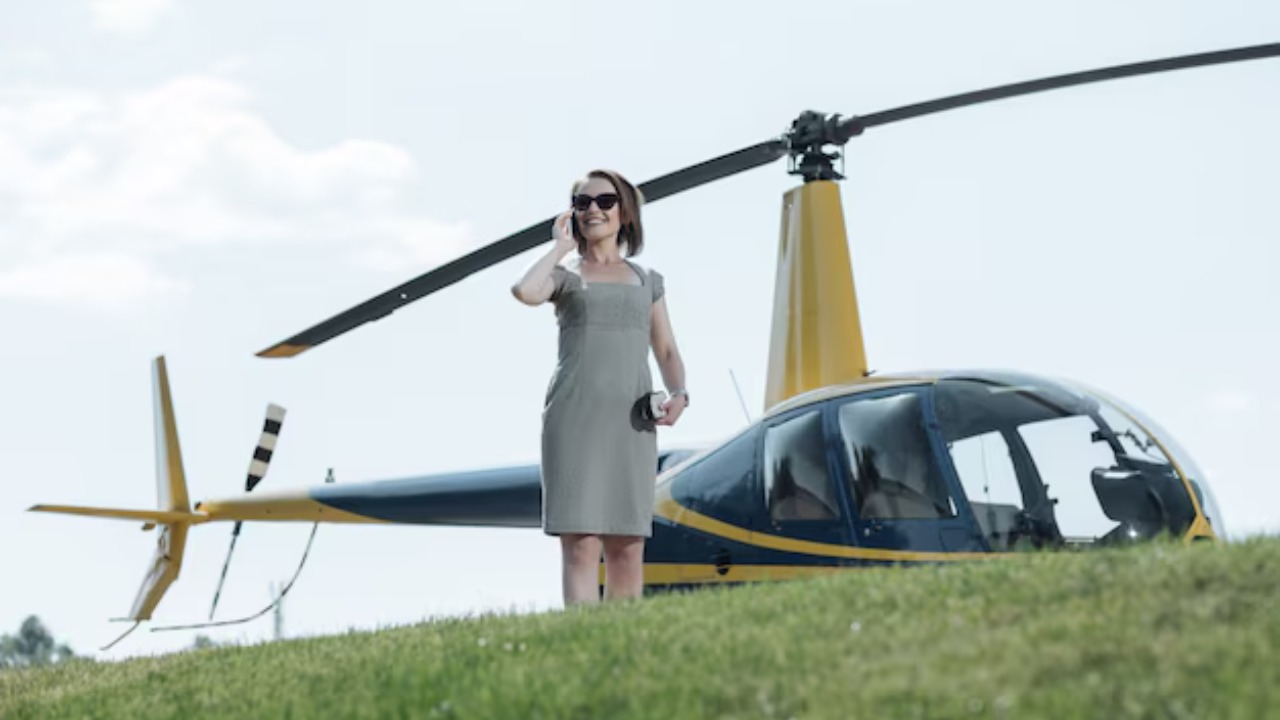
One of the most accessible categories for aspiring pilots is the light sport helicopter. These helicopters require minimal piloting credentials—typically just a driver’s license and a limited number of training hours. Designed for ease of use, they offer a balance between accessibility and the thrill of flight.
Ultralight helicopters, on the other hand, are smaller and less complex, which is why they can be flown without a license. These helicopters emphasize simplicity and are often used for recreational purposes. While they don’t require a license, understanding their limitations and the basic principles of flight is still essential.
Additionally, experimental and home-built helicopters offer another avenue for flying without a license. Under certain conditions, these helicopters can be operated without formal licensing. However, these helicopters often require a thorough understanding of aviation mechanics and assembly, as they are typically built by the pilots themselves.
Safety Considerations and Risks
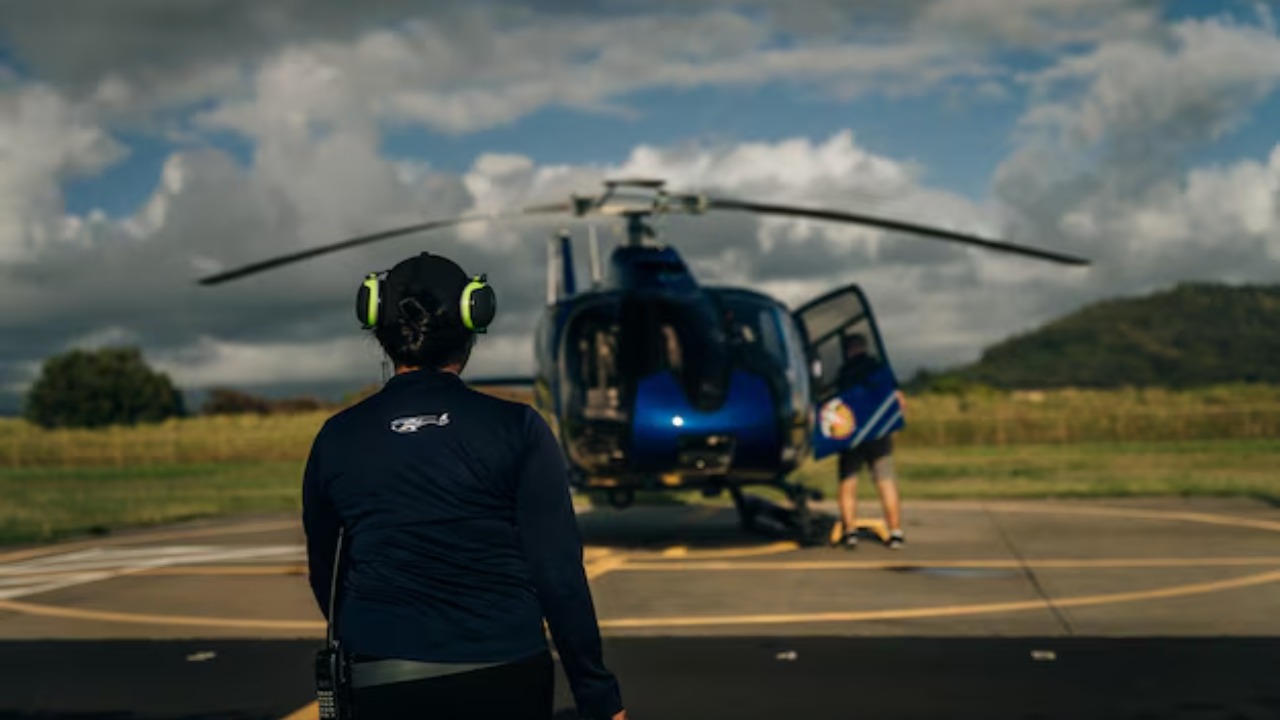
Even if a license isn’t required, the importance of training cannot be overstated. Adequate training ensures that pilots are prepared for various situations, from basic navigation to emergency procedures. It’s recommended that pilots undergo a certain number of training hours, even if they are not legally mandated.
Flying helicopters without a license comes with inherent risks. Issues such as mechanical failures and adverse weather conditions pose significant hazards. For instance, a recent helicopter crash in the Hudson River highlighted the potential dangers of flying without adequate preparation.
To mitigate these risks, adherence to safety protocols and the use of appropriate safety equipment is crucial. Helmets, harnesses, and emergency kits are essential components that should be part of every flight.
Advantages and Disadvantages of Flying Without a License
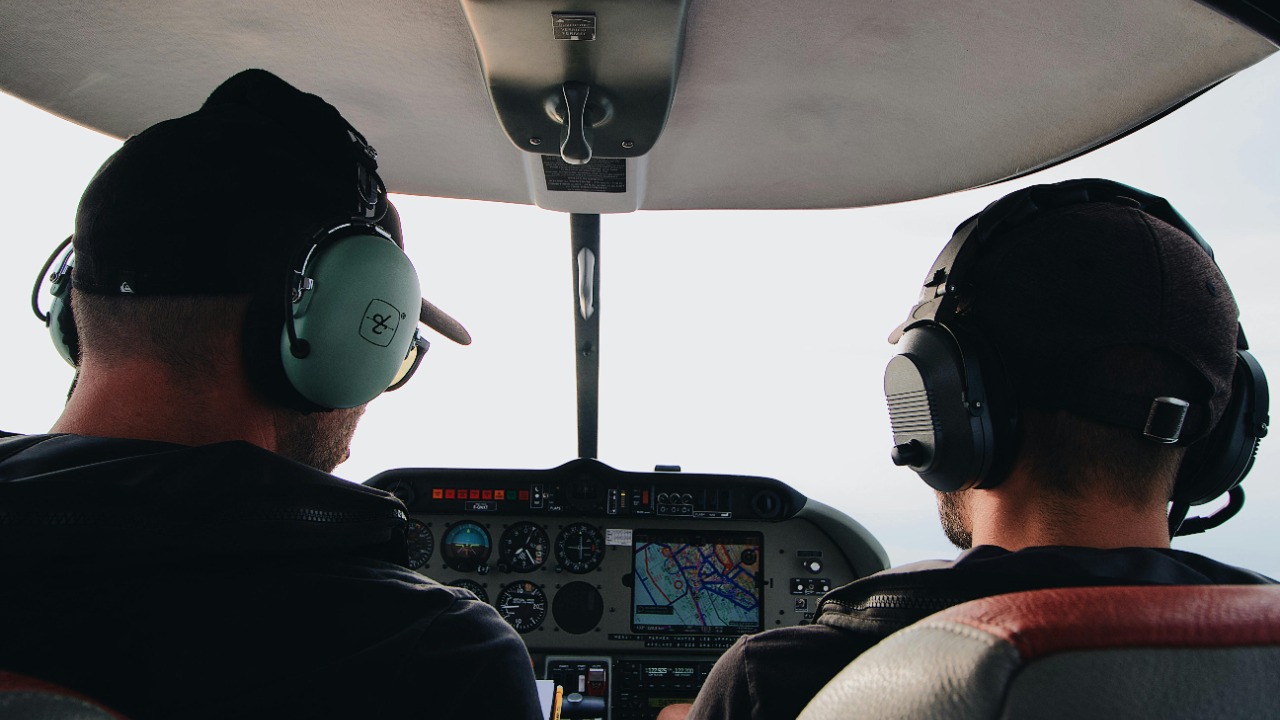
Piloting a helicopter without a license offers several advantages. For many, the reduced costs and the ability to quickly get into the air are significant benefits. It also makes helicopter flying more accessible to those who may not have the time or resources to pursue a full pilot’s license. Additionally, the experience of flying unconstrained by extensive regulations is exhilarating for many enthusiasts.
However, there are notable downsides. The capabilities of these helicopters are often limited, and flying without a license can lead to potential legal issues if regulations are not carefully followed. Safety concerns are also amplified when flying without formal training.
Real-world experiences can provide valuable insights. Personal anecdotes from individuals who have flown these helicopters often highlight both the excitement and challenges. For example, a pilot of a small ultralight helicopter described the thrill of flying as akin to a childhood dream, yet acknowledged the importance of understanding one’s own limitations.
Exploring the Future of License-Free Helicopter Flight
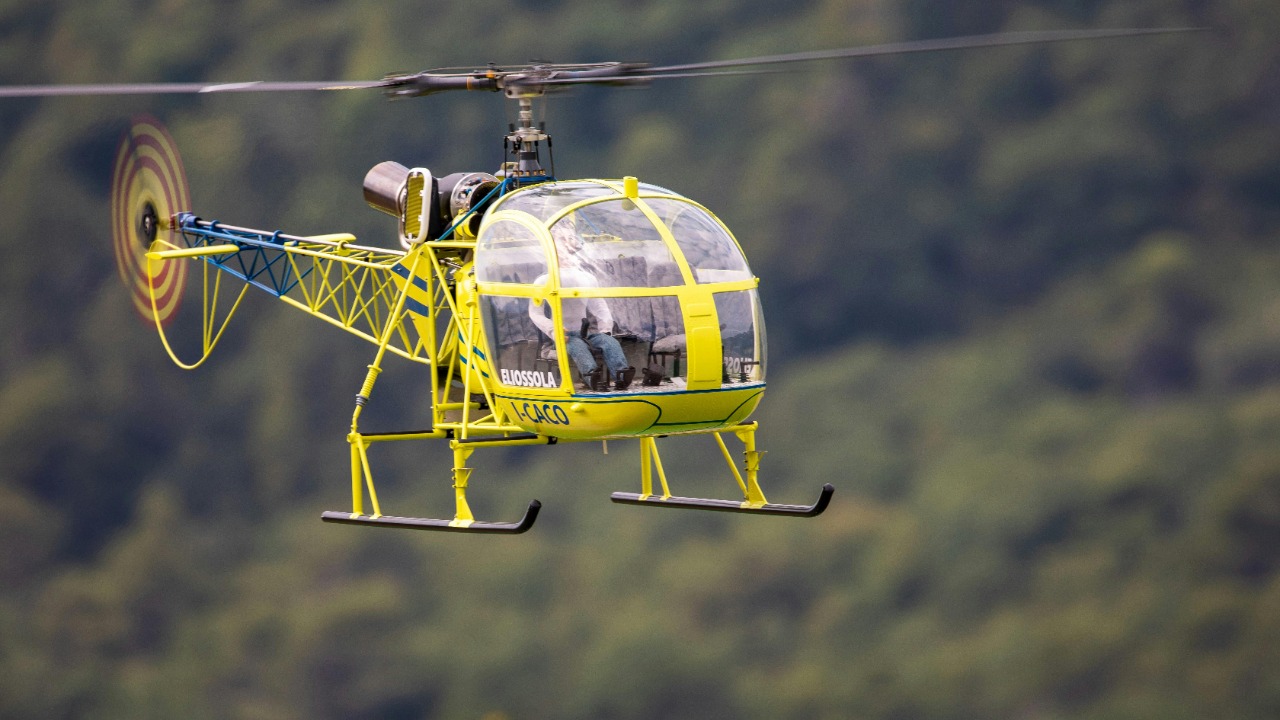
As technology advances, helicopters are becoming more accessible and user-friendly. Innovations in avionics and materials are making it easier to fly without extensive training. These advancements could pave the way for more widespread use of license-free helicopters.
Regulatory environments are also evolving. While current regulations provide specific exemptions, future changes could either expand or restrict these opportunities. Keeping abreast of these changes is crucial for those interested in exploring this field.
Ultimately, the role of innovation in aviation will continue to shape the landscape of license-free flight. As new technologies and materials are developed, the potential for flying helicopters without a license may expand, providing even more opportunities for enthusiasts to take to the skies.
