
In the world of tech, understanding the basics of how your devices are powered can be empowering. One common question is whether phone chargers use alternating current (AC) or direct current (DC), and why this distinction matters. Exploring the science behind phone charging unveils not only how our gadgets stay powered but also the implications for safety and efficiency.
Understanding AC and DC

Define Alternating Current (AC)
Alternating Current (AC) is the form of electricity that flows in two directions, alternating its direction periodically. This characteristic makes it suitable for transmission over long distances, which is why it is the standard used in homes and industries. AC’s ability to change voltage levels through transformers makes it incredibly versatile for powering everything from household appliances to industrial equipment.
Define Direct Current (DC)
On the other hand, Direct Current (DC) flows in a single direction, providing a steady stream of electricity. DC is typically used in low-voltage applications, such as electronics and battery-powered devices. Its one-way flow is perfect for devices like smartphones, which require consistent voltage levels to operate efficiently. To learn more about the differences, visit Plugin America.
How Phone Chargers Work

The Role of the Power Adapter
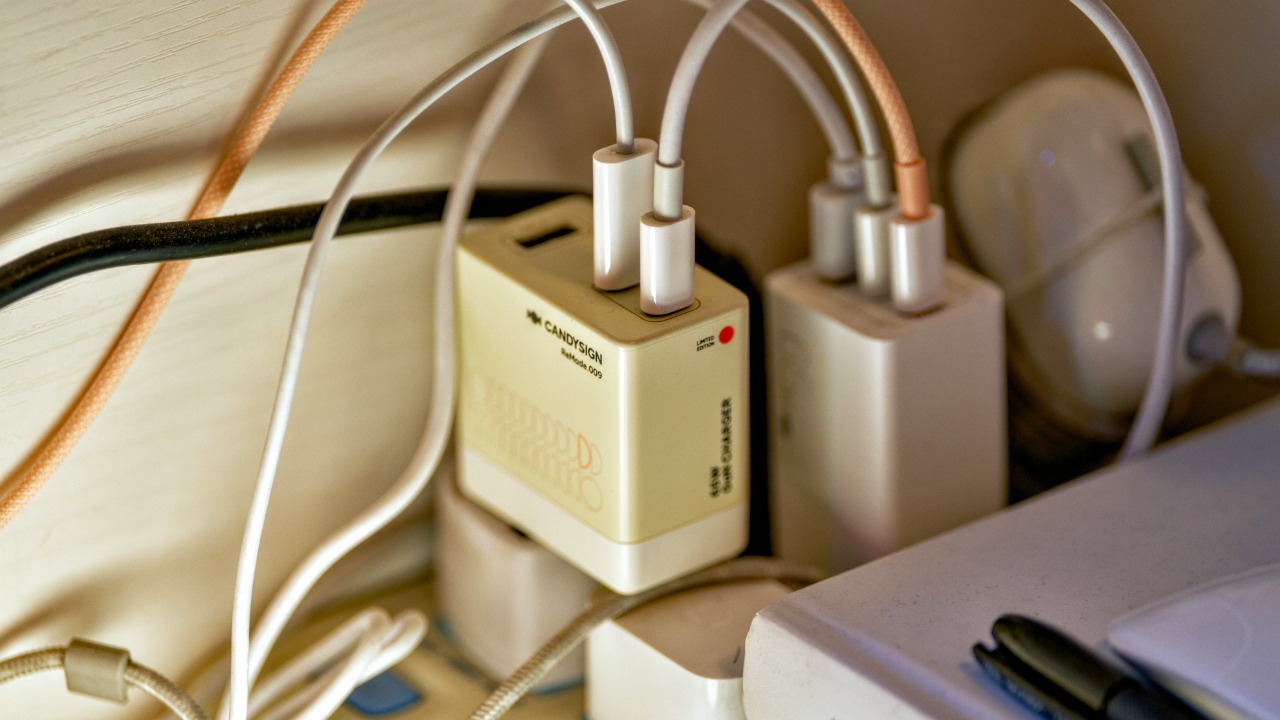
Phone chargers serve as a bridge between the AC power from wall outlets and the DC power required by most electronic devices. The power adapter plays a crucial role in this conversion process, as AC cannot be directly used by smartphones. The adapter converts the AC into DC, ensuring that your phone receives the appropriate type of current.
The Conversion Process
This conversion is accomplished through the use of transformers and rectifiers housed within the charger. The transformer adjusts the voltage levels, while the rectifier converts the alternating current to direct current. This process ensures that your phone receives the correct type of power, protecting it from potential electrical damage. For an in-depth explanation, check out this discussion on Electronics Stack Exchange.
The Importance of DC for Devices

Battery Technology and DC
Batteries store energy in DC form, which is why they are inherently compatible with devices powered by direct current. This compatibility is essential for the operation of portable electronics, as batteries provide a stable and reliable power source. The one-way flow of DC is crucial for maintaining the longevity and performance of these devices.
Safety and Efficiency
Using DC in smaller devices reduces the risk of electrical mishaps, such as short circuits or overloading. Additionally, DC is more efficient for low-voltage applications, as it minimizes energy loss during transmission. This efficiency is particularly beneficial for portable electronics, where maximizing battery life is a priority. For further insights, explore SlashGear’s explanation.
AC vs. DC Charging
Differences in Charging Stations
When it comes to electric vehicles, both AC and DC charging stations are used. AC chargers rely on the car’s onboard converter to change the current to DC for battery storage, while DC charging stations provide direct current straight to the battery, allowing for faster charging. This principle highlights the versatility and application of AC/DC in larger-scale contexts. For more details, visit SolarQuotes.
Speed and Convenience Factors
DC charging is typically faster due to its direct power delivery to the battery, bypassing the need for conversion. This speed is especially advantageous for electric vehicles that require quick charging times. When selecting a charging method, factors such as convenience, speed, and the device’s requirements should guide your decision.
Why It Matters to Consumers

Impact on Device Longevity
The type of current your device receives can significantly impact battery life and overall performance. Using the right charger ensures that your device operates efficiently and extends its lifespan. Consumers should pay attention to the specifications of their chargers to maintain optimal device health.
Innovation and Future Trends
As technology advances, new innovations in charging and power conversion are emerging. Understanding the dynamics of AC and DC can prepare consumers for these future advancements. Staying informed about these trends will enable users to make better choices regarding their devices and charging solutions. For more on this topic, explore the IEEE Xplore article on power conversion technologies.
