A fascinating revelation from the icy expanses of the Arctic has given us a fresh insight into the life of dinosaurs. Recently discovered fossils, aged around 73 million years, suggest that dinosaurs not only inhabited these polar regions, but also managed to survive the extreme conditions of the polar night.
Discovery of Dinosaur Fossils in the Arctic
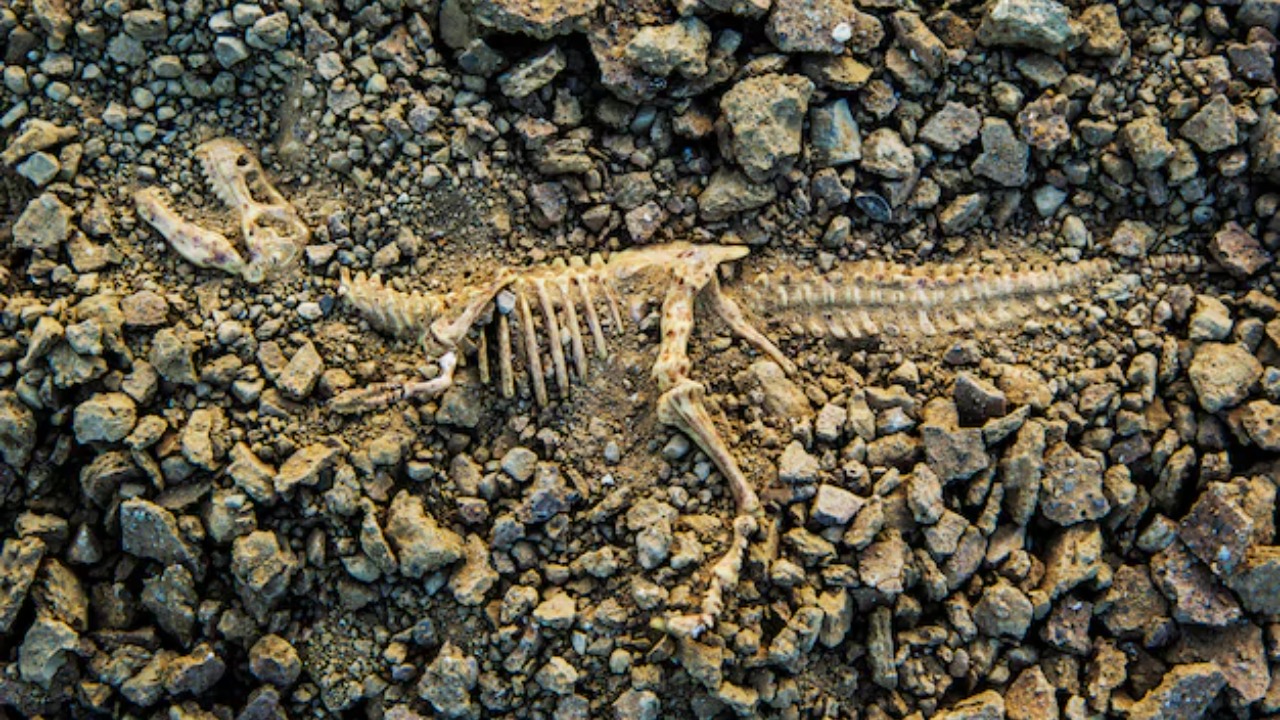
The recent unearthing of 73 million-year-old fossils in the Arctic has sparked a wave of excitement among paleontologists worldwide. These polar dinosaur fossils are a significant find as they challenge our existing understanding of dinosaur habitats. Until now, the general consensus was that dinosaurs predominantly lived in temperate climates.
The fossils discovered belong to a variety of species, including duck-billed hadrosaurs and small bird-like theropods. This diversity implies the Arctic was a thriving ecosystem during the Cretaceous period, rich in biodiversity and teeming with different dinosaur species.
Dinosaurs Surviving in Polar Climates

Deciphering how dinosaurs adapted to survive the harsh polar climates is a crucial aspect of this discovery. It’s evident that the Arctic region presented a unique set of challenges for these creatures, including freezing temperatures and prolonged periods of darkness known as the polar night.
However, fossil evidence suggests that these dinosaurs didn’t merely survive but thrived in these conditions. The existence of a large number of juvenile fossils indicates that dinosaurs were not only living but also breeding in these inhospitable conditions. This evidence challenges our current understanding of dinosaur biology and adaptability.
Insight into Arctic Dinosaur Behaviour

Fossil discoveries also shed light on the nesting habits of Arctic dinosaurs. The presence of large numbers of well-preserved eggs and nests in the Arctic region indicates that dinosaurs were reproducing in this harsh environment. This suggests that these creatures had made significant adjustments to their behavior to cope with the polar nights.
Moreover, the location of the fossils raises interesting questions about the migratory patterns of dinosaurs. While it is possible that some dinosaur species migrated to warmer regions during the harshest winters, the prevalence of juvenile fossils suggests that many dinosaurs remained in the Arctic throughout the year. More research is needed to fully understand these patterns.
Impact on Current Understanding of Dinosaurs
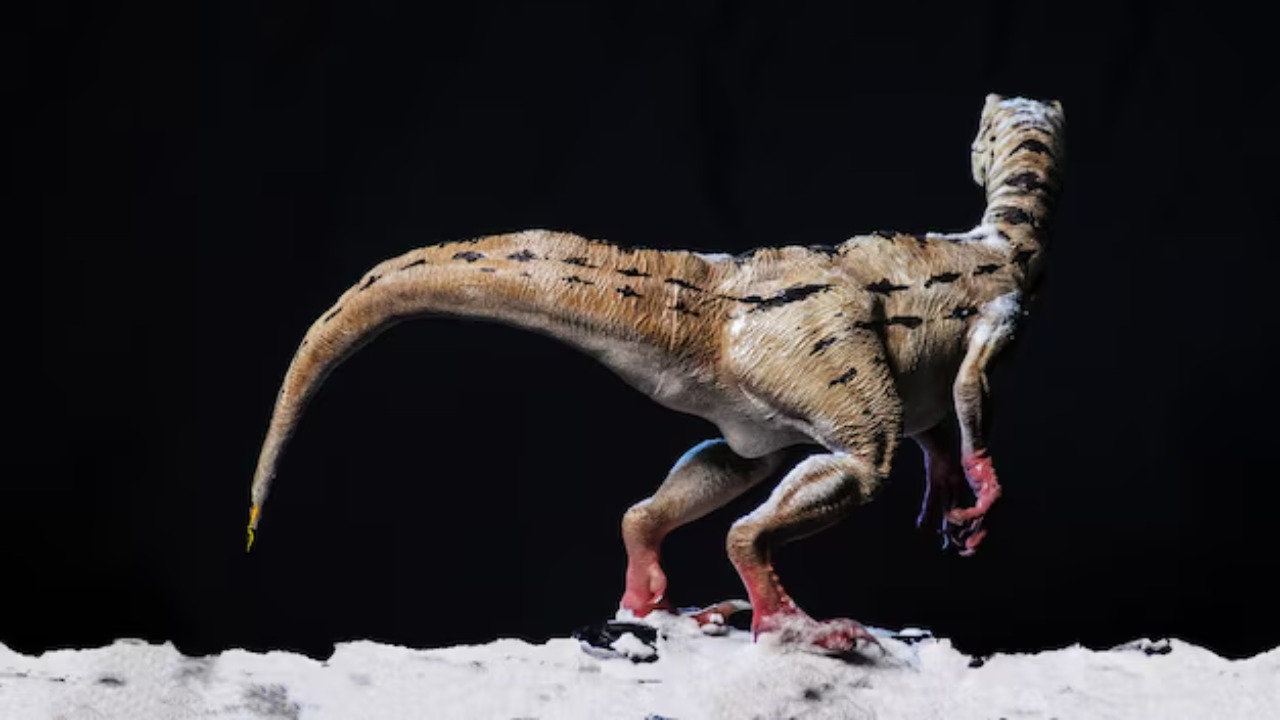
This Arctic discovery significantly challenges our previous theories about dinosaur habitats. Until now, it was generally believed that dinosaurs were unable to survive in such extreme conditions. This new evidence, however, demonstrates that dinosaurs were far more adaptable and resilient than previously thought.
The implications of these discoveries for our understanding of dinosaur behavior and adaptability are vast. Uncovering the mechanisms that allowed dinosaurs to survive in the Arctic could offer insights into the biodiversity of the Cretaceous period. The existence of a variety of dinosaur species in the Arctic suggests that these creatures were highly adaptable and could inhabit a wide range of environments.
Further Research and Unanswered Questions

These findings raise numerous questions and open up new areas for further research. For instance, how did these dinosaurs adapt to survive the extreme cold and darkness of the polar night? What changes did they make to their behavior and biology? And what does this tell us about the adaptability of prehistoric creatures?
Furthermore, these newfound discoveries offer invaluable lessons for understanding climate change and its impact on biodiversity. They provide a unique opportunity to study how species adapt to harsh climates, which is particularly relevant in the current context of global warming. With the potential for more discoveries in unexplored polar regions, the dinosaurs of the Arctic continue to hold many secrets waiting to be unveiled.
