The Arctic-boreal region, once a crucial carbon sink, is now undergoing a dramatic shift towards becoming a carbon source. This transformation has significant implications for global climate change, as the release of carbon dioxide (CO₂) from these northern ecosystems could accelerate warming trends. The implications of this shift are profound, raising concerns about the future of global carbon cycles and the urgency of addressing climate change.
The Role of the Arctic-Boreal Region in Global Carbon Cycling
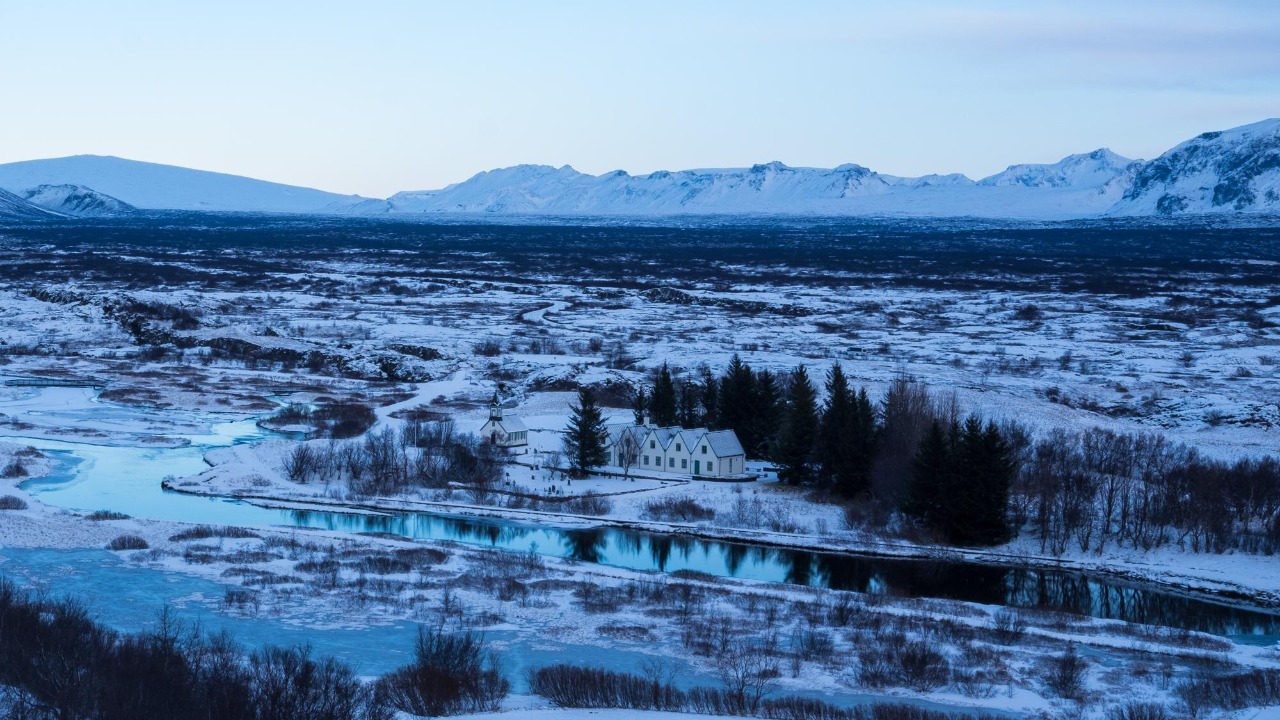
Historically, the Arctic-boreal region has played a vital role in sequestering atmospheric CO₂. For millennia, vast expanses of permafrost and dense vegetation have acted as natural carbon sinks, absorbing more carbon than they emit. This process has helped mitigate the effects of anthropogenic emissions, stabilizing global climate patterns. The region’s cold temperatures have traditionally limited microbial activity, slowing the decomposition of organic matter and thus preserving large carbon stores in the soil.
The mechanisms behind this sequestration are complex, involving interactions between permafrost layers and plant growth. The permafrost traps organic materials, preventing them from decomposing and releasing carbon. Meanwhile, during the short growing seasons, the lush vegetation absorbs CO₂ through photosynthesis. However, rising temperatures are disrupting these processes. Thawing permafrost releases trapped carbon, while warmer conditions enhance microbial activity, increasing the decomposition rate. These changes are shifting the balance, turning the region into a net carbon emitter.
Scientific Evidence and Research Findings
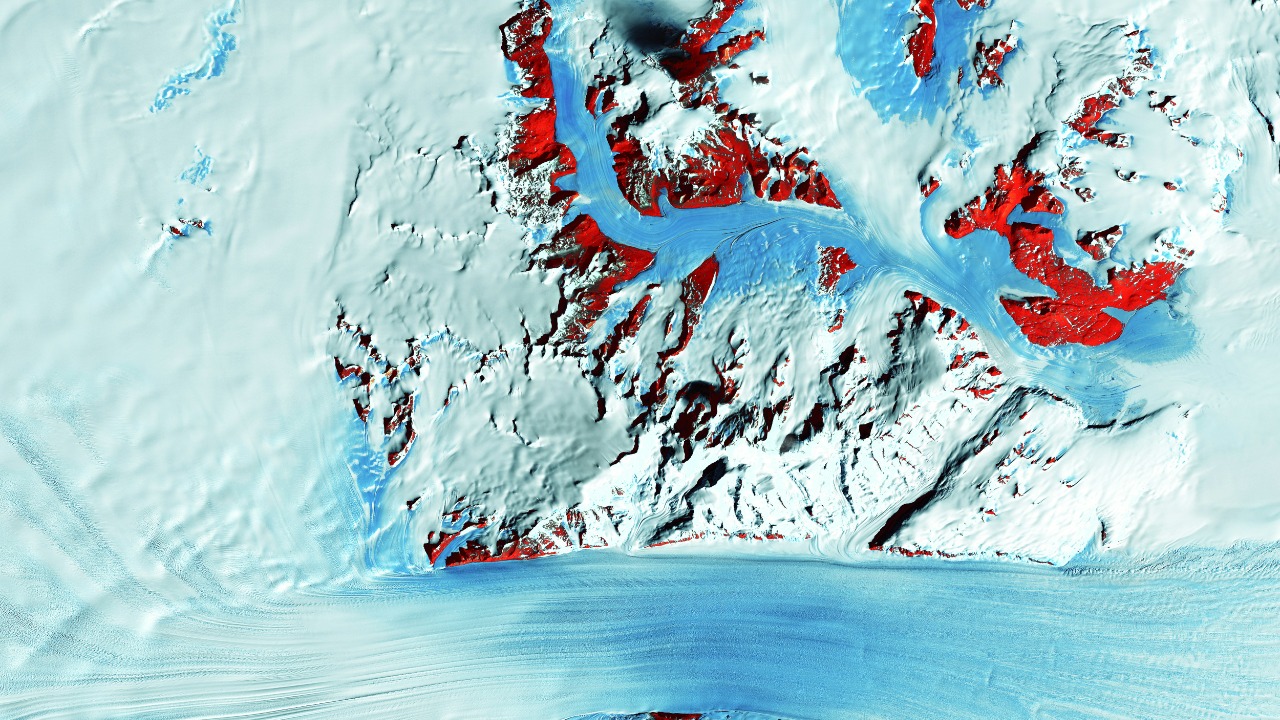
Recent research highlights the urgency of the situation. According to a study published in Nature, the Arctic-boreal region is now exhibiting signs of transitioning from a carbon sink to a source. This shift is corroborated by NOAA’s findings, which document increasing CO₂ emissions from the tundra. Such studies utilize advanced technologies, including satellite imagery and ground-based sensors, to monitor changes in carbon fluxes accurately. These methodologies enable scientists to capture real-time data, providing a clearer picture of the ongoing transformations.
Notably, there are regional variations in the rate and extent of these changes. Some areas, particularly those with already thinner permafrost, are experiencing more rapid shifts. This heterogeneity is crucial for developing targeted mitigation strategies. Research from Springer indicates that local factors, such as vegetation type and soil composition, significantly influence carbon dynamics. Understanding these variations helps predict future trends and prioritize areas for conservation efforts.
Implications for Climate Change
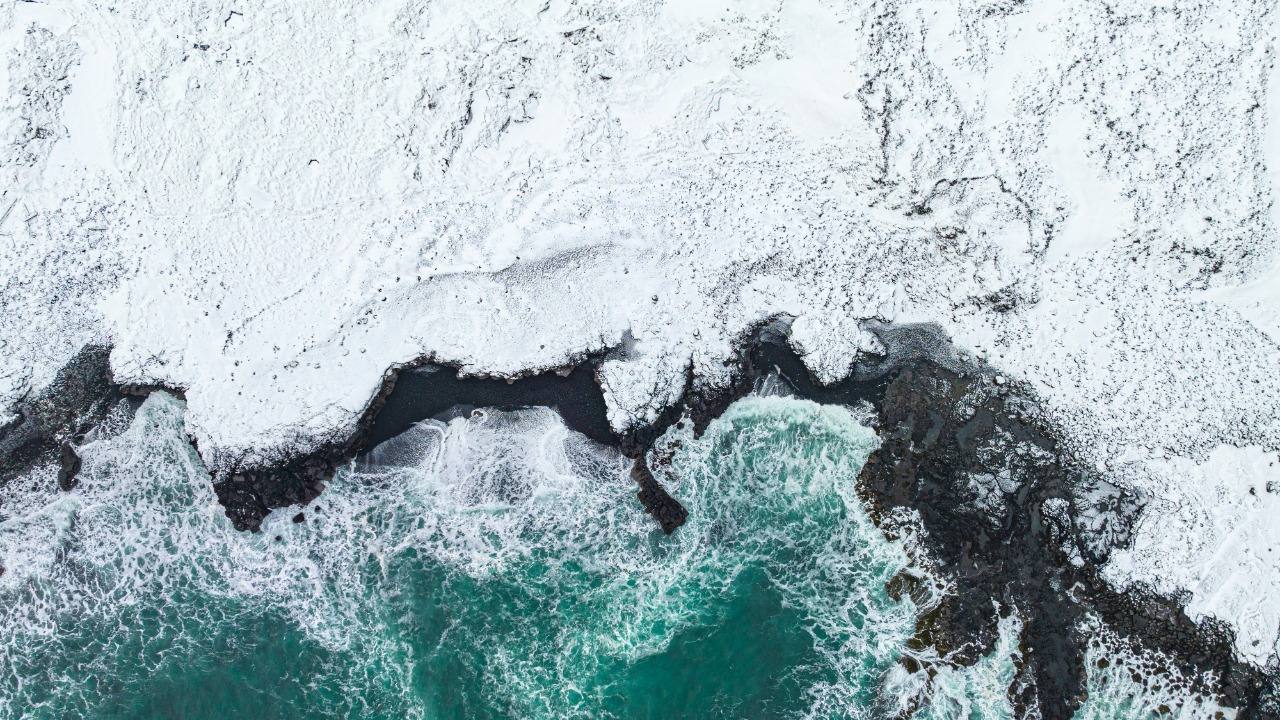
The shift from a carbon sink to a source in the Arctic-boreal region is likely to exacerbate global warming. This change creates a feedback loop: as temperatures rise, more permafrost thaws, releasing more CO₂, which in turn accelerates warming. This cycle could have cascading effects on global climate systems, potentially leading to more frequent and severe weather events. The increased emissions from this region challenge current global carbon budgets, complicating efforts to meet international climate targets.
Beyond atmospheric changes, the ecological impacts are significant. Alterations in carbon dynamics affect local biodiversity, disrupting habitats and species compositions. For instance, changes in vegetation due to warming can alter food availability for herbivores, impacting the entire food web. These shifts could lead to the decline of certain species and the proliferation of others, altering the ecological balance and potentially leading to unforeseen consequences for the region’s ecosystems.
Challenges and Strategies for Mitigation

Addressing the Arctic’s changing role in carbon cycling requires coordinated policy responses. Both international agreements, like the Paris Accord, and regional initiatives are crucial in formulating effective strategies. Policymakers must consider the unique challenges posed by the Arctic, such as its remote location and the need for sustainable development that includes indigenous perspectives. Engaging local communities is essential, as their traditional knowledge and observations can provide valuable insights into environmental changes.
Technological innovations also hold promise for mitigating carbon emissions. Advances in carbon capture and storage technologies could help offset emissions from thawing permafrost. Additionally, enhancing the resilience of Arctic ecosystems through conservation and restoration efforts can help maintain their capacity to sequester carbon. Collaborative efforts, involving governments, scientists, and local communities, are vital in developing and implementing these solutions.
Future Research Directions
Despite the progress made, significant knowledge gaps remain in understanding the full implications of the Arctic-boreal region’s shift to a carbon source. Long-term monitoring is essential to capture the ongoing changes and refine predictive models. Continuous data collection, utilizing both traditional methods and emerging technologies, will enhance our understanding of carbon dynamics in this critical region.
Additionally, international collaboration is essential in addressing the challenges posed by these environmental changes. Researchers and policymakers must work together to share data, develop comprehensive models, and implement effective mitigation strategies. By pooling resources and expertise, the global community can better respond to the threats posed by the Arctic’s transformation and work towards sustainable solutions that benefit both the region and the planet.
