In a remarkable archaeological find, a soldier from the Roman Empire, notable for his unusually large feet, has been discovered at an excavation site in Germany. The soldier is estimated to have lived around the 2nd century AD.
Discovery Site and Context
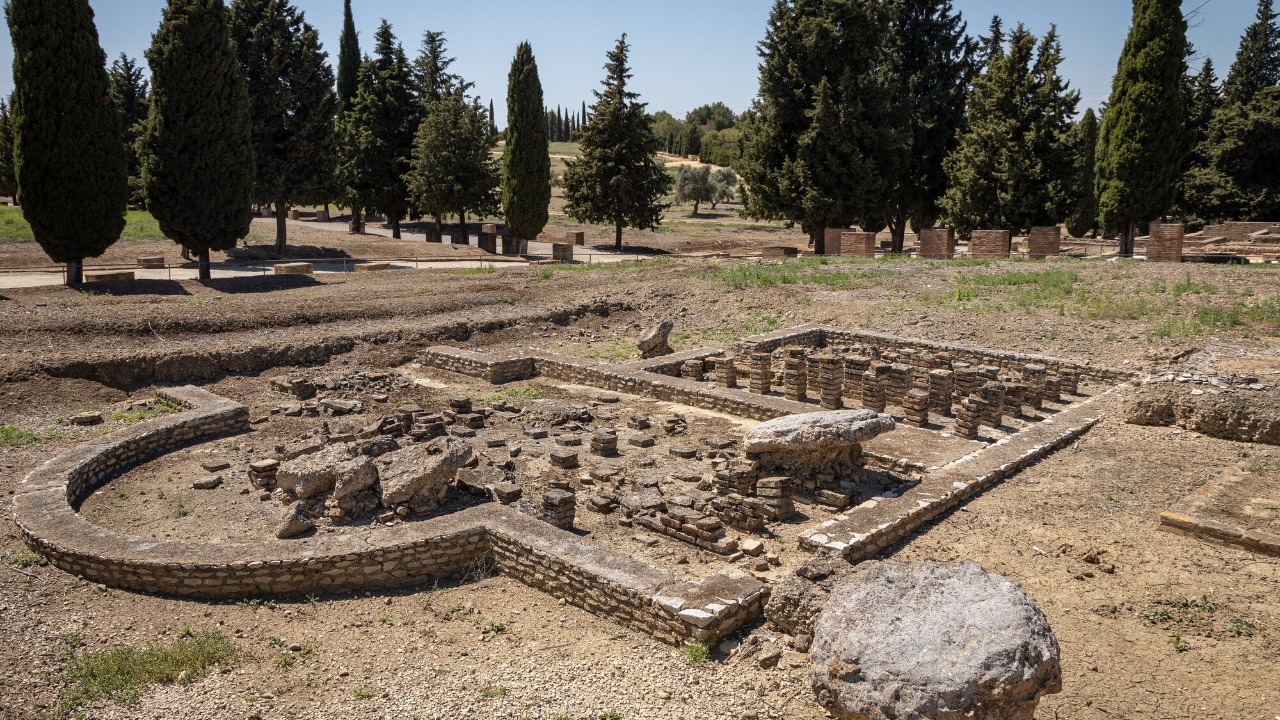
The soldier was unearthed at an archaeological site in Germany, a region rich in Roman history. The site, once a bustling Roman settlement, offers a unique glimpse into the lives of those who lived during the Roman Empire. The discovery was made by a team of dedicated archaeologists who have been meticulously excavating the site for several years. Their efforts have been rewarded with this significant find, which adds a new dimension to our understanding of Roman military life.[source]
The site of discovery, located in what was once a Roman province, is known for its rich archaeological deposits. Over the years, the site has yielded a wealth of artifacts, including pottery, coins, and tools, which have provided invaluable insights into the daily lives of Roman citizens. The soldier’s remains were found in a well-preserved state, buried with military regalia, suggesting he was likely a respected member of the Roman military. The context of the find, along with other artifacts discovered at the site, suggest a military outpost or encampment.[source]
Physical Details of the Soldier
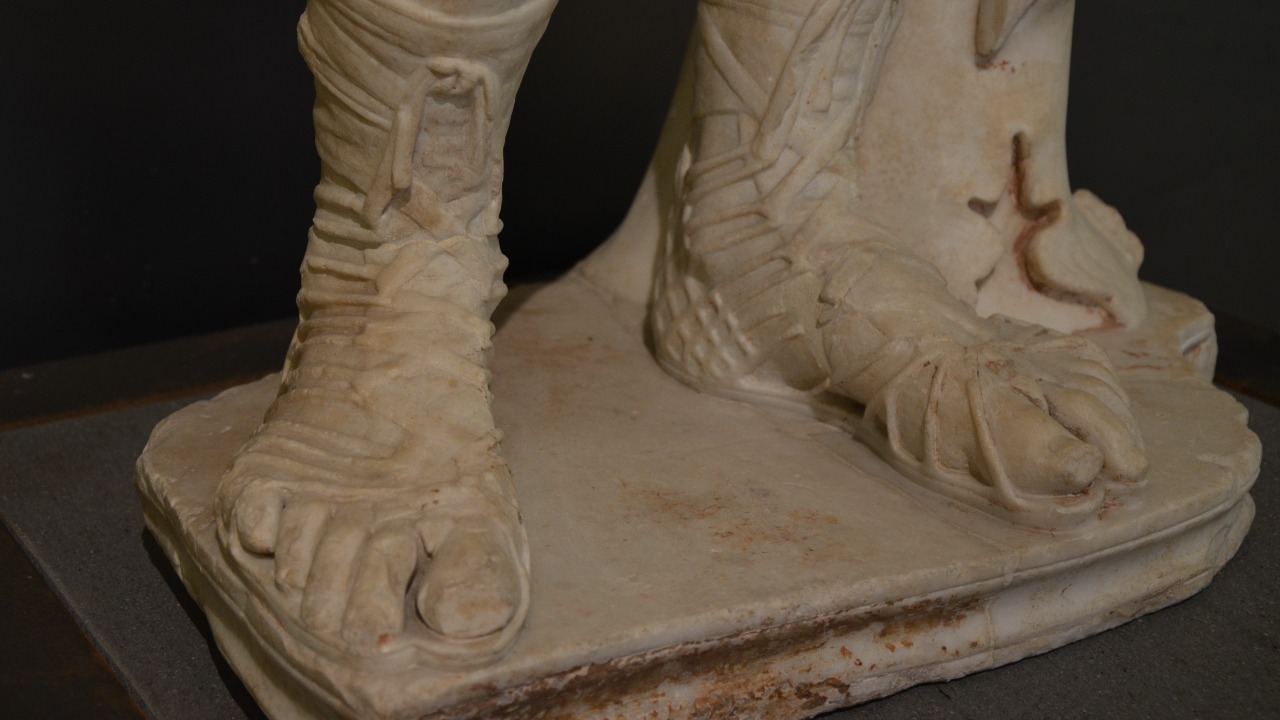
The soldier’s most striking physical attribute is his abnormally large feet. While the average foot size for Roman soldiers was typically around a modern US size 7, this soldier’s feet are estimated to be equivalent to a modern US size 14. Other physical attributes of the soldier, such as his height and build, are consistent with the average Roman soldier of his time. The soldier is believed to have been a male, in his mid-thirties, of Mediterranean ethnicity.[source]
Further examination of the soldier’s remains revealed more about his physical condition. Despite his large feet, the soldier appeared to be in good health, with no signs of major injuries or diseases. His teeth were in relatively good condition, suggesting a diet rich in grains, a staple of the Roman diet. The soldier’s large feet, while unusual, did not appear to have caused him any significant physical discomfort or mobility issues, as evidenced by the lack of skeletal stress markers. This suggests that he was fully capable of performing his duties as a soldier.[source]
The Roman Empire in the 2nd Century AD

The 2nd century AD was a period of relative peace and prosperity in the Roman Empire, often referred to as the Pax Romana. Soldiers played a crucial role in maintaining this peace, serving not only as warriors but also as builders, engineers, and administrators. Based on the soldier’s physical attributes and the artifacts found with him, it is speculated that he may have held a mid-ranking position in the Roman military.[source]
During the 2nd century AD, the Roman Empire was at its height, stretching from Britain in the west to the Near East in the east. The soldier would have been part of a vast military machine that maintained order and enforced Roman rule across this vast territory. The soldier’s large feet may have been an advantage in certain military roles, such as marching long distances or standing guard for extended periods. The soldier’s rank and role within the military hierarchy, however, remain subjects of ongoing research.[source]
Archeological Methods Used
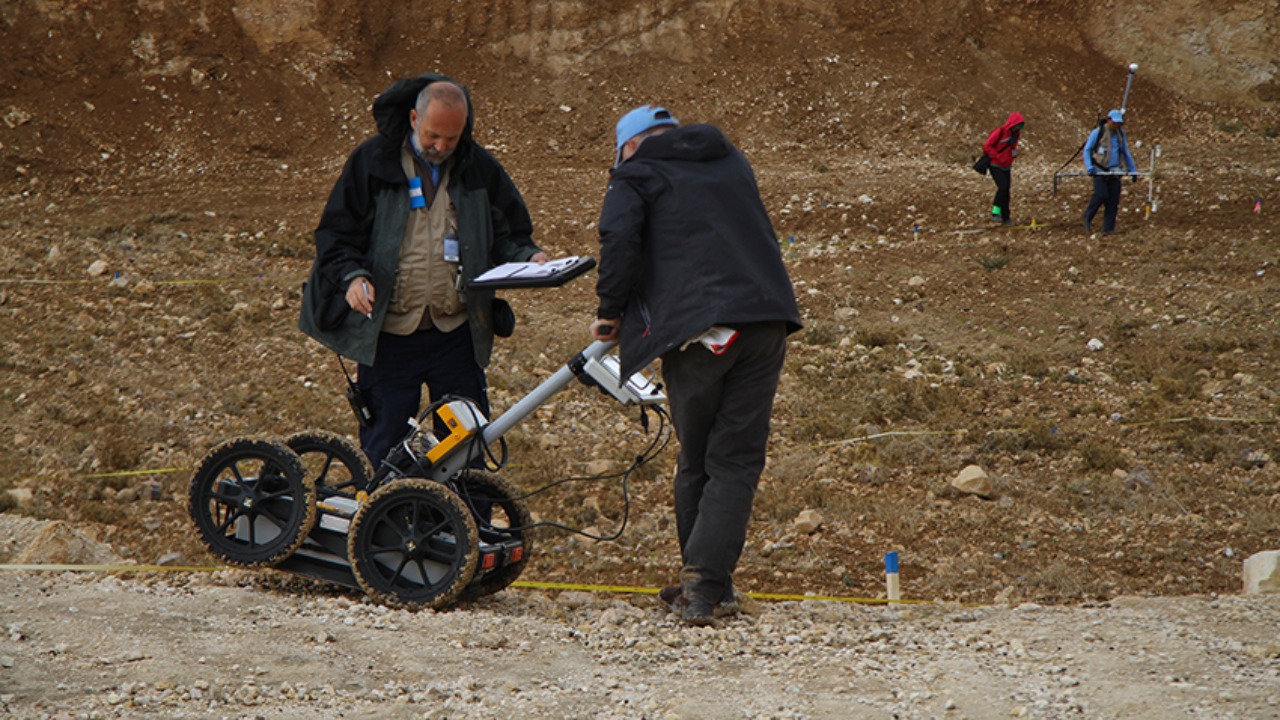
The excavation and documentation techniques used in the discovery were a combination of traditional archaeological methods and innovative technologies. Ground-penetrating radar was used to identify potential areas of interest, while careful manual excavation revealed the soldier’s remains. The use of 3D scanning technology allowed for detailed documentation of the site and the soldier’s remains.[source]
Once the soldier’s remains were unearthed, a detailed osteological analysis was conducted to determine his age, health, and other physical characteristics. Carbon dating was used to estimate the time of death, while isotopic analysis provided insights into his diet and geographical origins. The soldier’s large feet were carefully measured and compared to other Roman foot measurements from the same period. The use of digital imaging and modeling technologies allowed for the creation of a 3D reconstruction of the soldier, providing a lifelike representation of his physical appearance.[source]
Historical Significance of the Discovery
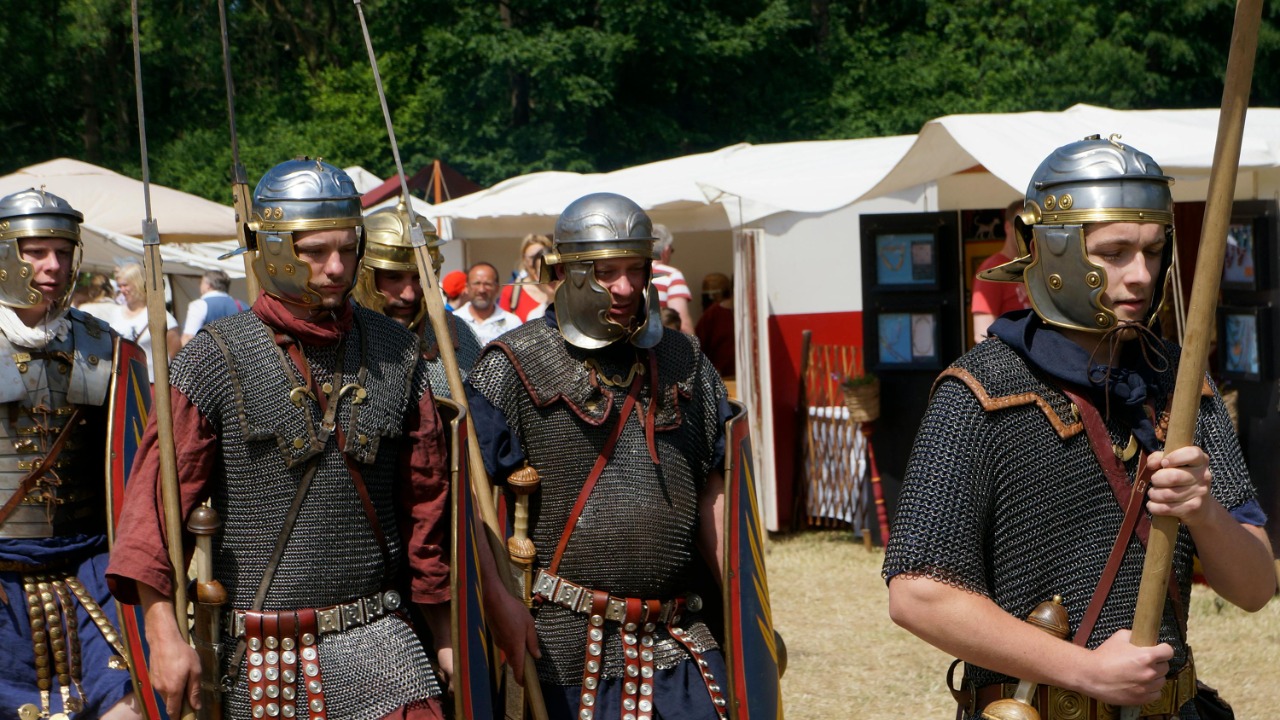
This discovery is significant as it provides a rare insight into the physical diversity of Roman soldiers. It challenges the conventional image of Roman soldiers and adds to our understanding of the Roman military. The discovery of a soldier with such large feet may influence future archaeological work by encouraging researchers to consider a wider range of physical variations in their studies.[source]
The discovery of the soldier with large feet has broad implications for our understanding of Roman military recruitment and diversity. It suggests that the Roman military may have been more inclusive and adaptable than previously thought, able to accommodate soldiers with a wide range of physical characteristics. This find also highlights the importance of individual variation in archaeological studies, reminding us that not all Roman soldiers conformed to the stereotypical image of a uniform, standardized force. The soldier’s large feet, while unusual, were clearly not a barrier to his service in the Roman military.[source]
Comparison with Other Roman Soldiers
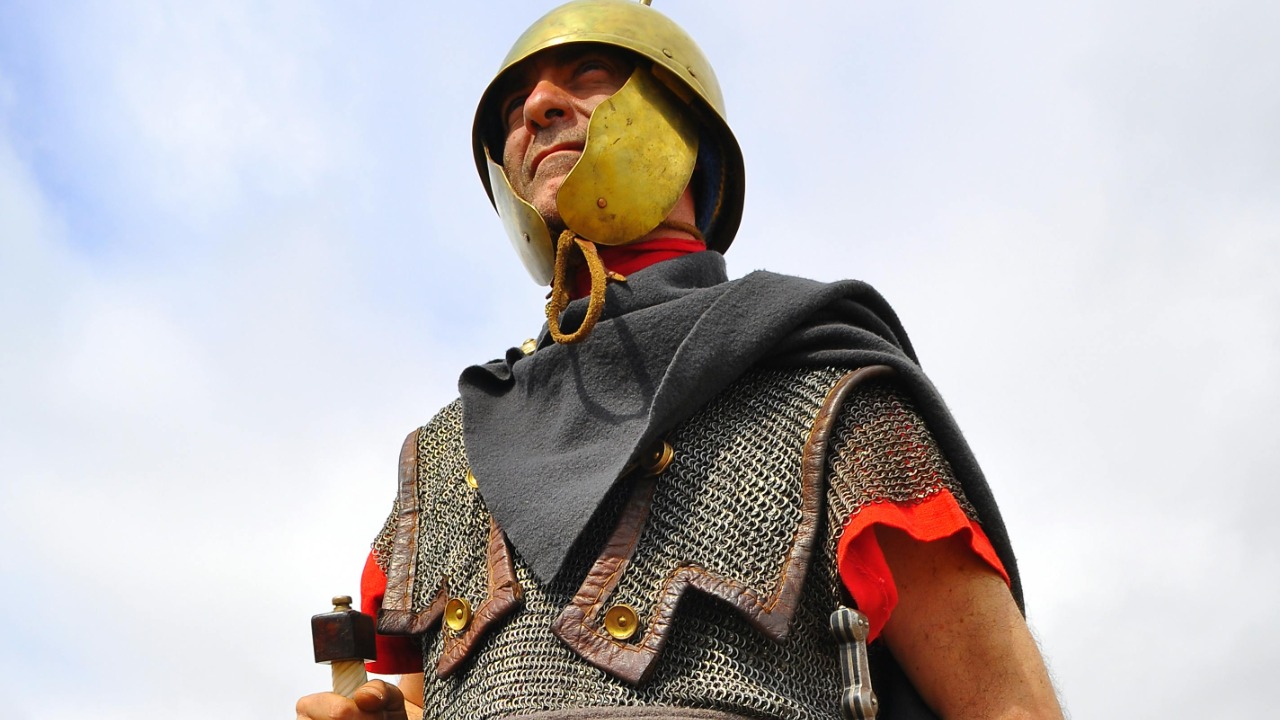
Compared to the average Roman soldier, this soldier’s large feet are an anomaly. Most Roman soldiers were of average height and build, with foot sizes that were relatively small by modern standards. The reason for this soldier’s large feet remains a mystery, but it may have been a genetic trait or a result of a specific environmental factor.[source]
While the soldier’s large feet set him apart, in many other respects he was typical of Roman soldiers of his time. His age, physical condition, and the artifacts found with him are consistent with what we know about Roman soldiers from other archaeological finds. The soldier’s large feet, therefore, represent an interesting deviation from the norm, rather than a completely unique case. This discovery underscores the need for archaeologists to remain open to unexpected findings and to consider the full range of human diversity in their research.[source]
Reactions from the Academic Community

The discovery has been met with excitement and intrigue by the academic community. Prominent archaeologists and historians have praised the discovery for its potential to reshape our understanding of Roman soldiers. However, some have cautioned against drawing too many conclusions from a single find, emphasizing the need for further research.[source]
Many in the academic community have expressed interest in the soldier’s large feet, seeing them as a potential avenue for further research. Anthropologists and geneticists, in particular, are keen to explore whether the soldier’s large feet were the result of genetic factors, environmental influences, or a combination of both. The discovery has also sparked discussions about the physical requirements for Roman soldiers and how these may have varied across different regions and periods of the Roman Empire. Despite the excitement, there is a consensus that more research is needed to fully understand the implications of this find.[source]
Public Interest and Media Coverage

The discovery has captured the public’s imagination and received extensive media coverage. The soldier’s large feet have become a focal point of interest, with many media outlets highlighting this unusual feature. The discovery has been portrayed as a testament to the diversity and complexity of life in the Roman Empire.[source]
The soldier’s large feet have sparked curiosity and fascination among the public, leading to widespread media coverage. Documentaries, news articles, and social media posts have all featured the discovery, often using the soldier’s large feet as a hook to explore broader themes of Roman history and archaeology. Museums and educational institutions have also expressed interest in displaying replicas of the soldier’s feet, seeing them as a unique way to engage the public with the past. The discovery has thus served as a powerful reminder of the enduring appeal and relevance of archaeology.[source]
Future Research and Study
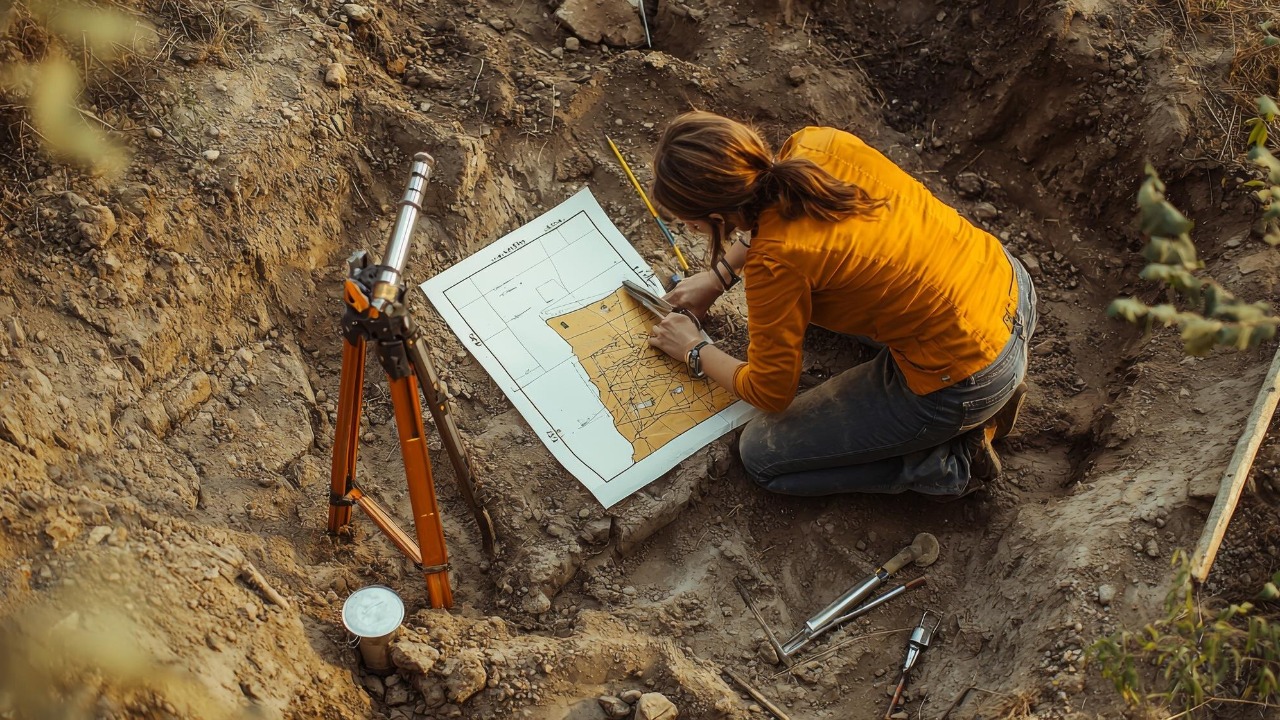
Plans are underway for further study of the soldier and the excavation site. Researchers hope to learn more about the soldier’s life and the circumstances of his death. The potential for more discoveries at the site is high, and each new find will contribute to our understanding of Roman history.[source]
The soldier’s remains will continue to be a focus of research, with plans to conduct further tests and analyses. Researchers are particularly interested in exploring the soldier’s diet, lifestyle, and possible causes of death. The site where the soldier was found will also continue to be excavated, with the hope of uncovering more artifacts and possibly other soldiers’ remains. The soldier’s large feet, while a fascinating anomaly, are just one piece of a larger puzzle. Each new discovery will add to our understanding of the Roman military and the diverse individuals who served within its ranks.[source]
