The construction of the Egyptian pyramids has long been a topic of fascination and mystery, captivating historians and archeologists alike. Recent discoveries have provided fresh insights into the methods and technologies employed by the ancient Egyptians, shedding light on one of history’s most monumental feats of engineering.
Unveiling the Workforce and Logistics

The Red Sea Scrolls have offered a groundbreaking glimpse into the organization and logistics of pyramid construction. These ancient documents detail the daily lives and roles of laborers, showcasing a highly structured workforce. Laborers, often organized into teams, were essential in executing the colossal task of building pyramids. Their contribution is further underscored by the extensive planning and logistical efforts required to support their work, from food supplies to housing arrangements.
Skilled artisans, engineers, and architects were indispensable in the construction process. These professionals brought a level of sophistication to planning and execution, ensuring that each step of the construction was meticulously coordinated. The collaboration between these skilled workers and laborers highlights the collective effort behind these architectural marvels. Furthermore, the innovative systems of transportation and supply chain management employed by the Egyptians enabled the efficient movement of massive stones and materials from quarries to construction sites, a process that was critical to the success of their endeavors.
Engineering Marvels and Techniques
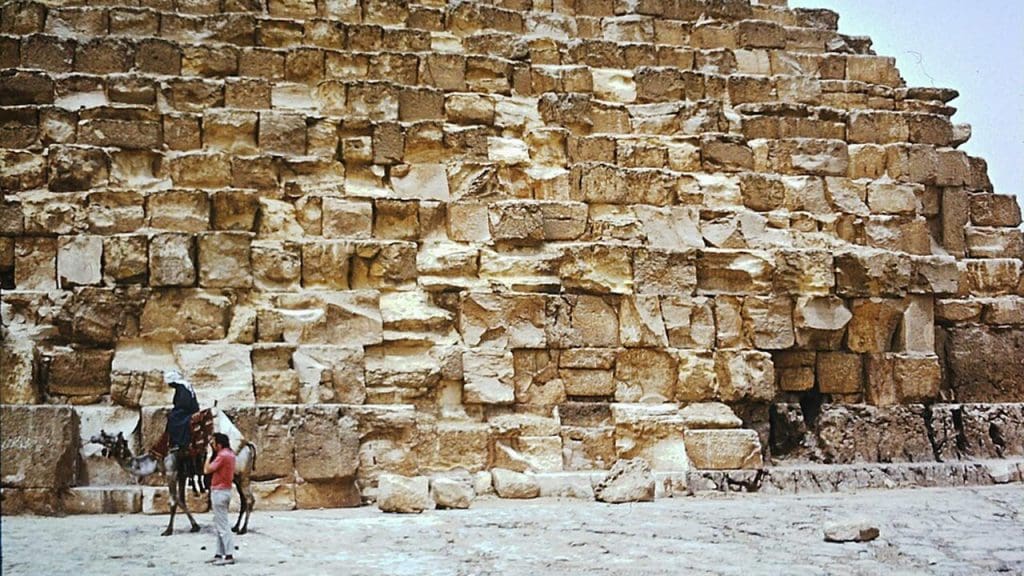
The methods by which ancient Egyptians lifted and positioned massive stones have been the subject of much speculation. Various ramp theories have been proposed, including straight, zigzag, and spiral ramps. These theories suggest different ways in which ramps could have facilitated the transport and placement of heavy stones. Each theory offers insights into the potential engineering solutions that were available to the Egyptians, highlighting their ingenuity in overcoming significant challenges.
Simple machines like levers and counterweights played a crucial role in manipulating heavy materials. These devices, along with evidence suggesting that water was used to reduce friction on sledges, demonstrate the Egyptians’ understanding of basic physics principles. By wetting the sand in front of sledges, they could significantly reduce the effort required to move stones across the desert. Such innovations underscore the Egyptians’ ability to leverage their natural environment and available resources to achieve their construction goals.
Material Sources and Quarrying Techniques

Geological studies have traced the origins of the limestone and granite used in pyramid construction, revealing the considerable distances these materials traveled. Identifying these stone sources has provided valuable insights into the extensive network of quarries and transportation routes utilized by the Egyptians. The movement of such massive quantities of stone required not only logistical acumen but also a deep understanding of the natural landscape.
The tools and methods used by the Egyptians to extract and shape stones were equally innovative. The use of primitive yet effective quarrying techniques allowed them to overcome the natural challenges posed by the terrain. The environmental and economic impacts of large-scale quarrying were significant, with the extraction and transportation of materials playing a vital role in sustaining the ancient economy and supporting the construction of these monumental structures.
Cultural and Religious Significance
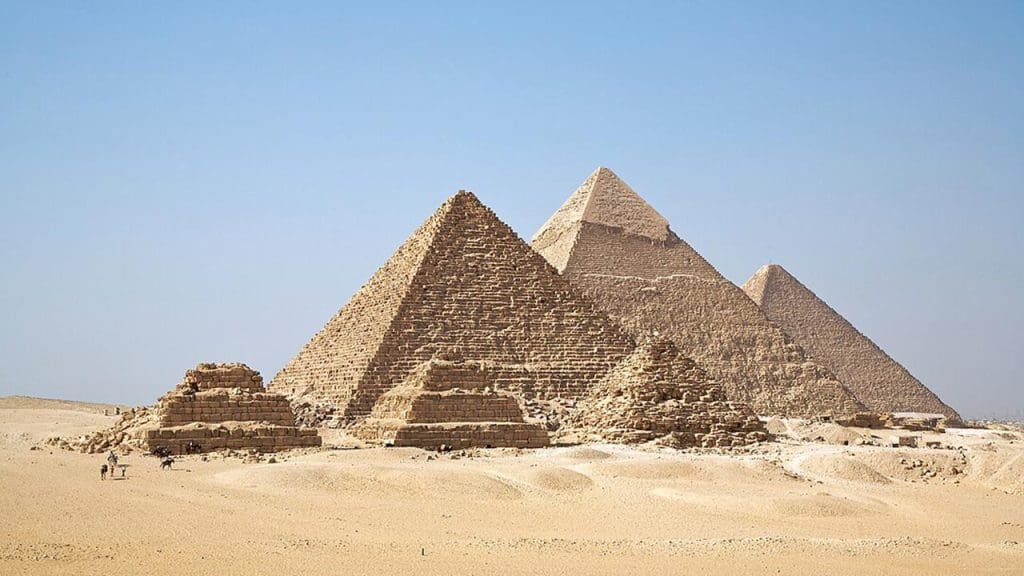
The pyramids are more than just architectural feats; they are imbued with cultural and religious symbolism. The design of the pyramids reflects the Egyptians’ beliefs in the afterlife and divine order, serving as a testament to their spiritual values. The construction of these structures was not only a technical achievement but also a reflection of the society’s religious and cultural priorities.
Beyond their spiritual significance, the pyramids also served as political statements, reinforcing the authority and divine status of the pharaohs. The massive scale and grandeur of these structures demonstrated the power and resources at the disposal of the rulers, solidifying their place in history. Moreover, the construction of the pyramids fostered a sense of community and unity among the Egyptian populace, contributing to a shared national identity and pride.
Recent Technological Advances in Research

Modern technology has revolutionized our understanding of pyramid construction. The use of contemporary tools such as 3D modeling and ground-penetrating radar has allowed researchers to explore beneath the surface and uncover new details about the construction process. These advances have provided fresh perspectives on the techniques and methods used by the ancient Egyptians, offering a clearer picture of their engineering prowess.
DNA analysis of the workers who built the pyramids is another area of burgeoning research. This technique is providing valuable insights into the origins and health of these individuals, shedding light on the diverse backgrounds and conditions faced by the labor force. As we continue to unravel the mysteries of ancient Egyptian engineering, future research directions will likely focus on integrating these new technologies to further enhance our understanding of this fascinating period in history.
