Recent archaeological excavations have revealed ancient ruins that intriguingly align with lunar cycles. These discoveries provide a fascinating insight into the astronomical knowledge of our ancestors, revealing the cosmological significance held by ancient civilizations.
Understanding the Significance of Lunar Cycles in Ancient Cultures

Across the globe, ancient civilizations recognized and utilized lunar cycles in various aspects of their lives. The moon played a pivotal role in ancient rituals, calendars, and timekeeping. For instance, the Mesoamericans have been using a 260-day ceremonial calendar for millennia, a clear testament to the significance of lunar cycles in their culture.
Archaeological evidence further supports the cultural significance of lunar cycles. Artifacts, inscriptions, and architectural alignments often reflect lunar symbolism and calculations, suggesting that these civilizations had a profound understanding of lunar cycles and their impact on the natural world.
Excavation of Lunar-Aligned Ruins

Recent archaeological excavations have brought to light ruins that align with lunar cycles. These discoveries were made possible through the use of advanced technologies such as lasers and electromagnetic technology. For example, a 1,000-year-old Indigenous road near Chaco Canyon was revealed using laser technology, showing an alignment with the winter solstice.
The most prominent sites display specific alignment with the moon’s path, indicating a sophisticated understanding of lunar movements. These alignments are not random or coincidental but are the result of careful observation and calculation, further emphasizing the importance of the moon in these ancient societies.
Impact on Our Understanding of Ancient Astronomical Knowledge
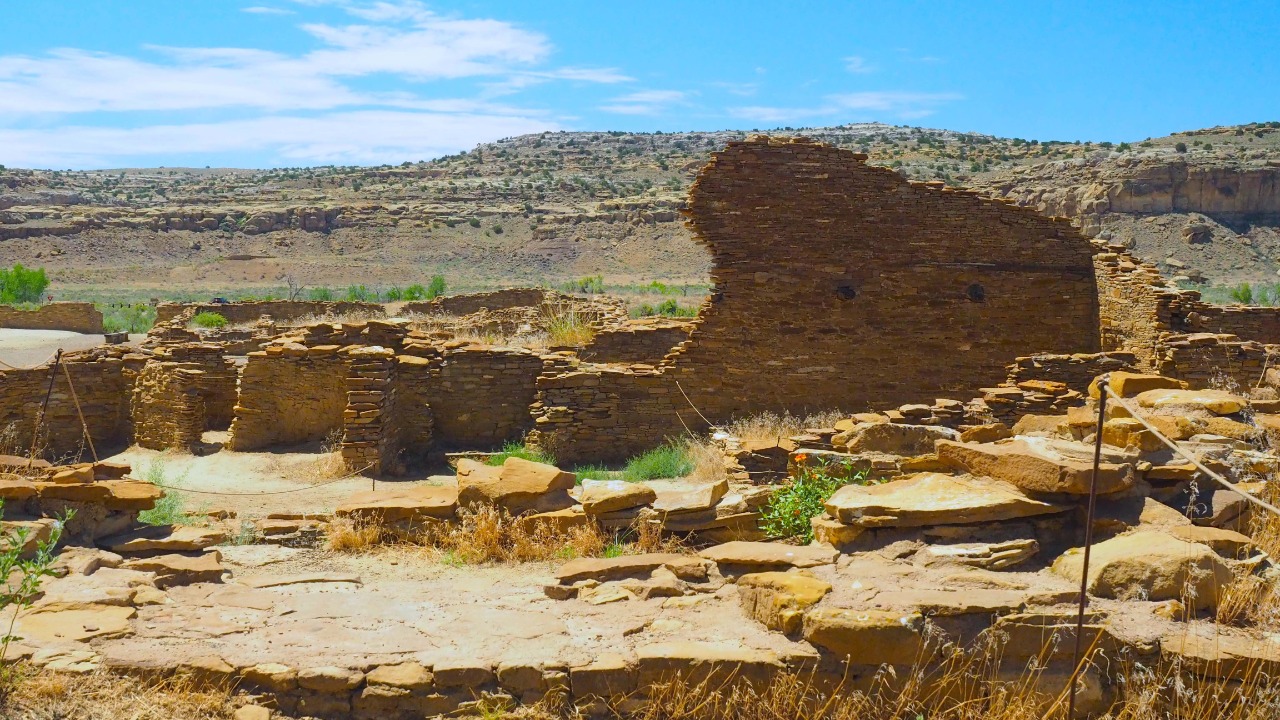
These discoveries provide valuable insights into the astronomical knowledge of ancient civilizations. The lunar alignment in these ruins is comparable to other known astronomical alignments, such as those in Stonehenge or Chaco Canyon. These alignments reveal a deep understanding of celestial movements and their significance in the lives of these ancient people.
The implications of these findings extend beyond archaeology, impacting our understanding of early cosmology and astrology. They suggest that ancient civilizations had a complex understanding of the cosmos, which influenced their societal structures, rituals, and calendars.
Relevance to Modern Astronomy and Archaeology

These discoveries also contribute significantly to modern astronomical research. By studying these lunar-aligned ruins, researchers can gain insights into the astronomical knowledge and techniques of ancient civilizations, which can inform current astronomical theories and models.
Furthermore, these findings have a profound impact on archaeology, shedding light on ancient human behavior and societal structures. They also open up new avenues for research, sparking interest in the exploration of other potential lunar-aligned sites and the development of new archaeological methodologies.
Preservation and Future Study of Lunar-Aligned Ruins

Preserving these ancient sites for future study and public education is a priority. Current efforts include using electromagnetic technology to map and document these sites without causing damage. However, preservation comes with its own set of challenges, including environmental threats and the need for sustainable tourism practices.
Looking ahead, researchers plan to continue studying these lunar-aligned ruins using a combination of traditional archaeological methods and innovative technologies. These future studies will undoubtedly deepen our understanding of the astronomical knowledge of our ancestors and the significance they placed on the moon and its cycles.
