A remarkable archaeological discovery has recently come to light. A holy box, hidden deep in the earth for millennia, has been unearthed. This box, with its unknown contents and mysterious origins, could hold the key to unlocking many of the historical enigmas that have baffled experts for centuries.
Unearthing the Holy Box: The Discovery
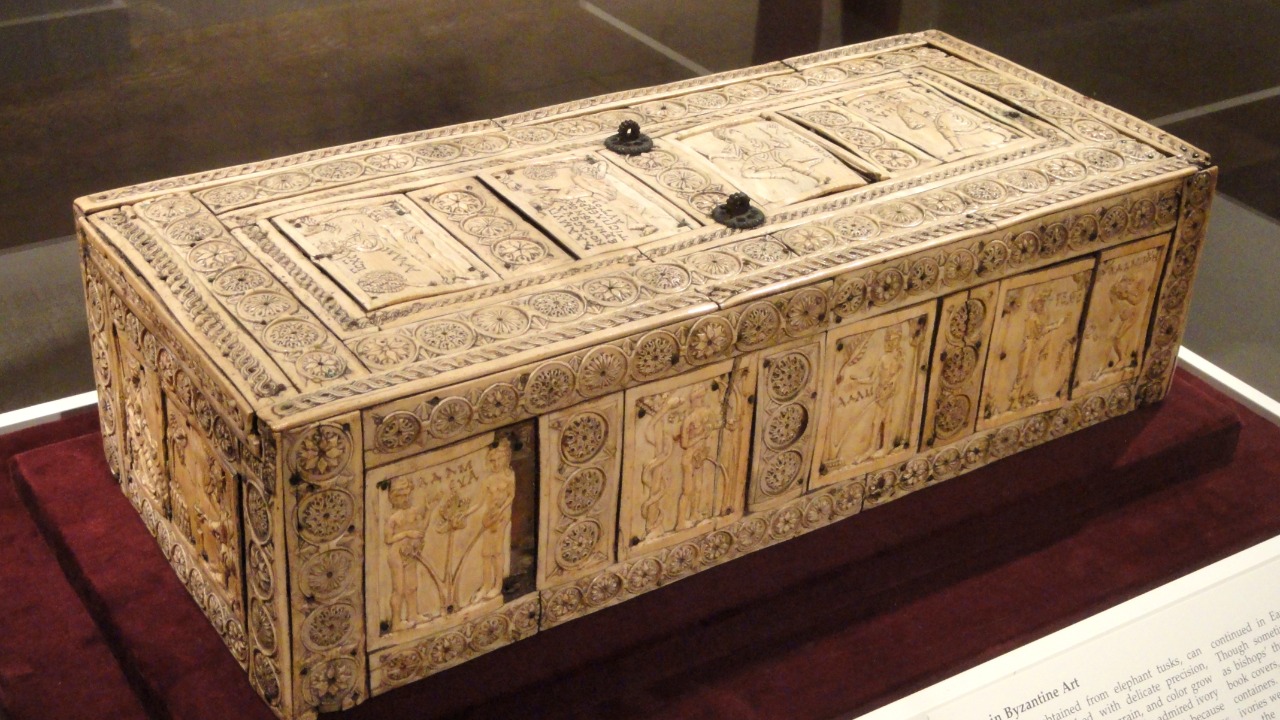
The holy box was uncovered in an archaeological dig site in the Middle East. The team of archaeologists, led by John Sears, had been excavating the area for several months before making this momentous discovery. The excavation process was tedious, involving painstakingly thorough procedures to ensure that no artifact was damaged.
The box itself is an impressive artifact. Crafted from a rare alloy, its surface is adorned with intricate carvings that suggest a sacred purpose. The box’s size and weight, along with its rich decorations, indicate a significant value attributed to its contents. However, what truly sets this box apart is the fact that it remains unopened, its secrets yet to be revealed.
The Significance of the Holy Box in Archaeological Research
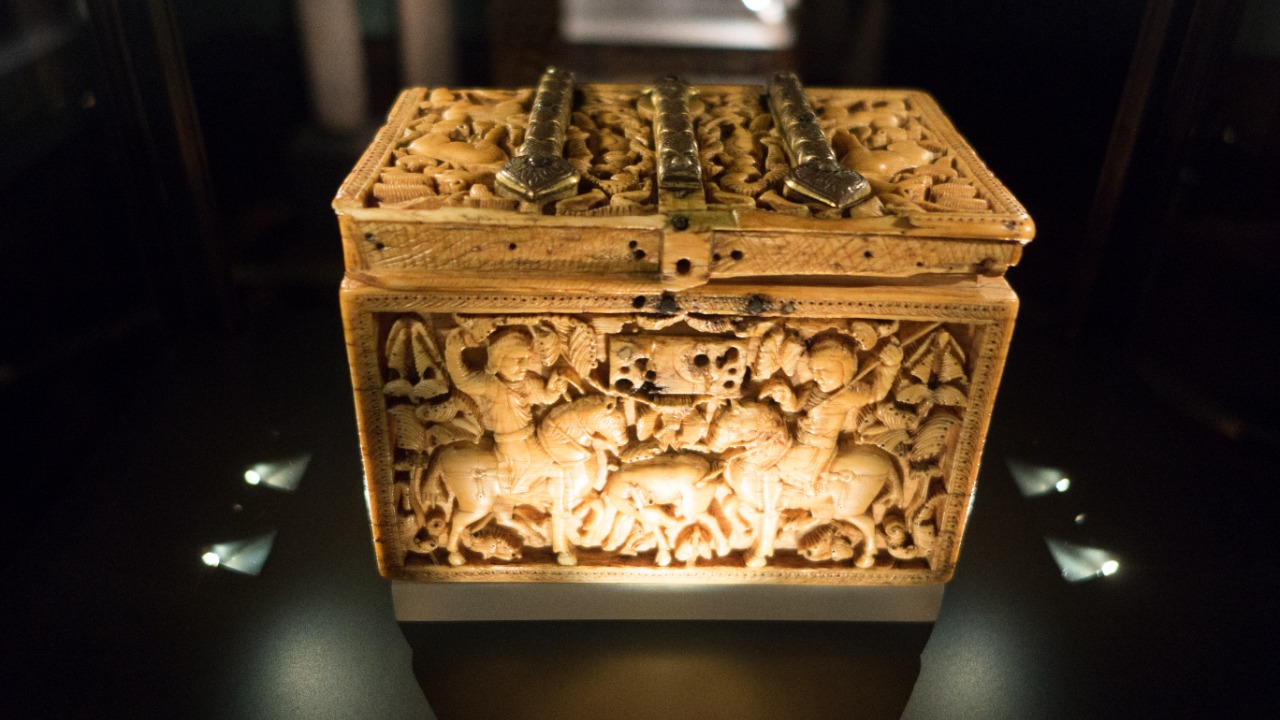
This holy box represents a rare and valuable opportunity for further historical and archaeological research. The box’s design, materials, and location of discovery can provide considerable insights into the culture and religious practices of the society that created it. This can contribute to a broader understanding of ancient civilizations and their belief systems.
Moreover, the holy box might be a key to deciphering previously untranslatable scripts or symbols. Similar to the Rosetta Stone’s role in understanding Egyptian hieroglyphs, this box could unlock a whole new realm of knowledge about ancient languages and communication methods. In turn, this could radically alter our understanding of history and the development of human societies.
The Mysteries the Holy Box May Unravel
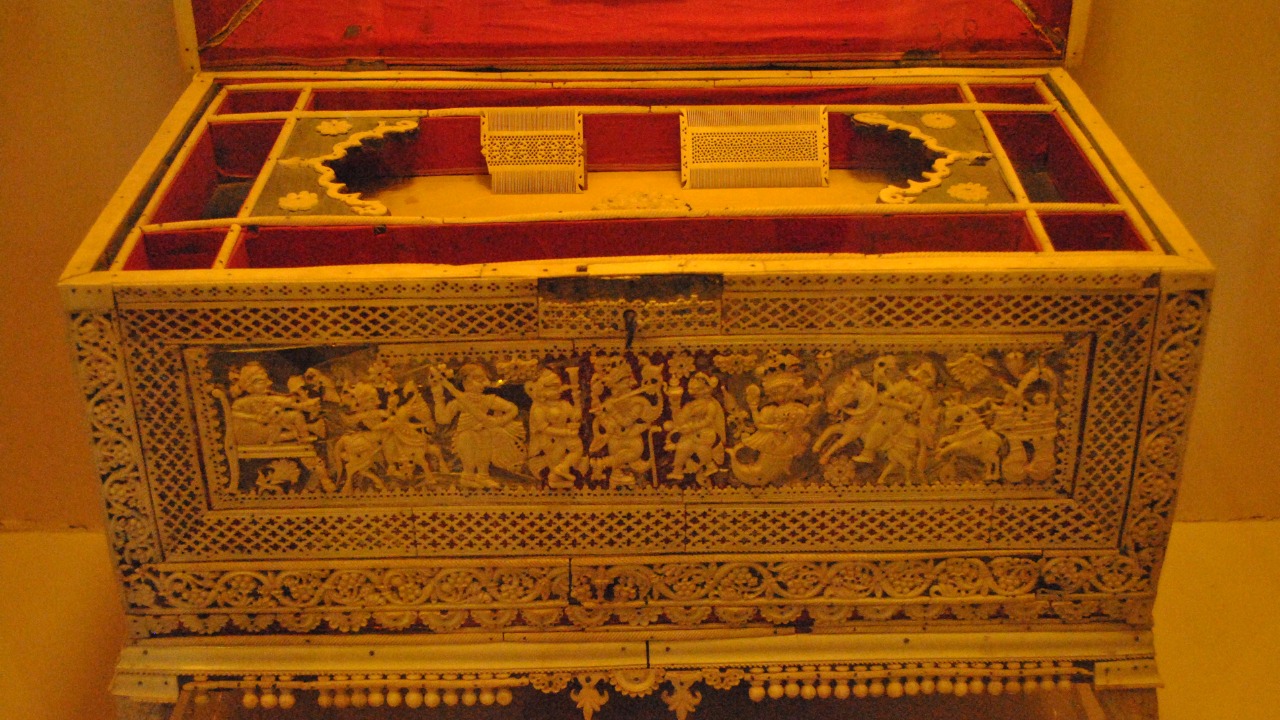
The holy box could potentially hold answers to some of the most perplexing historical mysteries. For example, its contents might shed light on the lost civilization of Atlantis, the construction methods of the pyramids, or even the origins of religious scripture. These are among the many historical enigmas that have puzzled scholars for centuries.
Popular theories and speculations about the box and its contents range from religious relics to ancient manuscripts. Some archaeologists believe the box could contain an artifact of religious significance, similar to the Ark of the Covenant. Others speculate that it might hold ancient texts that could redefine our understanding of history. Whatever the truth may be, the potential revelations are incredibly exciting.
The Controversy Surrounding the Holy Box
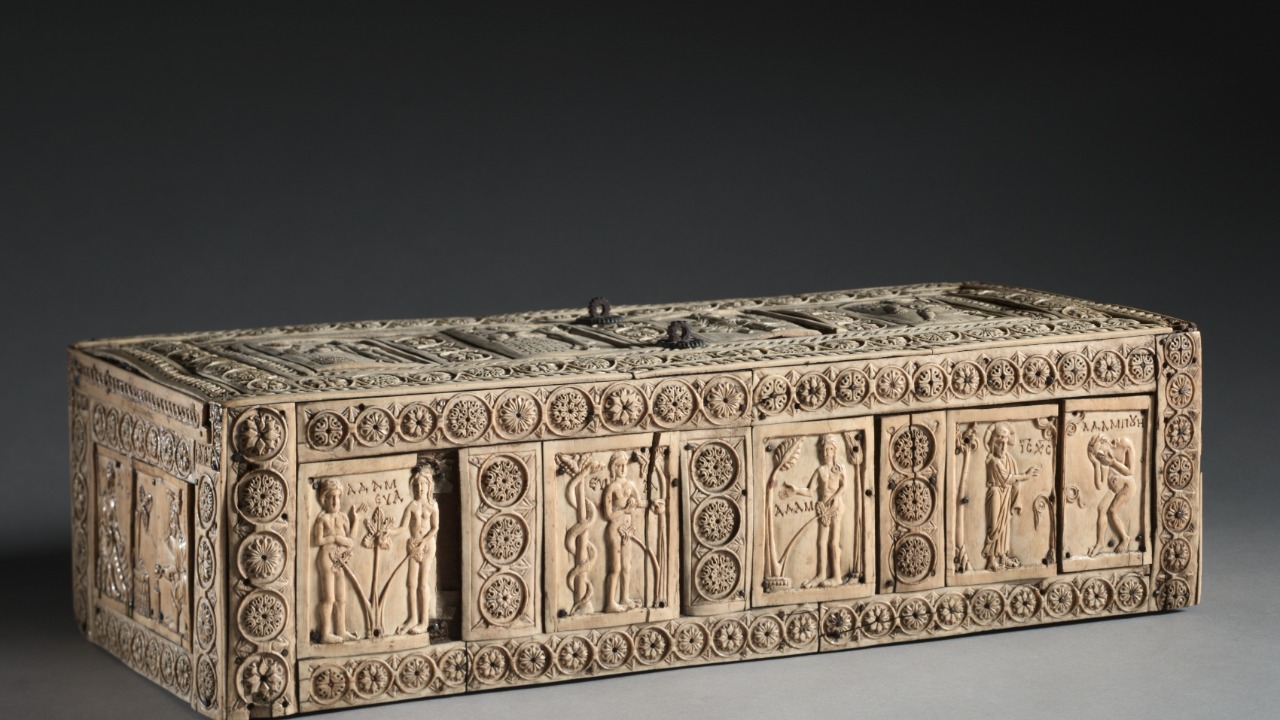
Despite the enthusiasm, the holy box’s discovery has also sparked controversy. Skeptics question the authenticity of the box and its origins, suggesting that it could be a well-crafted hoax. Concerns have also been raised about the interpretation of the box’s symbols and carvings, with different experts offering conflicting interpretations.
The wide range of viewpoints among scholars and experts adds another layer of complexity to this discovery. As with any significant archaeological find, the holy box will undoubtedly continue to provoke debate and discussion in academic circles.
Next Steps in the Study of the Holy Box
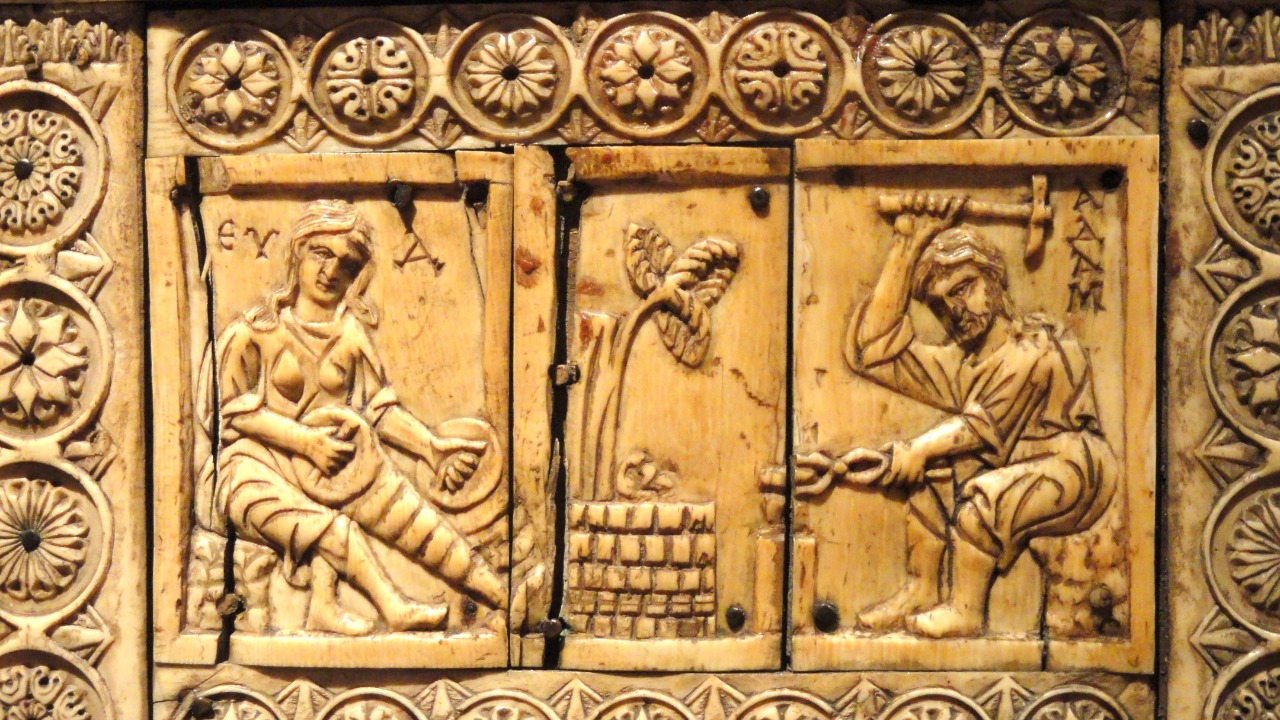
The study of the holy box is far from over. Using advanced technological techniques, including non-invasive imaging and analysis tools, researchers plan to explore the box further. These tools allow scientists to examine the box’s interior without physically opening it, preserving its integrity while still gathering valuable information.
This groundbreaking discovery could significantly impact future archaeological expeditions. It underscores the importance of thorough excavation processes and reminds us that the answers to some of the greatest historical mysteries may still be buried beneath our feet. As the study of the holy box continues, we can only anticipate the wealth of knowledge it will undoubtedly unveil. As noted by several experts, the implications of this discovery could be immense, potentially rewriting our understanding of history.
