Archaeologists from the French Archaeological Mission at Karnak have made a groundbreaking discovery, unearthing a previously unknown temple enclosure wall dating back to the reign of Pharaoh Amenhotep III in the 14th century BCE. This discovery, announced in October 2025, has shed new light on the sacred landscape of ancient Thebes along the Nile River, and has provided fresh insights into the temple’s expansion during the New Kingdom.
Historical Context of Karnak Temple
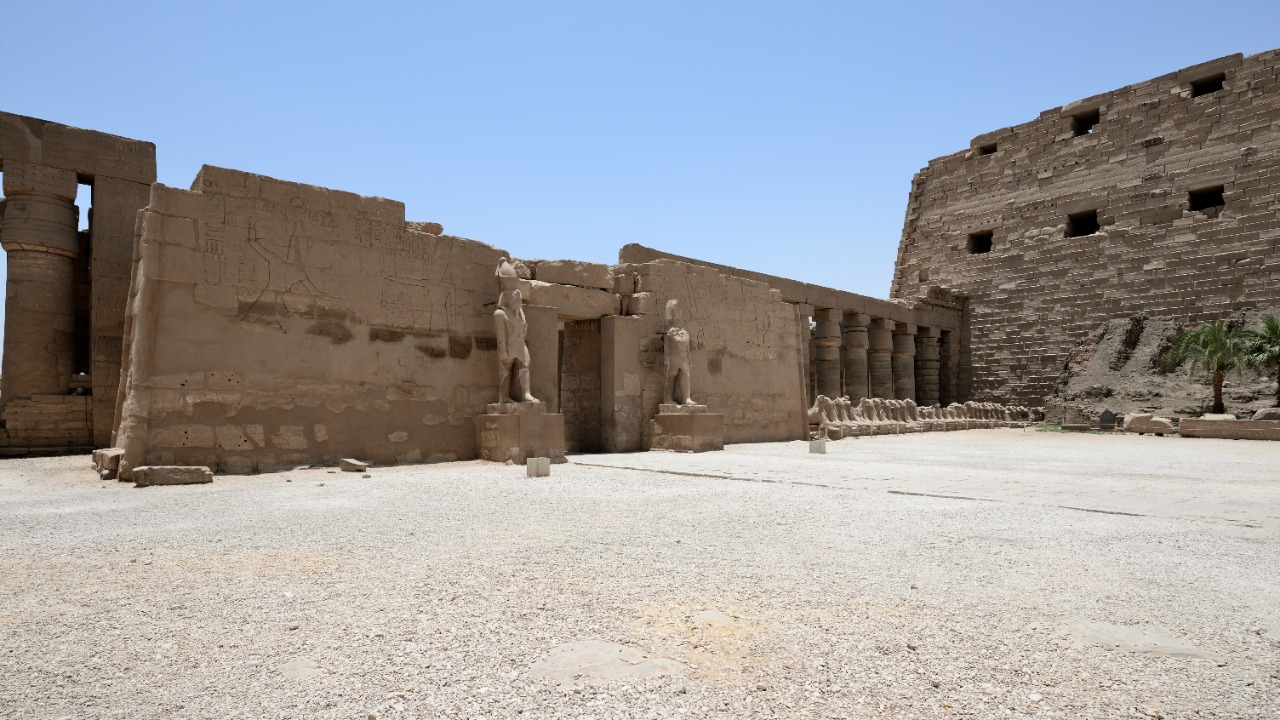
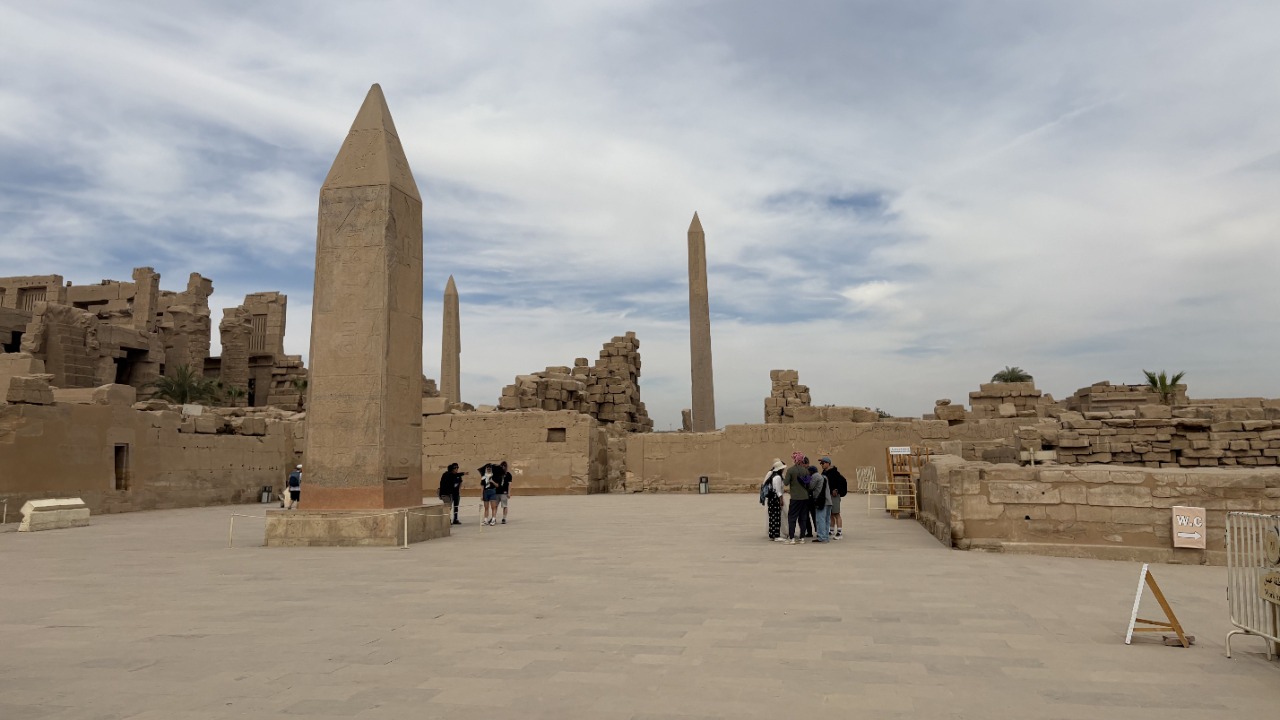
The Karnak Temple, located in modern-day Luxor, was the largest religious complex in ancient Egypt. Dedicated primarily to Amun-Ra, construction of the temple began around 2000 BCE during the Middle Kingdom, with major expansions under pharaohs like Hatshepsut and Ramses II (Popular Mechanics). The temple served as the main cult center for Thebes, influencing religious and political life for over 2,000 years until the Roman era (Science Daily).
Prior excavations, such as those by the Egypt Exploration Society in the early 20th century, laid the groundwork for these recent findings. These earlier explorations have been instrumental in understanding the temple’s historical significance and architectural grandeur (The Independent).
The New Enclosure Wall Discovery
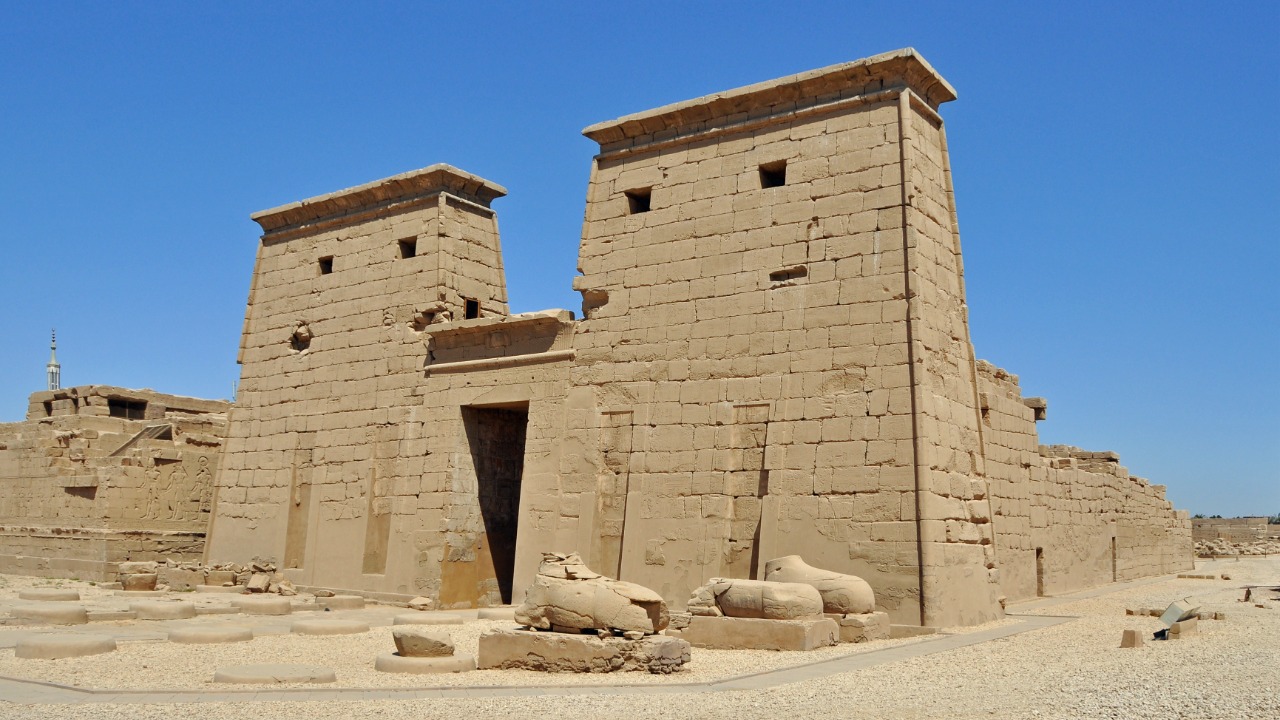
Geophysical surveys using ground-penetrating radar detected the 300-meter-long wall from Amenhotep III’s era, buried under sediment from Nile floods. The wall’s architectural features, including mudbrick foundations and limestone reinforcements, indicate that it demarcated a sacred precinct for Amun’s cult (Science Daily).
This discovery has significant implications for understanding urban planning in ancient Thebes. The wall connected to the Nile harbor, suggesting that it played a crucial role in ritual processions (AOL News).
Artifacts Unearthed in Recent Digs
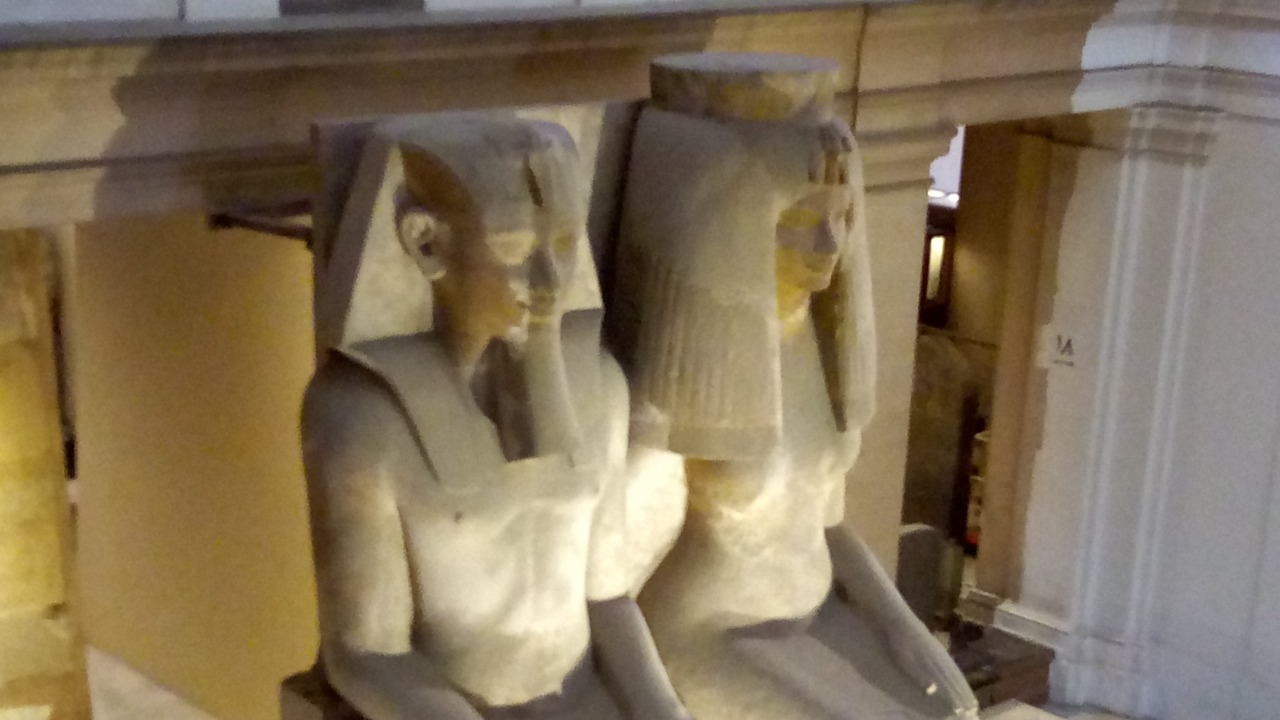
Among the artifacts discovered within the enclosure are inscribed limestone blocks featuring hieroglyphs praising Amenhotep III and depicting offerings to Amun. These inscriptions have been precisely dated to his 1370–1332 BCE reign (Popular Mechanics). Additionally, 25 pieces of pottery shards and faience amulets bearing motifs of Nile deities were recovered, suggesting daily temple rituals (Science Daily).
Further excavations revealed over 50 votive offerings from the Ptolemaic period (305–30 BCE), including bronze statues of priests, preserved in storage chambers (AOL News).
Underground Tunnels and Chambers
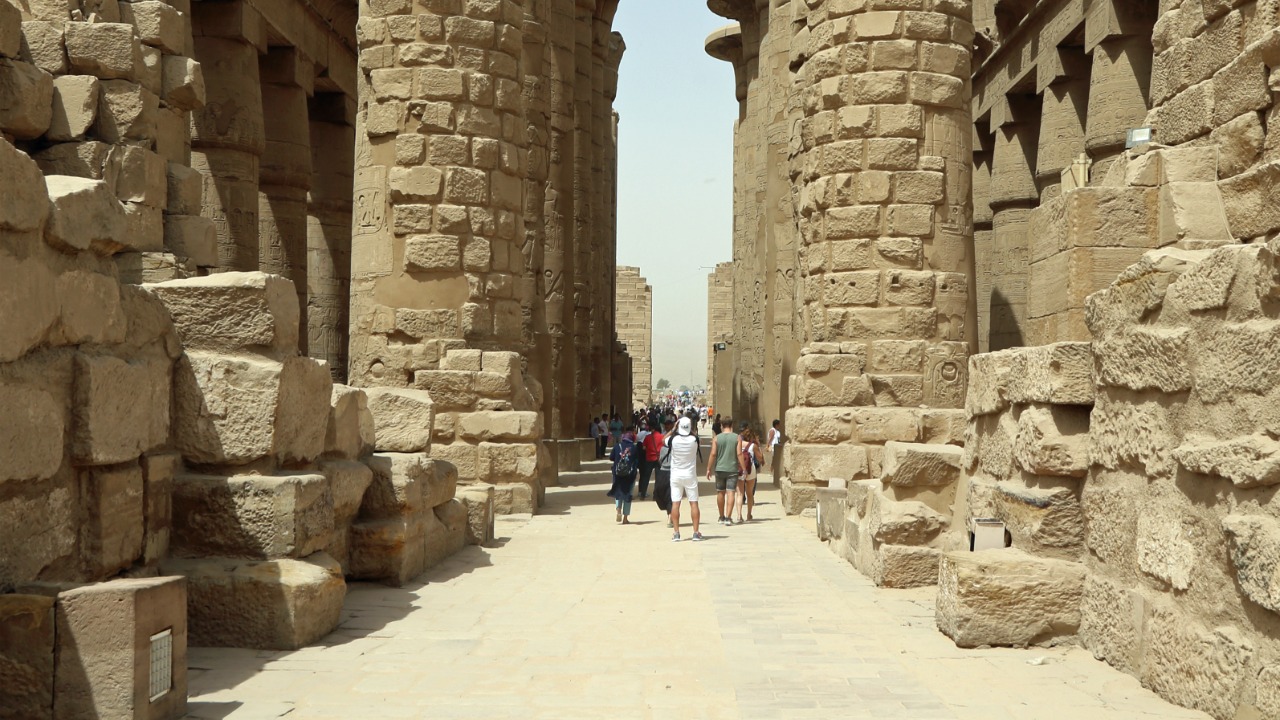
The archaeologists also excavated a 50-meter tunnel network beneath the temple’s hypostyle hall, accessed via a hidden shaft near the sacred lake. The chambers contained sealed jars with grain offerings and ritual tools, indicating their use for storing sacred items during festivals (The Independent).
Carbon dating results confirmed activity from the 18th Dynasty, around 1400 BCE, linking these underground structures to Thutmose III’s expansions (Popular Mechanics).
Role of the French Archaeological Mission
The 2025 excavation season was directed by Dr. Laurent Bavay, who led a team of 15 specialists in Egyptology and geophysics. The team worked in collaboration with Egypt’s Ministry of Antiquities, using 3D modeling to map the site without disturbing structures (The Independent).
Dr. Bavay stated in an October 2025 press release, “This find rewrites the temple’s history by revealing overlooked phases of construction,” highlighting the significance of the discovery (Science Daily).
Implications for Ancient Egyptian Religion

The discoveries have illuminated Amun’s cult practices, including evidence of boat processions along the Nile integrated into the temple layout. This suggests a complex interplay between religious rituals and architectural design (Popular Mechanics).
The enclosure also linked earthly and divine realms through ritual pathways, reflecting broader Theban theology. Future research, such as DNA analysis on organic remains, could potentially trace pilgrim origins from across the empire (AOL News).
Preservation Challenges and Future Excavations
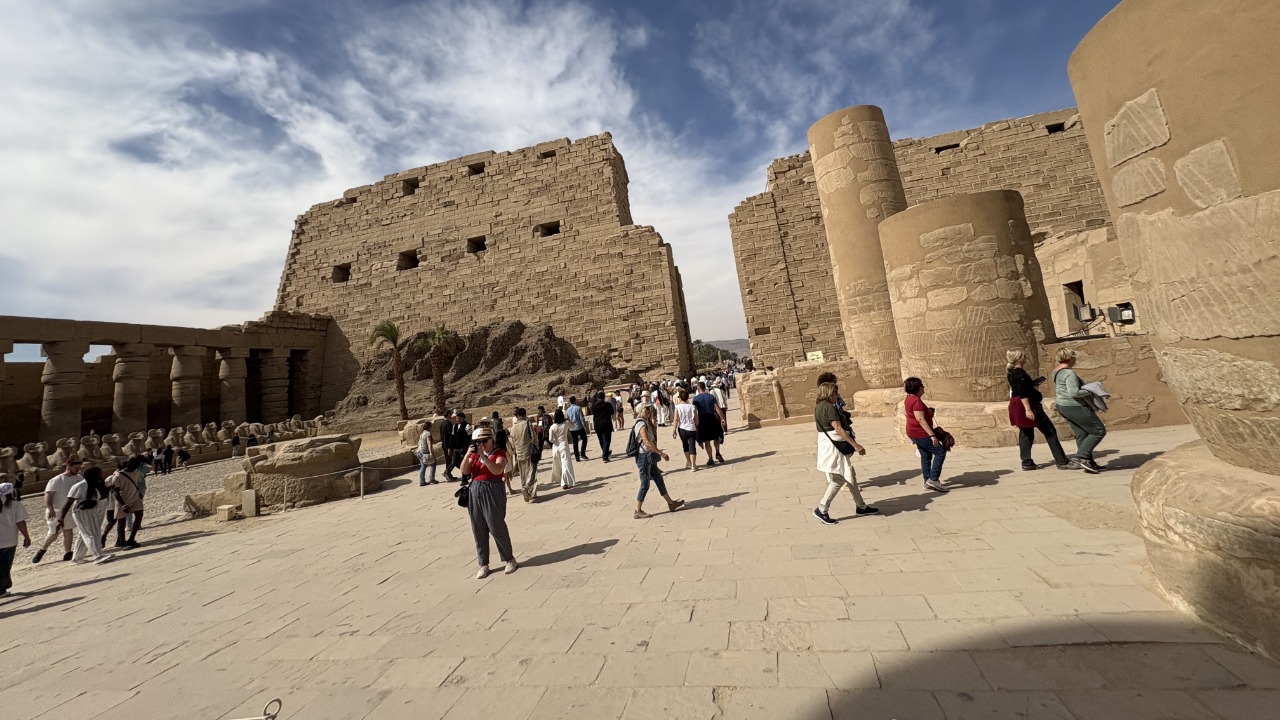
Rising groundwater due to Nile climate changes posed a threat to the newly discovered wall. However, stabilization efforts in 2025 have helped to preserve this significant find (Science Daily). The mission’s team also applied conservation techniques such as laser scanning of artifacts to create digital archives (Popular Mechanics).
Looking ahead, planned digs for 2026 will target adjacent areas near the Avenue of Sphinxes, potentially revealing more linked structures and further enriching our understanding of this ancient civilization (The Independent).
