Archaeologists have recently uncovered a massive circular formation in the Sahara Desert, sparking intrigue and speculation among historians and scientists. This discovery adds to the Sahara’s enigmatic allure, joining the ranks of other mysterious formations such as the Eye of the Sahara and Nabta Playa. Early assessments suggest the formation could provide new insights into ancient civilizations and their understanding of astronomy and geography.
The Discovery of the Circular Formation
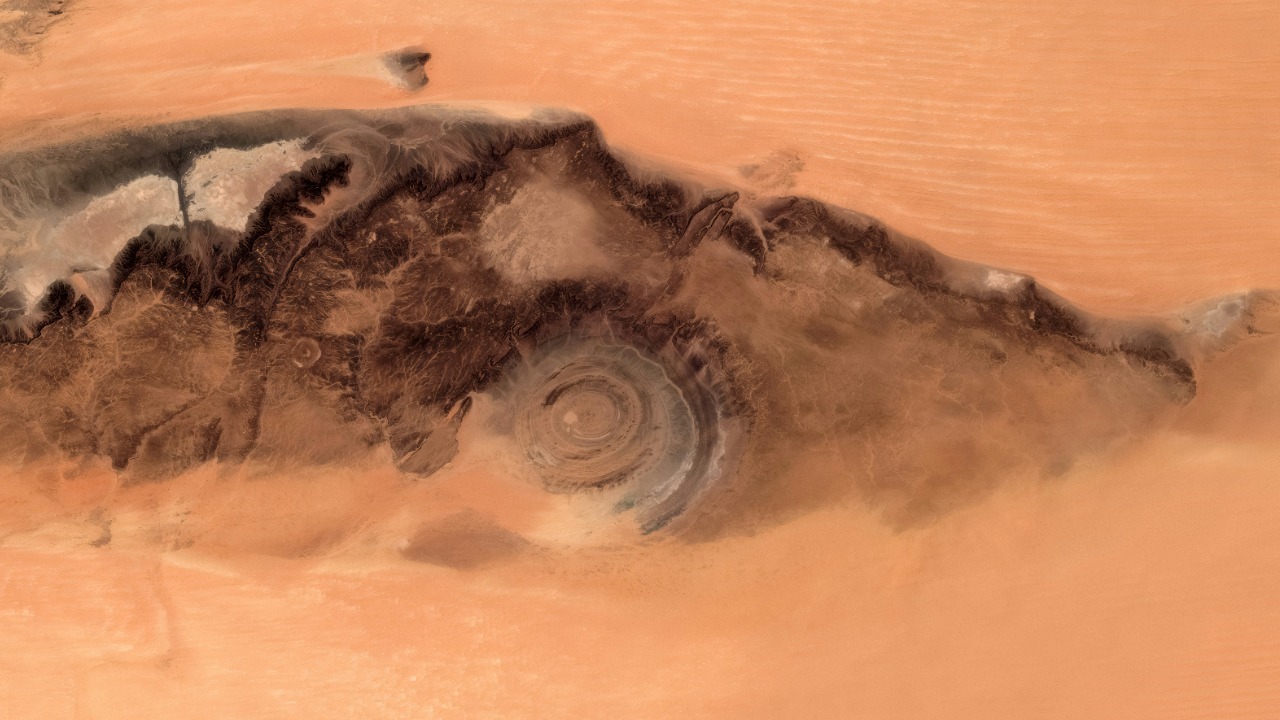
The discovery of the massive circular formation in the Sahara Desert was a result of meticulous planning and advanced archaeological techniques. Researchers employed satellite imagery and ground-penetrating radar to identify anomalies beneath the desert sands. These technologies allowed archaeologists to pinpoint the location of the formation, which spans several kilometers in diameter. The excavation process involved careful removal of sand and debris to reveal the structure’s full extent, a task that required both precision and patience given the harsh desert conditions.
Initial hypotheses about the formation’s purpose and origin are varied. Some archaeologists suggest it may have served as a ceremonial site or a gathering place for ancient communities. Others propose it could have been used for astronomical observations, similar to other ancient structures found in the region. The circular design of the formation has led to comparisons with the famous Eye of the Sahara, also known as the Richat Structure, and the ancient site of Nabta Playa, which is believed to be one of the world’s first astronomical sites (source).
Historical Context and Significance

The Sahara Desert, now a vast expanse of arid land, was once home to thriving ancient civilizations. These societies left behind a rich tapestry of archaeological sites that provide insights into their way of life. The newly discovered circular formation may be linked to these ancient peoples, offering clues about their social structures, religious practices, and technological advancements. Understanding the historical context of this formation could shed light on the migration patterns and cultural exchanges that occurred in the region.
Astronomy played a significant role in the lives of ancient cultures, particularly in the Sahara. Sites like Nabta Playa demonstrate how these societies used their knowledge of the stars to guide agricultural practices and ceremonial events. The alignment of structures with celestial bodies suggests a sophisticated understanding of astronomy, which may also be reflected in the newly discovered formation. This connection between architecture and astronomy highlights the importance of celestial phenomena in shaping the cultural and spiritual beliefs of ancient peoples.
Scientific and Archaeological Methods
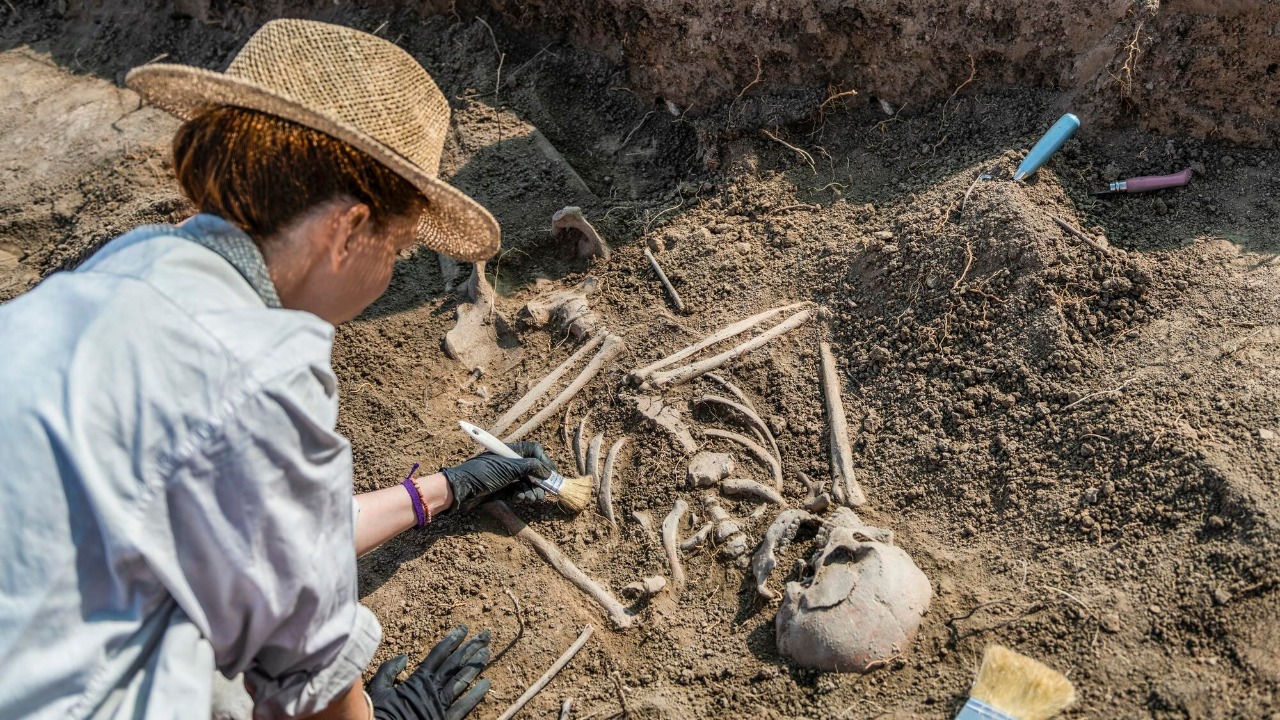
The discovery and study of the circular formation in the Sahara have been greatly aided by modern technology. Archaeologists utilized satellite imagery to identify potential sites of interest, while ground-penetrating radar provided detailed images of subsurface structures. These tools allowed researchers to explore the site without causing significant disturbance to the surrounding environment. Additionally, 3D modeling and digital mapping techniques have been employed to create accurate representations of the formation, facilitating further analysis and interpretation.
Collaboration between different scientific disciplines has been crucial in understanding the formation. Archaeologists, geologists, and astronomers have worked together to analyze the site’s features and propose theories about its origin and purpose. This interdisciplinary approach has enriched the research process, allowing for a more comprehensive understanding of the formation’s significance. However, conducting research in the Sahara presents numerous challenges, including extreme temperatures, limited access to resources, and logistical difficulties in transporting equipment and personnel.
Theories and Speculations
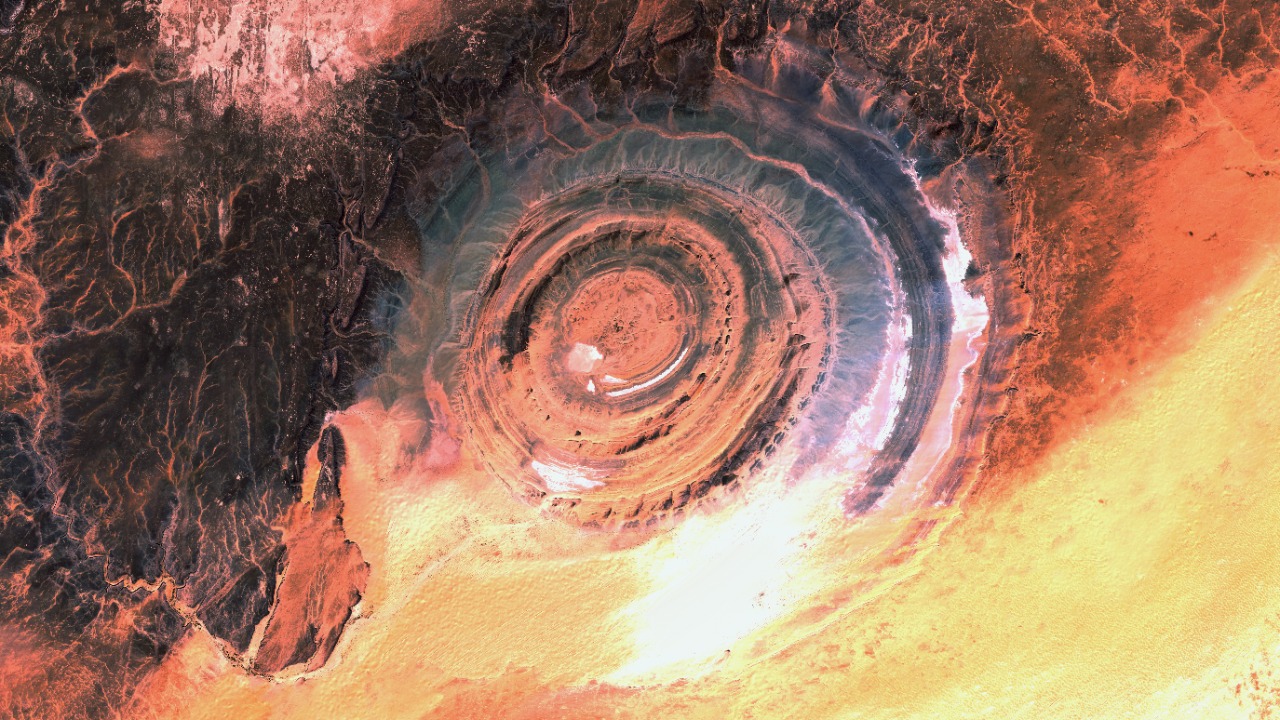
The discovery of the circular formation has reignited interest in the Atlantis theory, which suggests that a forgotten civilization lies hidden beneath the African sands. Proponents of this theory argue that the Sahara’s mysterious structures, including the Eye of the Sahara, could be remnants of this lost civilization. While the Atlantis theory remains speculative, it continues to capture the imagination of researchers and the public alike.
Another intriguing possibility is that the formation has astronomical alignments similar to those found at Nabta Playa. If true, this could indicate that the site was used for observing celestial events or marking seasonal changes. Such alignments would underscore the importance of astronomy in ancient cultures and provide further evidence of their advanced understanding of the natural world. Alternative explanations for the formation’s purpose include its use as a ceremonial site or a hub for trade and communication between different communities.
Implications for Future Research
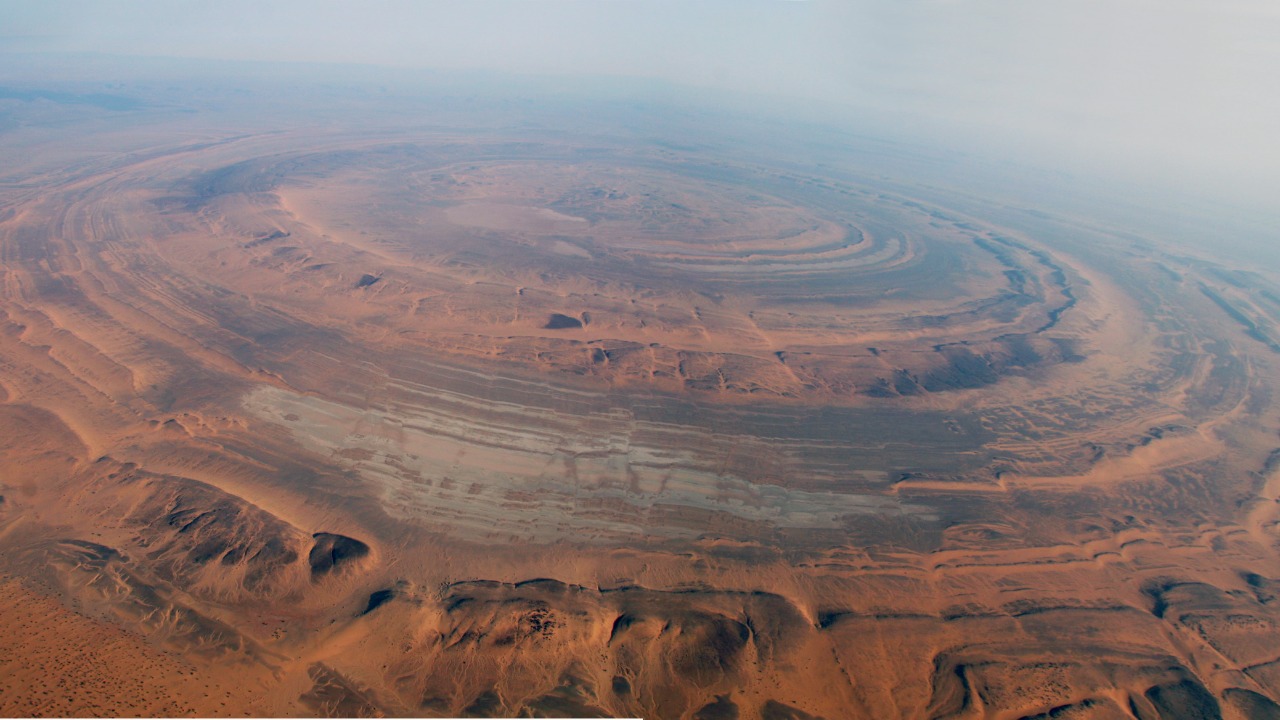
The discovery of the circular formation in the Sahara opens up new avenues for archaeological exploration in the region. It highlights the potential for uncovering additional sites that could further illuminate the history and culture of ancient civilizations. As researchers continue to investigate the formation, they may uncover artifacts or other evidence that challenges existing theories about human activity in the Sahara.
This find also underscores the importance of preserving archaeological sites for future generations. Increased global interest in such discoveries can lead to greater efforts to protect and study these invaluable cultural resources. By fostering a deeper understanding of our shared past, we can ensure that the lessons of history are not lost to time. The Sahara’s enigmatic formations, including the newly discovered circular structure, remind us of the enduring mysteries that lie beneath the desert sands, waiting to be uncovered.
