Archaeologists have uncovered a hidden medieval dungeon beneath the Leicester Marketplace in the UK, revealing a prison structure as part of broader 2,000-year-old secrets unearthed under the busy site. This discovery highlights layers of historical use, from ancient remnants to medieval incarceration facilities, surprising experts with its preservation amid modern commercial activity. Source, Source
The Unearthing Process
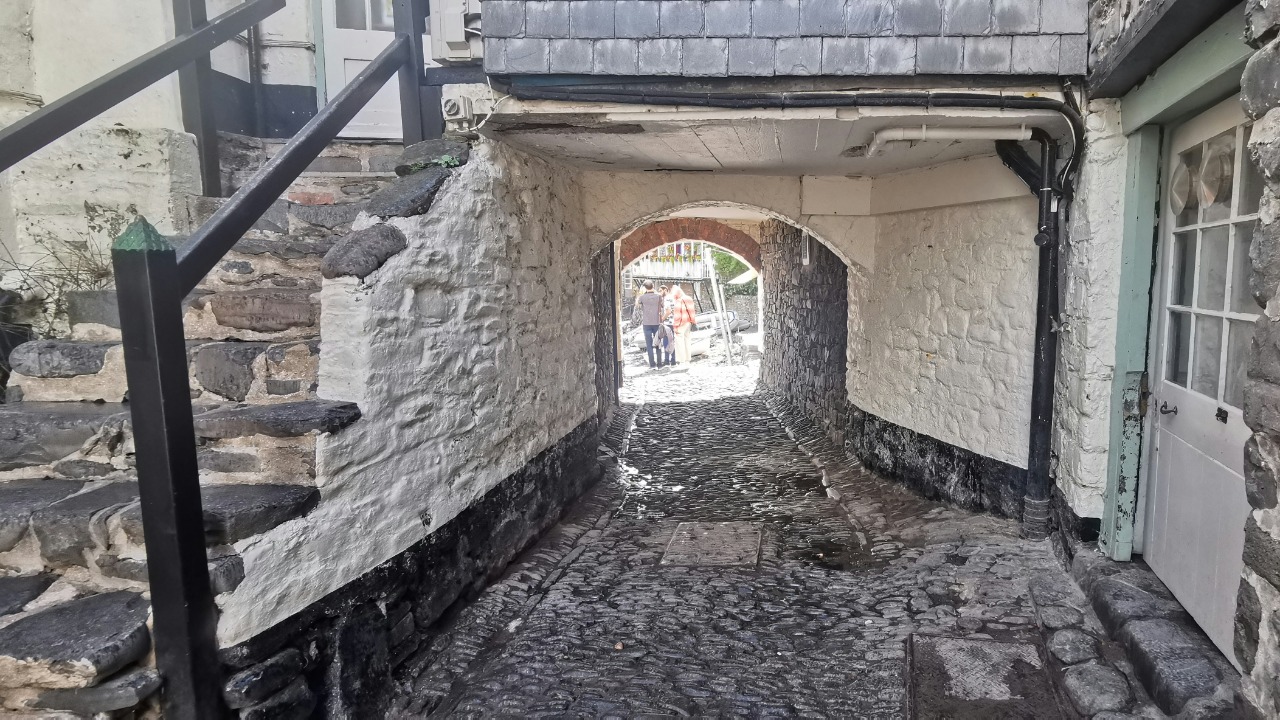
Archaeologists initiated excavations under the Leicester Marketplace, leading to the remarkable discovery of a hidden medieval dungeon. This project, which began as a routine exploration, quickly turned into a significant archaeological find. The site revealed 2,000-year-old secrets, including evidence of a medieval prison structure preserved beneath the UK marketplace. The discovery has provided a unique glimpse into the past, showcasing the intricate layers of history that lie beneath modern urban environments (news.ssbcrack.com).
Initial findings from the bustling marketplace location indicate the dungeon’s role in historical containment practices. The preservation of such a structure under a contemporary commercial hub is a testament to the meticulous work of the archaeologists involved. The discovery not only highlights the historical significance of the site but also raises questions about the potential for other hidden structures beneath urban areas (dailygalaxy.com).
The excavation process at Leicester Marketplace was meticulously planned and executed, involving a team of archaeologists, historians, and local volunteers. The project initially aimed to explore the site’s Roman-era foundations, but the discovery of the medieval dungeon shifted the focus significantly. Advanced ground-penetrating radar and 3D mapping technologies were employed to ensure precise excavation without disturbing the marketplace’s current operations. These technologies allowed the team to visualize the subsurface structures in detail, guiding their excavation efforts and minimizing disruption to the bustling commercial activities above (timesofindia.indiatimes.com).
As the excavation progressed, the team uncovered various artifacts that provided context to the dungeon’s historical use. These included iron shackles, pottery shards, and remnants of wooden structures, all of which were carefully cataloged and analyzed. The findings suggest that the dungeon was not only a place of incarceration but also a site of significant social and economic activity during its time. This comprehensive approach to excavation has set a new standard for urban archaeology, demonstrating how modern technology can enhance our understanding of historical sites (dailygalaxy.com).
Historical Layers Revealed

The medieval dungeon beneath Leicester Marketplace points to its use as a prison during the medieval period in the UK. This finding is significant as it provides insights into the incarceration methods and practices of the time. The artifacts and structures dating back 2,000 years were unearthed, showcasing ancient secrets integrated with the later medieval prison features. This blend of historical layers offers a comprehensive view of the site’s evolution over the centuries (news.ssbcrack.com).
The hidden dungeon’s location under a contemporary busy marketplace underscores centuries of overlaid historical activity. It serves as a reminder of the dynamic nature of urban development and the potential for historical discoveries in unexpected places. The juxtaposition of ancient and medieval elements with modern infrastructure highlights the complex history of the Leicester Marketplace area (dailygalaxy.com).
The discovery of the medieval dungeon has prompted historians to re-evaluate the historical narrative of Leicester. The site, known for its Roman and medieval heritage, now offers new insights into the transition between these periods. The artifacts found within the dungeon, such as coins and personal items, suggest a continuous occupation and adaptation of the site over centuries. This continuity highlights the strategic importance of Leicester as a hub of trade and governance throughout history. The integration of Roman and medieval elements within the dungeon’s structure indicates a complex layering of cultural influences, reflecting the dynamic nature of historical development in the region (news.ssbcrack.com).
Furthermore, the site’s location at the heart of Leicester underscores its role in the city’s urban evolution. The marketplace, a focal point of community life, has been a constant through the ages, adapting to the needs of its inhabitants. This adaptability is evident in the way the medieval dungeon was constructed, utilizing existing Roman foundations and materials. Such findings emphasize the importance of Leicester as a living historical landscape, where past and present coexist in a continuous dialogue (dailygalaxy.com).
Significance of the Findings

The medieval prison discovery at Leicester Marketplace provides new insights into UK incarceration history from the medieval era. This revelation is crucial for historians and archaeologists as it adds depth to the understanding of medieval societal structures and their evolution. The 2,000-year-old elements unearthed alongside the dungeon highlight the site’s long-term role in regional secrets and developments, offering a broader context for the historical narrative of the area (news.ssbcrack.com).
Preservation of the hidden dungeon under ongoing marketplace operations raises questions about urban archaeological potential. It challenges the perception of modern cities as devoid of historical significance, suggesting that many urban areas may still hold undiscovered historical treasures. This discovery could inspire further archaeological investigations in other urban locations, potentially leading to more groundbreaking finds (dailygalaxy.com).
The implications of the Leicester Marketplace discovery extend beyond the local context, offering broader insights into medieval European history. The prison’s architectural features, such as its robust stone walls and narrow passageways, are indicative of the period’s penal architecture, reflecting broader trends in medieval justice and societal control. These features provide a tangible connection to the legal and social systems of the time, illustrating how justice was administered and experienced by individuals in medieval England. This connection enriches our understanding of the period’s legal history, offering a rare glimpse into the lived experiences of those who were incarcerated (news.ssbcrack.com).
Moreover, the discovery has sparked interest in the potential for similar finds in other urban centers across the UK and Europe. It challenges the assumption that modern urban landscapes are devoid of significant historical remnants, suggesting that many cities may still harbor undiscovered archaeological treasures. This realization could lead to a renewed focus on urban archaeology, encouraging cities to explore their subterranean histories. Such efforts could uncover new chapters in the historical narratives of urban centers, reshaping our understanding of their development over time (dailygalaxy.com).
Future Research Directions

Ongoing analysis of the Leicester Marketplace dungeon will focus on its medieval prison functions and connections to broader UK history. Researchers aim to uncover more details about the daily life of prisoners and the operational aspects of the dungeon during its time of use. This research could provide valuable insights into the social and legal frameworks of medieval England (news.ssbcrack.com).
Exploration of the 2,000-year-old secrets could reveal more about pre-medieval uses beneath the UK site. Archaeologists are particularly interested in understanding how the site was utilized before the construction of the medieval prison. This could shed light on the broader historical context of the region and its significance over the millennia. Additionally, archaeologists plan further digs to assess the dungeon’s integration with the busy marketplace’s modern infrastructure, which could reveal more about the challenges and opportunities of urban archaeology (timesofindia.indiatimes.com).
