The intricate relationship between ancient civilizations and the cosmos has always been a subject of fascination. Recent archaeological discoveries have unveiled a compelling correlation between the layouts of ancient cities and modern constellations, offering a glimpse into the celestial knowledge of our ancestors.
The Science of Archaeoastronomy
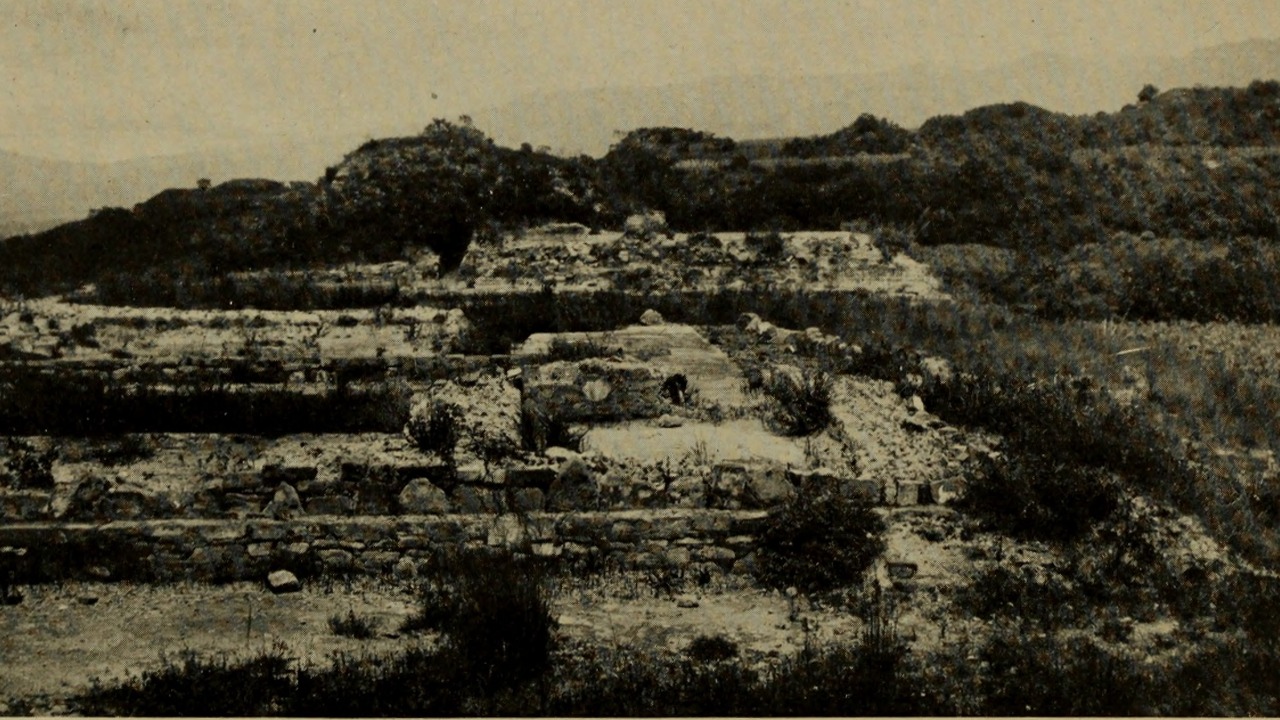
Archaeoastronomy is a multidisciplinary field that combines the studies of archaeology, astronomy, and anthropology. It explores how ancient civilizations understood and utilized celestial bodies in their daily lives, religious practices, and architectural designs. This field of study provides valuable insights into the cosmological beliefs and astronomical knowledge of ancient societies.
Through Archaeoastronomy, we can comprehend the depth of ancient civilizations’ understanding of the universe. For instance, the alignment of ancient structures with celestial bodies often signifies the importance of astronomical events, such as solstices and equinoxes, in their cultures. These alignments also demonstrate the advanced astronomical knowledge these societies possessed, despite the lack of modern scientific tools.
Ancient City Layouts and Celestial Alignments
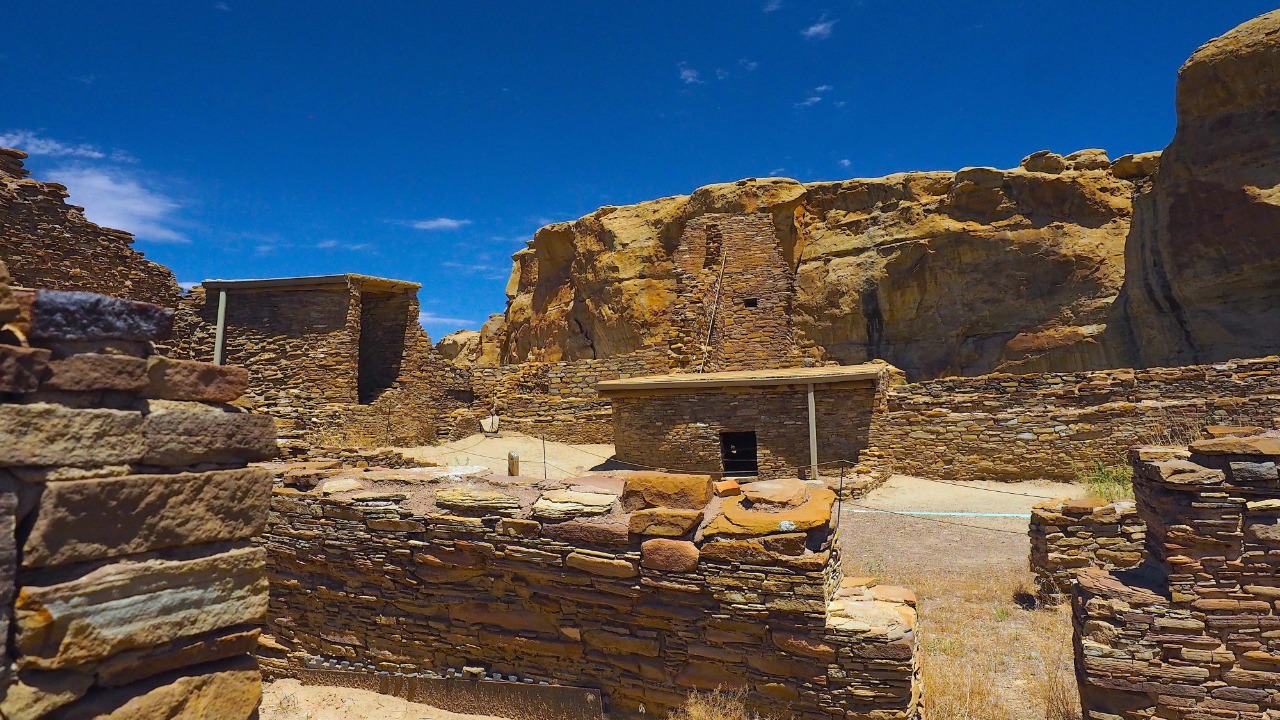
One of the most intriguing aspects of Archaeoastronomy is the correlation between city layouts and celestial bodies. A prime example is the 1,000-year-old Indigenous road near Chaco Canyon, which was discovered to align with the winter solstice. This discovery suggests that the ancient inhabitants of the region had a profound understanding of the sun’s movement and used this knowledge in their city planning.
Another fascinating example is the Maya City in Mexico, which was found to align with the Pleiades constellation. This alignment, discovered by a Canadian teenager, indicates that the ancient Maya had a deep understanding of the stars and incorporated this knowledge into their urban design. This discovery also underscores the significance of the Pleiades constellation in Maya cosmology.
Notable Archaeological Discoveries Aligned with Constellations
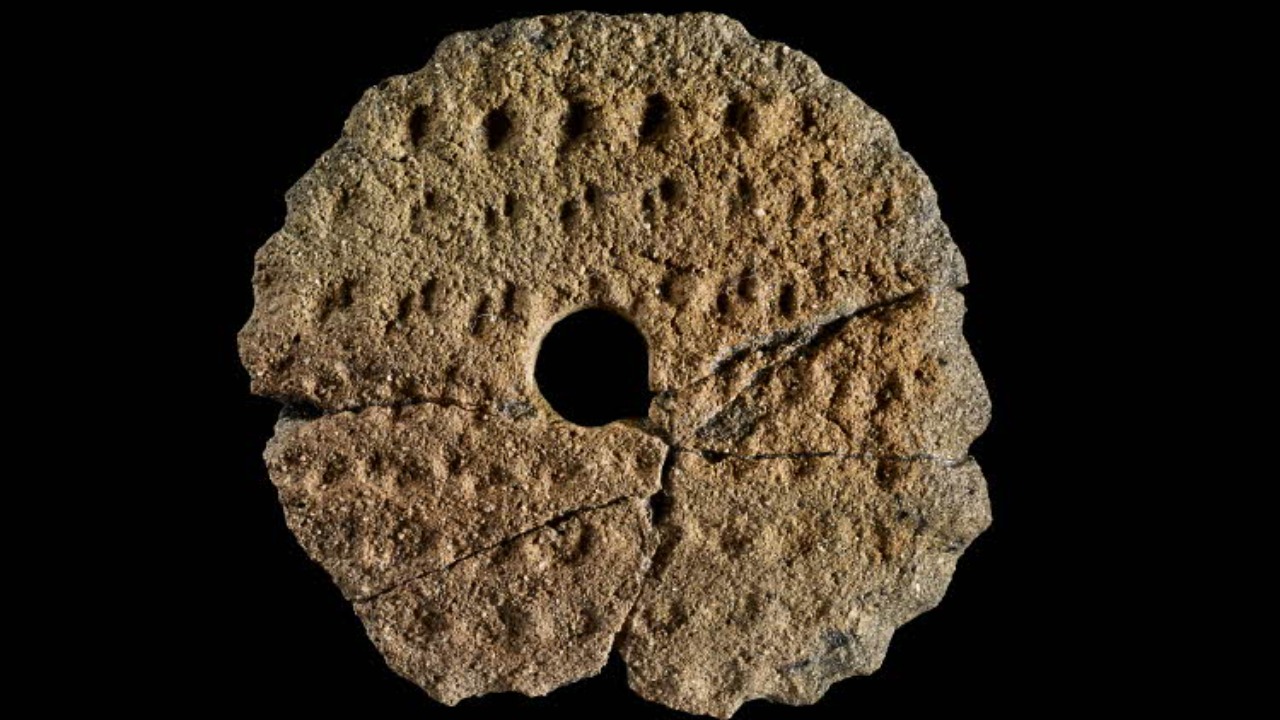
Several archaeological discoveries have revealed the alignment of ancient structures with stars and constellations. For instance, a sacred pool was discovered in Sicily that aligns with the stars. This discovery suggests that the ancient inhabitants of Sicily used the pool for religious ceremonies related to celestial bodies.
Another notable site is Nabta Playa in Africa, which is considered the world’s first astronomical site, predating even Stonehenge. The site features several stone structures that align with specific stars, demonstrating the advanced astronomical knowledge of the ancient Africans. This discovery also challenges the Eurocentric view of the origins of astronomy, suggesting that it may have developed independently in different parts of the world.
Interpreting Ancient Knowledge through Modern Astronomy
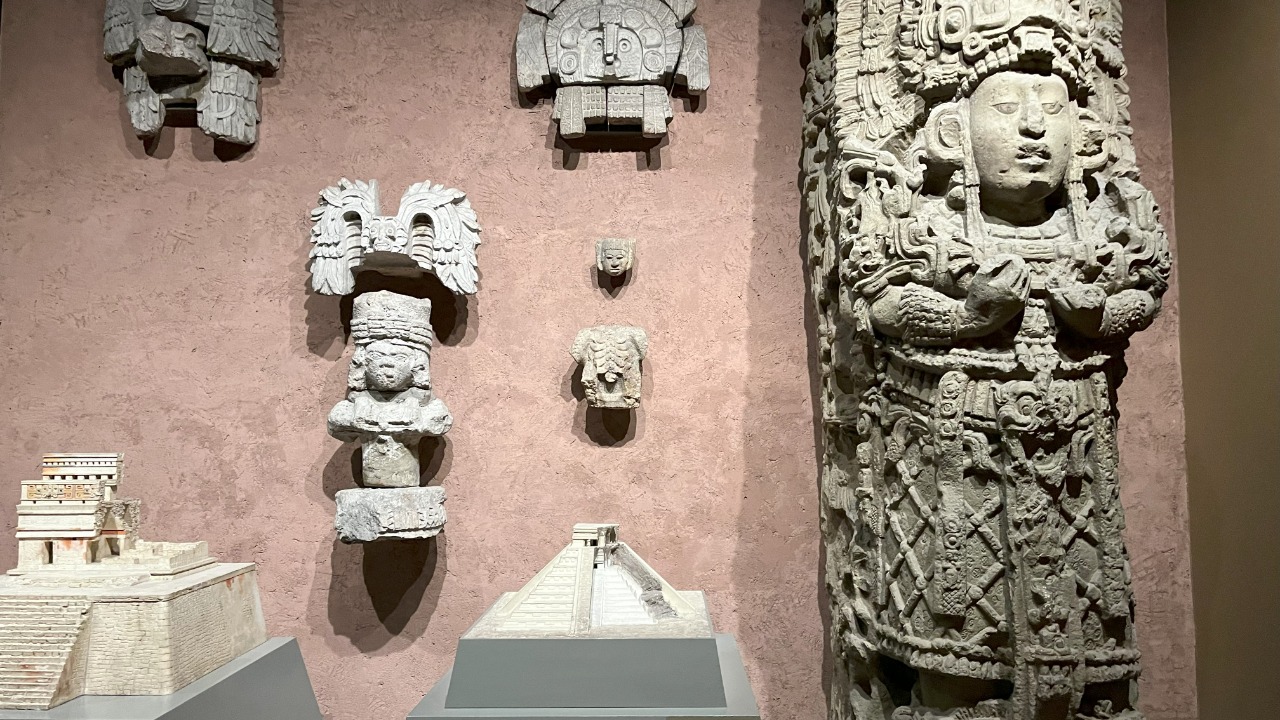
Modern astronomy plays a crucial role in deciphering the knowledge and beliefs of ancient civilizations. By comparing the alignment of ancient structures with the current positions of celestial bodies, astronomers can infer the astronomical knowledge of ancient societies and their understanding of celestial events.
One notable collaboration between scientists and Maya descendants aims to understand the ancient Maya’s interpretation of the stars. This project combines modern astronomical techniques with traditional Maya knowledge, offering a unique perspective on the Maya’s cosmological beliefs and their connection to the cosmos.
The Implications of These Discoveries

The alignment of ancient structures with celestial bodies has significant implications for our understanding of ancient architecture and city planning. These alignments suggest that ancient societies incorporated their astronomical knowledge into their architectural designs, reflecting their cosmological beliefs and their connection to the cosmos.
Moreover, these discoveries could revolutionize our understanding of ancient civilizations and their relationship with the universe. They challenge the conventional view of ancient societies as primitive and demonstrate their advanced understanding of the cosmos. These findings also highlight the importance of interdisciplinary research in uncovering the complexities of ancient civilizations and their cosmological beliefs.
