A groundbreaking discovery has sent waves through the archaeological world, as experts unearth a burial site containing non-human remains. This find not only challenges our understanding of history but also opens up new avenues for research and exploration.
The Discovery
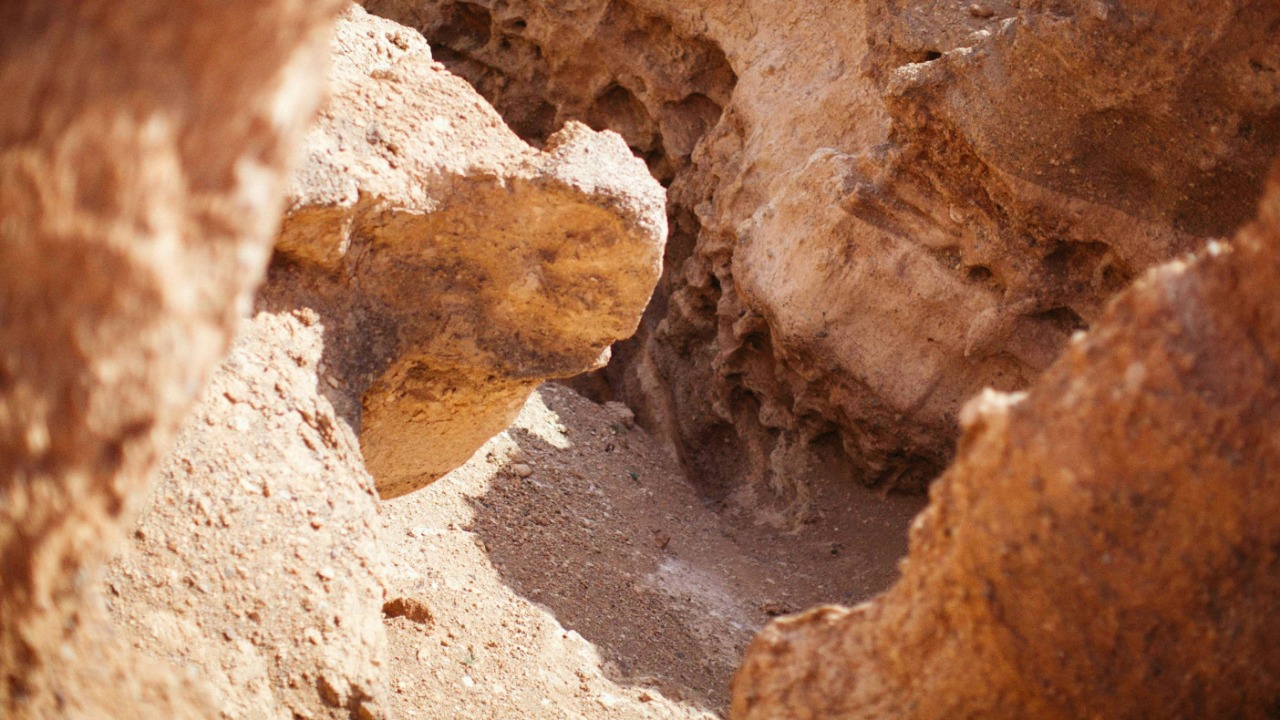
The burial site was discovered in the remote regions of Siberia, spanning an area of about 500 square meters. The layout of the site suggests it was a dedicated burial ground, with the remains systematically arranged in rows. The most striking aspect of the find is the presence of non-human remains, which were found alongside a variety of artifacts, including pottery, tools, and jewelry.
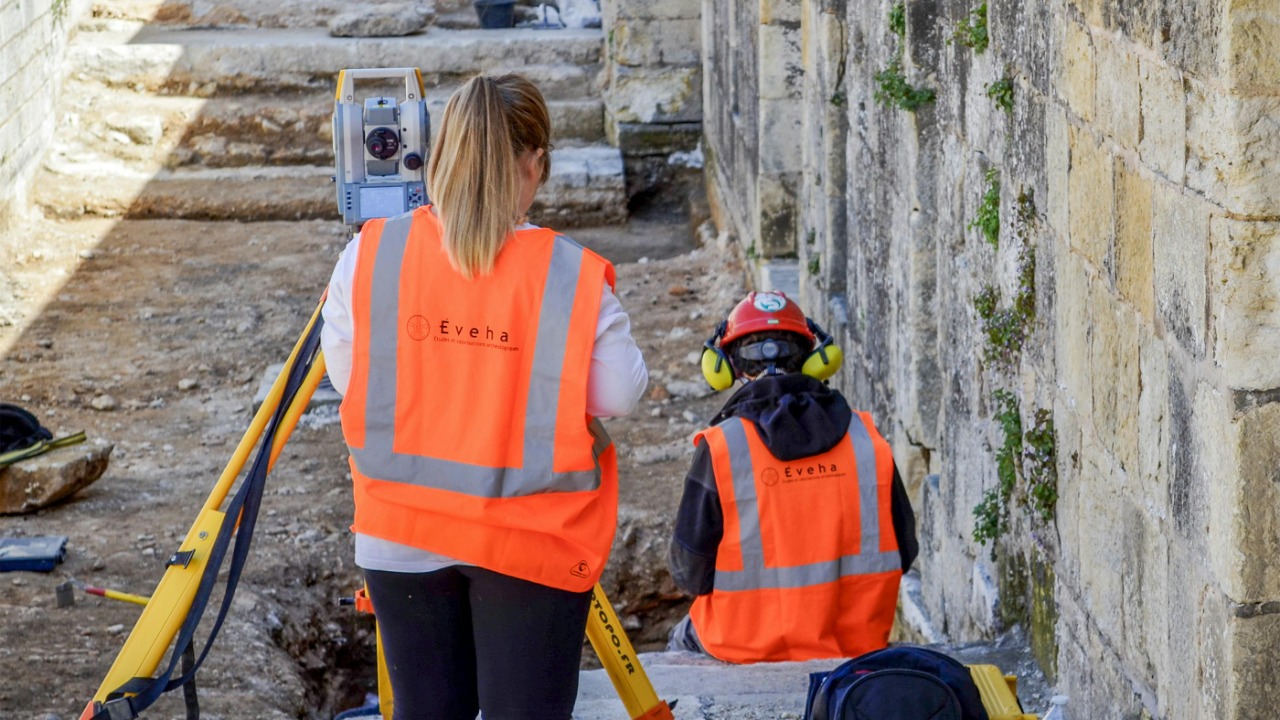
The discovery was made by a team of archaeologists from the University of Moscow. The team, led by Dr. Ivan Petrov, was initially conducting a routine excavation when they stumbled upon the unusual remains. “We were not expecting to find anything like this,” said Dr. Petrov, expressing his team’s surprise and excitement at the discovery.
Details of the Non-Human Remains

Upon closer examination, the remains were identified as belonging to a species of large canids, possibly an extinct breed of wolves or dogs. The identification was based on the size and shape of the bones, as well as dental characteristics. However, further analysis is needed to confirm the exact species.
Carbon dating suggests that the remains are approximately 10,000 years old. Despite their age, the remains are in a remarkable state of preservation, thanks to the cold Siberian climate. Some of the bones still bear traces of fur and soft tissue, providing a rare glimpse into the creature’s physical appearance.
One of the most unusual characteristics of the remains is the presence of what appear to be ritualistic markings on the bones. These markings, which include intricate carvings and patterns, suggest that the creatures may have held a significant place in the culture of the people who buried them.
Significance of the Find
The discovery of the burial site provides valuable insights into the history of human-animal relationships. The presence of non-human remains in a dedicated burial ground suggests that these creatures were not merely pets or hunting companions, but were likely revered or considered significant in some way.
Compared to other archaeological finds, this discovery stands out due to the age of the remains and the clear evidence of ritualistic treatment. Previous finds have included animal remains in human burial sites, but rarely with such clear indications of ritualistic or symbolic significance.
Questions Raised and Future Research

The discovery raises several key questions. What was the exact species of these creatures? What role did they play in the society that buried them? And what do the ritualistic markings on the bones signify? Answering these questions will require further research and analysis.
The find also opens up new opportunities for research. The well-preserved state of the remains allows for detailed study, including possible DNA analysis. This could provide valuable insights into the evolution of canids and their relationship with humans.
The discovery could also have significant implications for current theories and hypotheses in archaeology and related fields. For instance, it could challenge existing ideas about the role of animals in ancient human societies, or provide new evidence to support or refine these theories.
Implications for Our Understanding of History

The discovery may cause experts to re-evaluate certain aspects of history. For instance, it could challenge the commonly held view that animals were primarily used for practical purposes, such as hunting or transportation, in ancient societies.
The find could also have implications for our understanding of human evolution. The close relationship between humans and these creatures, as suggested by the burial practices, could provide insights into the evolution of human-animal relationships and the role of animals in human societies.
Finally, the discovery could have cultural implications. The ritualistic treatment of the remains suggests that these creatures held a significant place in the culture of the people who buried them. This could provide new insights into ancient belief systems and the role of animals in these cultures.
