
Archaeologists have recently uncovered a 3,000-year-old structure in Jerusalem that is believed to be mentioned in the Bible. This discovery has sparked a wave of excitement and intrigue among historians, theologians, and the general public, as it provides a tangible link to ancient biblical narratives. The find opens new avenues for research and raises questions about the historical accuracy of biblical texts.
Historical Context and Significance

Jerusalem has long been a focal point in biblical history. Its storied past is deeply entwined with religious texts, serving as a backdrop to numerous events and narratives depicted in the Bible. Previous archaeological findings in the region have further underscored its significance, shedding light on ancient civilizations that once thrived there.
The connection between the newly discovered structure and biblical accounts is particularly compelling. Some scholars suggest that scriptural references might allude to this structure, providing a direct link to the narratives of the past. This discovery could potentially reshape our understanding of biblical history by offering concrete evidence that aligns with ancient texts.
Details of the Discovery
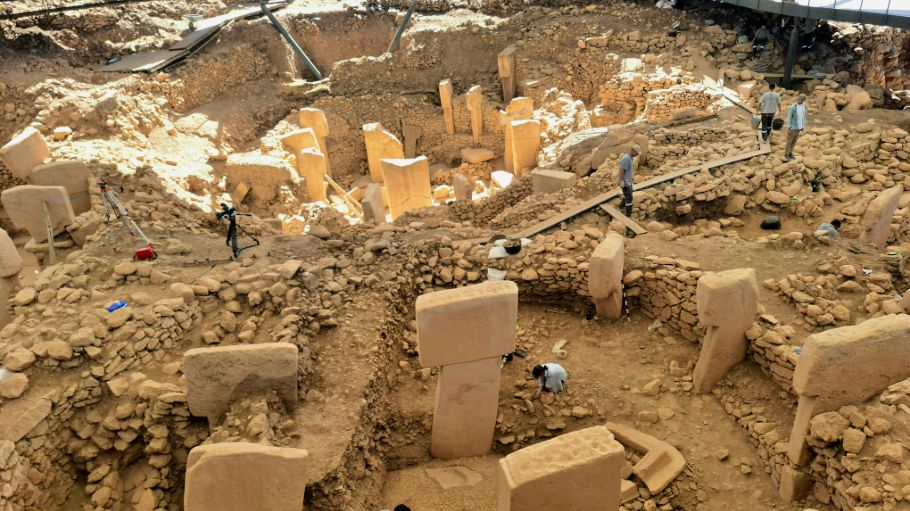
The unearthed structure is remarkable for its architectural features. Crafted from stones and materials typical of the era, its design and construction techniques offer insights into the engineering capabilities of ancient builders. Comparisons with other contemporary archaeological findings reveal both similarities and unique aspects, making this discovery a significant addition to our understanding of the period.
The excavation process was not without its challenges. Archaeologists employed modern technology and methods to carefully unearth the structure, navigating the historical layers that define the region. The significance of the location, with its rich tapestry of history, added both complexity and depth to the excavation efforts.
Implications for Biblical Archaeology

This discovery has significant implications for biblical scholarship. It prompts a re-evaluation of historical timelines and biblical events, potentially offering new insights into the civilizations of the time. Such findings underscore the importance of archaeology in verifying and understanding biblical narratives.
Throughout history, archaeology has played a vital role in supporting biblical texts. Numerous findings have provided evidence that aligns with religious accounts, bridging the gap between faith-based and scientific interpretations. This ongoing dialogue continues to enrich our understanding of ancient history and its impact on modern theology.
Reactions from the Academic and Religious Communities

The academic community has responded with enthusiasm and curiosity to the recent discovery. Interviews with archaeologists and historians involved in the excavation reveal a shared sense of excitement and a commitment to exploring the implications of their findings. The broader academic community eagerly anticipates further research that could illuminate additional aspects of ancient history.
Religious communities have also shown keen interest in the discovery. For many, the structure represents a tangible connection to their faith’s historical roots. This find holds particular significance for faith-based communities, offering a potential validation of biblical narratives and enriching their spiritual understanding.
Future Research and Exploration
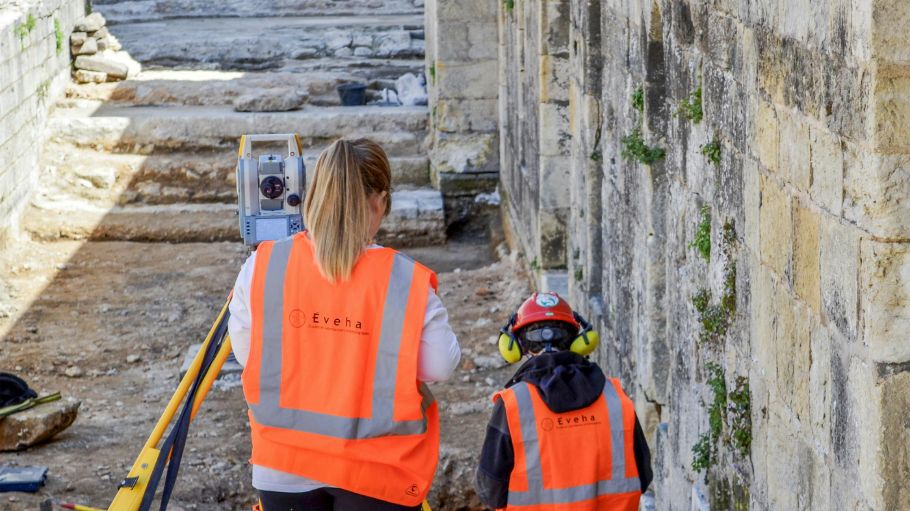
The potential for further discoveries in Jerusalem is vast. Archaeologists are eager to explore additional areas of interest, driven by the promise of unearthing more structures and artifacts that could further illuminate ancient history. This discovery is likely to impact funding and research priorities, encouraging continued exploration in this historically rich region.
Interdisciplinary approaches are crucial in advancing the study of ancient structures. Collaboration between archaeologists, historians, and theologians can yield comprehensive insights into the past. The role of technology in archaeological research is increasingly important, offering new tools and methods to uncover and analyze historical artifacts, thereby enhancing our understanding of ancient civilizations.
