The recent unearthing of a vast underground labyrinth has left the archaeological community in awe. This monumental discovery not only challenges our understanding of history but also presents a myriad of mysteries waiting to be unraveled.
Unveiling the Labyrinth: An Unexpected Discovery
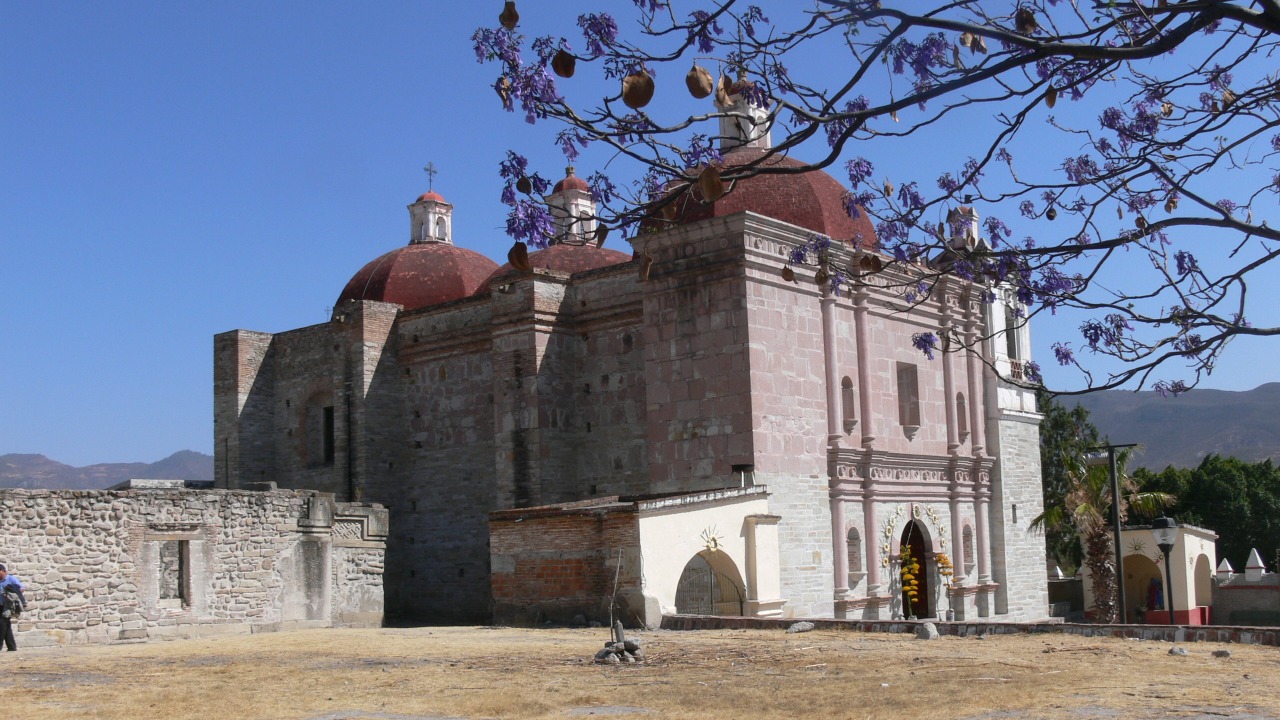
The labyrinth was discovered beneath a church in Mexico, a find that left the archaeological team astounded. The scale and complexity of this underground structure are unparalleled, dwarfing many known man-made structures. The labyrinth’s intricate network of tunnels and chambers is a testament to the architectural prowess of its creators. The discovery was made possible through the use of advanced technologies and innovative methodologies, marking a significant milestone in the field of archaeology.
However, the labyrinth’s discovery was not just a result of technological advancements. It was also a product of meticulous research and a deep understanding of the region’s history. The labyrinth’s location and design suggest a connection to the ancient Zapotec civilization, providing a unique opportunity to delve into their beliefs and practices.
Zapotec Underworld: A Glimpse into Ancient Beliefs
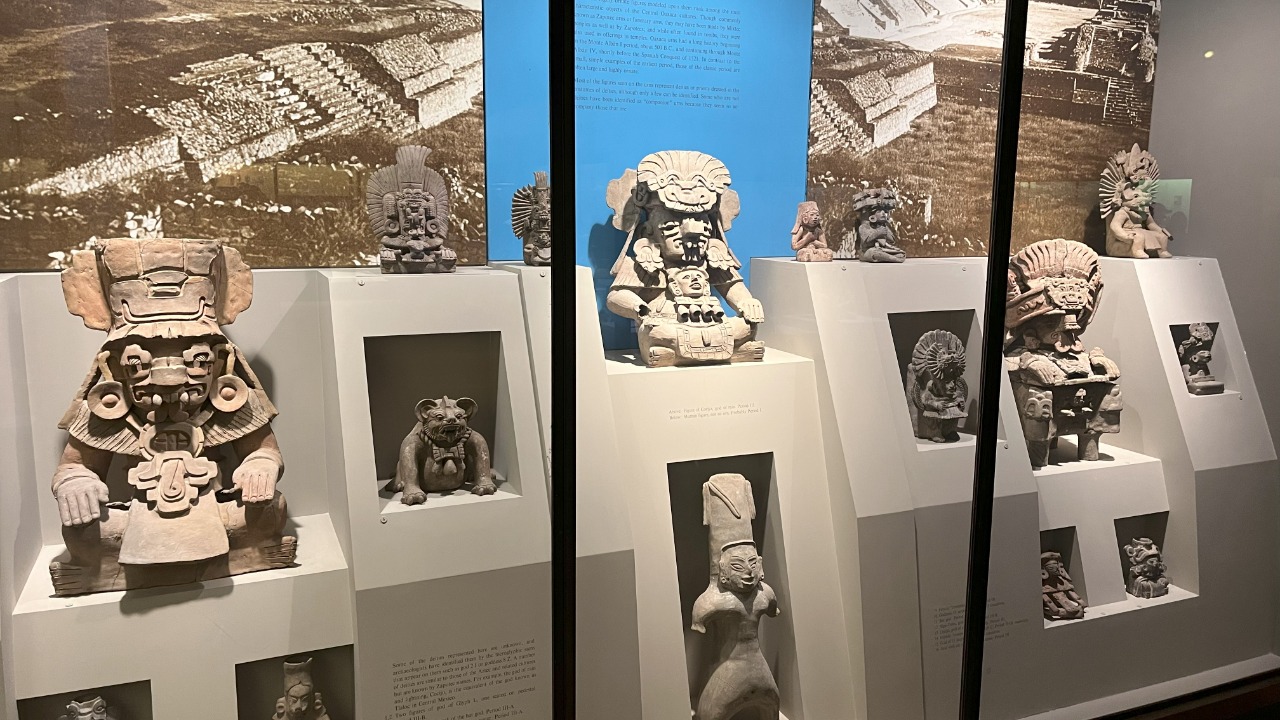
The Zapotec civilization, known for their complex belief in the underworld, may have constructed this labyrinth as a physical representation of their spiritual beliefs. The labyrinth’s design and the artifacts found within it suggest that it may have played a significant role in their religious rituals and ceremonies. These artifacts provide invaluable insights into the Zapotec civilization, shedding light on their religious practices, societal structure, and cultural norms.
However, the labyrinth is more than just a historical artifact. It is a window into the Zapotec’s worldview, providing a tangible connection to their beliefs and practices. The labyrinth’s discovery has the potential to revolutionize our understanding of the Zapotec civilization and their unique cultural heritage.
The Ant City: Lessons from the Natural World

The labyrinth’s intricate design bears a striking resemblance to the complex underground “cities” created by ant colonies. This parallel is not just a coincidence. Recent research has uncovered an ant city ‘equivalent to the Great Wall of China’, demonstrating the remarkable architectural capabilities of these tiny creatures. The ant city and the labyrinth both showcase the potential for complex, large-scale construction in both human and ant civilizations.
This parallel also opens up new avenues for interdisciplinary research. By studying the labyrinth and the ant city side by side, we can gain a deeper understanding of the principles that govern both human and ant societies. This interdisciplinary approach could revolutionize both archaeology and entomology, bridging the gap between these two fields.
Challenges and Mysteries: Unanswered Questions

Despite the excitement surrounding the labyrinth’s discovery, it also presents a host of challenges. The labyrinth’s vast size and intricate design make it difficult to explore and study. Physical dangers, such as unstable structures and narrow passages, pose significant risks to researchers. Furthermore, the labyrinth’s age and the lack of historical records add to the methodological difficulties faced by archaeologists.
Alongside these challenges, the labyrinth also presents many unanswered questions. Its purpose, its creators, and the methods used in its construction remain a mystery. However, these mysteries also present opportunities for future research. Unraveling these mysteries could significantly enhance our understanding of history, providing new insights into the capabilities and beliefs of ancient civilizations.
Implications for Future Archaeological Discoveries

The discovery of the labyrinth has had a profound impact on the field of archaeology. It has challenged existing theories and methodologies, prompting a reevaluation of our understanding of ancient civilizations. The labyrinth’s discovery also opens up the possibility of similar finds in the future, prompting archaeologists to prepare for this exciting prospect.
More broadly, the labyrinth’s discovery has far-reaching implications for our understanding of human history and civilization. It serves as a reminder of the remarkable capabilities of our ancestors, challenging our preconceived notions about their technological and architectural prowess. As we continue to explore and study this labyrinth, we can look forward to a deeper understanding of our shared human heritage.
