The discovery of ancient technologies often challenges our understanding of history. While some inventions were ahead of their time, others remain shrouded in mystery. From ancient computers to potential flying machines, these archaeological finds continue to intrigue scientists and historians alike.
The Antikythera Mechanism: Ancient Greek Computer
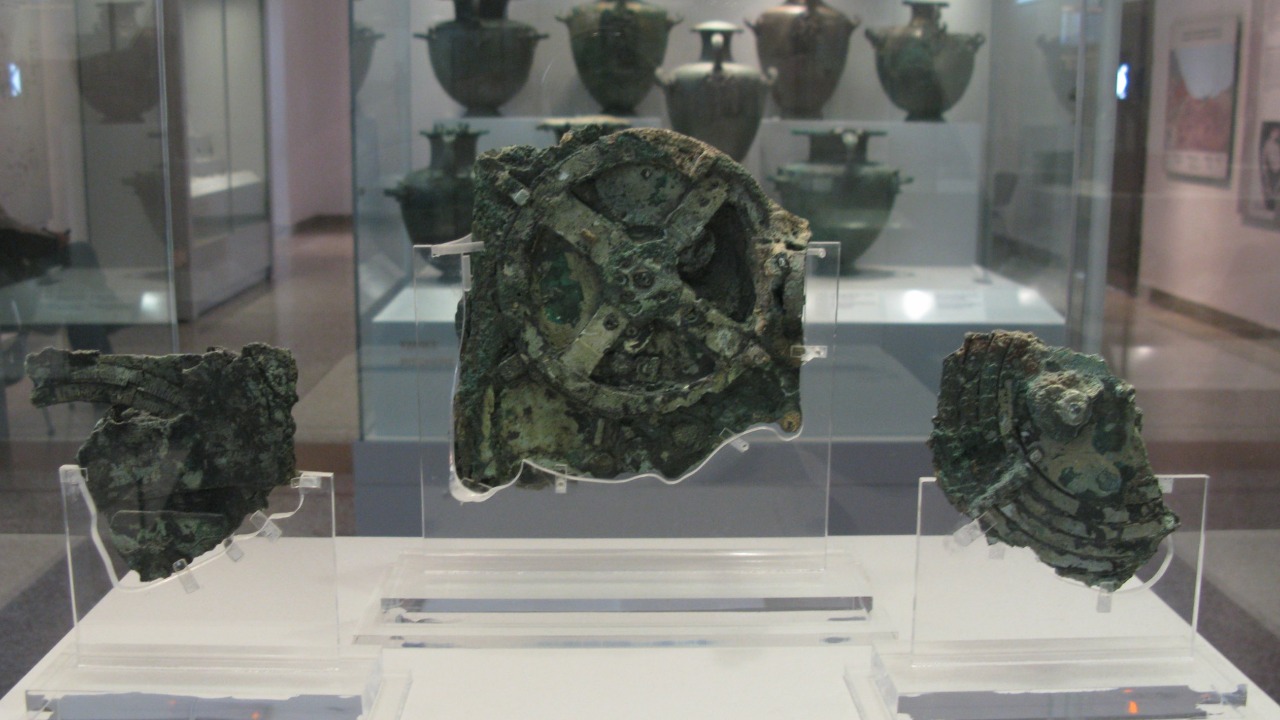
The Antikythera Mechanism, discovered in a shipwreck off the Greek island of Antikythera, is often considered the world’s first analog computer. Dating back to 150 BC, this intricate device was used to predict astronomical positions and eclipses. Its complexity suggests an advanced understanding of celestial mechanics that was not thought possible in ancient Greece.
Made of bronze, the mechanism consists of numerous gears and is housed in a wooden case. Despite its age, it has been partially reconstructed, giving us invaluable insights into ancient Greek technology. The sophistication of the Antikythera Mechanism continues to inspire researchers to delve deeper into the technological capabilities of ancient civilizations.
Baghdad Batteries: Ancient Electrochemical Cells
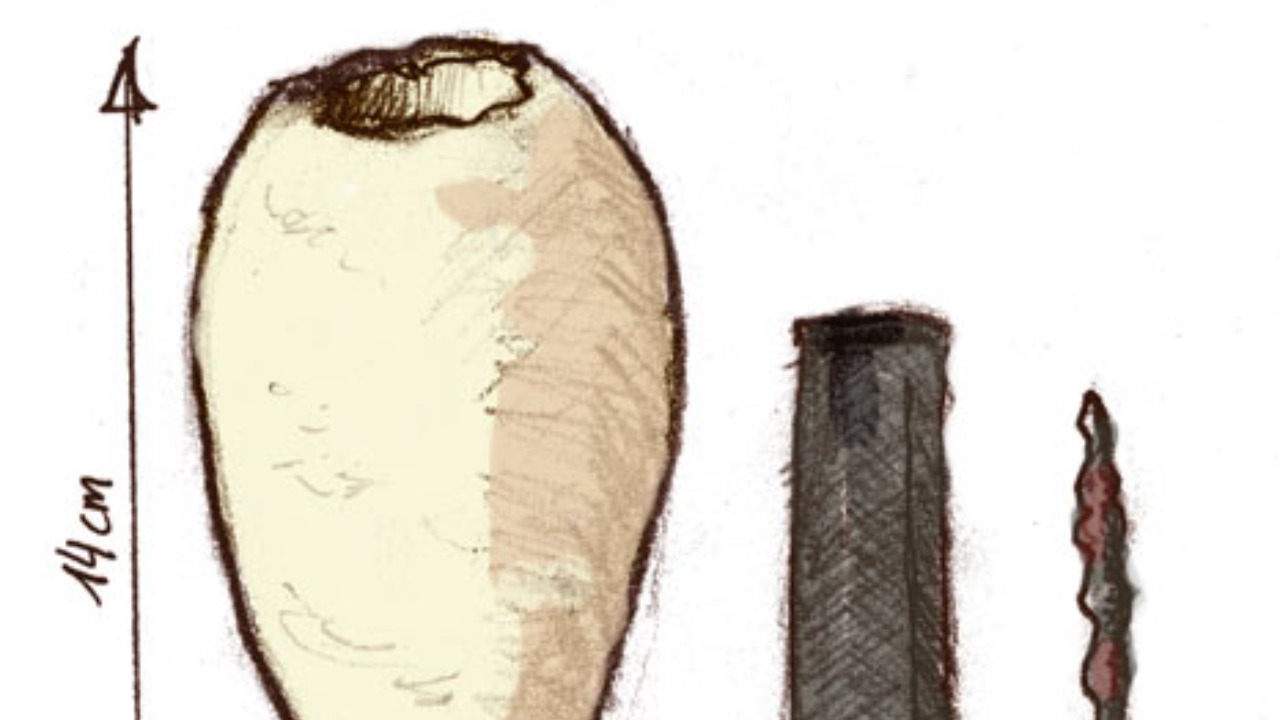
The Baghdad Batteries are a set of terracotta jars found near Baghdad, Iraq, believed to date back to the Parthian or Sassanid periods. These jars contain copper cylinders and iron rods, leading some to speculate that they could have functioned as primitive batteries. If true, this would indicate that ancient civilizations had knowledge of electricity long before modern times.
While the exact purpose of the Baghdad Batteries is still debated, some theories suggest they were used for electroplating or as a form of religious or healing device. Regardless of their true function, these artifacts provide a fascinating glimpse into potential ancient electrical knowledge.
The Phaistos Disc: Minoan Printing Technology
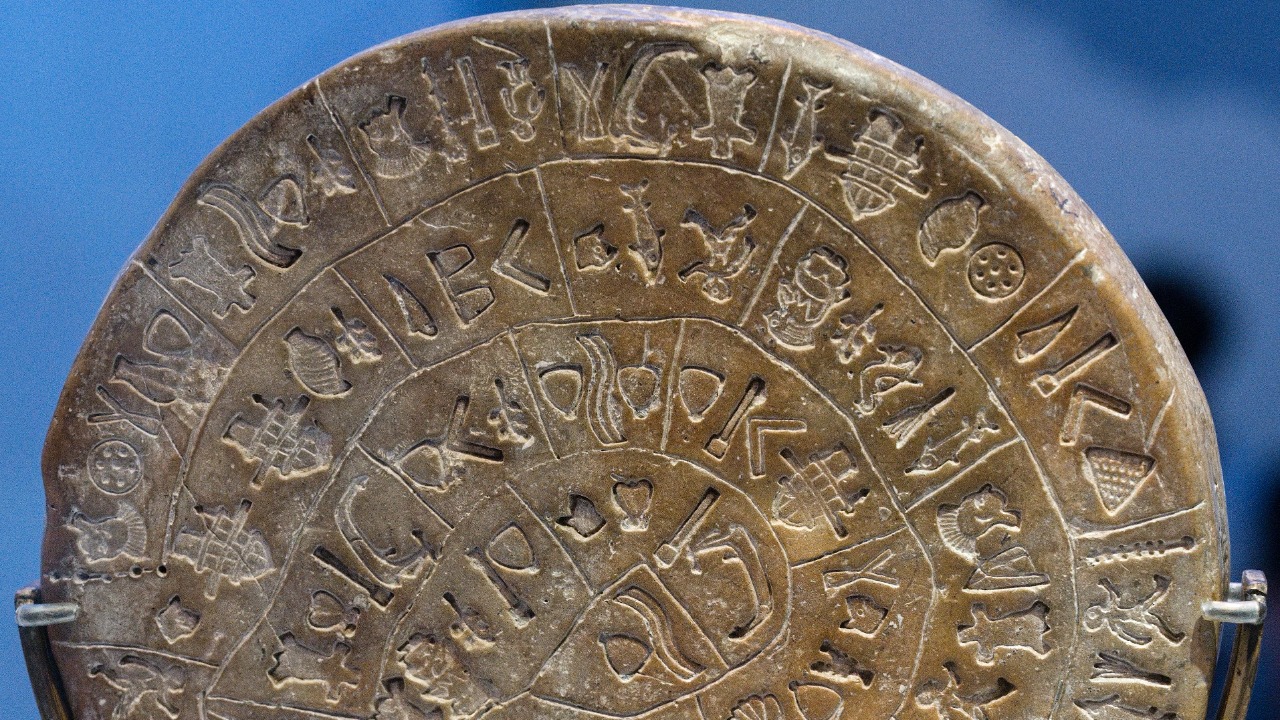
The Phaistos Disc, a clay disc discovered on the Greek island of Crete, is covered with mysterious symbols that have yet to be deciphered. Dating back to around 1700 BC, it is believed to be an early example of printing technology. The symbols were stamped onto the clay, suggesting a form of mass production.
This enigmatic artifact has sparked numerous theories regarding its purpose, ranging from a form of communication to a religious or ceremonial object. The Phaistos Disc remains one of archaeology’s greatest puzzles, prompting ongoing research and debate.
Roman Dodecahedrons: Mysterious Metal Artifacts

Roman dodecahedrons are small, hollow, twelve-sided objects made from bronze or stone. Found across Europe, their purpose remains unknown. Some theories suggest they may have been used as measuring devices, candlestick holders, or even religious artifacts.
The dodecahedrons’ uniform design and widespread distribution indicate that they held significant importance in Roman culture. Despite extensive research, their true function remains a mystery, capturing the imagination of archaeologists and enthusiasts alike.
The Lycurgus Cup: Ancient Nanotechnology
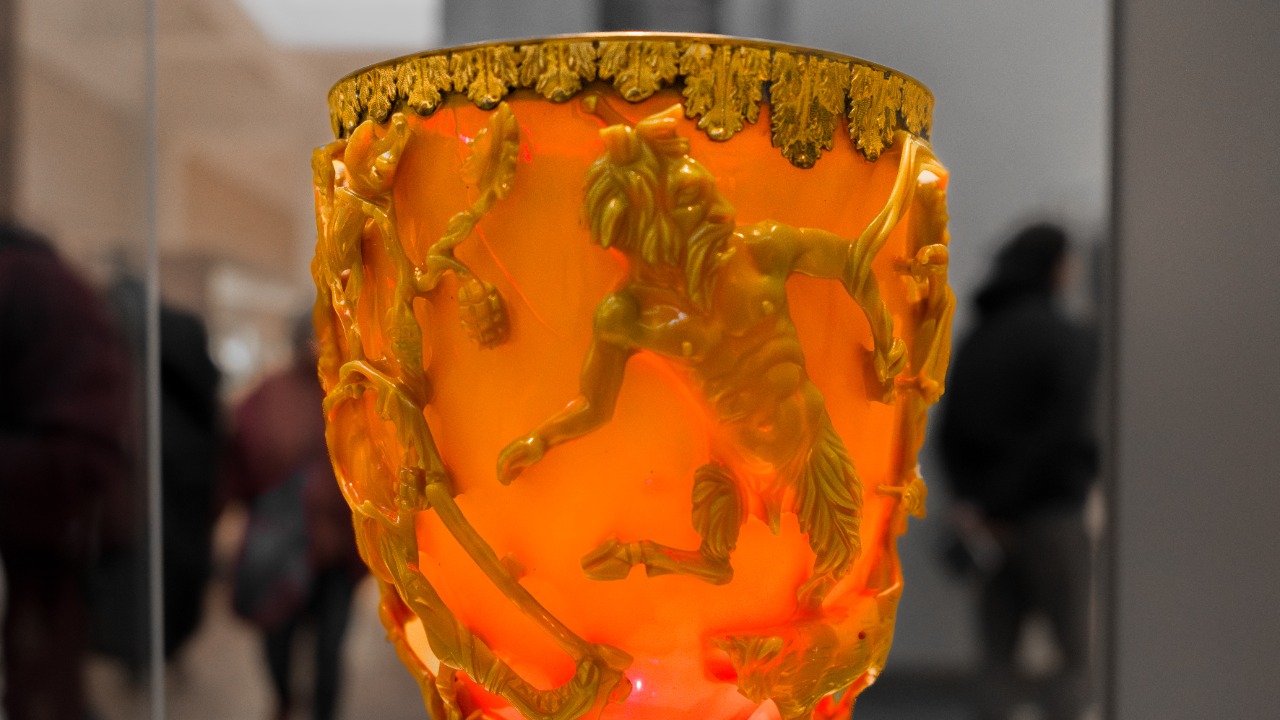
The Lycurgus Cup, a Roman glass cup from the 4th century AD, is renowned for its unique color-changing properties. When lit from the front, the cup appears green, but it turns red when illuminated from behind. This effect is due to the presence of nanoparticles of gold and silver embedded within the glass.
This ancient example of nanotechnology demonstrates a sophisticated understanding of material properties that was once thought to be a modern development. The Lycurgus Cup continues to intrigue scientists studying the interplay of light and matter.
The Ulfberht Swords: Viking Age Super Steel
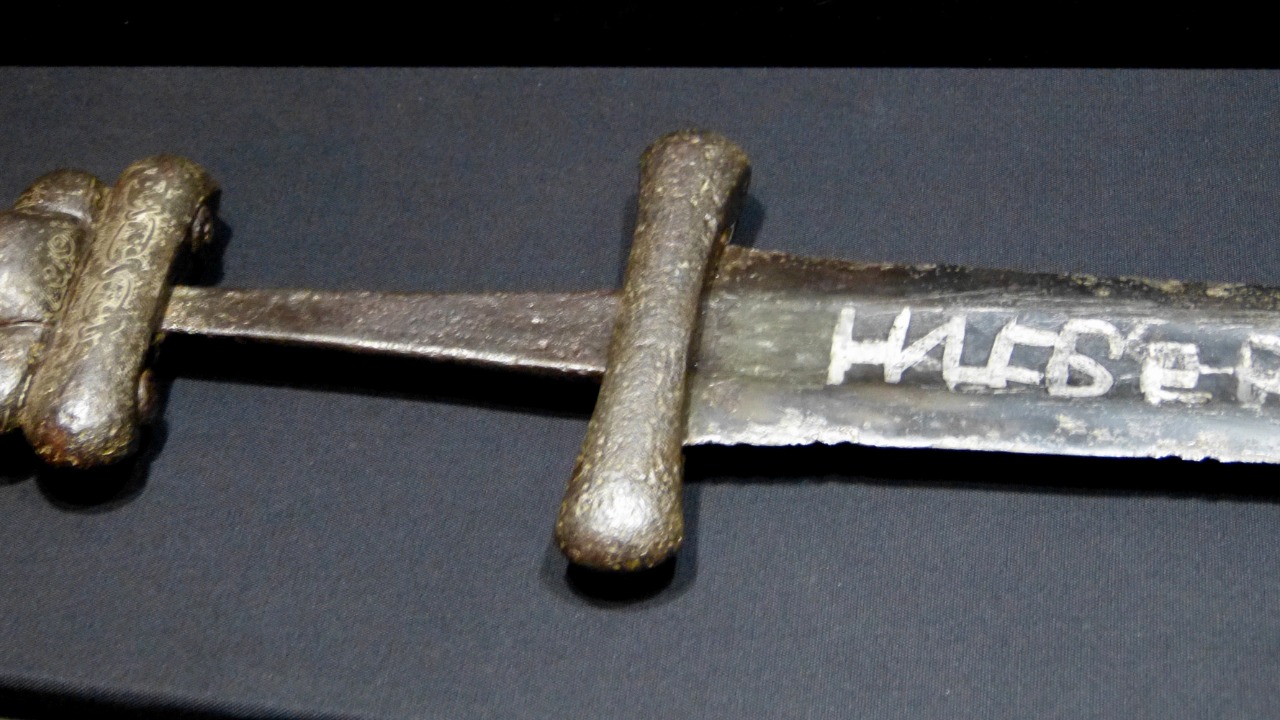
The Ulfberht swords, dating from the Viking Age, are renowned for their exceptional quality and durability. Made from a high-carbon steel that was not thought to be produced until the Industrial Revolution, these swords were far superior to other weapons of their time.
With inscriptions of the name “Ulfberht,” these swords were likely crafted by master blacksmiths using advanced techniques. The mystery of their production and the identity of the craftsmen behind them remains an intriguing topic for historians and metallurgists.
Roman Concrete: Lost Building Technology
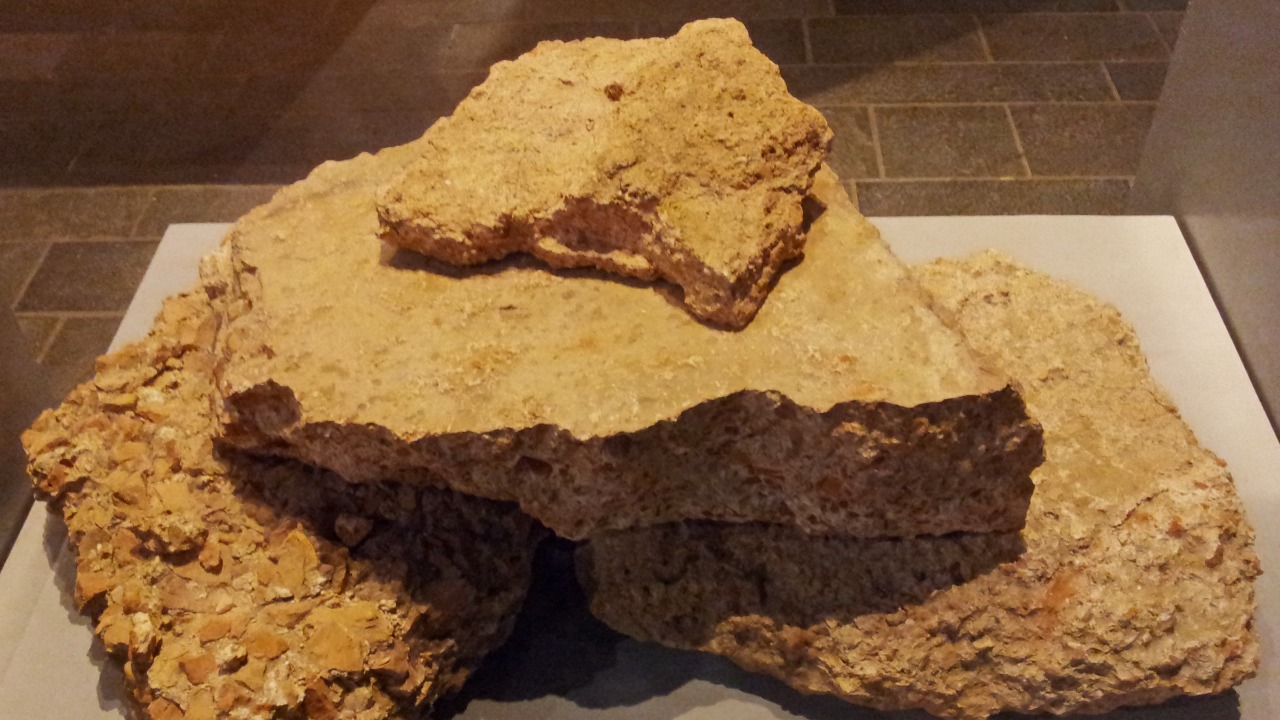
Roman concrete, used in iconic structures like the Pantheon and the Colosseum, is known for its remarkable durability, far surpassing that of modern concrete. The secret to its longevity lies in its unique composition, which includes volcanic ash that enhances its strength and resistance to cracking.
The precise formula for this ancient building technology was lost over time, but modern researchers are working to rediscover and replicate it, hoping to improve the sustainability and resilience of contemporary construction.
The Nazca Lines: Advanced Geoglyphs

The Nazca Lines, massive geoglyphs etched into the Peruvian desert, continue to baffle researchers. Created between 500 BC and 500 AD, these lines depict various animals and shapes, some stretching over 1,000 feet long. The precision and scale of these designs suggest advanced surveying and planning techniques.
While their purpose remains debated, theories range from astronomical calendars to religious or ceremonial functions. The Nazca Lines are a testament to the ingenuity and creativity of ancient cultures, challenging our understanding of prehistoric capabilities.
The Shroud of Turin: Medieval Photographic Technique
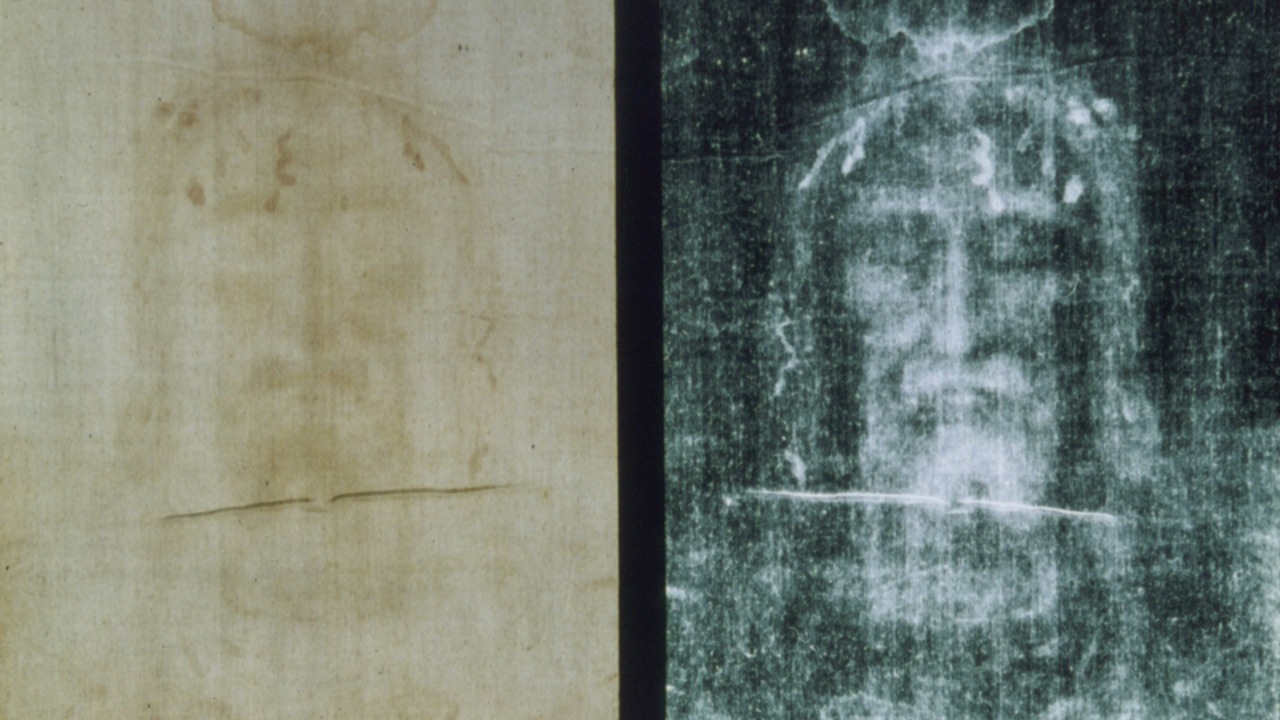
The Shroud of Turin is a linen cloth bearing the faint image of a man, believed by some to be Jesus Christ. While its authenticity is debated, the technique used to create the image has puzzled scientists. Some suggest it may have been an early form of photography or a natural chemical reaction.
Radiocarbon dating places the shroud’s origin in the medieval period, but its mysterious image formation remains a topic of study and intrigue, blending science, history, and religion in a captivating enigma.
Saqqara Bird: Ancient Egyptian Flying Machine
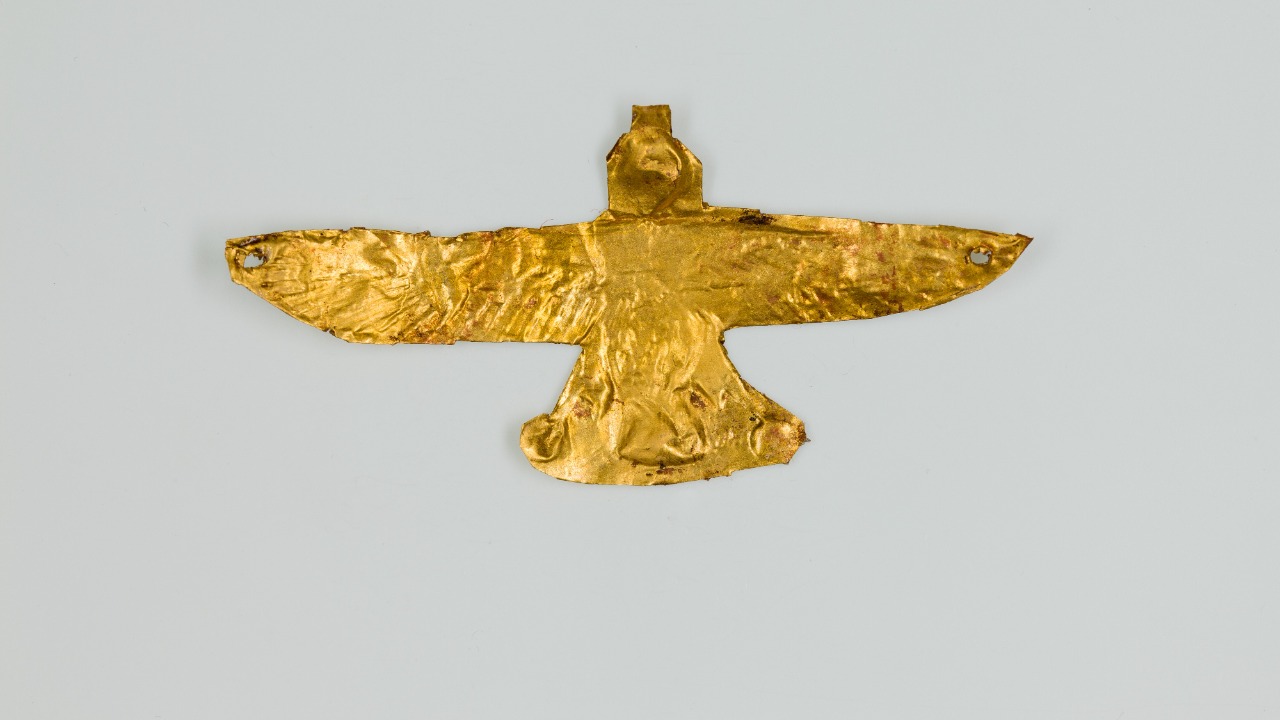
The Saqqara Bird, a wooden artifact discovered in an Egyptian tomb, resembles a modern glider. Dating back to around 200 BC, it has led some to speculate that ancient Egyptians had knowledge of aerodynamics and flight.
While mainstream scholars consider it a ceremonial object or child’s toy, the Saqqara Bird continues to capture the imagination of those fascinated by ancient aviation. Its aerodynamic shape raises questions about the extent of Egyptian technological knowledge.
The Great Pyramid’s Stone Cutting: Advanced Precision Engineering
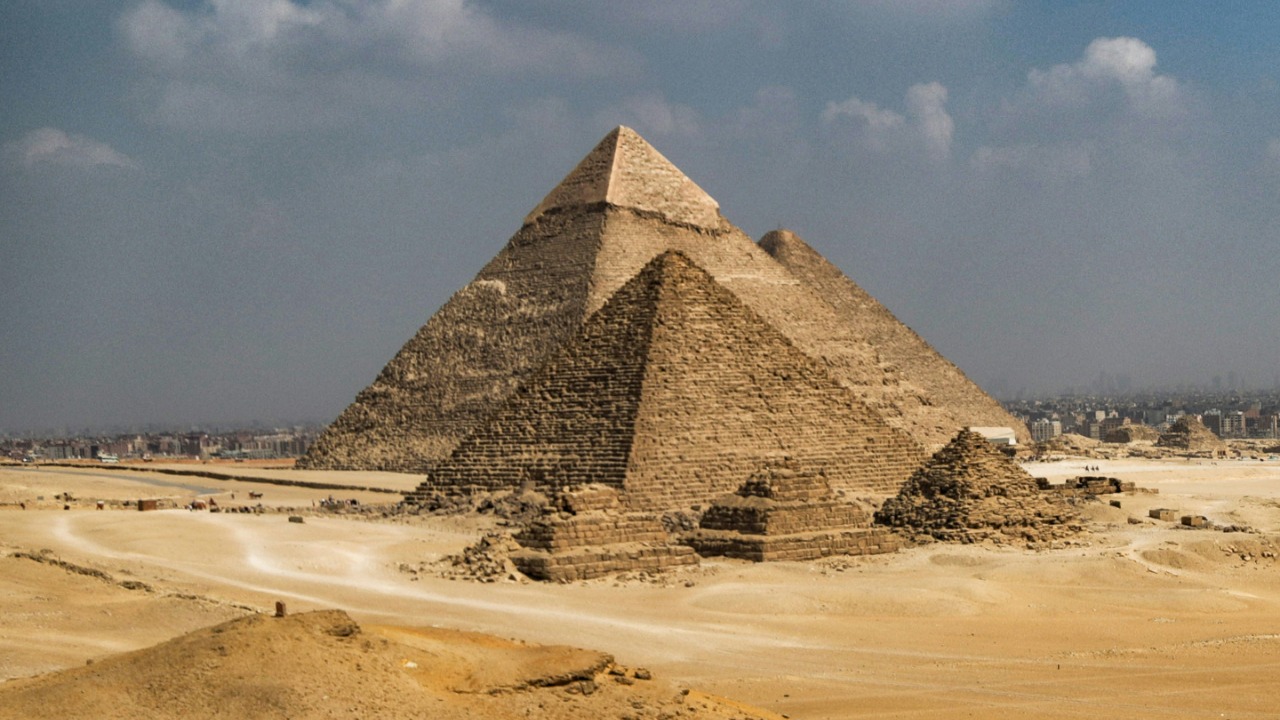
The Great Pyramid of Giza is renowned for its precise construction, with massive limestone blocks cut and fitted with incredible accuracy. The methods used to achieve such precision remain a subject of debate and wonder.
Some theories suggest advanced tools or techniques, while others propose lost knowledge of construction methods. The Great Pyramid stands as a testament to the engineering prowess of ancient Egyptians, leaving modern scientists in awe of their accomplishments.
The Voynich Manuscript: Unbreakable Ancient Code

The Voynich Manuscript is an illustrated codex, written in an unknown script and language, dating back to the early 15th century. Its contents remain undeciphered, despite extensive cryptographic analysis and scholarly attempts.
Filled with botanical, astronomical, and possibly alchemical illustrations, the manuscript’s purpose and origin are unknown. The Voynich Manuscript remains one of the most enigmatic pieces of historical evidence, continuing to puzzle and inspire researchers worldwide.
The Stone Spheres of Costa Rica: Pre-Columbian Precision

The Stone Spheres of Costa Rica, crafted by indigenous peoples between 600 and 1000 AD, are notable for their perfect spherical shape and large size. Ranging from a few centimeters to over two meters in diameter, their purpose and creation method remain subjects of speculation.
Some theories suggest they were used for ceremonial or astronomical purposes, while others propose practical uses such as boundary markers. The precision and skill required to create these spheres highlight the advanced craftsmanship of pre-Columbian societies.
The Bimini Road: Underwater Megalithic Structures

The Bimini Road, located off the coast of Bimini Island in the Bahamas, consists of underwater stone blocks arranged in a linear pattern. Discovered in the 1960s, some believe it to be the remnants of an ancient civilization or even the lost city of Atlantis.
While many scientists consider it a natural formation, others argue for its man-made origins, citing its straight alignment and apparent construction. The Bimini Road continues to spark debate and exploration, tantalizing those interested in ancient underwater mysteries.
The Archimedes Palimpsest: Advanced Greek Mathematics
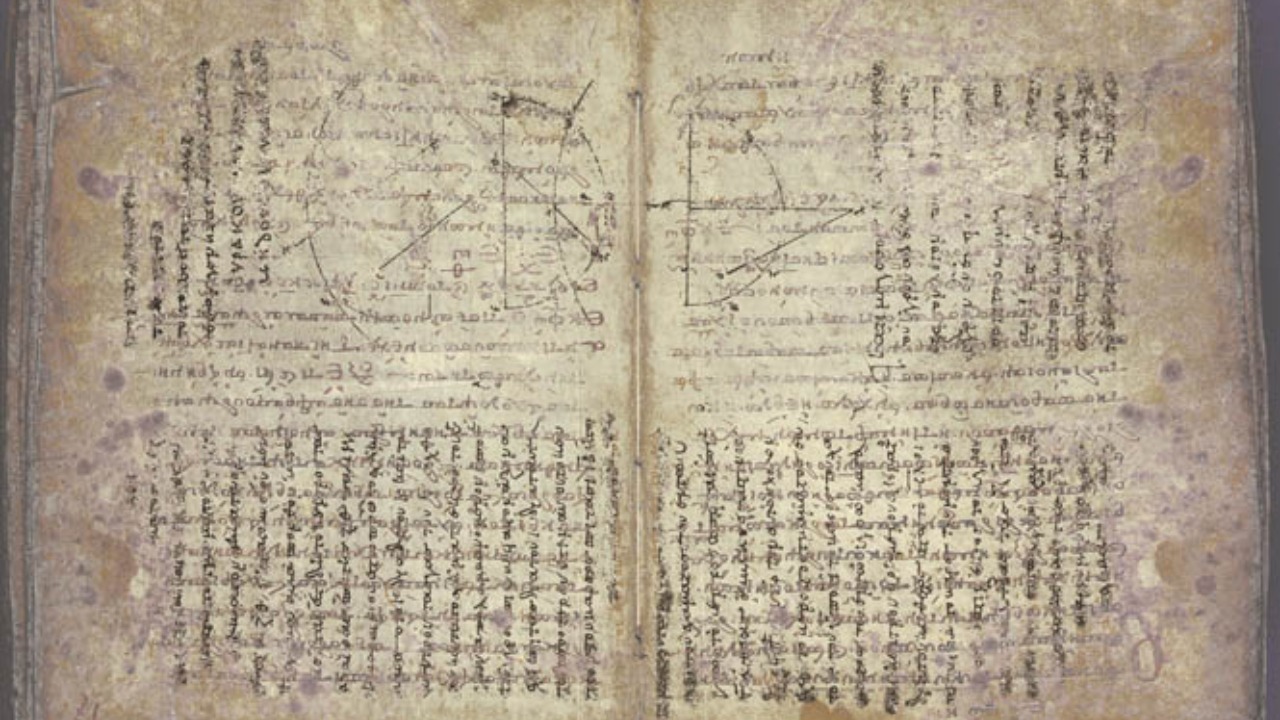
The Archimedes Palimpsest is a medieval manuscript containing works by the ancient Greek mathematician Archimedes. Discovered in the 20th century, it revealed previously unknown texts that showcased Archimedes’ advanced mathematical concepts, including early forms of calculus.
This manuscript provides invaluable insight into the mathematical prowess of ancient Greece, challenging previous assumptions about the history of mathematics. The Archimedes Palimpsest continues to be a vital resource for historians and mathematicians alike, inspiring further study and appreciation of ancient intellectual achievements.
