Archaeologists have discovered a rare blue pigment, identified as ultramarine, in a cave located in Germany’s Swabian Jura, dating back to between 40,000 and 42,000 years ago. This unexpected find challenges previous assumptions about prehistoric artistic practices and the availability of materials. The discovery was made by a team led by Dr. Maria Huber of the University of Tübingen.
Discovery in Swabian Jura Cave
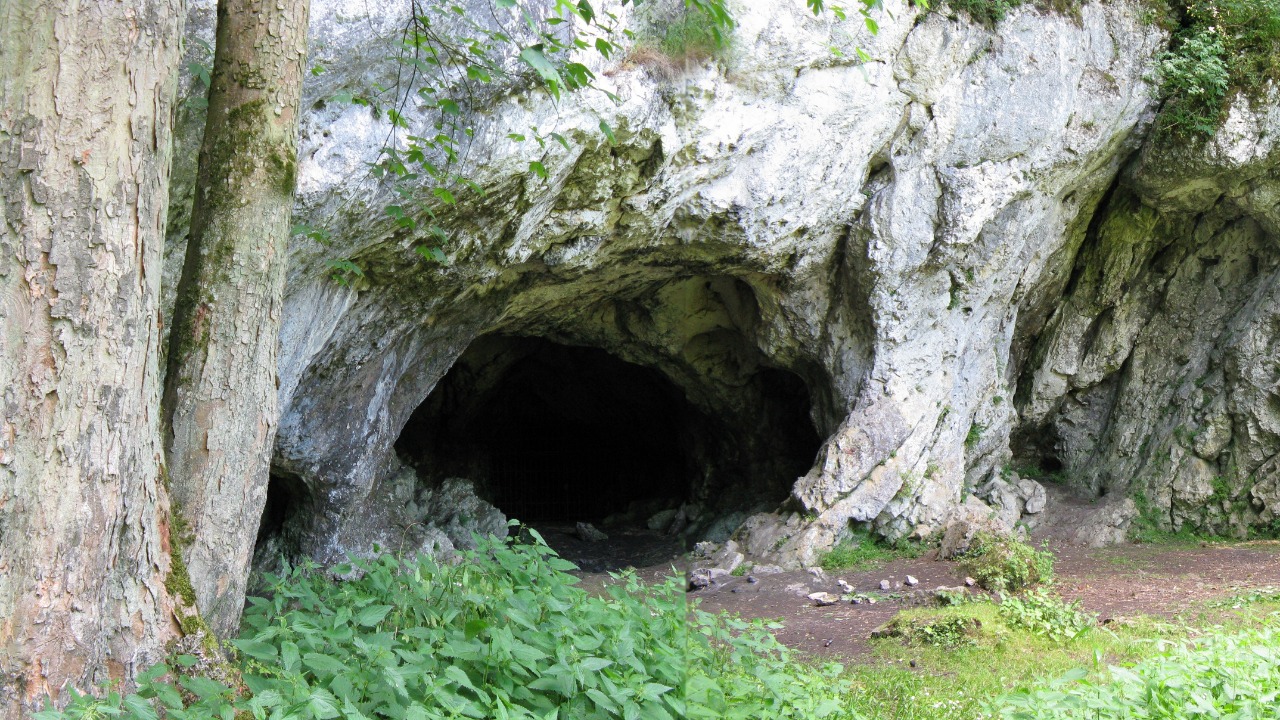
The Swabian Jura, a region renowned for its rich archaeological history, has become the site of a groundbreaking discovery involving ultramarine, a pigment not previously associated with European prehistoric sites. This find, led by Dr. Maria Huber and her team from the University of Tübingen, marks a significant departure from the conventional understanding of prehistoric art in Europe. The presence of ultramarine in this location suggests a level of complexity in prehistoric artistic practices that was not previously recognized [source].
Dr. Maria Huber’s team was instrumental in both the excavation and the subsequent analysis of the pigment samples. The pigment was discovered in a section of the cave believed to have been used for ritualistic or artistic purposes, indicating that the site may have held significant cultural importance for its prehistoric inhabitants. This discovery adds a new dimension to the understanding of the Swabian Jura’s archaeological significance [source].
Significance of Ultramarine Pigment

Ultramarine, traditionally derived from lapis lazuli, was not thought to be used in Europe until much later periods, as it was primarily sourced from Afghanistan. The presence of this pigment in the Swabian Jura cave suggests that prehistoric communities in the region either had access to complex trade networks or discovered alternative local sources of the pigment. This challenges the previously held belief that such materials were beyond the reach of early European societies [source].
The implications of this discovery are profound, prompting a reevaluation of the technological and cultural capabilities of early European humans. The use of ultramarine indicates a level of sophistication in artistic expression that was not previously attributed to this period. This finding suggests that prehistoric humans in Europe may have been more advanced in their artistic endeavors than previously understood [source].
Implications for Understanding Prehistoric Art
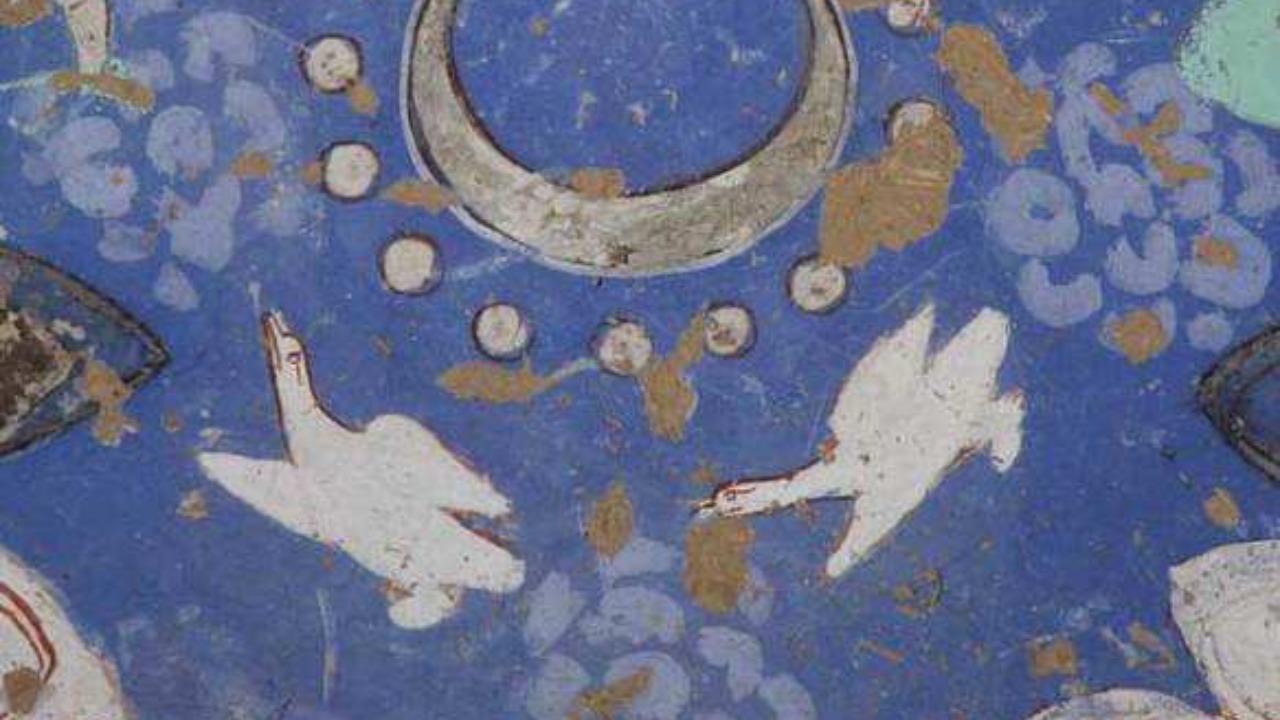
The use of such a vibrant and rare pigment as ultramarine indicates a sophisticated level of artistic expression not previously attributed to this period in Europe. This discovery may lead to new insights into the symbolic or ritual significance of color in prehistoric societies, suggesting that color played a more integral role in their cultural practices than previously thought [source].
The Swabian Jura cave paintings could potentially reshape theories about the evolution of art in early human history. By demonstrating that prehistoric Europeans had access to and utilized such rare pigments, this discovery challenges existing narratives about the development of artistic practices and the cultural priorities of early humans [source].
This discovery also invites a reconsideration of the cognitive and cultural development of early humans in Europe. The use of ultramarine, a pigment requiring significant effort to obtain and apply, suggests that these prehistoric communities placed a high value on artistic expression, potentially using it as a means of communication or social cohesion. The presence of such a rare pigment could indicate that these early humans had developed complex social structures that supported artistic endeavors, possibly involving specialized roles for artists within their communities [source].
Moreover, the presence of ultramarine in the Swabian Jura cave may imply that prehistoric societies had a nuanced understanding of aesthetics and symbolism. The choice of such a vibrant color could have been intentional, aimed at conveying specific meanings or enhancing the visual impact of their art. This could suggest that prehistoric art was not merely decorative but served a deeper purpose, potentially linked to spiritual or communal identity. As researchers continue to explore these implications, they may uncover new dimensions of prehistoric life, shedding light on how early humans perceived and interacted with their world [source].
Future Research Directions
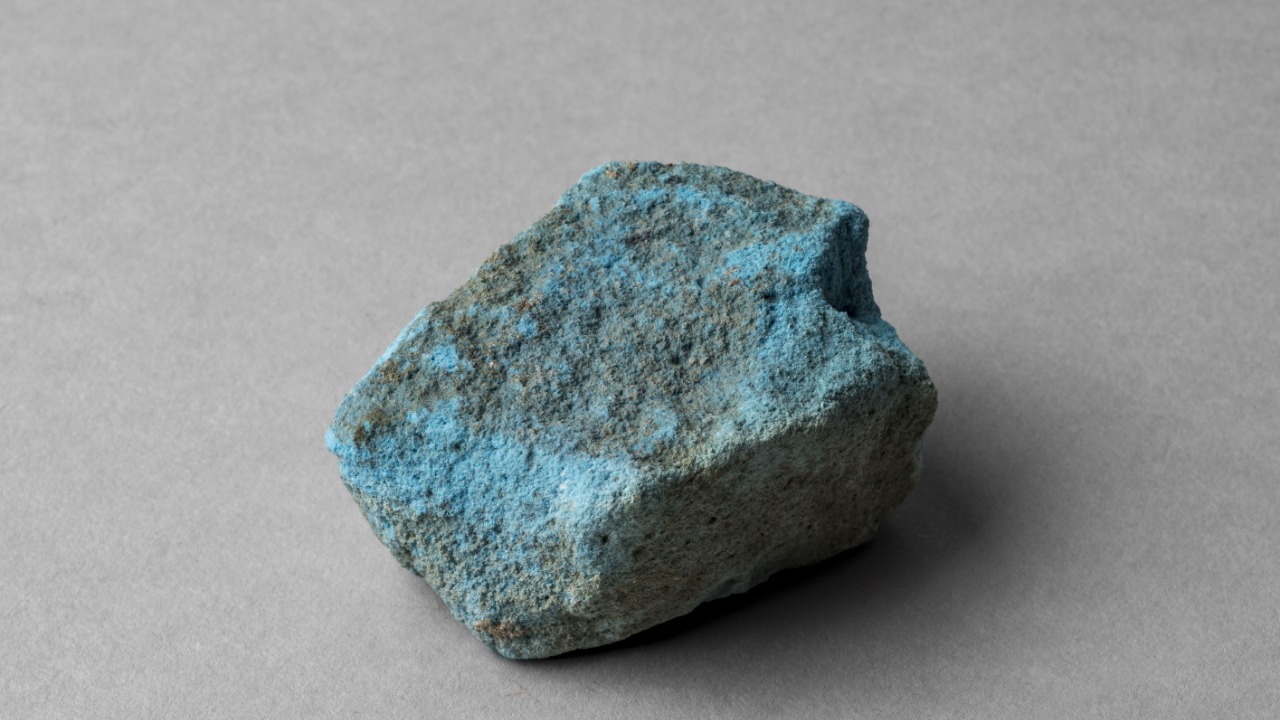
Future research will focus on determining the precise origin of the ultramarine pigment to understand how it reached the Swabian Jura. This will involve analyzing the chemical composition of the pigment to trace its source, whether it was imported through trade networks or derived from local materials. Such studies could provide further insights into the trade and cultural exchanges that occurred during this period [source].
Researchers also plan to conduct comparative studies with other prehistoric sites to see if similar pigments are present but previously unidentified. This could lead to a broader understanding of the use of color in prehistoric art across different regions. The team aims to publish a comprehensive report detailing their findings and exploring the broader implications for prehistoric archaeology, potentially opening new avenues for research in this field [source].
